
Cerebrolysin:试验结果、监管状态与安全性
摘要
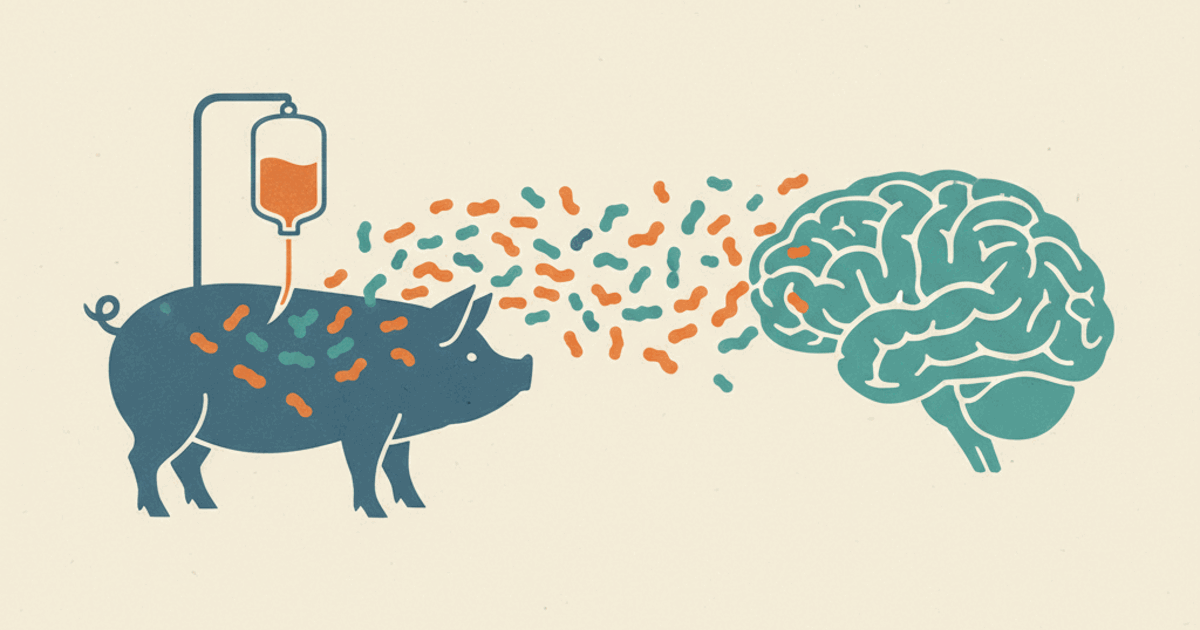
Cerebrolysin 不是单一的肽。它是由猪脑蛋白制成的氨基酸和短肽混合物,因此没有序列、没有分子式,也没有分子量。它在奥地利从 1996 年起、在韩国从 2006 年起属于处方药,在前苏联各国也都有批准。美国、加拿大和瑞士从来没有批准过它。Cochrane 综述发现它不改变急性中风后的死亡情况,非致死性严重不良事件反而更多。它最大的一项安慰剂对照试验没有达到主要终点。
要点速览
- 它是获批上市的处方药,不是研究化学品。 奥地利在 1996 年 3 月 25 日发出 1-21380 号许可,说明书上写的是“凭处方、限药房”。韩国在 2006 年 7 月 14 日随后批准 [1], [2]。
- Cochrane,急性中风:死亡人数没有变化。 风险比是 0.96(95% 置信区间 0.65 到 1.41),六项试验,1689 名受试者 [3]。
- Cochrane,急性中风:非致死性严重事件更多。 风险比是 2.39(1.10 到 5.23),三项试验,1335 名受试者。同一个信号在 2017 年和 2020 年两版里也都出现 [3], [4], [5]。
- 规模最大的那项安慰剂对照中风试验没有达到预设目标。 CASTA 随机分配了 1070 名患者,在确证性终点上没有看到有意义的差别 [6]。
- 它在体育比赛中没有被禁。 2026 年的禁用清单里查不到对应条目,针对未获批物质的兜底条款也用不上,因为它在一些国家有现行的批准 [7]。
- 在血管性痴呆上,结果是正面的,但确定性几乎谈不上。 标准化均数差是 0.36(0.13 到 0.58),三项研究,420 人,证据确定性极低。Cochrane 写道,任何好处“可能小到在临床上没有意义” [8]。
- 它没有一个可以拿去登记的分子。 这种制剂 75% 是游离氨基酸,25% 是分子量低于 10 kDa 的肽。一项分析从 1643 种蛋白里鉴定出 14 635 条肽序列。PubChem 查不到编号,ChEMBL 没有条目,也没有分子式 [9], [10], [11], [12]。
- 在美国留下的是执法记录,而不是审批记录。 2016 年它拿到过一个孤儿药资格认定,那不是批准。随后是两封警告信和两次二级召回,针对的都是药房配制的产品 [13], [14], [15], [16]。
Cerebrolysin 是什么
Cerebrolysin 是一种动物来源的肽制剂。把纯化过、去掉脂肪的猪脑蛋白用酶按标准化流程分解,得到的液体就是这种药 [17]。它不是化学合成的,也无法在肽实验室里制备。
这个名字既是商品名,也是物质名,因为从来没有人为它指定国际通用药名。许可持有方是奥地利 Unterach 的 EVER Neuro Pharma,前身是研发它的 Ebewe Pharma [1], [18]。它是注射或输注用的液体,从来没有口服剂型。
基本信息
| 项目 | 内容 | 来源 |
|---|---|---|
| 名称 | Cerebrolysin(脑活素);没有国际通用药名 | [19] |
| 其他名称 | FPF-1070(研发代号)、Renacenz、Cerebrolyzin、猪脑肽制剂 | [20], [19] |
| 类别 | 用猪脑蛋白做的神经营养肽制剂;是混合物,不是确定的单一物质 | [9], [20] |
| 组成 | 75% 游离氨基酸,25% 分子量低于 10 kDa 的肽 | [9] |
| 结构 | 给不出来:没有序列、没有分子式、没有分子量,也没有 InChIKey | [11], [12] |
| 半衰期 | 测不出来,因为这些肽和人体自己的肽很像 | [1] |
| 原料 | 家猪(Sus scrofa)全脑的蛋白组分 | [20] |
| 状态 | 在奥地利和韩国是处方药;美国、加拿大和瑞士未批准 | [1], [2], [21] |
| 许可持有方 | EVER Neuro Pharma GmbH,奥地利 Unterach | [1] |
| CAS 登记号 | 12656-61-0 | [20] |
| UNII | 37KZM6S21G | [20] |
| 其他标识 | MeSH C012352、NCI Thesaurus C221892、Wikidata Q19946892 | [19], [20], [22] |
| 查不到 | PubChem、ChEMBL、DrugBank、RxNorm;没有世界卫生组织的药物分类代码 | [11], [12] |

它是怎么起作用的
提出来的设想很简单:这种混合物里据说含有一些小肽,它们和人体自己的神经生长因子很像,起作用的方式也和那些因子一样 [1], [18]。
- 真正起作用的可能是其中的肽组分。 在培养的小鸡脑神经元里,单纯的氨基酸混合物只能让细胞继续生长四天,之后网络就解体了。换成整个制剂,网络在八天之后仍然结构完好,而一种生长因子和额外加的血清都做不到这一点 [9]。
- 这个组分里有什么,现在已经编成目录了。 仅在“轻”肽组分里,质谱就鉴定出 14 635 条肽序列,归属于 1643 种蛋白。把序列鉴定出来、录进数据库,并不等于证明了作用 [10]。
- 身体怎么处理它,没法测量。 说明书写明,药代动力学参数无法测定,因为这些肽和人体自己的肽很像。峰值浓度、半衰期和生物利用度都不清楚 [1]。
- 它能不能进入大脑,靠的是间接证据。 在动物身上,无论制剂是直接到脑,还是先进血液,出现的效应都一样。这是推论,不是测量 [1]。
- 有文献描述,单次给药之后血浆里的效应可以持续到 24 小时,同样是从药理学特征推出来的 [1]。
试验发现了什么
登记在册的研究有 42 项,其中十项由生产厂家作为主要申办方,而结论的方向取决于由谁来问、标准有多严 [23]。
随机试验 CASTA(主要终点未达到)、CARS 合并分析、CAPTAIN II、CAPTAIN I(因招募不足终止)和 ESCAS,旁边是已完成的观察性研究 C-REGS2,它的结果在 2026 年 9 月仍然查不到任何发表形式。来源 [6], [24], [25], [26], [27], [23]。
急性中风:存活与严重事件
Cochrane 综述 2023 年那一版把急性缺血性中风的安慰剂对照试验合并到了一起。任何原因导致的死亡没有看出有意义的差别:风险比 0.96(0.65 到 1.41),六项试验,1689 名受试者,证据确定性中等 [3]。
Cochrane 综述 非致死性严重不良事件是例外。它们在用药组里更常见:风险比 2.39(1.10 到 5.23),三项试验,1335 名受试者,证据确定性中等。在用药更多的那些试验里,升高的幅度更大,为 2.87(1.24 到 6.69)[3]。
Cochrane 综述 这不是孤立的一次发现。2020 年那一版报告的是 2.15(1.01 到 4.55;p = 0.047)。2017 年那一版报告 2.47(1.09 到 5.58;p = 0.03),来自 20 例对 8 例事件 [5], [4]。
数值等于 1.0 表示没有差别,高于 1.0 表示用药组的事件更多。只有非致死性严重事件达到了统计学显著,为 2.39(95% 置信区间 1.10 到 5.23;三项试验,1335 名受试者)。任何原因导致的死亡为 0.96(0.65 到 1.41;六项试验,1689 名受试者)。来源 [3]。
4 期随机对照试验 CASTA 是规模最大的安慰剂对照试验,在亚洲把 1070 名患者随机分组,都在症状出现后 12 小时之内。第 90 天由三个标准量表组成的复合终点,在两组之间没有显著差别 [6]。
4 期随机对照试验 CASTA 那些正面数字来自后来对中风更重的一个亚组的再分析。两个比值比都是 1.27,而 1.0 意味着没有差别,两个都没有达到显著。作者要求用另一项试验来确认 [6]。
急性中风:功能恢复与语言
随机对照试验 CARS-1 测的是早期康复期间的上肢功能。它的结果报告的是“用药患者比安慰剂患者表现更好的概率”,在这个指标上 0.5 意味着没有差别。第 90 天的上肢功能测试给出 0.71(0.63 到 0.79;p < 0.0001)。作者把这称为很大的优势,同时说明这项研究属于探索性,并要求做一项确证试验 [28]。
个体数据荟萃分析 把 CARS-1 和它的孪生试验 CARS-2 合并,得到 442 名受试者。在同一个指标上,上肢功能测试的效应是 0.62(p < 0.0001),中风严重程度量表上的早期变化是 0.59(p < 0.002)。平均每治疗 7.1 名患者,才换来一次临床上有意义的早期变化,而这个数字的波动范围从 4 到 22 [24]。
随机对照试验,先导研究 ESCAS 在罗马尼亚的两家中心研究了 123 名纳入分析的非流畅性失语患者。在一项标准语言测验上,分数上升了 35.579 ± 16.316 分,安慰剂组是 20.774 ± 12.486 分。差值是 14.805 分(9.521 到 20.089;p < 0.001),而且两组都有改善 [27]。
荟萃分析 2025 年一篇覆盖 14 项随机试验、2884 名患者的综述发现,中风严重程度量表上有小幅获益,平均值 1.39 分(0.53 到 2.25;p = 0.020)。功能独立性,也就是决定一个人能不能自己生活的那个结果,只看到一个趋势,为 1.31(0.90 到 1.91)[29]。
观察性研究 三项覆盖 294 名接受取栓治疗患者的观察性研究报告,死亡率低了 64%(0.36;0.18 到 0.68;p = 0.02)。这么大的效应对一种附加治疗来说很难成立,而且这篇论文自己报告的人数前后不一致:死亡数字覆盖的是 501 人 [30]。
血管性痴呆
Cochrane 综述 2019 年那一版发现认知更好,差别属于小到中等,为 0.36 个标准差(0.13 到 0.58),三项研究,420 人,证据确定性极低。整体功能也有改善,风险比 2.69(1.82 到 3.98),两项研究,379 名受试者,同样是极低 [8]。
Cochrane 综述 这篇综述自己的结论才是重点。作者写道,这些数据“不是定论”,而且那些论文的偏倚风险很高。他们还补充说,任何效应“可能小到在临床上没有意义” [8]。
Cochrane 综述 从 2013 年以来没有新东西进来:还是那六项研究,还是那 597 名受试者,凡是写明了资金来源的都由企业支持 [8]。
4 期随机对照试验 这里最大的单项试验有 242 名患者。它报告第 24 周在一个认知量表上提高 10.6 分,安慰剂组是 4.4 分(p < 0.0001)。这个幅度很不寻常,而且与同一家公司的阿尔茨海默病试验结果也很难对得上 [31]。
阿尔茨海默病
随机对照试验,无安慰剂 一项覆盖 197 名患者的试验比较了这种制剂、已上市的药物多奈哌齐,以及两者联用。认知、功能和行为指标在三组之间没有显著差别,整体结局则偏向这种制剂和联用组 [32]。
随机对照试验,无安慰剂 认知变化在这种制剂下是 -1.7 ± 7.5,在多奈哌齐下是 -1.2 ± 6.1,两者联用下是 -2.3 ± 6.0。每一组都有改善,但在没有安慰剂组的情况下,这说明不了什么 [32]。
对系统综述的总览 两篇对系统综述的总览意见相反。其中一篇覆盖 33 篇综述,把这种制剂列进“看起来有效”的药物,同时补上一句“这方面的证据是有限的”。另一篇覆盖 16 篇综述、149 项研究,把它称作最优选择之一 [33], [34]。
欧盟、英国和美国的指南在这个病上根本没有提到它 [35]。
创伤性脑损伤
3b/4 期随机对照试验 CAPTAIN II 分析了 139 名患者,他们入院时的格拉斯哥昏迷评分,也就是衡量意识状态的标准指标,在 7 到 12 之间。它跨 13 个结局量表的复合指标在第 90 天是 0.59(0.52 到 0.66;p = 0.0119),评级为小到中等 [25]。
3b/4 期随机对照试验,已终止 CAPTAIN I 只入组了 46 人,远少于原本计划的人数,最后因为招募不足关闭。它的主分析没有达到显著,为 0.63(0.48 到 0.77)。只有在按计划完成的那部分患者里才出现显著(p = 0.0240),这产生的是假设,不是证据 [26]。
随机对照试验 一项三组对照、覆盖 93 名患者的试验把这种制剂和经颅磁刺激合在一起用。作者写明,主要结局指标上没有看到统计学上显著的差别 [36]。
观察性研究 泰国一项覆盖 340 名成年人的队列研究报告,六个月存活率是 59.4% 对 27.8%(p < 0.001)。中度损伤后对照组出现 72% 的死亡率,与国际文献不符 [37]。
还研究过哪些情况
开放研究 在 100 名轻度认知障碍者中,用药组在三年里进展为痴呆的人更少。对照组什么都没有给,所以安慰剂效应和被关注带来的效应都没有被测量 [38]。
开放研究 在 202 名纳入分析的新冠后持续嗅觉丧失患者中,报告的完全恢复率是 61.5%,而只做训练的那一组是零。零这个数字与已知的自然病程相矛盾 [39]。
还不清楚的地方
- 最基础的药理学。 峰值浓度、半衰期和生物利用度都测不出来,因此暴露量无法客观核对 [1]。
- 患者真正在意的那个结果。 Cochrane 纳入的七项中风研究,没有一项报告随访结束时的死亡或生活依赖情况 [3]。
- 规模最大的那批数据。 C-REGS2 在 2024 年 4 月达到主要完成日期,2024 年 7 月关闭,有 1851 名受试者,却查不到任何发表结果。它被终止的前身研究有 1823 名受试者,同样没有 [23]。
- 儿童。 说明书因为缺少数据而不建议 18 岁以下使用,可登记在册的研究里却有新生儿和脑性瘫痪儿童的项目 [1], [23]。
- 它是怎么生产出来的。 除了“标准化酶解”这一句话,没有公开任何工艺细节和批次放行标准 [17]。
- 与已有标准治疗的任何比较。 在中风和脑损伤上都不存在头对头试验 [23]。
不良反应与安全性
说明书描述的安全性看起来是温和的,而合并起来的试验数据里有一个明确的例外。这两者要放在一起看 [1], [3]。
- 过敏和超敏反应被列为非常罕见,发生率低于 1/10 000。范围从麻刺感和皮肤反应,到发热、呼吸困难、寒战和类似休克的状态 [1]。
- 躁动被列为罕见,发生率在 1/10 000 到 1/1000 之间。说明书把它称作预期中的兴奋作用的另一面,并点出攻击性、意识混乱和失眠 [1]。
- 单次的癫痫大发作被列为非常罕见,并且有一例抽搐被判定与这种药有关 [1]。
- 头晕、发热感、出汗,以及个别情况下的心悸或心律不齐被列为罕见到非常罕见,并与给药过快有关 [1]。
- 消化道不适和注射部位的局部反应属于非常罕见的条目:消化不良、腹泻、便秘、呕吐、恶心、发红、瘙痒和烧灼感 [1]。
- 非致死性严重不良事件比安慰剂下更常见,在合并分析里是 2.39(1.10 到 5.23)。这一条没有写进说明书 [3]。
- 出现任何不良事件的患者人数没有差别,是 1.03(0.92 到 1.14),四项研究,1607 名受试者,证据确定性低 [3]。
奥地利的说明书列出三条绝对禁忌:对这种制剂或某种辅料过敏、癫痫持续状态,以及严重的肾功能损害。癫痫患者需要谨慎,因为发作频率可能升高;有过敏倾向的人同样需要谨慎。与单胺氧化酶抑制剂或抗抑郁药同用时,有文献描述过叠加效应 [1]。
说明书不允许在孕期使用,除非孕妇的临床状况有此需要;哺乳期则要求做一次风险与获益的权衡。驾驶能力受影响的可能性无法排除。没有过量导致健康损害的报告,也没有解毒剂 [1]。
它的储存要求与人们对肽类产品的习惯正好相反。 说明书写的是不超过 25 摄氏度、不要冷藏、不要冷冻,并且放在原包装里避光保存。肽类产品的一般处理方式见肽的储存 [1]。
猪脑这个问题
原料来自猪脑,这就引出了传染性海绵状脑病的问题,也就是包含疯牛病的那一类疾病。欧洲的指导文件直接给了答案:猪“不会通过口服途径自然感染”,因此不属于与传染性海绵状脑病相关的动物物种 [40]。
两次针对这种制剂的传染性海绵状脑病或朊病毒风险的文献检索,什么都没有找到。监管实践把这个问题看作已经解决,而不是仍有争议 [40]。
这条豁免不能套到 Cortexin 上。那是从牛脑来的制剂,Cochrane 在 2023 年把它作为同类药物一起纳入,涉及 272 名受试者。牛属于与传染性海绵状脑病相关的物种 [3], [40]。
剩下的是另一种担忧。由成千上万种动物组织成分构成的混合物,没法像单一的合成肽那样被刻画清楚,批次之间的一致性也无法从公开资料里核实 [10]。
本页为什么不列出剂量
本页不给出 Cerebrolysin 的任何用量、任何体积、任何用药时长和任何给药细节,任何单位都不给。在每一个批准过它的市场上它都是处方药,而德国关于向公众宣传药品的规定也没有给这类信息留下空间 [1], [2]。
有两点让这里比通常更严格。获批的适应证都是重症,而合并起来的试验显示,用药更多的地方非致死性严重不良事件更多。放在一个参考页面上的数字,会被读成用法说明 [3]。
研发与获批状态
Cerebrolysin 在一些国家已经上市三十年,在另一些国家从来没有获批。许可与证据之间的落差,是它这份记录最突出的特征 [1], [3]。
奥地利的许可范围,用说明书自己的措辞,是脑血管疾病的支持性治疗,并点出阿尔茨海默型老年性痴呆和血管性痴呆、中风之后的功能缺损,以及颅脑损伤,适用于成人和老年患者。这是许可的范围,不是说这种制剂有效 [1]。
许可与证据之间的三十年
- 1996 年奥地利批准上市3 月 25 日发出 1-21380 号许可,凭处方、限药房,来源 [1]
- 2006 年韩国7 月 14 日作为进口处方药获批,来源 [2]
- 2010 年第一版 Cochrane 综述中风综述开启了一个后来出到七版的系列,来源 [41]
- 2012 年CASTA 发表规模最大的安慰剂对照试验,1070 名患者,确证性终点未达到,来源 [6]
- 2016 年美国孤儿药资格认定针对额颞叶痴呆的 513315 号认定,明确不是批准,来源 [13]
- 2019 年痴呆综述更新Cochrane 找到的还是 2013 年那六项研究,证据确定性评为极低,来源 [8]
- 2020 年与 2021 年美国执法两封警告信和第一次二级召回,针对的都是药房配制的产品,来源 [14], [15], [16]
- 2023 年安全性信号得到确认第七版中风综述报告非致死性严重事件为 2.39,来源 [3]
- 2025 年一项试验和一次召回失语试验 ESCAS 发表,并报告了第二次二级召回,来源 [27], [16]
- 1996 年 —— 奥地利在 3 月 25 日发出 1-21380 号许可,2001 年续期;说明书最后一次修订是 2021 年 3 月 [1]。
- 2006 年 —— 韩国以第 9 号许可批准了进口产品 [2]。
- 2010 年到 2023 年 —— Cochrane 的中风综述一共出了七版 [41], [3]。
- 2016 年 —— 美国的孤儿药资格认定发了出来,却从来没有变成批准 [13]。
- 2020 年与 2021 年 —— 两封警告信发给了美国的药房配制企业 [14], [15]。
- 2024 年 —— C-REGS2 完成,有 1851 名受试者;查不到任何已发表的结果 [23]。
- 2025 年 —— 报告了第二次针对配制产品的二级召回 [16]。
| 市场 | 状态 | 时间或备注 |
|---|---|---|
| 奥地利 | 已批准 | 1996 年,处方药 |
| 韩国 | 已批准 | 2006 年,进口 |
| 前苏联各国 | 已批准 | 查过的九个登记库全部收录;五份基本药物目录 |
| 欧盟 | 没有集中许可 | 只能走各国途径 |
| 德国 | 查不到许可 | 登记库无法访问;只能个人进口 |
| 英国 | 未批准 | 查不到许可 |
| 美国 | 未批准 | 只有孤儿药资格认定 |
| 加拿大 | 未批准 | 登记库里是空的 |
| 瑞士 | 未批准 | 登记库里是空的 |
| 澳大利亚 | 未登记 | 没有列入毒物标准 |
美国、加拿大和瑞士这三条,依据的是在同一个数据库里带着对照物质一起做的登记库查询。所以空结果意味着确实没有,而不是查询失败 [21], [42], [43]。
另有五条的依据要弱一些。俄罗斯、中国、英国、澳大利亚和德国的登记库在 2026 年 9 月 15 日无法访问。这些状态改为依据一篇对九个前苏联国家登记库的同行评议分析、澳大利亚的毒物标准,以及欧洲没有集中许可这一事实 [35], [44]。
德国值得单独说一句。这种物质不在处方药条例的附录里,而这并不构成许可。那份附录列的是即使没有上市许可也必须凭处方的物质;已经获批的药品本来就由它自己的许可覆盖。查不到德国的许可,而国家药品登记库在 2026 年 9 月 15 日无法访问,所以究竟有没有存在过,至今没有定论。如果没有,唯一合法的途径是凭医生处方个人进口 [45], [46]。
反兴奋剂
Cerebrolysin 在体育比赛中没有被禁。2026 年禁用清单的全文里查不到这个名字,也查不到任何对这种制剂的描述,德国反兴奋剂法的附录里同样没有 [7], [47]。
通常用来兜住未获批物质的是 S0 类。它涵盖任何“没有被后面各节涉及”、并且目前没有拿到政府卫生主管部门人用治疗批准的药理物质。这里存在国家层面的批准,所以这一类用不上 [7]。
法律风险落在药事法和广告法上。完整情况见体育禁用肽。
与相关肽的比较
| 物质 | 它是什么 | 状态 | 最强的人体证据 | 来源 |
|---|---|---|---|---|
| Cerebrolysin | 猪脑蛋白做成的混合物,成千上万种成分 | 在奥地利和韩国是处方药 | Cochrane:中风死亡率没有变化,非致死性严重事件更多 | [1], [3] |
| Semax | 单一的合成肽,序列已知 | 在俄罗斯获批 | 见它自己的页面 | — |
| Selank | 单一的合成肽,序列已知 | 在俄罗斯获批 | 见它自己的页面 | — |
| Pinealon | 短的合成肽 | 各国都未批准 | 见它自己的页面 | — |
| DSIP | 单一的天然肽序列 | 在俄罗斯获批 | 见它自己的页面 | — |
| Cortexin | 牛脑蛋白做成的混合物 | 在前苏联各国获批 | 2023 年被 Cochrane 与 Cerebrolysin 合并分析 | [3] |
和那些合成肽的反差在结构上。它们每一个都是实验室能够验证的单一确定分子。Cerebrolysin 是组织提取物,它的组成只能用统计的方式描述 [10]。
和 Cortexin 的反差关系到安全性。两者都是脑来源的混合物,被放进了同一个 Cochrane 分析,但猪不是与传染性海绵状脑病相关的物种,牛是 [3], [40]。
在这张表里,Cerebrolysin 在两个方向上都很特别。它的随机数据比列出的任何一个邻居都多得多,而正是这一批更大的数据,同时产出了未达到的终点和那个安全性信号 [6], [3]。
常见误解
- “Cerebrolysin 和这个登记册里其他的肽是一类东西。” 它没有序列,也没有分子量。数据库条目的缺失是这种物质本身的性质,不是记录上的漏洞 [9], [11]。
- “它在 40 多个国家获批,那肯定不错。” 这个数字没法从一手资料核实。能核实的是哪些主管部门没有批准它:美国、加拿大和瑞士,而且欧洲不存在集中许可 [21], [42], [43], [48]。
- “Cochrane 确认它对痴呆有效。” Cochrane 得到的是正面的点估计,但证据确定性极低,而且写明任何好处可能小到临床上没有意义。极低确定性下的一个正面估计不是确认 [8]。
- “美国的孤儿药资格认定算半个批准。” 同一份记录上写着“未获美国药监局批准用于该孤儿适应证”。生产厂家自己写道,这种制剂“没有在美国食品药品管理局注册” [13], [18]。
- “美国的诊所用过它,所以在那里合法可得。” 有据可查的正好相反。警告信发出的理由是这种物质没有药典标准、不是任何已获批药品的成分,也从来没有被提名进配制原料清单。两次二级召回针对的正是这类配制产品 [14], [15], [49], [16]。
- “口服产品是同一种东西。” N-PEP-12 以 Cebrium 和 MemoProve 的名义销售,是从这种制剂衍生出来的食品补充剂,文献描述它的效力低得多。一个是处方药,另一个是食品 [19], [50]。
常见问题
Cerebrolysin 是什么?
它是一种液体药物,做法是用酶把纯化过、去掉脂肪的猪脑蛋白分解开。得到的产物大约 75% 是游离氨基酸,25% 是小肽。它没有序列、没有分子式,也没有分子量,因此无法像单一的肽那样去描述。
Cerebrolysin 作为药物获批了吗?
在一些国家是的。奥地利在 1996 年 3 月把它批准为处方药,韩国在 2006 年 7 月批准了进口产品。一项对九个前苏联国家登记库的分析发现,它在其中全部获批。美国、加拿大和瑞士没有。
Cochrane 对 Cerebrolysin 的综述发现了什么?
两组结论指向不同的方面,但都不乐观。在急性缺血性中风上,2023 年那一版发现死亡没有差别,非致死性严重不良事件更多。在血管性痴呆上,2019 年那一版发现认知更好,但证据确定性极低。它写道,任何好处可能小到临床上没有意义。
Cerebrolysin 有安全性信号吗?
有一个。合并起来的安慰剂对照中风试验显示非致死性严重不良事件更多,风险比为 2.39。用药更多的地方信号更大,而且它在同一篇综述的三个版本里都出现。说明书里没有这一条。
Cerebrolysin 有疯牛病或朊病毒风险吗?
按欧洲的监管指导文件是没有。猪不会通过口服途径自然感染,因此不属于与传染性海绵状脑病相关的物种。在收录的文献里检索这种制剂的朊病毒风险,什么都查不到。牛来源的 Cortexin 是另一回事。
Cerebrolysin 为什么在美国没有获批?
从来没有一份申请成功过,生产厂家自己也写明这种制剂没有在美国注册。2016 年它拿到了针对额颞叶痴呆的孤儿药资格认定。这个身份支持的是研发,不是批准。
Cerebrolysin 在体育比赛中被禁用吗?
没有。2026 年禁用清单的全文里查不到对应条目,德国反兴奋剂法的附录里也没有。针对未获批物质的兜底条款用不上,因为现行的国家批准是存在的。它的法律风险落在药事法上。
Cerebrolysin 和 N-PEP-12 有什么区别?
它们在法律上是两回事。Cerebrolysin 是注射用的处方药。N-PEP-12 以 Cebrium 和 MemoProve 的名义销售,是从它衍生出来的口服食品补充剂,文献描述它的效力低得多。
Cerebrolysin 按说明书该怎么储存?
对习惯了肽类产品的人来说,这份说明书是反直觉的。它不能放在 25 摄氏度以上,不要冷藏,也不要冷冻,并且要留在原包装里避光。安瓶的有效期是 48 个月,西林瓶是 24 个月。
本页关于 Cerebrolysin 为什么不列出剂量?
因为凡是批准了它的地方它都是处方药,而获批的适应证都是重症。德国关于向公众宣传药品的法律不允许在这里出现用量和用法信息。另外,用药更多的地方,非致死性严重事件的信号也更大。
参考来源
- Bundesamt für Sicherheit im Gesundheitswesen / AGES, Austria. Cerebrolysin – parenterale Lösung, summary of product characteristics, revision March 2021. Marketing authorisation 1-21380, granted 25 March 1996, renewed 25 March 2001, holder EVER Neuro Pharma GmbH, Unterach. Section 11 reads "Rp, apothekenpflichtig" (prescription-only, pharmacy-only). Full seven-page document read on 15 September 2026. https://medikamente.basg.gv.at/documents/1-21380__DOTC_FACH_INFO.pdf
- Ministry of Food and Drug Safety, Republic of Korea. Drug register 의약품안전나라, entry 세레브로리진주(돼지뇌펩티드) / Cerebrolysin Injection. Licence number 9, licensed 14 July 2006, company SAMOH PHARM CO., LTD., category 전문의약품 (prescription-only), imported from Austria and Germany, classification code N06BX, status regular. Queried 15 September 2026. https://nedrug.mfds.go.kr/searchDrug
- Ziganshina LE, Abakumova T, Nurkhametova D, Ivanchenko K (2023). Cerebrolysin for acute ischaemic stroke. Cochrane Database of Systematic Reviews 2023;10(10):CD007026. PMID 37818733. DOI 10.1002/14651858.CD007026.pub7. Seventh version; includes the cattle-derived agent Cortexin with 272 of 1773 participants.
- Ziganshina LE, Abakumova T, Vernay L (2017). Cerebrolysin for acute ischaemic stroke. Cochrane Database of Systematic Reviews 2017;4(4):CD007026. PMID 28430363. DOI 10.1002/14651858.CD007026.pub5.
- Ziganshina LE, Abakumova T, Hoyle CHV (2020). Cerebrolysin for acute ischaemic stroke. Cochrane Database of Systematic Reviews 2020;7(7):CD007026. PMID 32662068. DOI 10.1002/14651858.CD007026.pub6.
- Heiss WD, Brainin M, Bornstein NM, Tuomilehto J, Hong Z; Cerebrolysin Acute Stroke Treatment in Asia (CASTA) Investigators (2012). Cerebrolysin in patients with acute ischemic stroke in Asia: results of a double-blind, placebo-controlled randomized trial. Stroke 2012;43(3):630-636. PMID 22282884. DOI 10.1161/STROKEAHA.111.628537. NCT00868283, 1070 patients randomised, confirmatory endpoint not met.
- World Anti-Doping Agency. The 2026 Prohibited List, in force 1 January 2026. Full text checked on 15 September 2026: no match for the name, for porcine or brain-derived preparations, or for neurotrophic factors, with classes S0 to S2.3 present as controls. Class S0 covers substances with no current approval by a government regulatory health authority for human therapeutic use. https://www.wada-ama.org/en/prohibited-list
- Cui S, Chen N, Yang M, Guo J, Zhou M, Zhu C, He L (2019). Cerebrolysin for vascular dementia. Cochrane Database of Systematic Reviews 2019;(11):CD008900. PMID 31710397. DOI 10.1002/14651858.CD008900.pub3. Same six studies and 597 participants as the 2013 version.
- Hartbauer M, Hutter-Paier B, Windisch M (2001). Effects of Cerebrolysin on the outgrowth and protection of processes of cultured brain neurons. Journal of Neural Transmission 2001;108(5):581-592. PMID 11459078. Source of the composition figures, 75 per cent free amino acids and 25 per cent peptides below 10 kDa, and of the chick neuron experiment.
- Gromova OA, Torshin IYu, Zgoda VG et al. (2019). An analysis of the peptide composition of a "light" peptide fraction of cerebrolysin. Zhurnal Nevrologii i Psikhiatrii imeni S.S. Korsakova 2019;119(8):75-83. PMID 31626174. DOI 10.17116/jnevro201911908175. 14 635 peptide sequences from 1643 proteins identified by mass spectrometry; a sequence catalogue, not an efficacy study.
- PubChem / NCBI. PUG-REST queries on 15 September 2026: compound/name/cerebrolysin/cids returned PUGREST.NotFound ("No CID found"), while substance entries exist. Evidence that no single molecule exists. https://pubchem.ncbi.nlm.nih.gov/rest/pug/compound/name/cerebrolysin/cids/JSON
- EBI / ChEMBL. Molecule search for "cerebrolysin" on 15 September 2026 returned total_count 0. A query of the American drug nomenclature service returned an empty identifier group on the same day. https://www.ebi.ac.uk/chembl/api/data/molecule/search?q=cerebrolysin
- US Food and Drug Administration, Office of Orphan Products Development. Orphan drug designation 513315, "peptide fraction derived from porcine brain protein", designated 5 April 2016 for the treatment of frontotemporal dementia including all subvariants, sponsor EVER Neuro Pharma GmbH. The record states "Not FDA Approved for Orphan Indication". Its status field is the composite label "Designated/Designation Withdrawn or Revoked" and carries no withdrawal date, so whether the designation still stands cannot be read off the record. Retrieved 15 September 2026. https://www.accessdata.fda.gov/scripts/opdlisting/oopd/detailedIndex.cfm?cfgridkey=513315
- US Food and Drug Administration (1 April 2020). Warning letter to Tailor Made Compounding, LLC, MARCS-CMS 594743. Names Cerebrolysin among bulk substances that do not meet the conditions of section 503A: no pharmacopoeia monograph, not a component of an approved medicine, not on the 503A bulks list. https://www.fda.gov/inspections-compliance-enforcement-and-criminal-investigations/warning-letters/tailor-made-compounding-llc-594743-04012020
- US Food and Drug Administration (10 November 2021). Warning letter to Advanced Nutriceuticals, LLC dba The Guyer Institute of Molecular Medicine, MARCS-CMS 615908. Footnote 2 states that Cerebrolysin "was not nominated for inclusion on the 503A bulks list", alongside findings on sterile manufacturing. https://www.fda.gov/inspections-compliance-enforcement-and-criminal-investigations/warning-letters/advanced-nutriceuticals-llc-dba-guyer-institute-molecular-medicine-615908-11102021
- US Food and Drug Administration, openFDA drug enforcement reports, queried 15 September 2026: D-0139-2021 (Cerebrolysin, product of The Guyer Institute of Molecular Medicine, Indianapolis, recalling firm Advanced Nutriceuticals LLC, Class II, "Lack of Assurance of Sterility", reported 23 December 2020) and D-0071-2026 (Cerebrolysin for Injection, GenoGenix LLC, Boca Raton, Class II, same reason, United States nationwide, reported 15 October 2025). https://api.fda.gov/drug/enforcement.json
- Wronski R, Kronawetter S, Hutter-Paier B et al. (2000). A brain derived peptide preparation reduces the translation dependent loss of a cytoskeletal protein in primary cultured chicken neurons. Journal of Neural Transmission Supplement 2000;59:263-272. PMID 10961438. Source of the phrase "standardized enzymatic break-down of lipid free porcine brain proteins"; no further process details are public.
- EVER Neuro Pharma GmbH. Cerebrolysin product pages "About Cerebrolysin" and "Mode of Action", retrieved 15 September 2026. Used as a manufacturer statement, not as independent evidence. Contains the sentence: "Cerebrolysin is not registered with the U.S. Food and Drug Administration (FDA) and is not approved for sale or distribution in the United States." https://www.cerebrolysin.com/cerebrolysin/about-cerebrolysin
- US National Library of Medicine. MeSH supplementary concept "cerebrolysin" (unique identifier 67006952): "swine brain hydrolysate containing amino acids and small peptides", mapped to amino acids, pharmacologic action neuroprotective and nootropic agents. The concept "N-PEP-12" reads: "Nootropic Drug derived from cerebrolysin; N-PEP-12 is much less potent than cerebrolysin but it can be administered orally." Retrieved 15 September 2026.
- US Food and Drug Administration / NCATS. Global Substance Registration System, substance record CEREBROLYSIN, UNII 37KZM6S21G, CAS 12656-61-0, substance class structurally diverse, source material mammal, source organism Sus scrofa whole, part brain, fraction protein; linked codes NCI Thesaurus C221892 and orphan drug 513315. Retrieved 15 September 2026. https://gsrs.ncats.nih.gov/api/v1/substances(37KZM6S21G)
- US Food and Drug Administration and National Library of Medicine, null findings with controls, all queried 15 September 2026: Drugs@FDA (generic name "cerebrolysin" → not found), the national drug code directory (not found, control query "tesamorelin" → 14 records), the label endpoint (not found) and the DailyMed label service (0 documents, control "tesamorelin" → 2). https://api.fda.gov/drug/drugsfda.json ; https://dailymed.nlm.nih.gov/dailymed/services/v2/spls.json
- Wikidata. Entity Q19946892, "cerebrolysin — medication indicated in the treatment of cerebrovascular disorders". Retrieved 15 September 2026. https://www.wikidata.org/wiki/Q19946892
- US National Library of Medicine. ClinicalTrials.gov API v2, intervention query "cerebrolysin" on 15 September 2026: 42 registered studies in total, ten of them with Ever Neuro Pharma GmbH as lead sponsor (counted from the lead-sponsor field of all 42 records; no record carries the sponsor "Hudson Biotech"). Records retrieved individually include NCT00868283 (CASTA, completed), NCT01606111 (CAPTAIN, terminated, reason "Poor patient recruitment"), NCT02541227 (CREGS-S, terminated with 1823 participants), NCT03480698 (C-REGS2, primary completion 30 April 2024, study completion 15 July 2024, 1851 participants), and paediatric studies NCT01059461, NCT03506841 and NCT02116348. https://clinicaltrials.gov/api/v2/studies
- Guekht A, Vester J, Heiss WD et al. (2017). Safety and efficacy of Cerebrolysin in motor function recovery after stroke: a meta-analysis of the CARS trials. Neurological Sciences 2017;38(10):1761-1769. PMID 28707130. DOI 10.1007/s10072-017-3037-z. Pre-planned individual-data meta-analysis of two identical trials, 442 participants.
- Muresanu DF, Florian S, Homberg V et al. (2020). Efficacy and safety of cerebrolysin in neurorecovery after moderate-severe traumatic brain injury: results from the CAPTAIN II trial. Neurological Sciences 2020;41(5):1171-1181. PMID 31897941. DOI 10.1007/s10072-019-04181-y. Single-centre study, 139 patients analysed.
- Poon W, Matula C, Vos PE et al. (2020). Safety and efficacy of Cerebrolysin in acute brain injury and neurorecovery: CAPTAIN I — a randomized, placebo-controlled, double-blind, Asian-Pacific trial. Neurological Sciences 2020;41(2):281-293. PMID 31494820. DOI 10.1007/s10072-019-04053-5. NCT01606111, 46 patients, terminated for poor recruitment, primary analysis not significant.
- Homberg V, Jianu DC, Stan A et al. (2025). Speech therapy combined with Cerebrolysin in enhancing nonfluent aphasia recovery after acute ischemic stroke: ESCAS randomized pilot study. Stroke 2025;56(4):937-947. PMID 39957612. DOI 10.1161/STROKEAHA.124.049834. Registered as ISRCTN54581790; 132 enrolled and 123 analysed at two Romanian centres, right-handed native speakers of Romanian only. The registration ISRCTN54581790 was verified on 15 September 2026; the ClinicalTrials.gov entry NCT06897176 is a different, unrelated single-centre trial in Korea and does not belong to ESCAS.
- Muresanu DF, Heiss WD, Hoemberg V et al. (2016). Cerebrolysin and Recovery After Stroke (CARS): a randomized, placebo-controlled, double-blind, multicenter trial. Stroke 2016;47(1):151-159. PMID 26564102. DOI 10.1161/STROKEAHA.115.009416. EudraCT 2007-000870-21; the publication abstract does not state the sample size, and the authors describe the study as exploratory.
- Patel PN, Mangal D, Patel K (2025). Safety and efficacy of Cerebrolysin for neurorecovery after acute ischemic stroke: a systematic review and meta-analysis of 14 randomized controlled trials. Cureus 2025;17(8):e91054. PMID 41018475. DOI 10.7759/cureus.91054. 2884 participants; wider inclusion criteria than the Cochrane review, which explains part of the disagreement.
- Afridi A, Sajjad F, Arshad A et al. (2026). Efficacy and safety of Cerebrolysin as an adjunct to mechanical thrombectomy in acute ischemic stroke: a systematic review and meta-analysis of observational studies. Brain and Behavior 2026;16(3):e71252. PMID 41880098. DOI 10.1002/brb3.71252. Three observational studies, 294 patients; the authors note that sample size and design limit the conclusions, and the reported group sizes in the abstract are internally inconsistent.
- Guekht AB, Moessler H, Novak PH, Gusev EI; Cerebrolysin Investigators (2011). Cerebrolysin in vascular dementia: improvement of clinical outcome in a randomized, double-blind, placebo-controlled multicenter trial. Journal of Stroke and Cerebrovascular Diseases 2011;20(4):310-318. PMID 20656516. DOI 10.1016/j.jstrokecerebrovasdis.2010.01.012. NCT00947531, 242 patients, manufacturer-sponsored.
- Alvarez XA, Cacabelos R, Sampedro C et al. (2011). Combination treatment in Alzheimer's disease: results of a randomized, controlled trial with cerebrolysin and donepezil. Current Alzheimer Research 2011;8(5):583-591. PMID 21679156. NCT00911807, 197 patients in three arms, no placebo group and no pre-specified non-inferiority margin.
- Majidazar R, Rezazadeh-Gavgani E, Sadigh-Eteghad S, Naseri A (2022). Pharmacotherapy of Alzheimer's disease: an overview of systematic reviews. European Journal of Clinical Pharmacology 2022;78(10):1567-1587. PMID 35881170. DOI 10.1007/s00228-022-03363-6. A high risk of bias was recorded for 42.4 per cent of the included reviews.
- Fan F, Liu H, Shi X et al. (2022). The efficacy and safety of Alzheimer's disease therapies: an updated umbrella review. Journal of Alzheimer's Disease 2022;85(3):1195-1204. PMID 34924395. DOI 10.3233/JAD-215423. Sixteen reviews covering 149 studies.
- Alexandrova EG, Abakumova TR, Ziganshina LE (2026). Use of nootropics in Alzheimer's disease: an analysis of regulatory positions and drug policies in the countries of the Commonwealth of Independent States. International Journal of Risk & Safety in Medicine 2026;37(2):257-264. PMID 41467376. DOI 10.1177/09246479251410817. Systematic analysis of nine post-Soviet registers plus the European Union, the United Kingdom and the United States, national essential-medicines lists and guideline positions.
- Verisezan Rosu O, Jemna N, Hapca E et al. (2023). Cerebrolysin and repetitive transcranial magnetic stimulation (rTMS) in patients with traumatic brain injury: a three-arm randomized trial. Frontiers in Neuroscience 2023;17:1186751. PMID 37360156. DOI 10.3389/fnins.2023.1186751. 93 patients; the authors state that no statistically significant differences were observed in the primary outcome measures.
- Boontoterm P, Sakoolnamarka S, Urasyanandana K (2026). Neuroprotective effects of Cerebrolysin in moderate traumatic brain injury with nonoperative lesions: a six-month prospective cohort analysis. Asian Journal of Neurosurgery 2026;21(2):241-250. PMID 42110924. DOI 10.1055/s-0045-1813223. 340 adults at two Thai centres, not randomised and single-blind; the authors note that the design limits causal inference.
- Ponomareva EV, Androsova LV, Krynskiy SA et al. (2024). Cerebrolysin in the preventive therapy of dementia in elderly patients with mild cognitive impairment: a three-year prospective comparative study. Zhurnal Nevrologii i Psikhiatrii imeni S.S. Korsakova 2024;124(9):51-59. PMID 39435777. DOI 10.17116/jnevro202412409151. Open study of 100 patients; the comparison group received no intervention, and exact conversion rates are not given in the English abstract.
- Hamed SA, Ahmed MAA (2023). The effectiveness of cerebrolysin, a multi-modal neurotrophic factor, for treatment of post-covid-19 persistent olfactory, gustatory and trigeminal chemosensory dysfunctions: a randomized clinical trial. Expert Review of Clinical Pharmacology 2023;16(12):1261-1276. PMID 37950370. DOI 10.1080/17512433.2023.2282715. NCT04830943; randomised but open and without placebo, and 48 of 250 randomised patients were lost to the analysis.
- Committee for Medicinal Products for Human Use and Committee for Veterinary Medicinal Products (2011). Note for guidance on minimising the risk of transmitting animal spongiform encephalopathy agents via human and veterinary medicinal products (EMA/410/01 rev.3), Official Journal of the European Union C 73/1 of 5 March 2011, footnote 8: "Pigs and birds, which are animal species of particular interest for the production of medicinal products, are not naturally susceptible to infection via the oral route. Therefore they are not TSE-relevant animal species within the meaning of this Note for Guidance." Searches of PubMed for a prion or TSE risk of this preparation returned no records on 15 September 2026. https://eur-lex.europa.eu/legal-content/EN/TXT/HTML/?uri=CELEX:52011XC0305(04)
- Ziganshina LE, Abakumova T, Kuchaeva A (2010). Cerebrolysin for acute ischaemic stroke. Cochrane Database of Systematic Reviews 2010;(4):CD007026. PMID 20393954. DOI 10.1002/14651858.CD007026.pub2. First version of the series.
- Health Canada. Drug product database, active ingredient interface, queried 15 September 2026: empty result for cerebrolysin, against two records for the control substance tesamorelin. https://health-products.canada.ca/api/drug/activeingredient/?ingredientname=cerebrolysin
- Swissmedic. Extended list of authorised human medicines (XLSX, 2.6 MB), downloaded and searched on 15 September 2026: no match for cerebrolysin, against 147 matches for the control substance metformin. https://www.swissmedic.ch/swissmedic/en/home/services/lists_new.html
- Commonwealth of Australia. Therapeutic Goods (Poisons Standard—June 2026) Instrument 2026, F2026L00633, version of 28 May 2026, full text of 848 558 characters searched on 15 September 2026: no match for cerebrolysin, against three matches for the control substance ipamorelin. The register of therapeutic goods could not be reached that day. https://www.legislation.gov.au/F2026L00633
- Germany, Federal Ministry of Justice. Annex 1 to the regulation on prescription-only medicines, full text of 87 083 characters retrieved 15 September 2026: no match for cerebrolysin or for porcine brain peptides, against ten matches for the control term insulin. Absence from this closed list is not a permission. https://www.gesetze-im-internet.de/amvv/anlage_1.html
- Germany, Federal Ministry of Justice. Section 73 of the Medicinal Products Act, including the individual import route under subsection 3. https://www.gesetze-im-internet.de/amg_1976/__73.html
- Germany, Federal Ministry of Justice. Annex to section 2(3) of the Anti-Doping Act, official citation Federal Law Gazette 2023 I no. 67, pages 1 to 5. Full text checked on 15 September 2026: no entry for cerebrolysin, with sections II.2.3, II.2.4 and II.3 present as controls. https://www.gesetze-im-internet.de/antidopg/anlage.html
- European Commission. Community register of medicinal products for human use, complete list of centrally authorised human medicines, retrieved 15 September 2026: no entry for cerebrolysin, against two entries for the control substance semaglutide. The agency full-text search returned HTTP 401 and could not be used. https://ec.europa.eu/health/documents/community-register/html/reg_hum_act.htm
- US Food and Drug Administration. "Bulk drug substances used in compounding under section 503A of the FD&C Act" and "Certain bulk drug substances for use in compounding that may present significant safety risks", both retrieved 15 September 2026: no entry for cerebrolysin, against six matches for the control substance ipamorelin in the second document.
- EVER Pharma. Product pages for Cebrium and MemoProve, food supplements containing N-PEP-12, and company information on the production sites in Unterach, Austria, and Jena, Germany. Retrieved 15 September 2026. https://www.everpharma.com/products/
引用本页
本页的事实核对完成于 2026 年 9 月 15 日,状态表背后的每一个登记库都是当天查询的。有五条状态依据的是间接证据,因为俄罗斯、中国、英国、澳大利亚和德国的登记库无法访问。
myPeptides Research & Editing. (2026). Cerebrolysin:试验结果、监管状态与安全性。版本 1.0,2026 年 9 月 15 日。myPeptides 肽类登记册。取自 https://mypep.app/peptides/cerebrolysin
本登记册的页面如何编写和分级,见方法论;完整登记册见肽类总览。
| 版本 | 日期 | 变更 |
|---|---|---|
| 1.0 | 2026-09-15 | 首次发布 |
最后核对: 2026 年 9 月 15 日。下次复核: C-REGS2 的结果发表时、Cochrane 有新的更新时,或某个新市场的批准状态发生变化时。