
P021(P21):研究结果、监管状态与安全性
摘要
P021 是实验室造出来的分子:取自一种神经生长蛋白的四个氨基酸,末端接上一个坚硬的碳笼。没有任何人在登记在案的研究里用过它,任何阶段都没有。几乎所有正面结果都出自同一个在这种物质上有商业利益的团队,而唯一一次外部的活体动物检验什么也没测到。它的名字还和一种完全无关的知名人体蛋白撞在一起。
要点速览
- 从来没有在人身上做过研究。 2026 年 9 月 16 日查询美国试验登记库,以 P021 作为干预措施的记录是 0 条,而作为对照的司美格鲁肽有 755 条 [1]。欧洲登记库的回答是“Query did not match any clinical trials”(查询没有匹配到任何临床试验)[2]。2025 年的一份独立分析把临床试验一栏记为“none”(没有)[3]。
- 这一页最大的陷阱是名字。 在生物学里,p21 几乎总是指一种 164 个氨基酸的人体蛋白,也就是细胞周期蛋白依赖性激酶抑制因子 1 [4]。P021 是分子量 578.7 g/mol 的合成分子,和它没有任何关系 [5]。
- 它不是六个氨基酸的链。 简写 Ac-DGGLAG-NH2 经常被读错。里面的 Ag 是金刚烷甘氨酸,一个非天然的构件,所以这个分子是四个氨基酸的链,末端挂着一个笼 [6], [5]。
- 唯一一次独立的活体动物检验失败了。 博洛尼亚的一个团队报告,长期给药“failed to increase BDNF levels and did not improve neuroanatomical defects”(没能提高 BDNF 水平,也没有改善神经解剖学上的缺陷)[7]。
- 几乎所有正面工作都出自同一个有商业利益的实验室。 它的负责人是持有全球许可那家公司的联合创始人,也是相关专利的共同发明人 [8]。
- 动物实验里最强的数字是存活率,不是记忆力。 在一项为期 18 个月的实验中,用药小鼠在第 71 周有 87% 还活着,对照组是 41% [9]。
- 在体育比赛中任何时候都禁用,尽管清单上没有点名。 2026 年禁用清单的 S0 类兜住了任何没有被卫生主管部门批准用于人体的物质 [10]。
- 卖的东西没办法和已发表的分子对上。 一个交易数据库写着约 1,100 Da,另一个说它是 11 个氨基酸的链。这两个说法对应的都是它的前体肽 [11], [12]。
P021 是什么
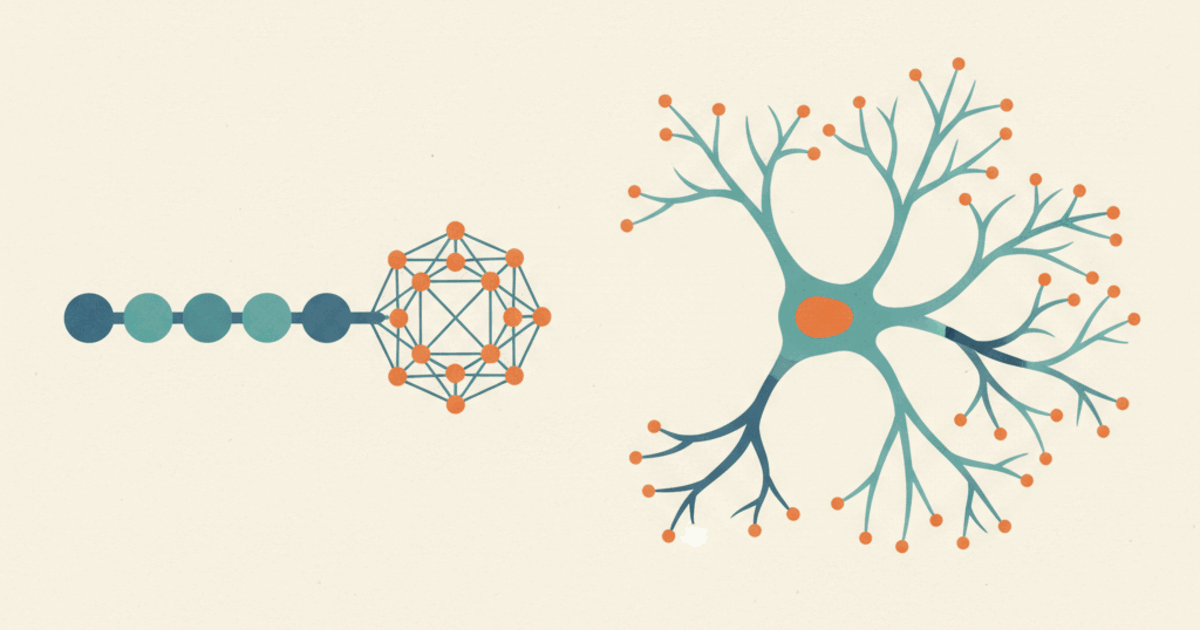
P021 是一种合成的拟肽:大部分是肽,但不完全是。它的四个构件是普通氨基酸——天冬氨酸、甘氨酸、甘氨酸和亮氨酸。第五个是金刚烷甘氨酸,一种带着坚硬碳笼的实验室构件 [5], [6]。
这四个氨基酸不是凭空想出来的。它们照抄了人睫状神经营养因子(一种神经生长蛋白)的第 148 到 151 位,这一段在参考序列里读作 DGGL [13]。2010 年,纽约州斯塔滕岛一家研究所的团队最早描述了这个分子 [14]。
名字陷阱:P021 不是蛋白 p21
这一点放在最前面说,是因为几乎每一次搜索“p21”都会落到错的地方。在细胞生物学里,p21 指的是细胞周期蛋白依赖性激酶抑制因子 1。那是一种由 CDKN1A 基因编码、164 个氨基酸的人体蛋白,别名还有 CIP1、WAF1 和 SDI1 [4]。
那种蛋白让细胞停止分裂,是 p53 反应和细胞衰老研究里的核心角色。它和本页这种物质没有共同的序列、共同的机制,也没有共同的功能 [4], [5]。
这次撞名纯粹是编号上的巧合。那种蛋白得名于它约 21 千道尔顿的分子量,而这种肽带的是实验室内部的化合物编号。写在那种蛋白名下的一切,在这里都不适用:既不是让细胞停止分裂,也不是细胞衰老,更不是抑制肿瘤。
为什么写法会误导人
论文常把这个分子缩写成 Ac-DGGLAG-NH2,让人读成六个氨基酸:D-G-G-L-A-G。研发团队自己把这种物质叫作“tetra-peptide”(四肽),并写道“admantylated glycine was added to its C-terminal”(在它的 C 端加上了金刚烷化的甘氨酸)[6]。
准确的写法是 Ac-DGGL-Ag-NH2 和 Ac-DGGL(A)G-NH2 [15]。化学数据库的记录也印证了这一点:亮氨酸那一端连着一个带氨基甲酰基的金刚烷笼 [5]。
基本信息
| 项目 | 内容 | 来源 |
|---|---|---|
| 肽链 | 天冬氨酸-甘氨酸-甘氨酸-亮氨酸,前端乙酰化,后端接金刚烷甘氨酸 | [6], [5] |
| 写法 | Ac-DGGL-Ag-NH2,也写作 Ac-DGGL(A)G-NH2 | [6], [15] |
| 分子式与分子量 | C27H42N6O8,578.7 g/mol | [5] |
| 结构标识 | InChIKey LUJZBZPLIRWWGJ-ZKHAZHQOSA-N | [5] |
| 登记号 | CAS 1246751-68-7 | [5] |
| 化学数据库记录 | PubChem CID 56599151,UNII VV8CZC8PAS | [5] |
| 照抄自 | 人睫状神经营养因子第 148 到 151 位 | [13] |
| 直接前体 | 肽 6,未经修饰的 11 个单元的链 VGDGGLFEKKL | [13], [16] |
| 人工整理的化学条目 | 没有 DrugBank 条目,也找不到 Wikidata 条目 | [3], [17] |
| 通用名 | 没有。既没有国际非专利药名,也没有 ATC 编码 | [18] |
| 在体内维持多久 | 小鼠血浆里超过三小时;没有人体数据 | [18] |
| 登记在案的人体研究 | 没有,任何阶段都没有 | [1], [2], [3] |
| 研发阶段 | 临床前,公司宣称在做准备工作 | [19] |
| 最初的团队 | 纽约州基础研究所,斯塔滕岛 | [14] |
它是怎么起作用的
下面讲的是一种设想,不是已经确立的机制。每一步都建立在细胞培养和啮齿动物上,而且几乎全部来自同一个实验室 [20]。
- 松开新生神经细胞的刹车。 白血病抑制因子是一种信号蛋白,会压制神经前体细胞的生成。设想中 P021 会和它竞争。在细胞培养里,它把这种因子触发的信号压低了约 30%,衡量的指标是 STAT3 磷酸化 [14], [16]。
- 提高 BDNF。 脑源性神经营养因子是一种信号蛋白,帮助神经细胞存活并建立连接。在最初那个团队的多项实验里,用药啮齿动物体内的这种蛋白升高了 [21], [22]。
- 关掉一种 tau 激酶。 设想中,通过 BDNF 及其受体通路,GSK-3β 这种酶会因为第 9 位丝氨酸上挂了一个磷酸基而失活。tau 蛋白平时负责稳住神经细胞内部的支架,磷酸基挂得太多就会结块,而给 tau 挂磷酸基的主力正是这种酶 [22], [20]。
- 进入大脑。 加上金刚烷笼,是为了提高脂溶性,并挡住那些专门剪掉肽末端的酶 [6]。至于真正到达大脑的有多少,从来没有被直接测过,2025 年那份独立分析把入脑情况记为没有记录 [3]。
有两点比这张示意图更要紧。在活体动物身上检验这条链的独立团队完全没有看到 BDNF 升高,这等于在第二步就断了 [7]。
而且不能拿母体蛋白来类推。完整的睫状神经营养因子会压住食欲,在人身上也失败了;P021 之所以被造出来,正是因为那种蛋白当不了药 [23], [18]。
研究发现了什么
全部记录就是啮齿动物、细胞培养和一组影像学研究。2026 年 9 月 16 日在 PubMed 上检索这个词,得到 45 条记录,其中 26 条和这种物质有关,没有一条涉及人 [1], [3]。
用到的动物大多是经过基因改造的小鼠品系,被培育出人类某种疾病的部分表现。说明一个品系模拟的是什么,只是在交代这个实验研究的对象。它不说明这种物质对谁有帮助,下面的每一个结果也都没有在人身上验证过。
tau 磷酸化
动物数据 这是重复得最稳定的结果。实验动物是 3xTg-AD 小鼠,这个品系携带三个与阿尔茨海默病相关的插入基因变体,被用作该病的实验室模型。在这些小鼠身上,把药掺在饲料里喂 12 个月,常规检测位点上的磷酸化 tau 下降了。脑内的总 tau 没有变化 [15]。
从三月龄开始给药、最长持续 18 个月时,tau 磷酸化下降了约 50% [3], [24]。用灌胃方式给药 88 天的老年 Fisher 大鼠,海马里的总 tau 下降了,皮层里没有。脑脊液里的 tau 降到了年轻动物的水平 [25]。
淀粉样蛋白
动物数据 结果弱得多,而且部分互相抵消。β-淀粉样蛋白是形成沉积(也就是斑块)的那种蛋白片段,这些小鼠正是被培育来长出这种斑块的。从九月龄到十月龄开始给药时,仍处于溶解状态的 Aβ40 和 Aβ42 在第 6 个月显著下降,到第 12 个月这个差别就没有了 [15]。不溶的聚集态 Aβ 在任何一个时间点都没有变化 [15]。
早期就开始给药时,18 个月后 CA1 区的斑块负荷低了约 20%,下托区低了约 40% [9], [3]。
存活率与一般状况
动物数据 整个文献里最大的单一效应和认知无关。
3xTg-AD 小鼠是用来模拟阿尔茨海默病的品系,从三月龄起按每克饲料 60 nmol 喂养,最长 18 个月,两组分别是 34 只和 32 只。2025 年那份独立分析记录这一差异具有统计学意义,但没有给出检验值。后肢轻瘫在 34 只对照动物里出现 5 例,在 32 只用药动物里出现 1 例。来源 [9], [3]。
一同报告的还有:后肢轻瘫的病例更少,没有肿瘤,连续 18 个月给药也没有体重下降 [9]。
什么地方没起作用
动物数据 博洛尼亚的团队用的是敲除了 Cdkl5 基因的小鼠,这是 CDKL5 缺陷症的模型,那是一种发生在幼儿期的严重癫痫。动物从出生后第 21 天到第 90 天吃每克 60 nmol 的饲料。两项记忆测试、社交行为、运动表现和体重全都没有变化。只有强直性昏厥测试里的肌肉僵硬有所改善 [7]。
在同一项工作里,细胞实验是成功的:增殖、存活和成熟都恢复了。活体动物没有跟上,BDNF 也没有升高 [7]。
哪些结果比看上去单薄
动物数据 正面文献内部有两处保留值得点名。在 2014 年那项 12 个月的实验里,探测试验中的优势只到了不显著的趋势 [15]。
在 2021 年的一项实验里,逃避潜伏期和穿越平台的次数都没有变化;唯一有显著差异的指标是待在目标象限里的时间 [26], [3]。
体重
动物数据 用药小鼠体重不降反升,进食量没有变化 [15]。这和母体蛋白正好相反。
那种蛋白的一个衍生物曾在人身上试过减重,它和本页这个分子不是一回事。在 12 周里,30% 的参与者体重下降了至少 5%,平均减掉 4.0 kg。那个项目在第三阶段被叫停,原因是出现了脑外的副作用和中和抗体 [3]。
视网膜实验
动物数据 老年大鼠接受了三个月的治疗,小鼠是 18 个月。视网膜上几种与年龄有关的变化变轻了,其中包括感光细胞丢失和布鲁赫膜增厚。作者形容这些变化像是年龄相关性黄斑变性 [27]。
模型的局限很严重。啮齿动物既没有黄斑也没有中央凹,而且视力和视网膜电图都没有测 [27], [3]。
还不知道的事
- 这一切能不能搬到人身上。没有人体研究,没有人体药代动力学,也没有剂量探索工作 [1], [3]。
- 有多少物质真正进了大脑,任何物种都没有数据。整个设计思路的核心论点从来没有被直接测量过 [3]。
- 这套机制在最初那个实验室之外是否成立。唯一一次外部的活体检验给出了相反的结果 [7]。
- 有没有致癌风险。没有按监管标准做的致癌性研究发表过,尽管 18 个月的小鼠实验报告没有出现肿瘤 [9]。
- 注射液会带来什么。几乎全部记录都是口服 [18]。
副作用与安全性
关于在人身上的安全性一无所知,而这和记录干净不是一回事。从来没有人在使用这种物质的状态下被研究过,所以也不可能记录到任何不良反应 [3]。
在动物身上观察到的
- 18 个月里没有看到明显的伤害。 从第 3 个月给药到第 21 个月的小鼠,论文报告没有体重下降、没有肿瘤,也没有疼痛的迹象 [9]。
- 一般状况没有变化。 在 6 到 12 个月的给药期里,毛发、姿势、抓握反射、体温以及高架十字迷宫里的焦虑行为都没有变化 [15]。
- 大鼠身上测不到免疫反应。 那项 88 天灌胃研究的作者明确写了这一点 [25]。
- 体重是增加而不是下降,这一点把这个分子和它的母体蛋白区分开了 [15]。
缺的东西
- 没有任何人体暴露数据,也没有人体药代动力学 [3]。
- 没有按监管标准发表过致癌性或生殖毒性试验。
- 没有人体的免疫原性数据。2023 年的一篇综述把针对这种物质产生抗体列为可能的不良事件,同时指出到目前为止还没有见到 [28]。
- 没有发表过与其他物质相互作用的研究 [3]。
- 没有确定的禁忌症,因为既没有批准,也没有产品说明书和人体数据。
有一条关于安全性的说法需要贴上标签。企业声明 · 持有许可的公司在 2023 年 8 月称,这种物质“is very safe, even up to 550-fold the therapeutic dose, and has no off-target activity”(非常安全,即使到治疗剂量的 550 倍也是如此,而且没有脱靶活性)[19]。这是一段没有经过同行评议、也拿不到数据的说法,而“治疗剂量”这个说法本身是循环的,因为根本不存在人用剂量。
关于母体蛋白的一点说明,只作背景,不是本页的结论。在一项人体试验里,皮下给予睫状神经营养因子引起了食欲丧失、肌肉萎缩、痛觉增强、严重痉挛、恶心和发热,而且没有带来好处 [3], [23]。这些反应在动物身上使用 P021 时没有出现。
作为研究用途出售的西林瓶不在任何药品质量体系下生产,所以无菌性、内毒素含量和实际装的是什么都不清楚 [29]。注射非无菌的材料会带来通常的那些风险:脓肿、静脉发炎和血源性感染。
研究中使用的剂量
以下剂量出自所引用的研究,仅作为科学参考列出。它们不构成任何推荐,也不能套用到人体使用上。这里写下的只是已发表文献里的参数,不是任何剂量或用法上的指导。
下面的每一行都是动物实验。有两点让这些数字没法搬用。大多数是饲料里的浓度,单位是每克多少纳摩尔,实际吃进去多少取决于那只动物吃了多少。而且给药途径几乎总是口服 [18]。
| 研究 | 模型 | 用量 | 给药途径 | 持续时间 | 来源 |
|---|---|---|---|---|---|
| Li 2010,首次描述 | 8 到 10 月龄的成年 C57Bl/6 小鼠 | 每天 25 nmol | 皮下埋植缓释小丸 | 35 天 | [14], [3] |
| Kazim 2014 | 3xTg-AD 小鼠,阿尔茨海默病模型,从 9 到 10 月龄开始 | 每克饲料 60 nmol | 口服,掺在特制饲料里 | 12 个月 | [15] |
| Baazaoui 2017 | 3xTg-AD 小鼠,从 3 月龄开始 | 每克饲料 60 nmol | 口服,掺在饲料里 | 最长 18 个月 | [24], [9] |
| Kazim 2017 | Ts65Dn 小鼠,唐氏综合征模型 | 每克饲料 200 nmol | 口服,掺在饲料里 | 妊娠第 8 天至出生后第 21 天 | [21] |
| Wei 2020 | 3xTg-AD 小鼠,给母鼠用药 | 每克饲料 60 nmol | 口服,掺在母鼠的饲料里 | 产前第 8 天至出生后第 21 天 | [30] |
| Wei 2021 | 3xTg-AD 小鼠,从出生开始 | 摘要里没有写明 | 口服,掺在饲料里 | 出生至出生后第 120 天 | [26] |
| Bolognin 2014、Khatoon 2015 | 19 到 24 月龄的老年 Fisher 大鼠 | 每公斤每天 500 nmol,即每公斤 289.15 µg | 灌胃,每公斤用 10 ml 生理盐水 | 88 天 | [22], [25] |
| Liu 2019,视网膜 | 3xTg-AD 小鼠与老年大鼠 | 每克饲料 60 nmol;每公斤每天 500 nmol | 饲料;灌胃 | 18 个月;3 个月 | [27] |
| Mottolese 2024 | Cdkl5 敲除小鼠,CDKL5 缺陷症模型 | 每克饲料 60 nmol | 口服,掺在饲料里 | 出生后第 21 天至第 90 天 | [7] |
不存在人用剂量。2025 年那份独立分析写得很直白:“Dosage for human use has not been established”(人用剂量尚未确立)[3]。
在交易描述里流传的数字和这张表也对不上。它们写的是每天 50 到 100 nmol,给药方式是皮下注射、打进腹腔或者鼻腔给药 [11], [12]。其中 50 nmol 这个数字来自一项用前体肽做的颅脑损伤实验,不是用 P021 做的 [31]。
研发与监管状态
十六年的动物实验,没有一项人体试验
- 2009-2011 年前体被描述出来肽 6,取自母体蛋白第 146 到 156 位、未经修饰的 11 个单元的链
- 2010 年分子本身首次被描述当时叫 P21;加上金刚烷是为了扛住酶并进入大脑
- 2014 年关键的啮齿动物实验口服给药 12 个月;tau 磷酸化下降,不溶的淀粉样蛋白没有变化
- 2017 年早期给药的长期系列实验第 71 周的存活率为 87% 对 41%,两组分别是 32 只和 34 只
- 2023-08持有许可的公司宣布在做准备工作未经同行评议的企业声明,内容是生产以及为监管申报所做的研究
- 2024 年唯一一次独立的活体动物检验失败BDNF 没有升高,脑结构没有改善,行为也没有变化
- 2026 年影像学系列研究在公共经费下继续一项为期四年的美国资助项目,运行时间是 2023 到 2026 年
- 2026 年 9 月 16 日查询各登记库任何地方都没有批准,没有登记在案的人体研究,没有通用名,也没有产品
世界上任何地方都没有获批的产品。任何登记库里,在任何时间,也都没有登记过一项人体试验 [1], [2]。
持有许可的公司握有在全球开发这种物质的权利。最初那个团队的负责人是这家公司的联合创始人兼首席科学官,也是相关专利的共同发明人 [8]。2023 年 8 月,公司称已经生产了三个批次并完成急性毒理学研究,正在转入生产和监管申报方面的工作 [19]。
三年过去了,仍然没有登记在案的研究。这类申报材料本来就不公开,所以公众看不到它们,这件事本身说明不了什么 [19]。查询时,公司的产品线页面上没有任何阶段信息 [32]。
| 市场 | 状态 | 说明 | 来源 |
|---|---|---|---|
| 美国 | 未获批 | 没有产品记录,没有说明书,两份药房配制清单上也都没有 | [33], [34], [35] |
| 欧盟 | 未获批 | 没有上市许可,也没有登记在案的试验 | [2] |
| 德国 | 未获批 | 未获批准的药物;反兴奋剂法附录里没有点名 | [36] |
| 英国 | 未获批 | 没有产品;这个结论来自其他登记库,不是直接查询得到的 | [18] |
| 澳大利亚 | 未获批 | 毒物标准里没有它,而这并不等于许可 | [37] |
| 加拿大 | 未获批 | 药品数据库查不到任何条目,对照查询正常返回 | [38] |
| 瑞士 | 未获批 | 没有上市许可;2026 年的一次海关行动把肽类作为一个类别来处理 | [39] |
有两行需要当心。英国那一行是本页最弱的一条,因为产品数据库没法直接查询,结论是从其他所有登记库推出来的 [18]。
美国那一行的含义不止是“没有”。这种物质甚至从来没有被提名进入药房配制的原料清单,所以在那里没有任何合法途径为人配制它 [34], [35]。
公共资金仍然在流向动物研究。一项美国资助项目在 2023 到 2026 年间提供了四个资助年度,支持某个大学团队的影像学系列研究 [40]。专利由最初那家研究所背后的研究基金会持有,发明人是该团队的负责人和他已故的同事 [41]。
这一领域有一篇论文被撤稿了。它在 2011 年把前体肽和另一种制剂做了比较,并不是上面证据所依赖的研究之一 [42]。撤稿的原因在这里没有查证。
所有登记库都是在 2026 年 9 月 16 日查询的。
反兴奋剂
P021 在任何时候都被禁用,赛内赛外都算。2026 年禁用清单的 S0 类涵盖“any pharmacological substance which is not addressed by any of the subsequent sections of the List and with no current approval by any governmental regulatory health authority for human therapeutic use”(任何未被清单后续各节涵盖、且目前没有获得任何政府卫生主管部门批准用于人体治疗的药理物质)[10]。
清单上没有印这个名字。这不是漏洞:该条款把“drugs under pre-clinical or clinical development”(处于临床前或临床开发阶段的药物)作为例子写了进去,而这正好就是这种物质 [10]。
涉及生长因子的 S2.3 节不适用。它的兜底条款绑在对肌肉、肌腱、韧带、血管或纤维类型的作用上,而这里有记录的作用只限于大脑 [10]。
德国反兴奋剂法是逐条列举物质的,没有列这一种。所以它的刑事条款管不到这种物质,而体育上的禁用不受此影响 [36]。
没有找到任何已发表的样本检测方法 [1]。缺少常规检测方法不会改变禁用这件事。更多内容见体育比赛中被禁用的肽这篇概览。
与相关肽的比较
已发表的数值来自 CID 56599151 的化学记录。交易里约 1,100 Da 的数字,以及把它说成 11 个氨基酸链的描述,指向的都是前体肽;这条链的平均分子量是这里按序列算出来的,仅供比较。来源 [5], [11], [13]。
| 肽 | 与 P021 的关系 | 本页背后的核查发现了什么 |
|---|---|---|
| P021 | — | 四个氨基酸加一个金刚烷笼,578.7 g/mol;没有人体研究 [5], [1] |
| 肽 6 | 直接前体,未经修饰 | 11 个单元的链 VGDGGLFEKKL;好几项被大量引用的实验用的是它,不是 P021 [13], [16] |
| Dihexa | 另一个为进入大脑而设计的小分子 | 同样停在临床前,同样没有登记在案的人体研究 |
| 脑活素 | 同一目标领域里的一种蛋白制剂 | 在若干国家获批;2011 年那篇被撤稿的论文拿它和前体肽做过比较 [42] |
| 塞马克斯 | 来自另一种母体蛋白的短肽 | 俄罗斯有上市许可;监管处境完全不同 |
| 塞兰克 | 同一个俄罗斯系列里的短肽 | 和塞马克斯一样,属于国家批准的药物,而不是研究用分子 |
| 松果体肽 | 另一个系列里的极短肽 | 在俄罗斯以胶囊形式出售;没有可以相比的动物研究计划 |
这个比较不是在比强弱,因为这里面没有任何两种在人身上做过头对头的对比。它只是说明 P021 所处的位置:孤零零的,背后是基本出自一个团队的大量啮齿动物文献,再往外就什么都没有了。
最要紧的是第二行。作为 P021 的证据在流传的东西,有相当一部分其实是用前体肽做出来的。那是另一个分子,分子量不同,在体内的表现也不同 [31], [16]。
常见误解
- “P021 就是大家常写的那个 p21。” 不是。那个 p21 是 CDKN1A 基因编码的、164 个氨基酸的人体蛋白,作用是让细胞停止分裂 [4]。关于细胞衰老或抑制肿瘤的说法,没有一条能搬到这个分子上 [5]。
- “Ac-DGGLAG-NH2 表示六个氨基酸。” 不是。里面的 Ag 是一个构件,也就是金刚烷甘氨酸。最初的团队把这种物质称为四肽,化学结构上也能看到那个笼 [6], [5]。
- “肽 6 的研究就是 P021 的研究。” 不是。前体本身的首次描述、颅脑损伤的工作、在阿尔茨海默模型小鼠身上的早期实验以及大鼠血清实验,用的都是那条 11 个单元的链,不是 P021 [16], [31], [43], [44]。把它们算进来,会让看上去的证据量差不多翻一倍。
- “它是母体蛋白的一种形式。” 不是。它只抄了 200 个位点里的四个,而且正是因为完整的蛋白失败了才被设计出来——那种蛋白半衰期只有 2.9 分钟,在人身上反应严重 [23], [18]。美国确实有一种那种蛋白的获批制剂,形式是植入式细胞疗法,和这个分子没有关系 [3]。
- “能口服就等于在人身上得到了证明。” 不是。有记录的是它在模拟胃液和肠液里的稳定性:30 分钟后超过 90%,两小时后 100%,两者都在 37 摄氏度下测得。啮齿动物对口服给药也有反应 [18]。至于人的生物利用度,从来没有测过。
- “动物模型叫什么名字,就说明它对那种病有效。” 不是。3xTg-AD 小鼠携带与阿尔茨海默病相关的插入基因变体,Ts65Dn 小鼠携带多出来的遗传物质,用来模拟唐氏综合征。两者都是改造出来的实验室品系,不是缩小版的人。说明一个品系模拟什么,只是在描述这个实验,别的什么都不说明。人体研究一项都不存在,所以这里没有任何内容能表明它对人身上的这些疾病有作用 [1], [3]。
- “标着 P21 的西林瓶里装的就是 P021。” 没法证明。有一个交易页面不给序列,只写了 500 到 700 Da 的分子量范围;两个数据库给出的数字对应的是前体 [29], [11], [12]。
常见问题
P021 和蛋白 p21 是同一种东西吗?
不是,而这正是关于它最常见的错误。在生物学里,p21 几乎总是指细胞周期蛋白依赖性激酶抑制因子 1,一种由 CDKN1A 基因编码、164 个氨基酸的人体蛋白。P021 是分子量 578.7 g/mol 的合成分子,由另一种蛋白的四个氨基酸拼成。名字撞车只是编号上的巧合。
P021 到底是由什么组成的?
四个连在一起的氨基酸:天冬氨酸、甘氨酸、甘氨酸和亮氨酸,前端接乙酰基,后端接金刚烷笼。它写作 Ac-DGGL-Ag-NH2。简写 Ac-DGGLAG-NH2 经常被误读成六个氨基酸,但其中的 Ag 指的是金刚烷甘氨酸,是一个非天然的构件。
P021 在人身上试过吗?
没有,任何阶段、任何国家都没有。2026 年 9 月 16 日,美国试验登记库里以 P021 作为干预措施的记录是 0 条,而作为对照的司美格鲁肽有 755 条。欧洲登记库返回的是一句“查询没有匹配到任何临床试验”。2025 年的一份独立分析把临床试验一栏记为“没有”。
P021 的动物研究得出了什么结果?
磷酸化 tau 下降、BDNF 升高、小鼠和大鼠的迷宫表现变好,而这些几乎全部来自同一个实验室。最醒目的单个数字是一项长期实验里的存活率:第 71 周时用药动物有 87% 存活,对照组是 41%。淀粉样蛋白方面的结果要弱得多,而且随时间部分消失。
有国家批准 P021 作为药物上市吗?
没有,任何地方、任何适应症都没有。美国、欧盟、德国、英国、澳大利亚、加拿大和瑞士都没有上市许可。它既没有国际非专利药名,也没有 ATC 编码,更没有任何在售的药品。
为什么 P021 的独立研究失败了?
博洛尼亚的一个团队用敲除了 Cdkl5 基因的小鼠做了检验,这是 CDKL5 缺陷症的实验室模型。这是外部实验室在活体动物身上做过的唯一一次公开尝试。细胞实验成功了,但长期给药没能提高 BDNF,也没有改善脑结构。记忆、社交行为和运动测试都没有变化。只有一项测试里的肌肉僵硬有所改善。
P021 有哪些副作用?
不知道,因为从来没有人在使用它的状态下被研究过。在给药最长 18 个月的小鼠身上,论文报告没有体重下降、没有肿瘤,一般状况也没有变化。没有发表过致癌性试验,没有人体药代动力学,也没有人体的免疫原性数据。
在已发表的研究里,P021 是怎么给药的?
几乎总是口服:掺进特制饲料里,或者用灌胃的方式给。唯一的例外是 2010 年的首次描述,用的是皮下埋植的缓释小丸。把冻干粉复溶后注射,和这种物质已发表的任何一个实验都对不上。
P021 在体育比赛中被禁用吗?
是,任何时候都禁,赛内赛外都算。2026 年禁用清单的 S0 类涵盖任何没有被卫生主管部门批准用于人体治疗的类药物质,并且明确点到了处于临床前阶段的候选物。清单上没有印 P021 这个名字,而这种缺席不是漏洞。
买家能分辨标着 P21 的西林瓶里装的是不是 P021 吗?
从公开的产品信息里分辨不出来。有一个交易页面不给序列,只写了 500 到 700 Da 的分子量范围。一个数据库声称约 1,100 Da,差不多是真实数值的两倍,另一个把它说成 11 个氨基酸的链。这两处错误对应的都是前体肽,而不是 P021。
来源
- ClinicalTrials.gov, API v2. Query on 16 September 2026: intervention "P021" with count, total count 0. Control query intervention "semaglutide" returns 755 studies. A free-text query for "P021" returns five unrelated studies whose internal study numbers happen to contain the string. A PubMed search on the same day returned 45 records for the term, 26 of them about this substance, and none on detection in doping analysis. https://clinicaltrials.gov/api/v2/studies
- EU Clinical Trials Register, search "P021", retrieved 16 September 2026. Returned the words "Query did not match any clinical trials" and "Query did not match any studies". https://www.clinicaltrialsregister.eu/ctr-search/search?query=P021
- Alzheimer's Drug Discovery Foundation. Cognitive Vitality Report, P021, state of 12 May 2025. PDF read 16 September 2026. Records "Clinical trials: none", "Availability: not available", "Safety in humans has not been assessed", "Dosage for human use has not been established", "BBB: not documented" and a check of DrugBank returning zero. https://www.alzdiscovery.org/uploads/cognitive_vitality_media/P021.pdf
- UniProtKB P38936. Cyclin-dependent kinase inhibitor 1, gene CDKN1A, alternative name p21, synonyms CIP1, WAF1, SDI1, CAP20, MDA6, PIC1; 164 amino acids. REST API, retrieved 16 September 2026. https://rest.uniprot.org/uniprotkb/P38936.json
- PubChem, compound CID 56599151. C27H42N6O8, 578.7 g/mol, InChIKey LUJZBZPLIRWWGJ-ZKHAZHQOSA-N, CAS 1246751-68-7, UNII VV8CZC8PAS; synonym list including "P-21 nootropic peptide". PUG-REST, retrieved 16 September 2026. https://pubchem.ncbi.nlm.nih.gov/compound/56599151
- Baazaoui N, Iqbal K (2017). Prevention of dendritic and synaptic deficits and cognitive impairment with a neurotrophic compound. Alzheimers Res Ther 9(1):45. PMID 28655344. DOI 10.1186/s13195-017-0273-7. Contains the clearest description of the modification: "Admantylated glycine was added to its C-terminal to increase its blood-brain barrier permeability and decrease its degradation by exopeptidases."
- Mottolese N, Loi M, Trazzi S, Tassinari M, Uguagliati B, Candini G, Iqbal K, Medici G, Ciani E (2024). Effects of a ciliary neurotrophic factor (CNTF) small-molecule peptide mimetic in an in vitro and in vivo model of CDKL5 deficiency disorder. J Neurodev Disord 16(1):65. PMID 39592934. DOI 10.1186/s11689-024-09583-4. The only published in-vivo test by a largely independent group: "chronic in vivo P021 treatment failed to increase BDNF levels and did not improve neuroanatomical defects in Cdkl5 KO mice, resulting in limited behavioral benefit."
- Falangola MF, Voltin J, Cole M, Nietert PJ, Liu F, Iqbal K, Jensen JH (2026). Magn Reson Imaging 129:110641. PMID 41740658. DOI 10.1016/j.mri.2026.110641. Its declaration of interest states: "KI has several US patents on the treatment of different neurodegenerative disorders with Peptide P021 and its precursor peptide and derivatives and is co-founder and Chief Scientific Officer of Phanes Biotech, Inc. which has a worldwide license to develop it as a therapeutic drug." A corrigendum to this paper appeared in 2026, Magn Reson Imaging 130:110677, PMID 41945082.
- Baazaoui N, Iqbal K (2017). Prevention of Amyloid-β and Tau Pathologies, Associated Neurodegeneration, and Cognitive Deficit by Early Treatment with a Neurotrophic Compound. J Alzheimers Dis 58(1):215-230. PMID 28387677. DOI 10.3233/JAD-170075. Source of the survival figures, 41 per cent against 87 per cent at week 71 in 34 and 32 animals, of the hindlimb paresis counts and of the plaque load reductions.
- World Anti-Doping Agency. World Anti-Doping Code International Standard Prohibited List 2026, in force 1 January 2026. Local full text searched 16 September 2026 for "P021", "P-21", "adamant", "ciliary", "CNTF" and "neurotroph": no match. Section S0 quoted, including the wording "drugs under pre-clinical or clinical development or discontinued". Section S2.3 read in full and found not to apply. Controls present in the same text: BPC-157 in S0, thymosin-β4 and TB-500 in S2.3.
- peptide-db.com, entry for "p21", read 16 September 2026, cited only as evidence of what circulates in trade descriptions. States a molecular weight of about 1,100 Da, gives no sequence, names administration under the skin or into the abdomen, and does not mention the collision with the protein p21.
- peptidelist.org, entry for "p21", read 16 September 2026, cited only as evidence of what circulates in trade descriptions. Describes the substance as an "11-amino-acid sequence corresponding to a biologically active region of CNTF (residues 148-151 with an adamantane modification)", which is self-contradictory, and names 50 to 100 nmol per day with injection under the skin or into the nose.
- UniProtKB P26441. Ciliary neurotrophic factor, human, 200 amino acids. REST API, retrieved 16 September 2026; positions 146 to 156 cut out programmatically give VGDGGLFEKKL and positions 148 to 151 give DGGL. The average mass of the 11-part chain, about 1,162 Da, was calculated here from residue masses for comparison only. https://rest.uniprot.org/uniprotkb/P26441.json
- Li B, Wanka L, Blanchard J, Liu F, Chohan MO, Iqbal K, Grundke-Iqbal I (2010). Neurotrophic peptides incorporating adamantane improve learning and memory, promote neurogenesis and synaptic plasticity in mice. FEBS Lett 584(15):3359-3365. PMID 20600002. DOI 10.1016/j.febslet.2010.06.025. First description, under the name P21, with the short form Ac-DGGLAG-NH2.
- Kazim SF, Blanchard J, Dai CL, Tung YC, LaFerla FM, Iqbal IG, Iqbal K (2014). Disease modifying effect of chronic oral treatment with a neurotrophic peptidergic compound in a triple transgenic mouse model of Alzheimer's disease. Neurobiol Dis 71:110-130. PMID 25046994. DOI 10.1016/j.nbd.2014.07.001. Writes the substance as "P021 (Ac-DGGL(A)G-NH2)". Source of the tau, amyloid, body weight and general condition findings and of the non-significant probe trial.
- Chohan MO, Li B, Blanchard J, Tung YC, Heaney AT, Rabe A, Iqbal K, Grundke-Iqbal I (2011). Enhancement of dentate gyrus neurogenesis, dendritic and synaptic plasticity and memory by a neurotrophic peptide. Neurobiol Aging 32(8):1420-1434. PMID 19767127. DOI 10.1016/j.neurobiolaging.2009.08.008. First description of the precursor peptide and of the competitive mechanism at the leukaemia inhibitory factor pathway.
- Wikidata, negative finding, 16 September 2026. A search for "P021 peptide" returns an empty result array, and a SPARQL query on CAS number 1246751-68-7 returns no bindings. The substance is not recorded there.
- Kazim SF, Iqbal K (2016). Neurotrophic factor small-molecule mimetics mediated neuroregeneration and synaptic repair: emerging therapeutic modality for Alzheimer's disease. Mol Neurodegener 11(1):50. PMID 27400746. DOI 10.1186/s13024-016-0119-y. Review by the originating group. Source of the plasma half-life above three hours in the mouse, of the stability figures in simulated gastric and intestinal fluid, and of the 2.9-minute half-life of the parent protein. The absence of an international non-proprietary name and of an ATC code follows from the absence of any authorisation; the British finding is derived from the other registers, because the product database there renders its results only after running scripts and was not evaluated.
- bio.news, article on the NIH Innovation Zone, 7 August 2023, read 16 September 2026. Source of the company statements on manufacture of three batches, acute toxicology, and work towards a regulatory filing, and of the claim that the substance "is very safe, even up to 550-fold the therapeutic dose, and has no off-target activity". Not peer reviewed. https://bio.news/health/phanes-biotech-nih-innovation-zone-boston-convention-alzheimers-dementia/
- Iqbal K (2024). Tau and Alzheimer's disease: past, present and future. Cytoskeleton (Hoboken) 81(1):116-121. PMID 38126608. DOI 10.1002/cm.21822. Carries the same declaration of interest regarding the licensee.
- Kazim SF, Blanchard J, Bianchi R, Iqbal K (2017). Early neurotrophic pharmacotherapy rescues developmental delay and Alzheimer's-like memory deficits in the Ts65Dn mouse model of Down syndrome. Sci Rep 7:45561. PMID 28368015. DOI 10.1038/srep45561. Source of the 200 nmol per gram figure and of the roughly doubled BDNF in that strain.
- Bolognin S, Buffelli M, Puoliväli J, Iqbal K (2014). Rescue of cognitive-aging by administration of a neurogenic and/or neurotrophic compound. Neurobiol Aging 35(9):2134-2146. PMID 24702821. DOI 10.1016/j.neurobiolaging.2014.02.017.
- Blanchard J, Chohan MO, Li B, Liu F, Iqbal K, Grundke-Iqbal I (2010). Beneficial effect of a CNTF tetrapeptide on adult hippocampal neurogenesis, neuronal plasticity, and spatial memory in mice. J Alzheimers Dis 21(4):1185-1195. PMID 20952820. DOI 10.3233/JAD-2010-1000069. Describes the precursor tetrapeptide GDDL and the adverse effect profile of the full parent protein in people.
- Baazaoui N, Iqbal K (2018). A Novel Therapeutic Approach to Treat Alzheimer's Disease by Neurotrophic Support During the Period of Synaptic Compensation. J Alzheimers Dis 62(3):1211-1218. PMID 29562539. DOI 10.3233/JAD-170839.
- Khatoon S, Chalbot S, Bolognin S, Puoliväli J, Iqbal K (2015). Elevated Tau Level in Aged Rat Cerebrospinal Fluid Reduced by Treatment with a Neurotrophic Compound. J Alzheimers Dis 47(3):557-564. PMID 26401692. DOI 10.3233/JAD-142799. Source of the 88-day gavage findings, of the unchanged Aβ signal in spinal fluid and of the absence of a detectable immune reaction in rats.
- Wei W, Liu Y, Dai CL, Baazaoui N, Tung YC, Liu F, Iqbal K (2021). Neurotrophic Treatment Initiated During Early Postnatal Development Prevents the Alzheimer-Like Behavior and Synaptic Dysfunction. J Alzheimers Dis 82(2):631-646. PMID 34057082. DOI 10.3233/JAD-201599. The abstract does not state the amount used; the figure from the preceding paper by the same group is not carried over here.
- Liu Y, Wei W, Baazaoui N, Liu F, Iqbal K (2019). Inhibition of AMD-Like Pathology With a Neurotrophic Compound in Aged Rats and 3xTg-AD Mice. Front Aging Neurosci 11:309. PMID 31803044. DOI 10.3389/fnagi.2019.00309.
- Lozupone M, Dibello V, Sardone R, et al. (2023). The development of peptide- and oligonucleotide-based drugs to prevent the formation of abnormal tau in tauopathies. Expert Opin Drug Discov 18(5):515-526. PMID 37042028. DOI 10.1080/17460441.2023.2200245. Outside review; names antibody formation against the substance as a possible unwanted event.
- vpeptide.com, product page for "P21 (P021)", read 16 September 2026, cited only as evidence of what is offered in trade. A 10 mg freeze-dried vial for buyer reconstitution, no sequence given, molecular weight stated only as a range of 500 to 700 Da with the note to verify the exact form against the batch certificate, labelled "intended for laboratory research use only. Not for human or veterinary use."
- Wei W, Wang Y, Liu Y, Dai CL, Tung YC, Liu F, Iqbal K (2020). Prenatal to early postnatal neurotrophic treatment prevents Alzheimer-like behavior and pathology in mice. Alzheimers Res Ther 12(1):102. PMID 32854771. DOI 10.1186/s13195-020-00666-7.
- Chohan MO, Bragina O, Kazim SF, Statom G, Baazaoui N, Bragin D, Iqbal K, Nemoto E, Yonas H (2015). Enhancement of neurogenesis and memory by a neurotrophic peptide in mild to moderate traumatic brain injury. Neurosurgery 76(2):201-214. PMID 25255260. DOI 10.1227/NEU.0000000000000577. Run with the precursor peptide at 50 nmol per day for 30 days, the figure that trade descriptions attribute to P021.
- Phanes Biotech, Inc., company profile on Synapse/PatSnap, read 16 September 2026. Lists P021 and a tau antibody as pipeline entries, with no phase data posted. https://synapse.patsnap.com/organization/8b3f331b7f87b21f7feaef40be84f45a
- openFDA, Drugs@FDA and label endpoints, retrieved 16 September 2026. A generic-name query for "P021" returns NOT_FOUND in both; a control query for semaglutide returns a record. DailyMed, drug names service v2, database state 15 September 2026: zero elements for "P021", two for the control. https://api.fda.gov/drug/drugsfda.json
- US Food and Drug Administration. Bulk Drug Substances Used in Compounding Under Section 503A of the Federal Food, Drug and Cosmetic Act, page state 14 May 2026, read 16 September 2026. Neither P021 nor P-21 nor the precursor peptide appears.
- US Food and Drug Administration. Certain Bulk Drug Substances for Use in Compounding that May Present Significant Safety Risks, read 16 September 2026. P021 does not appear, in the category 2 table or among withdrawn nominations. Controls found in the same document: ibutamoren mesylate, GHRP-2, GHRP-6, ipamorelin acetate, kisspeptin-10, BPC-157, CJC-1295, selank acetate, semax, thymosin alpha-1. A 2026 warning letter to a peptide seller was also read in full and does not name this substance; it states that "despite statements on your product labeling marketing your products 'for research use only' and 'not for human or veterinary use,' evidence obtained from your website establishes that your products are intended to be drugs for human use."
- German Anti-Doping Act, annex to section 2 paragraph 3, published as BGBl. 2023 I No. 67, full text read 16 September 2026. P021 and P-21 do not appear, and nor do the parent protein or adamantane compounds. Section II number 3 names only mecasermin, IGF-1 analogues, mechano growth factors and thymosin-β4 with TB-500. The closing sentence extends the listed substances to their salts, esters, ethers, isomers, complexes and derivatives, and creates no open similarity clause. Controls found in the same text: ipamorelin, TB-500, AICAR, somatropin. https://www.gesetze-im-internet.de/antidopg/anlage.html
- Therapeutic Goods (Poisons Standard—June 2026) Instrument 2026, Australia. Local full text searched 16 September 2026 for "P021", "P-21", "adamantan", "leucinamide" and the registry number: no match. Controls found in the same text: IPAMORELIN, THYMOSIN, SEMAGLUTIDE, GROWTH FACTOR. A direct query of the Australian register failed with a server error on the day of checking.
- Health Canada, Drug Product Database, active ingredient endpoint, retrieved 16 September 2026. A query for "P021" returns an empty array; the control query for semaglutide returns 49 records. https://health-products.canada.ca/api/drug/activeingredient/
- Swiss Federal Office for Customs and Border Security, with Swissmedic and Swiss Sport Integrity. Joint action "Peptide 2026", notice of 30 June 2026, read 16 September 2026. Of 46 shipments checked, 23 were held back, 21 classed as doping substances and 2 as medicines, with roughly 80 per cent arriving from Poland. States that declarations such as "research chemical" or "not for human use" change nothing where products are marketed for use in people. No individual peptide is named.
- NIH RePORTER, API v2, retrieved 16 September 2026. Project R01AG057602, four funded years 2023 to 2026, held at the Medical University of South Carolina. A full-text search of titles and abstracts for the substance returns the same four records and nothing else.
- United States patents 8,592,374, 8,796,214 (filed 12 November 2012, granted 5 August 2014), 8,796,215 and 9,327,011, all titled "Neurotrophic peptides", plus application US 2014/0357572 A1. Assignee: Research Foundation for Mental Hygiene, Inc.; inventors Khalid Iqbal and Inge Grundke-Iqbal. Numbers, titles, assignee and the claimed 11-part sequence were confirmed through register summaries and through the declarations of interest in the publications above; the patent full texts were not accessible on 16 September 2026, so the claim set itself was not read and the legal status was not verified.
- Rockenstein E, Ubhi K, Doppler E, Novak P, Moessler H, Li B, Blanchard J, Grundke-Iqbal I, Iqbal K, Mante M, Adame A, Crews L, Masliah E (2011). Regional comparison of the neurogenic effects of CNTF-derived peptides and cerebrolysin in AβPP transgenic mice. J Alzheimers Dis 27(4):743-752. PMID 21860085. DOI 10.3233/JAD-2011-110914. Recorded in PubMed as a retracted article, with the retraction noted as J Alzheimers Dis 2026;111(4):1893, DOI 10.1177/13872877261442048. The wording of that notice was not read, so the reason for the retraction is not established here. The paper concerns the precursor peptides, not P021.
- Blanchard J, Wanka L, Tung YC, Cárdenas-Aguayo MC, LaFerla FM, Iqbal K, Grundke-Iqbal I (2010). Pharmacologic reversal of neurogenic and neuroplastic abnormalities and cognitive impairments without affecting Aβ and tau pathologies in 3xTg-AD mice. Acta Neuropathol 120(5):605-621. PMID 20697724. DOI 10.1007/s00401-010-0734-6. Run with the precursor peptide.
- Kazim SF, Cárdenas-Aguayo MC, Arif M, Blanchard J, Fayyaz F, Grundke-Iqbal I, Iqbal K (2015). Sera from children with autism induce autistic features which can be rescued with a CNTF small peptide mimetic in rats. PLoS One 10(3):e0118627. PMID 25769033. DOI 10.1371/journal.pone.0118627. Run with the precursor peptide; discloses part funding by a pharmaceutical company and a provisional patent application.
引用本页
本页背后的登记库核查和文献检索都是在 2026 年 9 月 16 日做的。对于一种全部人体记录就是几条空登记结果的物质来说,这些检索返回空结果的日期本身就是结论的一部分。
myPeptides Research & Editing. (2026). P021(P21):研究结果、监管状态与安全性。版本 1.0,2026 年 9 月 16 日。myPeptides 肽类登记册。取自 https://mypep.app/peptides/p21
本登记册的页面如何编写和分级,见方法论;完整登记册见肽类总览。
| 版本 | 日期 | 变更 |
|---|---|---|
| 1.0 | 2026-09-16 | 首次发布 |
最后核对: 2026 年 9 月 16 日。下次复核: 出现任何登记在案的人体研究时、动物结果得到任何独立重复时,或反兴奋剂分类发生变化时。