
Pinealon: what the studies show, status and safety
Summary
Pinealon is a synthetic chain of three amino acids from a St Petersburg institute. The name points at the pineal gland, but the peptide comes from a brain cortex extract, and in pineal tissue culture it did nothing at all. No trial in people has ever been registered. The best animal study missed its main measurement, was beaten by a rival peptide and had to be formally corrected in 2025.
Key findings at a glance
- No registered trial, anywhere. The ClinicalTrials.gov registry returned nothing for Pinealon, for the free-text term and for the peptide code EDR on 10 September 2026 [1].
- Named after the wrong organ. In pineal tissue from rats the peptide changed neither the growth marker Ki-67 nor the cell-death marker AIF. Only a different peptide, Epitalon, stirred the pineal cells [2].
- The Alzheimer mouse study missed its main measurement. Signal transmission in the hippocampus showed no significant difference (p = 0.057), and the memory-relevant mushroom spines were unchanged (p = 0.053) [3].
- That study was formally corrected in 2025. The journal recorded "a mistake in Figures 5 and 8 as published. The mistake is that Figures 5 and 8 are the same, described differently" [4].
- The first independent animal test found nothing significant. A 2026 preprint gave five mice per group the peptide for eight weeks. A trend in a maze test stayed below significance [5].
- The one human report with laboratory values found the opposite of the marketing. In 32 older people the authors measured pro-oxidant activity and fewer CD34-positive blood-forming cells, a "significant inhibition of hemopoiesis" [6].
- The figure of 72 patients has no primary paper. It sits in the introduction of a review, which rests on a second review and on a patent held by the inventors [7], [8], [9].
- Banned in sport around the clock. Category S0 covers any drug-like substance no health authority has approved for people, and that catches Pinealon without naming it [10].
What it is
Pinealon is a laboratory-made peptide of three amino acids, glutamic acid, aspartic acid and arginine, written Glu-Asp-Arg or EDR. It carries the laboratory code T-33 and comes from the St Petersburg Institute of Bioregulation and Gerontology, the group around Vladimir Khavinson [11], [12].
Its starting material was not the pineal gland. The group describes EDR as a piece of Cortexin, a polypeptide preparation made from the cerebral cortex of calves. The Russian capsule likewise gives its contents as a peptide complex from brain cortex [11], [13], [14].
The words "bioregulator" and "cytogen" appear throughout that literature. They are house terms of the same institute. No pharmacopoeia and no regulator uses them, and they say nothing about approval, testing or effect [15].
Quick facts
| Field | Value | Ref |
|---|---|---|
| Chain | Glu-Asp-Arg, three amino acids | [16], [12] |
| Formula and mass | C15H26N6O8, 418.40 g/mol | [16] |
| Structure key | InChIKey QPRZKNOOOBWXSU-CIUDSAMLSA-N | [16] |
| Code in the literature | T-33, also written EDR | [12] |
| Chemical record | PubChem CID 10273502 | [16] |
| CAS registry number | 175175-23-2 | [16], [17] |
| Code with the American regulator | None | [18] |
| Classification code for medicines | None | [18] |
| Water-loving character | Calculated XLogP −6.1, polar surface 261 Ų | [16] |
| How long it lasts in the body | No published value, for any route | [19] |
| Registered studies in people | None | [1] |
| Approval status | Approved nowhere, for nothing | [18], [14] |
| Sold as | Capsules and drops in Russia, 20 mg vials of powder in the West | [14], [20] |
| Originating group | St Petersburg Institute of Bioregulation and Gerontology | [11] |
How it works
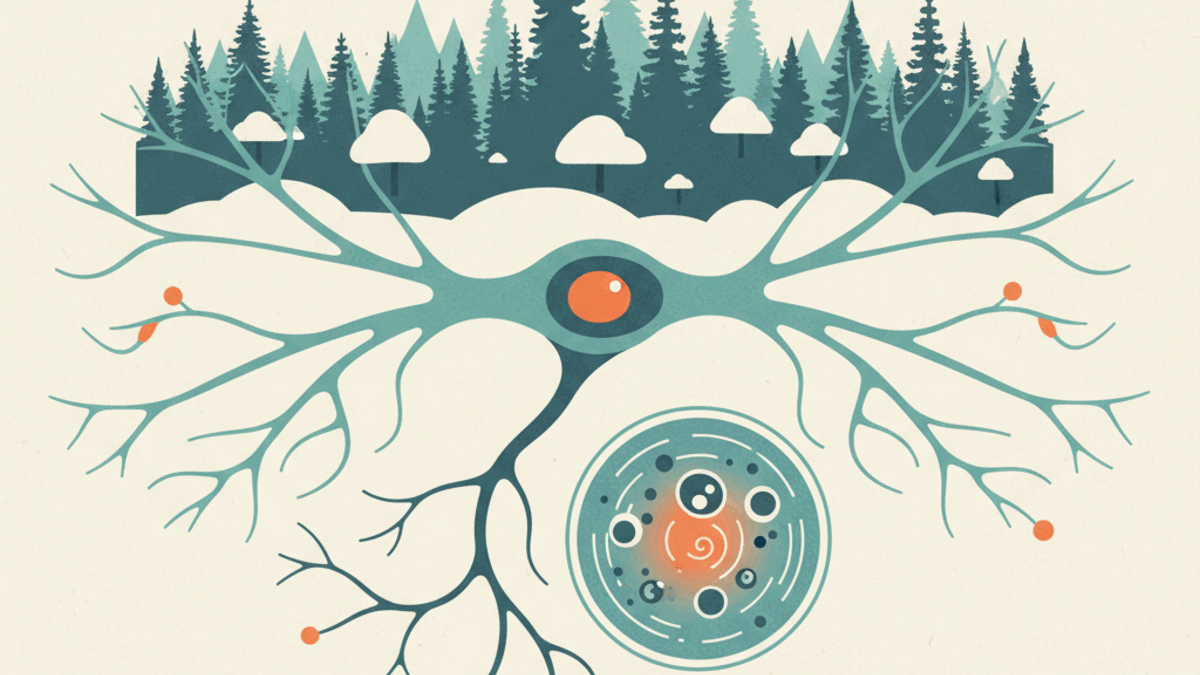
Nobody knows. No receptor has been found and no measurement in a living person exists. Every step of the proposed mechanism rests on cells in a dish, on rodents or on a computer model [19].
The group's own account runs as follows. The peptide would enter the cell, reach the nucleus, settle on particular stretches of DNA and change which genes are read. Each step deserves to be weighed on its own evidence.
- Settling on DNA. Physical measurements suggest the peptide can push part way into the wide groove of the double helix and touch the guanine atoms N7 and O6. Magnesium ions help by shielding the DNA's negative charge [21]. Computer docking then places it at the control regions of genes such as CASP3, SOD2 and GAP43 [3].
- Attaching to packing proteins. Fluorescence work showed binding to histones, the spools DNA is wound on. Those histones came from wheat, a model system rather than human chromatin, and the chain of consequences drawn from it is entirely hypothetical [22], [13].
- Getting into the cell. In HeLa cells a fluorescent version of the peptide appeared in the cytoplasm, the nucleus and the nucleolus [23]. What was tracked is the labelled conjugate, not the plain tripeptide; the label changes both size and water-loving character.
- Riding on transport proteins. This exists only as computer modelling. In a table of 26 short peptides, Pinealon scored −30.29 at the carrier LAT1, mid-field between Vesilut at −34.32 and Cartalax at −26.65 [11], [24]. Not one transport measurement has been made.
- Nudging serotonin production. In ageing cortex cultures the peptide raised serotonin, and a matching stretch of DNA, CCTGCC, was found in the gene for the enzyme that makes it [25]. Matching sequences are not the same as a working chain of cause and effect.
Two facts sit awkwardly under all this. With a calculated XLogP of −6.1 and a polar surface of 261 Ų, the molecule is too water-loving to cross cell membranes on its own [16].
The second is an information problem. Three amino acids carry very little sequence with which to pick one gene out of a whole genome. In the same culture systems, single amino acids already changed cell growth [26].
What the studies found
Cell experiments, rodent experiments and five uncontrolled reports in people. Almost all of it comes from one institute and two closely linked Russian groups. Until 2026 no laboratory outside that circle had tested the peptide in a living animal [19].
Nerve cells in a dish
Cell data In mouse hippocampal cultures poisoned with amyloid, the peptide at 200 ng/ml raised the number of mushroom spines by 71 per cent and brought them back to normal. The comparison peptide KED managed 20 per cent [27]. This is the largest published effect for the substance, and it never left the dish.
Cell data In nerve cells grown from the skin cells of older donors, the peptide encouraged branching and reduced oxidative damage to DNA. The same paper reports two blanks: no effect on mitochondria or lysosomes, and none on the ageing protein p16. The authors call the protection partial [28].
The Alzheimer mouse study
Animal data Ten mice per group, five male and five female, received 400 µg per kilogram of body weight into the abdomen once daily for two months. Spine density rose by 11 per cent, from 11.31 ± 0.36 to 12.64 ± 0.31 spines per 10 µm (p = 0.039). That restored the level of the healthy line (12.89 ± 0.32; p = 0.509). Thin spines fell by 10 per cent (p = 0.024) [3].
Animal data The same paper reports what did not work. Mushroom spines, the shape that matters for memory, were unchanged (p = 0.053), and stubby spines likewise (p = 0.162). Splitting by sex, male animals gained 25 per cent more mushroom spines (p = 0.004).
The authors write that the effect of the comparison peptide KED was the more pronounced of the two [3].
Where the main measurement failed
Animal data Electrical signal strengthening in the hippocampus, the standard laboratory stand-in for learning, produced no usable answer. The gap between diseased and healthy animals itself missed significance (p = 0.057), so there was no deficit left to repair. For both peptides the paper reports only "a positive trend … although it has not reached the statistical significance level" [3].
A formal correction in 2025
In January 2025 the journal published a correction to that mouse paper. Its wording: "there was a mistake in Figures 5 and 8 as published. The mistake is that Figures 5 and 8 are the same, described differently" [4]. The same microscope images had been labelled once as male and once as female animals. The authors state that the conclusions are unaffected. Those images belong to the split-by-sex analysis that produced the strongest reported result.
The first test outside the originating group
Animal data A 2026 preprint screened five longevity candidates in ageing mice, five animals per group, with 30 mg per kilogram into the abdomen twice weekly for eight weeks. Pinealon was the only arm with a trend towards better working memory in a maze, and that trend did not reach significance [5]. Grip strength, movement, weight, temperature and food intake were unchanged. The work has not been peer-reviewed.
Rats
Animal data In offspring of rats fed methionine during pregnancy, 10 µg per kilogram daily into the abdomen shortened the search time in a water maze from 170 to 137 seconds. Undamaged controls needed 112 seconds (p < 0.01 for the damage, p < 0.05 for the peptide against both other groups) [29]. That is a partial correction, not a return to normal.
Animal data In cerebellar cells from those young rats, exposed to hydrogen peroxide, the marker of oxygen radicals fell from 158.7 ± 3.8 to 108.6 ± 4.1. Dead cells fell from 17.7 ± 2.1 per cent to 7.0 ± 0.9 per cent (both p < 0.05) [29].
Animal data In low-oxygen experiments the peptide performed best of four short peptides tested [30]. Other rat papers report lower inflammation signals and less caspase-3 in the brain [31], and better maze learning than under Cortexin [32].
Results that point the other way
Animal data After the neck arteries of old rats were clamped, survival improved under short peptides, but under Pinealon the animals slept more while exploring, motivation and movement all declined. Caspase-3 activity, a marker of programmed cell death, rose moderately, including in sham-operated animals [33]. That is the opposite of the proposed protective mechanism.
Cell data In the group's own laboratory tests with human lipoproteins and red blood cells, the short peptides showed no direct antioxidant activity at all. They raised the steady-state level of reactive oxygen species inside cells, while still lowering the share of dead nerve cells [34].
Cell data In pineal tissue from three-month-old rats the peptide left both Ki-67 and AIF untouched, while Epitalon stimulated the same cells [2]. In skin explants from old rats only KED stood out; this peptide did not [35].
Animal data Two comparisons put the parent extract ahead. Cortexin acted more strongly on radical processes and caspase-3 in the brain [36], and a far higher concentration of the peptide was needed to match it in brain cultures [37].
What has been reported in people
Observational Five Russian reports describe people taking the peptide, all uncontrolled, none registered, all published in Russian-language journals without a digital identifier. In every one it was given alongside Vesugen or further peptides, so nothing can be attributed to it alone [6], [38], [39], [40], [41].
Observational The most detailed of them followed 32 people aged 41 to 83, eighteen men and twelve women, with several chronic illnesses. The authors report an anabolic effect and slower biological ageing, without effect sizes, and note that Vesugen showed the more visible effect of the two [6].
Observational A survey of 150 male lorry drivers, average age 43.3 ± 0.9 years, against 150 metalworkers reported better psychological scores at p-values of 0.001 to 0.05 [39]. Those readings were taken before and after, without a comparison arm.
The 72-patient claim
A sentence quoted across the internet says that oral Pinealon improved memory and reduced headaches in 72 patients after head injury. It appears in the introduction of a 2020 review, and its supporting reference is a second review by the same group [7], [8].
A parallel claim in that review, about test errors and brain-wave measurements, rests on a patent held by the inventors [9]. No primary publication for either group of patients exists in PubMed, in Europe PMC or in any registry [19], [1].
What is still unknown
- Whether the substance reaches the brain at all after any route of administration.
- How much survives digestion, given that the Russian product is swallowed.
- What happens beyond eight weeks in an animal, at any amount.
- Whether the DNA-binding idea holds outside a computer model and a wheat protein.
Side effects and safety
No safety profile exists. That is not a clean bill of health: it means nobody has assembled one. There is no toxicology work in any species and no entry in the American adverse event database [18].
What has actually been observed
- Pro-oxidant activity in people. In the 32-person report the authors measured pro-oxidant rather than antioxidant activity. They describe these peptides as geroprotectors of an "anabolic neuroprotective and no antioxidant type" [6].
- A fall in blood-forming cells. The same report found fewer CD34-positive stem cells in the blood, which the authors named "significant inhibition of hemopoiesis". Chromatin packing was unchanged, from which they inferred safety at the level of the nucleus [6].
- Behavioural dampening in rats. After neck-artery clamping the animals slept more and moved, explored and sought reward less. Caspase-3 activity rose moderately at the same time, in operated and sham-operated animals alike [33].
- No toxicity signal in the independent screen. Over eight weeks at 30 mg per kilogram twice weekly, five mice showed nothing unusual in weight, temperature, food intake, blood counts or urine. In the same screen a different combination caused anaemia in two of five animals, so the method does detect harm [5].
- No reports in the pharmacovigilance system. The American adverse event database holds nothing, while a control query returns tens of thousands of records [18]. A substance that is neither approved nor prescribed generates no spontaneous reports.
Because the peptide was never given on its own to a person, none of the human findings above can be assigned to it rather than to Vesugen [6].
What is missing
- No toxicology to any regulatory standard: nothing on acute, repeated or long-term dosing, on genetic damage, on cancer risk or on reproduction.
- No measurement of uptake, distribution, breakdown or clearance, in any species, by any route.
- No proof that the substance crosses from the blood into the brain, which is far from obvious for a molecule this water-loving.
- No dose-finding work. Published animal amounts span a factor of 3,000, from 10 µg to 30 mg per kilogram, with nothing to explain the range.
- No data on immune reactions, on drug interactions, on pregnancy or breastfeeding in people.
- No official reference standard. Without a pharmacopoeia monograph, traded material cannot be measured against anything [18].
The injectable form carries risks of its own, separate from the substance. Vials sold for research are made under no pharmaceutical quality system, so sterility, endotoxin content and actual peptide content are unknown [20]. Injecting non-sterile material brings the usual risks of abscess, vein inflammation and blood-borne infection.
Doses used in studies
These are the doses used in the cited studies, listed for reference. They are not a recommendation.
Every line below is either an amount added to fluid in a dish or an amount given to an animal. No line for people appears, because no study in people has ever established one.
| Study | Model | Amount | Route | Duration | Ref |
|---|---|---|---|---|---|
| Kraskovskaya 2017, amyloid damage | Mouse hippocampal cells | 200 ng/ml | Added to the culture fluid | Not given in the abstract | [27] |
| Khavinson 2021, review of the series | General range for these short peptides | 2 to 200 ng/ml | Cells in a dish | — | [15] |
| Arutjunyan 2012, pregnancy model | Pregnant rats, offspring measured | 10 µg/kg | Into the abdomen | Daily, from 5 days before the load | [29] |
| Khavinson 2021, Alzheimer model | 5xFAD mice | 400 µg/kg | Into the abdomen | Once daily, 2 months | [3] |
| Marín-Jerez 2026, longevity screen | Ageing mice | 30 mg/kg per administration | Into the abdomen | Twice weekly, 8 weeks | [5] |
A concentration in a dish cannot be converted into an amount for a body. Between the lowest and the highest animal amount above lies a factor of 3,000, and no dose-finding study explains it.
One Russian paper names an amount for people, and it is a study record, not a scheme. In an uncontrolled observation of railway staff, the capsules used contained 100 µg of the peptide, over two weeks [38]. The report gives neither the number of participants nor any effect size. How often they were taken is not repeated here.
Injection schedules circulate among users, giving fixed microgram amounts under the skin in the evening. They come from no study [42]. The same figures appear word for word on that site for other peptides of this series, and no publication checked here describes injection under the skin.
Development and approval status
A patent, a thin line of papers, no development programme
- 2008First experiments in low-oxygen modelsBest of four short peptides tested; alongside the finding that they are not direct antioxidants, refs [30], [34]
- 2011No effect in the organ it is named afterRat pineal culture: Ki-67 and AIF unchanged, ref [2]
- 2013A patent is used as evidence of effect in peopleIsrael patent 194346, later cited for a human claim, ref [9]
- 2021The Alzheimer mouse studyMain measurement missed, spine density improved, ref [3]
- 2025Formal correction of that studyFigures 5 and 8 were identical but described differently, ref [4]
- 2026First test outside the originating groupPreprint, five mice per group, trend not significant, ref [5]
- 10 September 2026Registers checkedNo approval anywhere, no registered trial, no regulator code, refs [1], [18]
There is no development programme behind Pinealon. No sponsor has filed anything and no phase of testing has begun [1]. What exists is a patent, laboratory papers from one institute and a food supplement sold in Russia.
| Market | Status | Note | Ref |
|---|---|---|---|
| United States | Not approved | No substance record, no label, no adverse event file; never put forward for pharmacy compounding | [18], [43] |
| European Union | Not approved | No authorisation and no trial; the agency's own register could not be read on the day of checking | [44] |
| Germany | Not approved | Neither a licensed medicine nor a lawful food; the imported preparation falls under novel food rules | [44], [45] |
| United Kingdom | Not approved | The register returned only a page shell, so the finding rests on every other register | [44] |
| Australia | Not approved | Absent from the Poisons Standard, which is not permission | [46] |
| Canada | Not approved | The medicines database returns nothing; a control query works | [47] |
| Switzerland | Not approved | No authorisation identified, and no register query was possible | [44] |
| Russia | Not approved | Capsules and drops are sold as a food supplement, which is not a medicine licence | [14] |
Three rows need care. The Australian entry means the substance was never scheduled, not that it may be used. The European and British entries rest on absence everywhere else, because both registers returned only a page shell [44].
The Russian entry is the one most often misread. A food supplement passes no test of whether it works, and no injectable version is sold there at all [14]. All registers were checked on 10 September 2026.
Anti-doping
Pinealon is banned at all times, in and out of competition. Category S0 of the 2026 Prohibited List covers "any pharmacological substance which is not addressed by any of the subsequent sections of the List and with no current approval by any governmental regulatory health authority for human therapeutic use" [10].
The name is not printed on the list, and that is not a gap. The category is written openly to catch substances no authority has approved, which is exactly this situation. A Russian food supplement registration is not an approval for therapeutic use in people [14], [10].
German anti-doping law works differently. Its annex names banned substances one by one, and this peptide is not among them, so possession is not an offence there [45].
No published test for detecting it in a sample exists. Three ordinary amino acids are hard to tell apart from the products of normal protein digestion. Further detail is in the overview of peptides banned in sport.
Compared with related peptides
A p-value below 0.05 is conventionally called significant. Two of the measurements the substance is marketed for, signal strengthening and mushroom spines, sit just above that line. Source [3].
Counts as of 10 September 2026. The literature records include reviews and papers in which the peptide is one of several tested. Sources [19], [1], [5].
| Peptide | Relation to Pinealon | What the checks behind this page found |
|---|---|---|
| Pinealon | — | Glu-Asp-Arg, 418.40 g/mol; no registered trial, approved nowhere [16], [1] |
| Cartalax | Another three-part peptide of the same series, assigned to cartilage | Ala-Glu-Asp, 333.29 g/mol; scored −26.65 in the group's own transport table, against −30.29 for Pinealon [11] |
| Epitalon | The pineal peptide of the same laboratory, one amino acid longer | Ala-Glu-Asp-Gly, 390.35 g/mol; the only peptide that stirred pineal cells where Pinealon did nothing [48], [2] |
| Semax | A short peptide from Russian institute research | Marked "drug" in the group's own overview table, where Pinealon is not [15] |
| Selank | Another Russian short peptide sold on the same shelves | Also a registered medicine in Russia, unlike Pinealon, which is a food supplement there [15], [14] |
| Cortexin | The cortex extract Pinealon was derived from | An approved medicine in Russia; beat Pinealon on radicals and caspase-3, and worked at a far lower concentration [13], [36], [37] |
The comparison is not about strength. It shows where Pinealon sits among its neighbours: a settled chemical identity, and almost nothing else behind it.
Two of them matter especially. Epitalon is the peptide that actually acts on the pineal gland, which is where the confusion over the name begins. Cortexin is the licensed preparation this one was cut out of, and in head-to-head work the extract came off better.
Common misconceptions
- "Pinealon works on the pineal gland, so it helps with sleep or melatonin." The name misleads. The peptide comes from a cortex extract, and in pineal tissue culture it changed nothing. No published work shows any effect on melatonin or on sleep [2], [14].
- "Pinealon, Epitalon and Epithalamin are the same thing." They are three different things. Pinealon is Glu-Asp-Arg at 418.40 g/mol and Epitalon is Ala-Glu-Asp-Gly at 390.35 g/mol, sharing no motif longer than one amino acid [16], [48]. Epithalamin is a mixture extracted from calf pineal glands, and the life-span work on it says nothing about a synthetic tripeptide [49].
- "Cortexin is approved in Russia, so Pinealon is approved too." Cortexin is a different substance, a polypeptide complex. An approval for the extract does not carry over to a fragment made in a laboratory [13], [14].
- "It is like Semax or Selank." Those are registered medicines in Russia and are marked as such in the group's own table. Pinealon is not. That is a difference in kind, not in degree [15].
- "It is an antioxidant." The originating group disproved that itself. In their laboratory tests the short peptides showed no direct antioxidant activity and raised reactive oxygen species, and in people the same authors measured pro-oxidant activity [34], [6].
- "72 patients after head injury were treated successfully." No primary paper exists. The trail leads from a review to another review and to a patent held by the inventors [7], [8], [9].
- "The 2021 mouse study proves it works in Alzheimer's disease." Its main measurement missed significance and mushroom spines were unchanged. The rival peptide did better, and the figures had to be corrected in 2025 [3], [4].
- "Only three amino acids, so it must be harmless." That argument cuts both ways and is usually only used in one. If the molecule is as ordinary as a product of digestion, it is hard to explain why a few hundred micrograms should do anything specific [26].
- "It is not on the doping list, so it is allowed." It is not named, but category S0 catches every substance no authority has approved for people [10].
Frequently asked questions
Has Pinealon ever been tested in a clinical trial?
No. The ClinicalTrials.gov registry returned nothing on 10 September 2026, for the name, for the free-text term or for the peptide code EDR. Five Russian reports describe people taking it, but all are uncontrolled, none was registered, and in every one it was given together with other peptides.
Does Pinealon act on the pineal gland?
No, despite the name. In pineal tissue from rats it left both the growth marker Ki-67 and the cell-death marker AIF unchanged, while Epitalon stimulated the same cells. The manufacturer's own material describes the peptide complex as coming from brain cortex, not from the pineal gland.
What is Pinealon made of?
Three amino acids: glutamic acid, aspartic acid and arginine, written Glu-Asp-Arg or EDR. The chemical record gives the formula C15H26N6O8 and a mass of 418.40 g/mol, with the registry number 175175-23-2. In the literature it also carries the laboratory code T-33.
Is Pinealon the same as Epitalon?
No. Epitalon has four amino acids, Ala-Glu-Asp-Gly, and a mass of 390.35 g/mol, with its own chemical record. Both come from the same St Petersburg group, but they share no sequence motif longer than a single amino acid and are assigned to different organs.
What did the Alzheimer mouse study of Pinealon actually show?
A mixed result. Spine density in the hippocampus rose by 11 per cent (p = 0.039) and thin spines fell by 10 per cent (p = 0.024). The mushroom spines that matter for memory were unchanged (p = 0.053), and signal strengthening missed significance (p = 0.057). A formal correction followed in 2025.
Why was the Pinealon mouse study corrected?
The journal recorded that two figures were identical while being described differently, once as male and once as female animals. The authors state that the conclusions stand. The images belong to the split-by-sex analysis from which the strongest reported effect came.
Is Pinealon approved as a medicine anywhere?
No, in no country. There is no authorisation in the United States, the European Union, Germany, the United Kingdom, Australia, Canada, Switzerland or Russia. In Russia it is sold as a food supplement in capsules and drops, which involves no test of whether it works.
Is the injectable form of Pinealon legal?
It is licensed nowhere, and Russia has no injectable version of the product at all. What is sold in the West are 20 mg vials of freeze-dried powder labelled for research use only. No pharmacopoeia monograph exists, so identity and purity cannot be checked against any official standard.
What are the side effects of Pinealon?
Largely unknown, because almost nobody has looked. There is no toxicology work in any species. The one human report with laboratory measurements found pro-oxidant activity and fewer CD34-positive blood-forming cells, which its authors called a significant inhibition of blood formation.
Is Pinealon banned in sport?
Yes, at all times, in and out of competition. Category S0 of the 2026 Prohibited List covers any drug-like substance that no health authority has approved for use in people. Pinealon is not printed on the list by name, and that absence is not a loophole.
Sources
- ClinicalTrials.gov, API v2. Queries on 10 September 2026: intervention "Pinealon" total count 0, free text "pinealon" 0, intervention "EDR peptide" 0. Intervention "Glu-Asp-Arg" returns one unrelated amino acid study (NCT05400733, Texas A&M University). Control query "semaglutide" returns 749 studies. https://clinicaltrials.gov/api/v2/studies
- Khavinson VKh, Linkova NS, Chalisova NI, Dudkov AV, Koncevaya EA (2011). Effect of short peptides on expression of signaling molecules in organotypic pineal cell culture. Bulletin of Experimental Biology and Medicine 152(1). PMID 22803060. DOI 10.1007/s10517-011-1473-y. Glu-Asp-Arg changed neither Ki-67 nor AIF in pineal culture; only Ala-Glu-Asp-Gly stimulated the pineal cells.
- Khavinson V, Ilina A, Kraskovskaya N, Linkova N, Kolchina N, Mironova E, Erofeev A, Petukhov M (2021). Neuroprotective effects of tripeptides-epigenetic regulators in mouse model of Alzheimer's disease. Pharmaceuticals 14(6):515. PMID 34071923. PMCID PMC8227791. DOI 10.3390/ph14060515. Full text read. EDR 400 µg/kg into the abdomen once daily for two months, ten animals per group. Long-term potentiation: model difference p = 0.057, peptide effect not significant. Spine density +11 per cent (p = 0.039), thin spines −10 per cent (p = 0.024), mushroom spines unchanged (p = 0.053), stubby spines unchanged (p = 0.162), mushroom spines in males +25 per cent (p = 0.004).
- Khavinson V, Ilina A, Kraskovskaya N, Linkova N, Kolchina N, Mironova E, Erofeev A, Petukhov M (2025). Correction: Khavinson et al. Neuroprotective effects of tripeptides-epigenetic regulators in mouse model of Alzheimer's disease. Pharmaceuticals 18(1):111. PMID 39861198. PMCID PMC11769113. DOI 10.3390/ph18010111. Full text read. Wording: "there was a mistake in Figures 5 and 8 as published. The mistake is that Figures 5 and 8 are the same, described differently."
- Marín-Jerez E, Rueda-Carrasco J, Meléndez-Rodríguez F, Partido-Borge P, Tapia E, Leibowitz BD, Parras A (2026). Short-term performance assay identifies functional benefits and early toxicity of longevity interventions in mice. Preprint, not peer-reviewed. Posted on bioRxiv, DOI 10.64898/2026.02.25.707674, and on Research Square, DOI 10.21203/rs.3.rs-9682683/v1. Europe PMC PPR1222244 and PPR1252867. Full text read. Pinealon 30 mg/kg into the abdomen twice weekly for eight weeks, five animals per group; the only arm with a trend towards higher alternation in the Y-maze, not significant; no changes in grip strength, movement, weight, temperature, food intake, blood counts or urine. Funded through tokenised decentralised science.
- Meshchaninov VN, Tkachenko EL, Zharkov SV, Gavrilov IV, Katyreva IuE (2015). Effect of synthetic peptides on aging of patients with chronic polymorbidity and organic brain syndrome of the central nervous system in remission. Advances in Gerontology 28(3). PMID 26390612. In Russian. 32 people, 18 men and 12 women, aged 41 to 83, given Vesugen and Pinealon together; Pinealon described as the weaker of the two. Reports pro-oxidant activity by chemiluminescence and a fall in CD34-positive cells termed "significant inhibition of hemopoiesis", with chromatin condensation unchanged, and recommends the peptides as geroprotectors of an "anabolic neuroprotective and no antioxidant type".
- Khavinson V, Linkova N, Kozhevnikova E, Trofimova S (2020). EDR peptide: possible mechanism of gene expression and protein synthesis regulation involved in the pathogenesis of Alzheimer's disease. Molecules 26(1):159. PMID 33396470. PMCID PMC7795577. DOI 10.3390/molecules26010159. Full text and reference list read. Carries the claims about 72 patients after head injury and about correction-test errors and the alpha index.
- Umnov RS, Lin'kova NS, Khavinson VKh (2013). Neuroprotective effects of peptide bioregulators in people of various age. Advances in Gerontology 26(4):671-678. PMID 24738258. In Russian. A review, not a primary study, and the cited support for the 72-patient claim. Distinguishes polypeptide complexes such as Cortexin and Cerebrolysin from short peptides such as Semax and Pinealon.
- Khavinson VK, Grigoriev EI, Malinin VV, Ryzhak GA (2013). Tripeptide having a stimulating effect on the regeneration of neurons. Israel patent 194346. Cited as reference 13 in PMC7795577 and used there as evidence for a claim about effects in people. A property right, not a study; the patent text itself was not read.
- World Anti-Doping Agency. The 2026 Prohibited List, in force from 1 January 2026, section S0 "Non-approved substances". Full text checked 10 September 2026: "Pinealon", "Glu-Asp-Arg" and "glutamyl-aspartyl" return no match, so the classification follows from the general clause. https://www.wada-ama.org/en/prohibited-list
- Khavinson VK, Linkova NS, Kozhevnikova EO, Dyatlova AS, Petukhov MG (2022). Transport of biologically active ultrashort peptides using POT and LAT carriers. International Journal of Molecular Sciences 23(14):7733. PMID 35887081. PMCID PMC9323678. DOI 10.3390/ijms23147733. Contains the sentence "the neuroprotective peptide EDR, which is a component of the drug Cortexin" and the docking table with Pinealon (EDR) at −30.29, Vesilut (ED) at −34.32 and Cartalax (AED) at −26.65.
- US National Library of Medicine, MeSH supplementary concept record UID 67570174, "pinealon", mapped to oligopeptides. Entry terms include T-33 peptide, Glu-Asp-Arg and glutamyl-aspartyl-arginine. Retrieved 10 September 2026.
- Kuznik BI, Davydov SO, Popravka ES, Lin'kova NS, Kozina LS, Khavinson VK (2019). Epigenetic mechanisms of peptide-driven regulation and neuroprotective protein FKBP1b. Molekuliarnaia Biologiia 53(2). PMID 31099784. DOI 10.1134/S0026898419020095. States that Cortexin is a clinically approved cerebral cortex polypeptide complex from calves and that EDR was synthesised as one of its derivatives.
- Russian trade page for Пинеалон, capsules in packs of 20 and 60 and sublingual drops of 10 ml, retrieved 10 September 2026. Gives the contents as peptide complex AC-5, an extract of brain cortex peptides, names the St Petersburg Institute of Bioregulation and Gerontology as maker and the status as a food supplement. No injectable version is offered. Trade record, cited as evidence of what is sold. Not linked.
- Khavinson V, Popovich I, Linkova N, Mironova E, Ilina A (2021). Peptide regulation of gene expression: a systematic review. Molecules 26(22):7053. PMID 34834147. PMCID PMC8619776. DOI 10.3390/molecules26227053. Full text read. Table 5 lists "EDR, Pinealon" for neuroprotection and marks Semax and Thymogen, but not Pinealon, with the addition "drug". Gives 2 to 200 ng/ml as the working range for these short peptides in culture.
- PubChem. Compound CID 10273502, Glu-Asp-Arg, C15H26N6O8, 418.40 g/mol, InChIKey QPRZKNOOOBWXSU-CIUDSAMLSA-N, calculated XLogP −6.1 and topological polar surface area 261 Ų, CAS 175175-23-2, synonyms including "pinealon" and "L-Glutamyl-L-aspartyl-L-arginine". Retrieved 10 September 2026. https://pubchem.ncbi.nlm.nih.gov/compound/10273502
- Wikidata, entity Q106026341 "Glu-Asp-Arg", aliases "pinealon" and "L-alpha-glutamyl-L-alpha-aspartyl-L-arginine". Holds PubChem CID 10273502, CAS 175175-23-2, InChIKey, ChEBI 156374 and the formula. A chemistry record only, with no medicines data. Retrieved 10 September 2026. https://www.wikidata.org/wiki/Q106026341
- United States register checks, 10 September 2026. FDA Global Substance Registration System, exact-name queries for "PINEALON" and "GLUTAMYL-ASPARTYL-ARGININE": zero records each, control query "SEMAGLUTIDE" returns five, so no substance code exists. openFDA drug label API: not found. openFDA adverse event database: not found, while the control query returns 66,161 reports. DailyMed web services v2: zero entries, database state 9 September 2026. https://gsrs.ncats.nih.gov
- PubMed, NCBI E-utilities, and Europe PMC, REST search, retrieved 10 September 2026. "Pinealon" returns 22 PubMed records through the substance-name mapping, two of them without any connection to the substance; Europe PMC returns 29 records, two of which are the same 2026 preprint. "Glu-Asp-Arg" returns 48 PubMed records, almost all unrelated. https://pubmed.ncbi.nlm.nih.gov/?term=pinealon
- Western research-chemical listing for Pinealon, retrieved 10 September 2026. Freeze-dried powder in 20 mg vials, sequence given as Glu-Asp-Arg, purity stated by the seller as 99 per cent with no certificate of analysis, marked "Research Use Only". Trade record, cited as evidence of what is sold. Not linked.
- Silanteva IA, Komolkin AV, Morozova EA, Vorontsov-Velyaminov PN, Kasyanenko NA (2019). Role of mono- and divalent ions in peptide Glu-Asp-Arg-DNA interaction. Journal of Physical Chemistry B 123(9). PMID 30762356. DOI 10.1021/acs.jpcb.8b10359. Spectroscopy, NMR, viscometry and molecular dynamics; the peptide enters part way into the major groove and acts on guanine atoms N7 and O6, with magnesium ions strengthening the interaction.
- Fedoreyeva LI, Smirnova TA, Kolomijtseva GY, Khavinson VKh, Vanyushin BF (2013). Interaction of short peptides with FITC-labeled wheat histones and their complexes with deoxyribooligonucleotides. Biochemistry (Moscow) 78(2). PMID 23581987. DOI 10.1134/S0006297913020053. Binding measured against wheat histones H1, H2B, H3 and H4.
- Fedoreyeva LI, Kireev II, Khavinson VKh, Vanyushin BF (2011). Penetration of short fluorescence-labeled peptides into the nucleus in HeLa cells and in vitro specific interaction of the peptides with deoxyribooligonucleotides and DNA. Biochemistry (Moscow) 76(11). PMID 22117547. DOI 10.1134/S0006297911110022. The labelled peptide was found in cytoplasm, nucleus and nucleolus, with preferred binding to CNG- and CAG-containing oligonucleotides.
- Khavinson VK, Linkova NS, Rudskoy AI, Petukhov MG (2023). Feasibility of transport of 26 biologically active ultrashort peptides via LAT and PEPT family transporters. Biomolecules 13(3). PMID 36979488. Molecular modelling and docking only, with no experimental transport measurement.
- Khavinson VKh, Lin'kova NS, Tarnovskaya SI, Umnov RS, Elashkina EV, Durnova AO (2014). Short peptides stimulate serotonin expression in cells of brain cortex. Bulletin of Experimental Biology and Medicine 157(1). PMID 24909721. DOI 10.1007/s10517-014-2496-y. Identifies the complementary nucleotide sequence CCTGCC in the tryptophan-5-hydroxylase gene.
- Chalisova NI, Kontsevaya NE, Linkova NS, Pronyaeva VE, Chervyakova NA, Umnov RS (2013). Biological activity of amino acids in organotypic tissue cultures. Bulletin of Experimental Biology and Medicine 156(2). PMID 24143390. DOI 10.1007/s10517-013-2200-7. Shows that single standard amino acids already change cell growth in the same culture systems.
- Kraskovskaya NA, Kukanova EO, Lin'kova NS, Popugaeva EA, Khavinson VK (2017). Tripeptides restore the number of neuronal spines under conditions of in vitro modeled Alzheimer's disease. Bulletin of Experimental Biology and Medicine 163(4). PMID 28853087. DOI 10.1007/s10517-017-3847-2. EDR at 200 ng/ml raised mushroom spines by 71 per cent, KED by 20 per cent.
- Kraskovskaya N, Linkova N, Sakhenberg E, Krieger D, Polyakova V, Medvedev D et al. (2024). Short peptides protect fibroblast-derived induced neurons from age-related changes. International Journal of Molecular Sciences 25(21). PMID 39518916. EDR encouraged dendrite branching and reduced oxidative DNA damage, with explicit nil results for mitochondrial and lysosomal activity and for the p16 protein level.
- Arutjunyan A, Kozina L, Stvolinskiy S, Bulygina Y, Mashkina A, Khavinson V (2012). Pinealon protects the rat offspring from prenatal hyperhomocysteinemia. International Journal of Clinical and Experimental Medicine 5(2):179-185. PMID 22567179. PMCID PMC3342713. Full text read. Pinealon 10 µg/kg daily into the abdomen of pregnant rats from five days before the methionine load, 23 animals per group. Water maze first run: 112 s in controls, 170 s with methionine (p < 0.01), 137 s with methionine and peptide (p < 0.05 against both). Cerebellar cells: DCF fluorescence 158.7 ± 3.8 against 108.6 ± 4.1 and necrotic cells 17.7 ± 2.1 per cent against 7.0 ± 0.9 per cent (both p < 0.05).
- Kozina LS (2008). Investigation of antihypoxic properties of short peptides. Advances in Gerontology 21(1). PMID 18546825. In Russian. Of Vilon, Epitalon, Vesugen and Pinealon, Pinealon showed the strongest effect in low-oxygen models; the authors attribute it to stimulation of the cell's own antioxidant enzymes rather than to radical scavenging.
- Mendzheritskiy AM, Karantysh GV, Ryzhak GA, Dem'ianenko SV (2014). Regulation of content of cytokines in blood serum and of caspase-3 activity in brains of old rats in a model of sharp hypoxic hypoxia with Cortexin and Pinealon. Advances in Gerontology 27(1). PMID 25051764. In Russian.
- Mendzheritski AM, Karantysh GV, Abramchuk VA, Ryzhak GA (2013). Effect of peptide geroprotectors on navigation system learning and caspase-3 in brain structures in rats of different age. Advances in Gerontology 26(2). PMID 28976148. In Russian.
- Mendzheritskiĭ AM, Karantysh GV, Ivonina KO (2011). Effects of introduction of short peptides before carotid artery occlusion on behaviour and caspase-3 activity in the brain of old rats. Advances in Gerontology 24(2). PMID 21809624. In Russian. Behavioural sleep rose while exploratory behaviour, motivation and movement fell; caspase-3 activity rose moderately under Pinealon, including in sham-operated animals.
- Kozina LS, Arutiunian AV, Stvolinskiĭ SL, Khavinson VKh (2008). Biological activity of regulatory peptides in model experiments in vitro. Advances in Gerontology 21(1). PMID 18546826. In Russian. The short peptides showed no direct antioxidant activity and raised the steady-state level of intracellular reactive oxygen species, while lowering the share of dead cells except for Epitalon.
- Voicekhovskaya MA, Chalisova NI, Kontsevaya EA, Ryzhak GA (2012). Effect of bioregulatory tripeptides on the culture of skin cells from young and old rats. Bulletin of Experimental Biology and Medicine 153(4). PMID 22803085. DOI 10.1007/s10517-012-1527-9. In explants from old rats only T-38 (Lys-Glu-Asp) produced a marked effect; T-33 was among those without one.
- Mendzheritsky AM, Karantysh GV, Ryzhak GA, Prokofiev VN (2015). Pinealon and Cortexin influence on behavior and neurochemical processes in 18-month aged rats within hypoxia and hypothermia. Advances in Gerontology 28(2). PMID 28509493. In Russian. States that Cortexin shows a more pronounced effect on free radical processes and caspase-3 activity in the brain than Pinealon.
- Umnov RS, Lin'kova NS, Khavinson VKh (2014). Peptides stimulate expression of signal molecules in neuronal cultures from animals of different age. Bulletin of Experimental Biology and Medicine 157(6). PMID 25257443. DOI 10.1007/s10517-014-2646-2. T-33 and Cortexin raised serotonin, Ki-67 and vimentin; the effective concentration of T-33 considerably exceeded that of Cortexin.
- Nazimko VA, Morgul' EV, Petrova OA, Sheĭkhova RG, Kozina LS, Savenko MA (2012). Analysis of some parameters of biological age and adaptation possibilities of workers of locomotive brigades. Advances in Gerontology 25(1). PMID 22708445. In Russian. The only paper giving a figure for people: capsules containing 100 µg of Pinealon, over two weeks, in an uncontrolled observation with no group size and no effect sizes reported.
- Bashkireva AS, Artamonova VG (2012). The peptide correction of neurotic disorders among professional truck drivers. Advances in Gerontology 25(3). PMID 23734521. In Russian. 150 male drivers, average age 43.3 ± 0.9 years, against 150 metalworkers; the peptides were not randomised or placebo-controlled, and the reported p-values of 0.001 to 0.05 come from before-and-after readings. The best effect is reported for combined use of several peptides.
- Bashkireva AS, Kachan EY (2015). Assessment of work ability index in evaluation of small peptides geroprotective effect. Advances in Gerontology 28(4). PMID 28509489. In Russian. A recommendation paper with no reported effect sizes.
- Myakotnykh VS, Torgashov MN, Egorin KV, Meshchaninov VN, Gavrilov VI, Borovkova TA (2016). Comparative analysis of different methods of geroprotection. Advances in Gerontology 29(2). PMID 28539017. In Russian. 110 people; the peptides Vezugen and Pinealon were compared with carbon dioxide baths, hyperbaric oxygen and massage, with the strongest effect reported for the two peptides used together.
- User-facing page listing injection schedules for Pinealon, retrieved 10 September 2026. Gives fixed microgram amounts under the skin in the evening, daily and then every other day, and concedes on the same page that the Russian experience is not peer-reviewed by Western standards. The same figures appear on that site for other peptides of the series. Trade record, cited only as evidence that such schedules circulate. Not linked.
- US Food and Drug Administration. Bulk drug substances nominated for use in compounding under section 503A, state of 14 May 2026. Neither Pinealon nor Glu-Asp-Arg nor EDR appears in any of the three categories, so the substance was never even put forward for review. Checked in full text 10 September 2026. https://www.fda.gov/media/94155/download
- European, British, Swiss and Russian register checks, 10 September 2026. The European Medicines Agency search and its control search both returned a JavaScript shell of almost identical size, 76,899 and 77,056 bytes, with no server-rendered results. MHRA Products returned 122,696 bytes for both the search and the control. The Russian state medicines register returned only the search form for both queries, so its nil result is not usable. Swissmedic could not be queried programmatically. Recorded as unverified gaps rather than nil results; the finding of no authorisation rests on every other register checked and on the absence of any registered trial.
- German Anti-Doping Act, annex to section 2 paragraph 3, published as BGBl. 2023 I No. 67. Full text checked 10 September 2026: Pinealon, Glu-Asp-Arg and EDR do not appear, and section II lists peptide hormones, releasing factors and growth factors by name with no catch-all heading. https://www.gesetze-im-internet.de/antidopg/anlage.html
- Therapeutic Goods (Poisons Standard, June 2026) Instrument 2026, authorised version F2026L00633, registered 28 May 2026. Full text checked 10 September 2026 for "Pinealon", "Glu-Asp-Arg", "EDR" and "glutamyl-aspartyl": no match, and no general heading for peptides exists. Control: alanylglutamine appears twice.
- Health Canada, Drug Product Database API, brand-name query for "pinealon": empty result. Control query for "ozempic" returns six records with DIN 02471469. Retrieved 10 September 2026. https://health-products.canada.ca/api/drug/drugproduct/
- PubChem. Compound CID 219042, Epitalon, Ala-Glu-Asp-Gly, C14H22N4O9, 390.35 g/mol. Retrieved 10 September 2026. https://pubchem.ncbi.nlm.nih.gov/compound/219042
- Anisimov VN, Myl'nikov SV, Oparina TI, Khavinson VKh (1997). Effect of melatonin and epithalamin on life span and lipid peroxidation in Drosophila melanogaster. Doklady Akademii Nauk 352(5). PMID 9147629. In Russian. Cited to separate the pineal extract Epithalamin from the synthetic tripeptide.
Cite this page
The register checks and literature searches behind this page were run on 10 September 2026. For a substance with this little scientific record, the date on which those searches came back nearly empty is part of the finding.
myPeptides Research & Editing. (2026). Pinealon: what the studies show, status and safety. Version 1.0, 10 September 2026. myPeptides Peptide Register. Retrieved from https://mypep.app/peptides/pinealon
How pages in this register are compiled and graded is described under methodology; the full register is at peptides.
| Version | Date | Change |
|---|---|---|
| 1.0 | 2026-09-10 | Initial publication |
Last verified: 10 September 2026. Next review: on the appearance of any registered study in people, any independent replication of the animal findings, or any change in the anti-doping classification.