
Cerebrolysin: what the trials show, status and safety
Summary
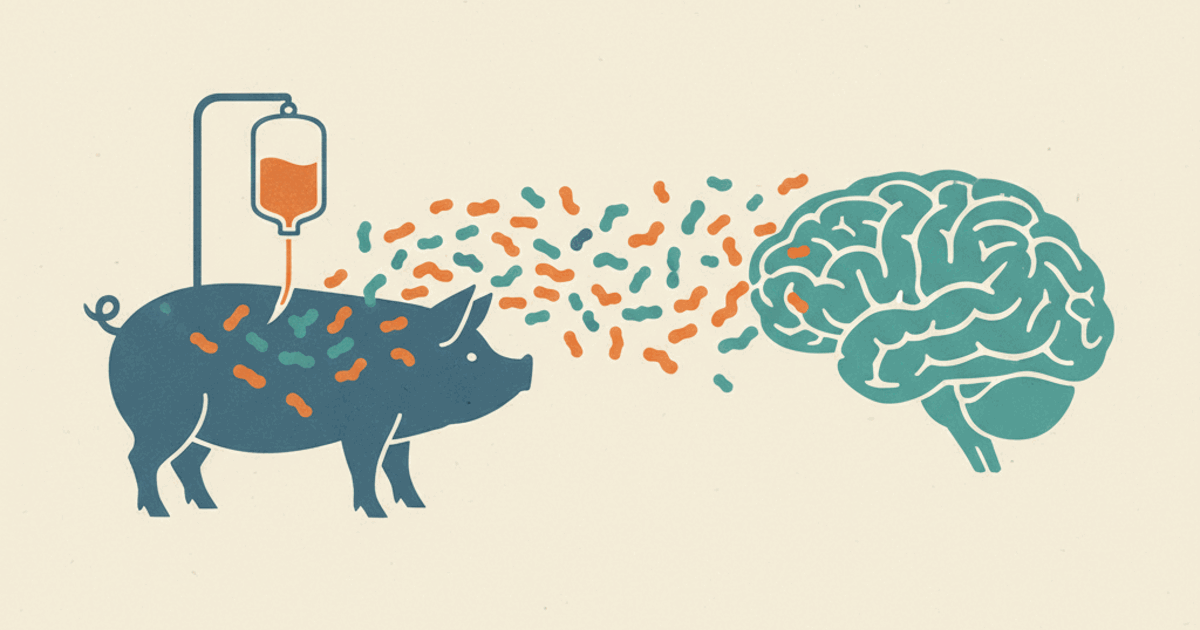
Cerebrolysin is not a single peptide. It is a mixture of amino acids and short peptides made from pig brain protein, so it has no sequence, no formula and no molecular mass. It has been a prescription-only medicine in Austria since 1996 and in South Korea since 2006, and it is licensed across the post-Soviet states. The United States, Canada and Switzerland have never approved it. Cochrane found no effect on deaths after acute stroke, and more non-fatal serious adverse events. Its largest placebo-controlled trial missed its main endpoint.
Key findings at a glance
- It is a licensed prescription medicine, not a research chemical. Austria granted authorisation 1-21380 on 25 March 1996, and the label reads "prescription-only, pharmacy-only". South Korea followed on 14 July 2006 [1], [2].
- Cochrane, acute stroke: no effect on deaths. The risk ratio was 0.96 (95 per cent confidence interval 0.65 to 1.41), six trials, 1689 participants [3].
- Cochrane, acute stroke: more non-fatal serious events. The risk ratio was 2.39 (1.10 to 5.23), three trials, 1335 participants. The same signal appears in the 2017 and 2020 versions [3], [4], [5].
- The largest placebo-controlled stroke trial missed its target. CASTA randomised 1070 patients and found no significant difference on its confirmatory endpoint [6].
- It is not banned in sport. The 2026 prohibited list holds no match, and the catch-all class for non-approved substances does not apply, because national approvals exist [7].
- In vascular dementia the effect is positive but barely certain. Standardised mean difference 0.36 (0.13 to 0.58), three studies, 420 people, very low certainty. Cochrane wrote that any benefit "may be too small to be clinically meaningful" [8].
- There is no molecule to register. The preparation is 75 per cent free amino acids and 25 per cent peptides below 10 kDa. One analysis found 14 635 peptide sequences from 1643 proteins. No PubChem identifier, no ChEMBL entry and no formula exist [9], [10], [11], [12].
- The American record is an enforcement record. An orphan designation was granted in 2016, which is not an approval. Two warning letters and two Class II recalls followed, all against compounded material [13], [14], [15], [16].
What it is
Cerebrolysin is a peptide preparation of animal origin. Purified, fat-free pig brain protein is broken down by enzymes in a standardised process, and the resulting liquid is the medicine [17]. It is not synthesised and cannot be made in a peptide laboratory.
The name is both brand and substance name, because no international non-proprietary name was ever assigned. The authorisation belongs to EVER Neuro Pharma in Unterach, Austria, successor of the developer Ebewe Pharma [1], [18]. It is a liquid for injection or infusion, never an oral product.
Quick facts
| Field | Value | Ref |
|---|---|---|
| Name | Cerebrolysin; no international non-proprietary name exists | [19] |
| Other names | FPF-1070 (development code), Renacenz, Cerebrolyzin, porcine brain peptide preparation | [20], [19] |
| Class | Neurotrophic peptide preparation from pig brain protein; a mixture, not a defined substance | [9], [20] |
| Composition | 75 per cent free amino acids, 25 per cent peptides below 10 kDa | [9] |
| Structure | None can be given: no sequence, no formula, no molecular mass, no InChIKey | [11], [12] |
| Half-life | Not measurable, because the peptides resemble the body's own | [1] |
| Source material | Sus scrofa, whole brain, protein fraction | [20] |
| Status | Prescription-only in Austria and South Korea; not approved in the United States, Canada or Switzerland | [1], [2], [21] |
| Authorisation holder | EVER Neuro Pharma GmbH, Unterach, Austria | [1] |
| CAS registry number | 12656-61-0 | [20] |
| UNII | 37KZM6S21G | [20] |
| Other identifiers | MeSH C012352, NCI Thesaurus C221892, Wikidata Q19946892 | [19], [20], [22] |
| Not found | PubChem, ChEMBL, DrugBank, RxNorm; no WHO code for drug classification | [11], [12] |

How it works
The proposed idea is simple: the mixture is said to contain small peptides that resemble the body's own nerve growth factors, and to act the way those factors do [1], [18].
- The peptide fraction may be the active part. In cultured chick brain neurons, a plain amino acid mixture kept cells growing for four days, then the network broke down. With the whole preparation the network was still well formed after eight days, where a growth factor and added serum both failed [9].
- What is in the fraction is now catalogued. Mass spectrometry identified 14 635 peptide sequences belonging to 1643 proteins in the light fraction alone. Identifying sequences and annotating databases is not evidence of effect [10].
- How the body handles it cannot be measured. The label states that pharmacokinetic parameters cannot be determined, because the peptides resemble the body's own. Peak level, half-life and availability are unknown [1].
- Passage into the brain rests on indirect evidence. In animals the same effects appeared whether the preparation reached the brain directly or the bloodstream. That is an inference, not a measurement [1].
- An effect in blood plasma has been described for up to 24 hours after a single administration, again inferred from the pharmacological profile [1].
What the trials found
Forty-two studies are registered, ten of them with the manufacturer as lead sponsor, and results point in different directions depending on who asks and how strictly [23].
Randomised trials CASTA (primary endpoint missed), the pooled CARS analysis, CAPTAIN II, CAPTAIN I (terminated for poor recruitment) and ESCAS, next to the completed observational study C-REGS2, whose results were not retrievable as a publication in September 2026. Sources [6], [24], [25], [26], [27], [23].
Acute stroke: survival and serious events
Cochrane review The 2023 version pooled placebo-controlled trials in acute ischaemic stroke. Deaths from any cause showed no meaningful difference: risk ratio 0.96 (0.65 to 1.41), six trials, 1689 participants, moderate certainty [3].
Cochrane review Non-fatal serious adverse events were the exception. They were more frequent under treatment: risk ratio 2.39 (1.10 to 5.23), three trials, 1335 participants, moderate certainty. Where more of the preparation was given, the increase was larger, at 2.87 (1.24 to 6.69) [3].
Cochrane review This is not a single finding. The 2020 version reported 2.15 (1.01 to 4.55; p = 0.047). The 2017 version reported 2.47 (1.09 to 5.58; p = 0.03), from 20 events against 8 [5], [4].
A value of 1.0 means no difference; above 1.0 means more events under treatment. Only the non-fatal serious events reached statistical significance, at 2.39 (95 per cent confidence interval 1.10 to 5.23; three trials, 1335 participants). Deaths from any cause: 0.96 (0.65 to 1.41; six trials, 1689 participants). Source [3].
Phase 4 RCT CASTA is the largest placebo-controlled trial, with 1070 patients randomised in Asia within 12 hours of symptom onset. The combined endpoint of three standard scales at day 90 showed no significant difference between the groups [6].
Phase 4 RCT The positive numbers from CASTA come from a later look at a subgroup with more severe strokes. Both odds ratios were 1.27, where 1.0 would mean no difference, and neither reached significance. The authors asked for confirmation in a further trial [6].
Acute stroke: recovery and speech
RCT CARS-1 measured arm function during early rehabilitation. Its results are reported as the chance that a treated patient does better than a placebo patient, a measure on which 0.5 would mean no difference. The arm test at day 90 gave 0.71 (0.63 to 0.79; p < 0.0001). The authors called that a large superiority, called the study exploratory, and asked for a confirmatory trial [28].
Meta-analysis of individual data Pooling CARS-1 with its twin CARS-2 gave 442 participants. On the same measure the arm test effect was 0.62 (p < 0.0001) and early change on the stroke severity scale was 0.59 (p < 0.002). On average 7.1 patients had to be treated for one clinically relevant early change, and the range around that figure runs from 4 to 22 [24].
RCT, pilot ESCAS studied 123 analysed patients with non-fluent aphasia at two Romanian centres. On a standard language test the score rose 35.579 plus or minus 16.316 points, against 20.774 plus or minus 12.486 under placebo. The difference was 14.805 points (9.521 to 20.089; p < 0.001), and both groups improved [27].
Meta-analysis A 2025 review of 14 randomised trials with 2884 patients found a small gain on the stroke severity scale, worth 1.39 points on average (0.53 to 2.25; p = 0.020). Functional independence, the outcome that decides whether someone can manage alone, showed only a trend at 1.31 (0.90 to 1.91) [29].
Observational Three observational studies with 294 patients undergoing clot removal reported a 64 per cent lower death rate (0.36; 0.18 to 0.68; p = 0.02). Effects of that size are implausible for an add-on, and the paper's own participant counts do not add up: the death figures cover 501 people [30].
Vascular dementia
Cochrane review The 2019 review found better cognition, a small-to-moderate difference of 0.36 standard deviations (0.13 to 0.58), three studies, 420 people, at very low certainty. Global function also improved, risk ratio 2.69 (1.82 to 3.98), two studies, 379 participants, again very low certainty [8].
Cochrane review The review's own conclusion is the important part. The authors wrote that the data "are not definitive" and that the papers had a high risk of bias. Any effects, they added, "may be too small to be clinically meaningful" [8].
Cochrane review Nothing new had arrived since 2013: the same six studies, the same 597 participants, all industry-supported where funding was stated [8].
Phase 4 RCT The largest single trial here had 242 patients. It reported a 10.6-point gain on a cognitive scale at week 24, against 4.4 under placebo (p < 0.0001). That size is unusual, and it sits oddly beside the same company's Alzheimer trial [31].
Alzheimer's disease
RCT, no placebo A trial in 197 patients compared the preparation, the established drug donepezil, and both together. Cognitive, functional and behavioural measures showed no significant group differences, and global outcome favoured the preparation and the combination [32].
RCT, no placebo Cognitive change was minus 1.7 plus or minus 7.5 under the preparation. It was minus 1.2 plus or minus 6.1 under donepezil and minus 2.3 plus or minus 6.0 under both. Every arm improved, and without a placebo group that shows nothing [32].
Umbrella reviews Two overviews of systematic reviews disagree. One of 33 reviews places the preparation among agents that "seem to be effective", while adding that "the evidence in this regard is limited". A second, covering 16 reviews with 149 studies, calls it one of the optimum options [33], [34].
Guidelines in the European Union, the United Kingdom and the United States do not mention it here at all [35].
Traumatic brain injury
Phase 3b/4 RCT CAPTAIN II analysed 139 patients whose Glasgow Coma Score, a standard measure of consciousness, was 7 to 12 on admission. Its combined measure across 13 outcome scales was 0.59 (0.52 to 0.66; p = 0.0119) at day 90, graded small to medium [25].
Phase 3b/4 RCT, terminated CAPTAIN I enrolled 46 of a far larger planned number and closed for poor recruitment. Its main analysis missed significance, at 0.63 (0.48 to 0.77). Significance came only from the patients who completed as planned (p = 0.0240), which generates hypotheses rather than evidence [26].
RCT A three-arm trial in 93 patients combined the preparation with magnetic brain stimulation. The authors state that no statistically significant differences were seen in the primary outcome measures [36].
Observational A Thai cohort of 340 adults reported six-month survival of 59.4 against 27.8 per cent (p < 0.001). A 72 per cent death rate in the control group after moderate injury does not match the international literature [37].
Other conditions studied
Open study In 100 people with mild cognitive impairment, fewer in the treated group progressed to dementia over three years. The comparison group received nothing, so placebo and attention effects went unmeasured [38].
Open study In 202 analysed patients with lasting loss of smell after COVID-19, full recovery was reported in 61.5 per cent, against none in the training-only group. A zero rate contradicts the known natural course [39].
What is still unknown
- Basic pharmacology. Peak level, half-life and availability are not measurable, so exposure cannot be checked objectively [1].
- The endpoint patients care about. Death or dependence at the end of follow-up went unreported in all seven stroke studies Cochrane included [3].
- The largest data set of all. C-REGS2 reached its primary completion date in April 2024 and closed in July 2024, with 1851 participants, and no publication could be found. Its terminated predecessor, with 1823 participants, has none either [23].
- Children. The label advises against use under 18 for lack of data, while registered studies in newborns and in children with cerebral palsy exist [1], [23].
- How it is made. Beyond the phrase "standardised enzymatic break-down", no process details and no batch release specifications are public [17].
- Any comparison against an established standard. No head-to-head trial exists in stroke or brain injury [23].
Side effects and safety
The label describes a mild profile, and the pooled trial data hold one clear exception to it. Both belong in the same picture [1], [3].
- Allergic and hypersensitivity reactions are listed as very rare, fewer than 1 in 10 000. They range from tingling and skin reactions to fever, breathlessness, chills and a shock-like state [1].
- Agitation is listed as rare, at 1 in 10 000 to 1 in 1000. The label calls it the flip side of the intended stimulating effect, and names aggression, confusion and insomnia [1].
- Single grand mal seizures are listed as very rare, and one case of convulsion was linked to the medicine [1].
- Dizziness, a sensation of heat, sweating and, in single cases, palpitations or arrhythmia are listed as rare to very rare, and tied to administration that is too rapid [1].
- Digestive complaints and local reactions at the injection site appear as very rare entries: indigestion, diarrhoea, constipation, vomiting, nausea, redness, itching and burning [1].
- Non-fatal serious adverse events were more frequent than under placebo in the pooled analysis: 2.39 (1.10 to 5.23). This finding is not in the label [3].
- The number of patients with any adverse event did not differ, at 1.03 (0.92 to 1.14), four studies, 1607 participants, low certainty [3].
The Austrian label names three absolute contraindications: hypersensitivity to the preparation or an excipient, status epilepticus, and severe kidney impairment. Caution is stated for epilepsy, because seizure frequency can rise, and for allergic predisposition. With monoamine oxidase inhibitors or antidepressants, additive effects have been described [1].
The label bars use in pregnancy unless the woman's clinical condition requires it, and asks for a risk-benefit decision while breastfeeding. Impaired ability to drive cannot be ruled out. No health damage from overdose has been reported, and there is no antidote [1].
Storage is the opposite of peptide habits. The label says not above 25 degrees Celsius, not refrigerated, not frozen, and kept in the original packaging away from light. General handling of peptide products is covered under peptide storage [1].
The pig brain question
The material comes from pig brain, which raises the question of transmissible spongiform encephalopathy, the family that includes BSE. European guidance answers it directly: pigs "are not naturally susceptible to infection via the oral route", and are therefore not a TSE-relevant animal species [40].
Two literature searches for a TSE or prion risk of this preparation returned nothing. Regulatory practice treats the question as settled, not open [40].
The exemption does not carry over to Cortexin, the cattle-derived preparation Cochrane included in 2023 as a similar agent, with 272 participants. Cattle are a TSE-relevant species [3], [40].
What remains is a different concern. A mixture of thousands of animal-tissue components cannot be characterised like a single synthetic peptide, and batch consistency is not publicly verifiable [10].
Why this page lists no doses
This page gives no amounts, no volumes, no treatment lengths and no administration details for Cerebrolysin, in any unit. It is a prescription-only medicine in every market that has licensed it, and the German rules on advertising medicines to the public leave no room for such information [1], [2].
Two circumstances make that stricter than usual. The licensed indications are severe conditions, and the pooled trials show more non-fatal serious adverse events where more of the preparation was given. Figures on a reference page would read as instructions [3].
Development and approval status
Cerebrolysin has been on the market for three decades in some countries and has never been approved in others. The gap between licence and evidence is the defining feature of its record [1], [3].
The Austrian licence covers, in the label's own wording, supportive treatment of cerebrovascular disorders, and it names senile dementia of the Alzheimer type and vascular dementia, deficits after a stroke, and head injury, in adults and older patients. That is the scope of the licence, not a statement that the preparation works [1].
Thirty years between a licence and an unsettled evidence base
- 1996Austrian authorisationAuthorisation 1-21380 granted on 25 March, prescription-only and pharmacy-only, ref [1]
- 2006South KoreaLicensed as an imported prescription medicine on 14 July, ref [2]
- 2010First Cochrane reviewThe stroke review opens a series that runs to seven versions, ref [41]
- 2012CASTA publishedThe largest placebo-controlled trial, 1070 patients, misses its confirmatory endpoint, ref [6]
- 2016American orphan designationDesignation 513315 for frontotemporal dementia, expressly not an approval, ref [13]
- 2019Dementia review updatedCochrane finds the same six studies as in 2013 and rates certainty very low, ref [8]
- 2020 and 2021American enforcementTwo warning letters and the first Class II recall, all against compounded material, refs [14], [15], [16]
- 2023Safety signal confirmedThe seventh stroke review reports non-fatal serious events at 2.39, ref [3]
- 2025A trial and a recallThe aphasia trial ESCAS is published, and a second Class II recall is reported, refs [27], [16]
- 1996 Austria grants authorisation 1-21380 on 25 March, renewed in 2001; the label was last revised in March 2021 [1].
- 2006 South Korea licenses the imported product under licence number 9 [2].
- 2010 to 2023 the Cochrane stroke review passes through seven versions [41], [3].
- 2016 the American orphan designation is granted and never becomes an approval [13].
- 2020 and 2021 two warning letters go to American compounding businesses [14], [15].
- 2024 C-REGS2 completes with 1851 participants; no published results were found [23].
- 2025 a second Class II recall of compounded material is reported [16].
| Market | Status | Since or note |
|---|---|---|
| Austria | Approved | 1996, prescription-only |
| South Korea | Approved | 2006, imported |
| Former Soviet states | Approved | All nine registers examined; five essential-medicines lists |
| European Union | No central licence | National routes only |
| Germany | No licence found | Register unreachable; import only |
| United Kingdom | Unapproved | No licence found |
| United States | Unapproved | Orphan designation only |
| Canada | Unapproved | Register empty |
| Switzerland | Unapproved | Register empty |
| Australia | Unregistered | Not scheduled |
The American, Canadian and Swiss entries rest on register queries run with a control substance in the same database. A blank result therefore means absence, not a failed query [21], [42], [43].
Five entries are weaker. The registers of Russia, China, the United Kingdom, Australia and Germany could not be reached on 15 September 2026. Those statuses rest instead on a peer-reviewed analysis of nine post-Soviet registers, on the Australian poisons standard, and on the absence of a central European licence [35], [44].
Germany deserves a note of its own. The substance is absent from the annex to the prescription regulation, and that is not a permission. That annex lists substances which are prescription-only even without a licence; a licensed medicine is already covered by its own licence. No German licence could be found, and the national medicines register could not be reached on 15 September 2026, so whether one ever existed is open. Without one, the only lawful route is individual import on a doctor's prescription [45], [46].
The wider legal picture is under are peptides legal and FDA-approved peptides.
Anti-doping
Cerebrolysin is not prohibited in sport. The full text of the 2026 prohibited list contains no match for the name or for any description of the preparation, and the German anti-doping annex contains none either [7], [47].
Class S0 is what usually catches unapproved substances. It covers any pharmacological substance "which is not addressed by any of the subsequent sections" and holding no current government approval for human use. National approvals exist here, so it does not apply [7].
The legal risk lies in medicines and advertising law instead. The wider picture is at peptides banned in sport.
Compared with related peptides
| Substance | What it is | Status | Strongest human evidence | Ref |
|---|---|---|---|---|
| Cerebrolysin | Mixture from pig brain protein, thousands of components | Prescription-only in Austria and South Korea | Cochrane: no mortality effect in stroke, more non-fatal serious events | [1], [3] |
| Semax | Single synthetic peptide, known sequence | Licensed in Russia | See its own page | — |
| Selank | Single synthetic peptide, known sequence | Licensed in Russia | See its own page | — |
| Pinealon | Short synthetic peptide | Not approved anywhere | See its own page | — |
| DSIP | Single natural peptide sequence | Licensed in Russia | See its own page | — |
| Cortexin | Mixture from cattle brain protein | Licensed in post-Soviet states | Pooled with Cerebrolysin by Cochrane in 2023 | [3] |
The contrast with the synthetic peptides is structural. Each of them is one defined molecule a laboratory can verify. Cerebrolysin is a tissue extract whose composition can only be described statistically [10].
The contrast with Cortexin matters for safety. Both are brain-derived mixtures pooled in the same Cochrane analysis, but pigs are not a TSE-relevant species and cattle are [3], [40].
Cerebrolysin is also the outlier here in both directions. It has far more randomised data than any neighbour listed, and that larger body of data produced both the missed endpoints and the safety signal [6], [3].
Common misconceptions
- "Cerebrolysin is a peptide like the others in this register." It has no sequence and no molecular mass. The missing database entries are a property of the substance, not a gap in the records [9], [11].
- "It is approved in more than 40 countries, so it must be good." That number could not be verified from primary sources. What is verified is which authorities have not licensed it: the United States, Canada and Switzerland, and no central European licence exists [21], [42], [43], [48].
- "Cochrane confirmed it for dementia." Cochrane found positive point estimates at very low certainty and wrote that any benefit may be too small to matter clinically. A positive estimate at very low certainty is not a confirmation [8].
- "The American orphan designation is a partial approval." The same record states "Not FDA Approved for Orphan Indication". The manufacturer writes that the preparation "is not registered with the U.S. Food and Drug Administration" [13], [18].
- "American clinics used it, so it is lawfully available there." The opposite is documented. Warning letters went out because the substance has no pharmacopoeia monograph, is not part of an approved medicine, and was never nominated for the compounding list. Two Class II recalls concerned exactly that material [14], [15], [49], [16].
- "The oral product is the same thing." N-PEP-12, sold as Cebrium and MemoProve, is a food supplement derived from the preparation and described as much less potent. One is a prescription medicine, the other a food [19], [50].
Frequently asked questions
What is Cerebrolysin?
It is a liquid medicine made by enzymatically breaking down purified, fat-free pig brain protein. The result is roughly 75 per cent free amino acids and 25 per cent small peptides. It has no sequence, no formula and no molecular mass, so it cannot be described like a single peptide.
Is Cerebrolysin approved as a medicine?
Yes, in some countries. Austria licensed it in March 1996 as a prescription-only medicine, and South Korea licensed the imported product in July 2006. An analysis of nine post-Soviet registers found it approved in all of them. The United States, Canada and Switzerland have not.
What did the Cochrane reviews of Cerebrolysin find?
Two different negative pictures. In acute ischaemic stroke, the 2023 review found no difference in deaths and more non-fatal serious adverse events. In vascular dementia, the 2019 review found better cognition at very low certainty. Any benefit, it wrote, may be too small to matter clinically.
Does Cerebrolysin have a safety signal?
Yes, one. Pooled placebo-controlled stroke trials show more non-fatal serious adverse events, at a risk ratio of 2.39. The signal was larger where more was given, and it appears in three versions of the same review. It is not in the product label.
Is there a BSE or prion risk with Cerebrolysin?
Not according to European regulatory guidance. Pigs are not naturally susceptible by the oral route, and are therefore not a TSE-relevant species. Searches of the indexed literature for a prion risk of this preparation return nothing. Cattle-derived Cortexin is a different case.
Why is Cerebrolysin not approved in the United States?
No application has ever succeeded, and the manufacturer states that the preparation is not registered there. An orphan designation for frontotemporal dementia was granted in 2016. That status supports development and is not an approval.
Is Cerebrolysin banned in sport?
No. The full text of the 2026 prohibited list contains no match, and the German anti-doping annex contains none either. The catch-all class for non-approved substances does not apply, because current national approvals exist. Its legal risks lie in medicines law.
What is the difference between Cerebrolysin and N-PEP-12?
They are legally separate. Cerebrolysin is an injectable prescription medicine. N-PEP-12, sold as Cebrium and MemoProve, is an oral food supplement derived from it and described as much less potent.
How is Cerebrolysin stored according to its label?
The label is counterintuitive for anyone used to peptide products. It must not be kept above 25 degrees Celsius, refrigerated or frozen, and it stays in the original packaging away from light. Ampoules carry a shelf life of 48 months and vials 24 months.
Why does this page on Cerebrolysin list no doses?
Because it is a prescription-only medicine wherever it is licensed, and its indications are severe conditions. German law on advertising medicines to the public bars dosing and administration information there. The signal for non-fatal serious events was also larger where more was given.
Sources
- Bundesamt für Sicherheit im Gesundheitswesen / AGES, Austria. Cerebrolysin – parenterale Lösung, summary of product characteristics, revision March 2021. Marketing authorisation 1-21380, granted 25 March 1996, renewed 25 March 2001, holder EVER Neuro Pharma GmbH, Unterach. Section 11 reads "Rp, apothekenpflichtig" (prescription-only, pharmacy-only). Full seven-page document read on 15 September 2026. https://medikamente.basg.gv.at/documents/1-21380__DOTC_FACH_INFO.pdf
- Ministry of Food and Drug Safety, Republic of Korea. Drug register 의약품안전나라, entry 세레브로리진주(돼지뇌펩티드) / Cerebrolysin Injection. Licence number 9, licensed 14 July 2006, company SAMOH PHARM CO., LTD., category 전문의약품 (prescription-only), imported from Austria and Germany, classification code N06BX, status regular. Queried 15 September 2026. https://nedrug.mfds.go.kr/searchDrug
- Ziganshina LE, Abakumova T, Nurkhametova D, Ivanchenko K (2023). Cerebrolysin for acute ischaemic stroke. Cochrane Database of Systematic Reviews 2023;10(10):CD007026. PMID 37818733. DOI 10.1002/14651858.CD007026.pub7. Seventh version; includes the cattle-derived agent Cortexin with 272 of 1773 participants.
- Ziganshina LE, Abakumova T, Vernay L (2017). Cerebrolysin for acute ischaemic stroke. Cochrane Database of Systematic Reviews 2017;4(4):CD007026. PMID 28430363. DOI 10.1002/14651858.CD007026.pub5.
- Ziganshina LE, Abakumova T, Hoyle CHV (2020). Cerebrolysin for acute ischaemic stroke. Cochrane Database of Systematic Reviews 2020;7(7):CD007026. PMID 32662068. DOI 10.1002/14651858.CD007026.pub6.
- Heiss WD, Brainin M, Bornstein NM, Tuomilehto J, Hong Z; Cerebrolysin Acute Stroke Treatment in Asia (CASTA) Investigators (2012). Cerebrolysin in patients with acute ischemic stroke in Asia: results of a double-blind, placebo-controlled randomized trial. Stroke 2012;43(3):630-636. PMID 22282884. DOI 10.1161/STROKEAHA.111.628537. NCT00868283, 1070 patients randomised, confirmatory endpoint not met.
- World Anti-Doping Agency. The 2026 Prohibited List, in force 1 January 2026. Full text checked on 15 September 2026: no match for the name, for porcine or brain-derived preparations, or for neurotrophic factors, with classes S0 to S2.3 present as controls. Class S0 covers substances with no current approval by a government regulatory health authority for human therapeutic use. https://www.wada-ama.org/en/prohibited-list
- Cui S, Chen N, Yang M, Guo J, Zhou M, Zhu C, He L (2019). Cerebrolysin for vascular dementia. Cochrane Database of Systematic Reviews 2019;(11):CD008900. PMID 31710397. DOI 10.1002/14651858.CD008900.pub3. Same six studies and 597 participants as the 2013 version.
- Hartbauer M, Hutter-Paier B, Windisch M (2001). Effects of Cerebrolysin on the outgrowth and protection of processes of cultured brain neurons. Journal of Neural Transmission 2001;108(5):581-592. PMID 11459078. Source of the composition figures, 75 per cent free amino acids and 25 per cent peptides below 10 kDa, and of the chick neuron experiment.
- Gromova OA, Torshin IYu, Zgoda VG et al. (2019). An analysis of the peptide composition of a "light" peptide fraction of cerebrolysin. Zhurnal Nevrologii i Psikhiatrii imeni S.S. Korsakova 2019;119(8):75-83. PMID 31626174. DOI 10.17116/jnevro201911908175. 14 635 peptide sequences from 1643 proteins identified by mass spectrometry; a sequence catalogue, not an efficacy study.
- PubChem / NCBI. PUG-REST queries on 15 September 2026: compound/name/cerebrolysin/cids returned PUGREST.NotFound ("No CID found"), while substance entries exist. Evidence that no single molecule exists. https://pubchem.ncbi.nlm.nih.gov/rest/pug/compound/name/cerebrolysin/cids/JSON
- EBI / ChEMBL. Molecule search for "cerebrolysin" on 15 September 2026 returned total_count 0. A query of the American drug nomenclature service returned an empty identifier group on the same day. https://www.ebi.ac.uk/chembl/api/data/molecule/search?q=cerebrolysin
- US Food and Drug Administration, Office of Orphan Products Development. Orphan drug designation 513315, "peptide fraction derived from porcine brain protein", designated 5 April 2016 for the treatment of frontotemporal dementia including all subvariants, sponsor EVER Neuro Pharma GmbH. The record states "Not FDA Approved for Orphan Indication". Its status field is the composite label "Designated/Designation Withdrawn or Revoked" and carries no withdrawal date, so whether the designation still stands cannot be read off the record. Retrieved 15 September 2026. https://www.accessdata.fda.gov/scripts/opdlisting/oopd/detailedIndex.cfm?cfgridkey=513315
- US Food and Drug Administration (1 April 2020). Warning letter to Tailor Made Compounding, LLC, MARCS-CMS 594743. Names Cerebrolysin among bulk substances that do not meet the conditions of section 503A: no pharmacopoeia monograph, not a component of an approved medicine, not on the 503A bulks list. https://www.fda.gov/inspections-compliance-enforcement-and-criminal-investigations/warning-letters/tailor-made-compounding-llc-594743-04012020
- US Food and Drug Administration (10 November 2021). Warning letter to Advanced Nutriceuticals, LLC dba The Guyer Institute of Molecular Medicine, MARCS-CMS 615908. Footnote 2 states that Cerebrolysin "was not nominated for inclusion on the 503A bulks list", alongside findings on sterile manufacturing. https://www.fda.gov/inspections-compliance-enforcement-and-criminal-investigations/warning-letters/advanced-nutriceuticals-llc-dba-guyer-institute-molecular-medicine-615908-11102021
- US Food and Drug Administration, openFDA drug enforcement reports, queried 15 September 2026: D-0139-2021 (Cerebrolysin, product of The Guyer Institute of Molecular Medicine, Indianapolis, recalling firm Advanced Nutriceuticals LLC, Class II, "Lack of Assurance of Sterility", reported 23 December 2020) and D-0071-2026 (Cerebrolysin for Injection, GenoGenix LLC, Boca Raton, Class II, same reason, United States nationwide, reported 15 October 2025). https://api.fda.gov/drug/enforcement.json
- Wronski R, Kronawetter S, Hutter-Paier B et al. (2000). A brain derived peptide preparation reduces the translation dependent loss of a cytoskeletal protein in primary cultured chicken neurons. Journal of Neural Transmission Supplement 2000;59:263-272. PMID 10961438. Source of the phrase "standardized enzymatic break-down of lipid free porcine brain proteins"; no further process details are public.
- EVER Neuro Pharma GmbH. Cerebrolysin product pages "About Cerebrolysin" and "Mode of Action", retrieved 15 September 2026. Used as a manufacturer statement, not as independent evidence. Contains the sentence: "Cerebrolysin is not registered with the U.S. Food and Drug Administration (FDA) and is not approved for sale or distribution in the United States." https://www.cerebrolysin.com/cerebrolysin/about-cerebrolysin
- US National Library of Medicine. MeSH supplementary concept "cerebrolysin" (unique identifier 67006952): "swine brain hydrolysate containing amino acids and small peptides", mapped to amino acids, pharmacologic action neuroprotective and nootropic agents. The concept "N-PEP-12" reads: "Nootropic Drug derived from cerebrolysin; N-PEP-12 is much less potent than cerebrolysin but it can be administered orally." Retrieved 15 September 2026.
- US Food and Drug Administration / NCATS. Global Substance Registration System, substance record CEREBROLYSIN, UNII 37KZM6S21G, CAS 12656-61-0, substance class structurally diverse, source material mammal, source organism Sus scrofa whole, part brain, fraction protein; linked codes NCI Thesaurus C221892 and orphan drug 513315. Retrieved 15 September 2026. https://gsrs.ncats.nih.gov/api/v1/substances(37KZM6S21G)
- US Food and Drug Administration and National Library of Medicine, null findings with controls, all queried 15 September 2026: Drugs@FDA (generic name "cerebrolysin" → not found), the national drug code directory (not found, control query "tesamorelin" → 14 records), the label endpoint (not found) and the DailyMed label service (0 documents, control "tesamorelin" → 2). https://api.fda.gov/drug/drugsfda.json ; https://dailymed.nlm.nih.gov/dailymed/services/v2/spls.json
- Wikidata. Entity Q19946892, "cerebrolysin — medication indicated in the treatment of cerebrovascular disorders". Retrieved 15 September 2026. https://www.wikidata.org/wiki/Q19946892
- US National Library of Medicine. ClinicalTrials.gov API v2, intervention query "cerebrolysin" on 15 September 2026: 42 registered studies in total, ten of them with Ever Neuro Pharma GmbH as lead sponsor (counted from the lead-sponsor field of all 42 records; no record carries the sponsor "Hudson Biotech"). Records retrieved individually include NCT00868283 (CASTA, completed), NCT01606111 (CAPTAIN, terminated, reason "Poor patient recruitment"), NCT02541227 (CREGS-S, terminated with 1823 participants), NCT03480698 (C-REGS2, primary completion 30 April 2024, study completion 15 July 2024, 1851 participants), and paediatric studies NCT01059461, NCT03506841 and NCT02116348. https://clinicaltrials.gov/api/v2/studies
- Guekht A, Vester J, Heiss WD et al. (2017). Safety and efficacy of Cerebrolysin in motor function recovery after stroke: a meta-analysis of the CARS trials. Neurological Sciences 2017;38(10):1761-1769. PMID 28707130. DOI 10.1007/s10072-017-3037-z. Pre-planned individual-data meta-analysis of two identical trials, 442 participants.
- Muresanu DF, Florian S, Homberg V et al. (2020). Efficacy and safety of cerebrolysin in neurorecovery after moderate-severe traumatic brain injury: results from the CAPTAIN II trial. Neurological Sciences 2020;41(5):1171-1181. PMID 31897941. DOI 10.1007/s10072-019-04181-y. Single-centre study, 139 patients analysed.
- Poon W, Matula C, Vos PE et al. (2020). Safety and efficacy of Cerebrolysin in acute brain injury and neurorecovery: CAPTAIN I — a randomized, placebo-controlled, double-blind, Asian-Pacific trial. Neurological Sciences 2020;41(2):281-293. PMID 31494820. DOI 10.1007/s10072-019-04053-5. NCT01606111, 46 patients, terminated for poor recruitment, primary analysis not significant.
- Homberg V, Jianu DC, Stan A et al. (2025). Speech therapy combined with Cerebrolysin in enhancing nonfluent aphasia recovery after acute ischemic stroke: ESCAS randomized pilot study. Stroke 2025;56(4):937-947. PMID 39957612. DOI 10.1161/STROKEAHA.124.049834. Registered as ISRCTN54581790; 132 enrolled and 123 analysed at two Romanian centres, right-handed native speakers of Romanian only. The registration ISRCTN54581790 was verified on 15 September 2026; the ClinicalTrials.gov entry NCT06897176 is a different, unrelated single-centre trial in Korea and does not belong to ESCAS.
- Muresanu DF, Heiss WD, Hoemberg V et al. (2016). Cerebrolysin and Recovery After Stroke (CARS): a randomized, placebo-controlled, double-blind, multicenter trial. Stroke 2016;47(1):151-159. PMID 26564102. DOI 10.1161/STROKEAHA.115.009416. EudraCT 2007-000870-21; the publication abstract does not state the sample size, and the authors describe the study as exploratory.
- Patel PN, Mangal D, Patel K (2025). Safety and efficacy of Cerebrolysin for neurorecovery after acute ischemic stroke: a systematic review and meta-analysis of 14 randomized controlled trials. Cureus 2025;17(8):e91054. PMID 41018475. DOI 10.7759/cureus.91054. 2884 participants; wider inclusion criteria than the Cochrane review, which explains part of the disagreement.
- Afridi A, Sajjad F, Arshad A et al. (2026). Efficacy and safety of Cerebrolysin as an adjunct to mechanical thrombectomy in acute ischemic stroke: a systematic review and meta-analysis of observational studies. Brain and Behavior 2026;16(3):e71252. PMID 41880098. DOI 10.1002/brb3.71252. Three observational studies, 294 patients; the authors note that sample size and design limit the conclusions, and the reported group sizes in the abstract are internally inconsistent.
- Guekht AB, Moessler H, Novak PH, Gusev EI; Cerebrolysin Investigators (2011). Cerebrolysin in vascular dementia: improvement of clinical outcome in a randomized, double-blind, placebo-controlled multicenter trial. Journal of Stroke and Cerebrovascular Diseases 2011;20(4):310-318. PMID 20656516. DOI 10.1016/j.jstrokecerebrovasdis.2010.01.012. NCT00947531, 242 patients, manufacturer-sponsored.
- Alvarez XA, Cacabelos R, Sampedro C et al. (2011). Combination treatment in Alzheimer's disease: results of a randomized, controlled trial with cerebrolysin and donepezil. Current Alzheimer Research 2011;8(5):583-591. PMID 21679156. NCT00911807, 197 patients in three arms, no placebo group and no pre-specified non-inferiority margin.
- Majidazar R, Rezazadeh-Gavgani E, Sadigh-Eteghad S, Naseri A (2022). Pharmacotherapy of Alzheimer's disease: an overview of systematic reviews. European Journal of Clinical Pharmacology 2022;78(10):1567-1587. PMID 35881170. DOI 10.1007/s00228-022-03363-6. A high risk of bias was recorded for 42.4 per cent of the included reviews.
- Fan F, Liu H, Shi X et al. (2022). The efficacy and safety of Alzheimer's disease therapies: an updated umbrella review. Journal of Alzheimer's Disease 2022;85(3):1195-1204. PMID 34924395. DOI 10.3233/JAD-215423. Sixteen reviews covering 149 studies.
- Alexandrova EG, Abakumova TR, Ziganshina LE (2026). Use of nootropics in Alzheimer's disease: an analysis of regulatory positions and drug policies in the countries of the Commonwealth of Independent States. International Journal of Risk & Safety in Medicine 2026;37(2):257-264. PMID 41467376. DOI 10.1177/09246479251410817. Systematic analysis of nine post-Soviet registers plus the European Union, the United Kingdom and the United States, national essential-medicines lists and guideline positions.
- Verisezan Rosu O, Jemna N, Hapca E et al. (2023). Cerebrolysin and repetitive transcranial magnetic stimulation (rTMS) in patients with traumatic brain injury: a three-arm randomized trial. Frontiers in Neuroscience 2023;17:1186751. PMID 37360156. DOI 10.3389/fnins.2023.1186751. 93 patients; the authors state that no statistically significant differences were observed in the primary outcome measures.
- Boontoterm P, Sakoolnamarka S, Urasyanandana K (2026). Neuroprotective effects of Cerebrolysin in moderate traumatic brain injury with nonoperative lesions: a six-month prospective cohort analysis. Asian Journal of Neurosurgery 2026;21(2):241-250. PMID 42110924. DOI 10.1055/s-0045-1813223. 340 adults at two Thai centres, not randomised and single-blind; the authors note that the design limits causal inference.
- Ponomareva EV, Androsova LV, Krynskiy SA et al. (2024). Cerebrolysin in the preventive therapy of dementia in elderly patients with mild cognitive impairment: a three-year prospective comparative study. Zhurnal Nevrologii i Psikhiatrii imeni S.S. Korsakova 2024;124(9):51-59. PMID 39435777. DOI 10.17116/jnevro202412409151. Open study of 100 patients; the comparison group received no intervention, and exact conversion rates are not given in the English abstract.
- Hamed SA, Ahmed MAA (2023). The effectiveness of cerebrolysin, a multi-modal neurotrophic factor, for treatment of post-covid-19 persistent olfactory, gustatory and trigeminal chemosensory dysfunctions: a randomized clinical trial. Expert Review of Clinical Pharmacology 2023;16(12):1261-1276. PMID 37950370. DOI 10.1080/17512433.2023.2282715. NCT04830943; randomised but open and without placebo, and 48 of 250 randomised patients were lost to the analysis.
- Committee for Medicinal Products for Human Use and Committee for Veterinary Medicinal Products (2011). Note for guidance on minimising the risk of transmitting animal spongiform encephalopathy agents via human and veterinary medicinal products (EMA/410/01 rev.3), Official Journal of the European Union C 73/1 of 5 March 2011, footnote 8: "Pigs and birds, which are animal species of particular interest for the production of medicinal products, are not naturally susceptible to infection via the oral route. Therefore they are not TSE-relevant animal species within the meaning of this Note for Guidance." Searches of PubMed for a prion or TSE risk of this preparation returned no records on 15 September 2026. https://eur-lex.europa.eu/legal-content/EN/TXT/HTML/?uri=CELEX:52011XC0305(04)
- Ziganshina LE, Abakumova T, Kuchaeva A (2010). Cerebrolysin for acute ischaemic stroke. Cochrane Database of Systematic Reviews 2010;(4):CD007026. PMID 20393954. DOI 10.1002/14651858.CD007026.pub2. First version of the series.
- Health Canada. Drug product database, active ingredient interface, queried 15 September 2026: empty result for cerebrolysin, against two records for the control substance tesamorelin. https://health-products.canada.ca/api/drug/activeingredient/?ingredientname=cerebrolysin
- Swissmedic. Extended list of authorised human medicines (XLSX, 2.6 MB), downloaded and searched on 15 September 2026: no match for cerebrolysin, against 147 matches for the control substance metformin. https://www.swissmedic.ch/swissmedic/en/home/services/lists_new.html
- Commonwealth of Australia. Therapeutic Goods (Poisons Standard—June 2026) Instrument 2026, F2026L00633, version of 28 May 2026, full text of 848 558 characters searched on 15 September 2026: no match for cerebrolysin, against three matches for the control substance ipamorelin. The register of therapeutic goods could not be reached that day. https://www.legislation.gov.au/F2026L00633
- Germany, Federal Ministry of Justice. Annex 1 to the regulation on prescription-only medicines, full text of 87 083 characters retrieved 15 September 2026: no match for cerebrolysin or for porcine brain peptides, against ten matches for the control term insulin. Absence from this closed list is not a permission. https://www.gesetze-im-internet.de/amvv/anlage_1.html
- Germany, Federal Ministry of Justice. Section 73 of the Medicinal Products Act, including the individual import route under subsection 3. https://www.gesetze-im-internet.de/amg_1976/__73.html
- Germany, Federal Ministry of Justice. Annex to section 2(3) of the Anti-Doping Act, official citation Federal Law Gazette 2023 I no. 67, pages 1 to 5. Full text checked on 15 September 2026: no entry for cerebrolysin, with sections II.2.3, II.2.4 and II.3 present as controls. https://www.gesetze-im-internet.de/antidopg/anlage.html
- European Commission. Community register of medicinal products for human use, complete list of centrally authorised human medicines, retrieved 15 September 2026: no entry for cerebrolysin, against two entries for the control substance semaglutide. The agency full-text search returned HTTP 401 and could not be used. https://ec.europa.eu/health/documents/community-register/html/reg_hum_act.htm
- US Food and Drug Administration. "Bulk drug substances used in compounding under section 503A of the FD&C Act" and "Certain bulk drug substances for use in compounding that may present significant safety risks", both retrieved 15 September 2026: no entry for cerebrolysin, against six matches for the control substance ipamorelin in the second document.
- EVER Pharma. Product pages for Cebrium and MemoProve, food supplements containing N-PEP-12, and company information on the production sites in Unterach, Austria, and Jena, Germany. Retrieved 15 September 2026. https://www.everpharma.com/products/
Cite this page
The facts on this page were checked on 15 September 2026, and every register behind the status table was queried on that day. Five statuses rest on indirect evidence, because the registers of Russia, China, the United Kingdom, Australia and Germany could not be reached.
myPeptides Research & Editing. (2026). Cerebrolysin: what the trials show, status and safety. Version 1.0, 15 September 2026. myPeptides Peptide Register. Retrieved from https://mypep.app/peptides/cerebrolysin
How pages in this register are compiled and graded is described under methodology; the full register is at peptides.
| Version | Date | Change |
|---|---|---|
| 1.0 | 2026-09-15 | Initial publication |
Last verified: 15 September 2026. Next review: on publication of the C-REGS2 results, on any new Cochrane update, or on any change to the approval status in a new market.