
P021 (P21): what the studies show, status and safety
Summary
P021 is a laboratory molecule built from four amino acids of a nerve growth protein, with a rigid carbon cage attached. No person has ever received it in a registered study, in any phase. Almost every positive finding comes from one group with a commercial interest in the substance, and the single outside test in living animals found nothing. The name also collides with a well-known human protein that is entirely unrelated.
Key findings at a glance
- No study in people, ever. On 16 September 2026 the American trial registry returned zero records for P021 as an intervention, against 755 for the control query semaglutide [1]. The European register answered "Query did not match any clinical trials" [2]. An independent 2025 analysis lists clinical trials as "none" [3].
- The name is the biggest trap on this page. In biology p21 almost always means a human protein of 164 amino acids, the cyclin-dependent kinase inhibitor 1 [4]. P021 is a synthetic molecule of 578.7 g/mol with no relation to it [5].
- It is not a six-amino-acid chain. The short form Ac-DGGLAG-NH2 is routinely misread. The Ag is adamantylglycine, one non-natural building block, so the molecule is a four-amino-acid chain with a cage on the end [6], [5].
- The one independent test in living animals failed. A group in Bologna reported that chronic treatment "failed to increase BDNF levels and did not improve neuroanatomical defects" [7].
- Nearly all the positive work comes from one laboratory with a commercial interest. Its leader co-founded the company holding the worldwide licence and co-invented the patents [8].
- The strongest animal number is survival, not memory. In one 18-month experiment, 87 per cent of treated mice were alive at week 71. Among controls it was 41 per cent [9].
- Banned in sport at all times, though not printed by name. Category S0 of the 2026 Prohibited List catches any substance no health authority has approved for people [10].
- What is sold cannot be checked against the published molecule. One trade database states about 1,100 Da, another calls it an 11-amino-acid chain. Both match the precursor peptide instead [11], [12].
What it is
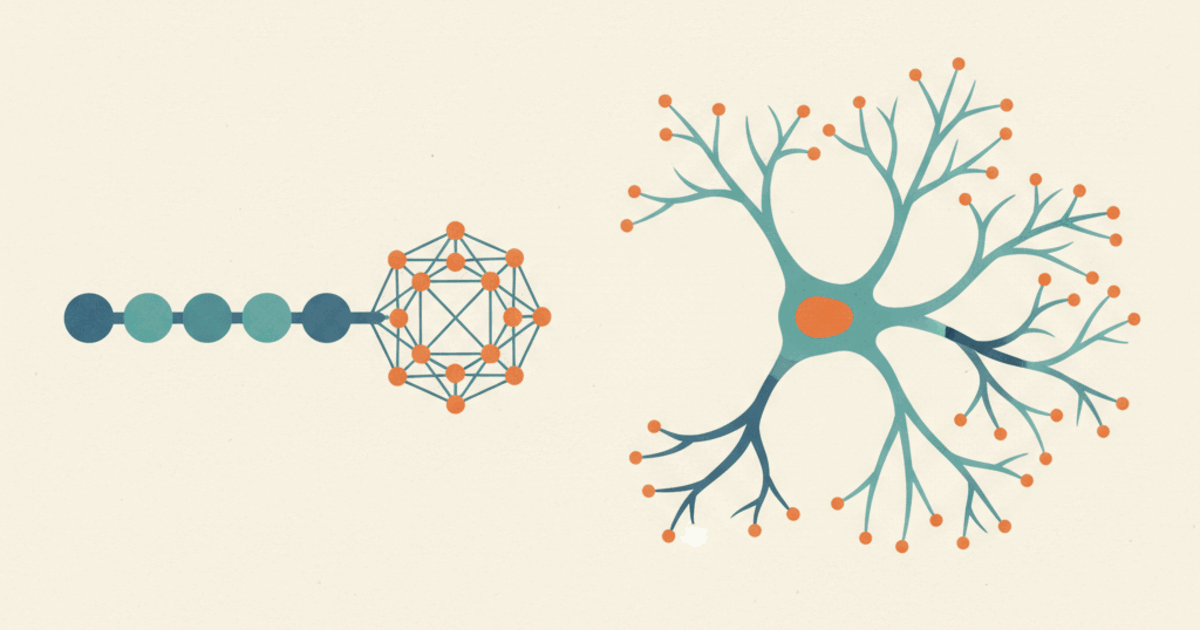
P021 is a synthetic peptidomimetic: mostly a peptide, but not entirely one. Four of its building blocks are ordinary amino acids, aspartate, glycine, glycine and leucine. The fifth is adamantylglycine, a laboratory construction with a rigid carbon cage [5], [6].
Those four amino acids are not invented. They copy positions 148 to 151 of human ciliary neurotrophic factor, a nerve growth protein, and that stretch reads DGGL in the reference sequence [13]. The molecule was first described in 2010 by a group at a New York State institute on Staten Island [14].
The name trap: P021 is not the protein p21
This point comes first because almost every search for "p21" lands in the wrong place. In cell biology, p21 means the cyclin-dependent kinase inhibitor 1, a human protein of 164 amino acids encoded by the gene CDKN1A, also called CIP1, WAF1 and SDI1 [4].
That protein halts cell division and is central to the p53 response and to cellular ageing. It shares no sequence, no mechanism and no function with the substance on this page [4], [5].
The collision is pure numbering. The protein is named after its mass of roughly 21 kilodalton; the peptide carries an internal laboratory compound number. Nothing written about that protein applies here: not the arrest of cell division, not senescence, not tumour suppression.
Why the written form misleads
Papers often abbreviate the molecule as Ac-DGGLAG-NH2, which invites reading six amino acids, D-G-G-L-A-G. The developing group itself calls the substance a "tetra-peptide" and writes that "admantylated glycine was added to its C-terminal" [6].
The accurate forms are Ac-DGGL-Ag-NH2 and Ac-DGGL(A)G-NH2 [15]. The chemical record confirms it, showing an adamantane cage with a carbamoyl group at the leucine end [5].
Quick facts
| Field | Value | Ref |
|---|---|---|
| Chain | Asp-Gly-Gly-Leu, acetylated at the front, adamantylglycine at the back | [6], [5] |
| Written as | Ac-DGGL-Ag-NH2, also Ac-DGGL(A)G-NH2 | [6], [15] |
| Formula and mass | C27H42N6O8, 578.7 g/mol | [5] |
| Structure key | InChIKey LUJZBZPLIRWWGJ-ZKHAZHQOSA-N | [5] |
| Registry number | CAS 1246751-68-7 | [5] |
| Chemical record | PubChem CID 56599151, UNII VV8CZC8PAS | [5] |
| Copied from | Human ciliary neurotrophic factor, positions 148 to 151 | [13] |
| Direct precursor | Peptide 6, the unmodified 11-part chain VGDGGLFEKKL | [13], [16] |
| Curated chemistry records | No DrugBank entry, no Wikidata item found | [3], [17] |
| Approved name | None. No international non-proprietary name, no ATC code | [18] |
| How long it lasts | Over three hours in mouse plasma; no human figure | [18] |
| Registered studies in people | None, in any phase | [1], [2], [3] |
| Development stage | Pre-clinical, with company-announced preparatory work | [19] |
| Originating group | New York State Institute for Basic Research, Staten Island | [14] |
How it works
The account below is a proposal, not an established mechanism. Every step rests on cell cultures and rodents, and almost all of it comes from one laboratory [20].
- Blocking a brake on new nerve cells. Leukaemia inhibitory factor, a signalling protein, suppresses the formation of neural precursor cells. P021 would compete with it. In cell culture it reduced the signal that factor triggers, measured as STAT3 phosphorylation, by about 30 per cent [14], [16].
- Raising BDNF. Brain-derived neurotrophic factor, a signalling protein that helps nerve cells survive and form connections, rose in treated rodents in several experiments from the originating group [21], [22].
- Switching off a tau kinase. Through BDNF and its receptor pathway, the enzyme GSK-3β would be inactivated by a phosphate group at serine 9. That enzyme is the main one that attaches phosphate groups to tau, a protein that normally stabilises the internal scaffolding of a nerve cell and that clumps together when too many such groups are attached [22], [20].
- Getting into the brain. The adamantane cage was added to raise fat solubility and to shield the molecule from enzymes that trim peptide ends [6]. How much actually reaches the brain has never been measured directly, and the independent 2025 analysis records brain penetration as not documented [3].
Two caveats matter more than the diagram. The independent group that tested the chain in living animals saw no BDNF rise at all, which breaks it at the second step [7].
And the parent protein is not a model to reason from. Full ciliary neurotrophic factor suppresses appetite and failed in people; P021 was built precisely because that protein does not work as a medicine [23], [18].
What the studies found
The whole record is rodents, cell cultures and one imaging series. A PubMed search on 16 September 2026 returned 45 records for the term, 26 of them about this substance, and none of them about people [1], [3].
Most of the animals used are engineered mouse strains bred to show some of the changes seen in a human disorder. Naming what a strain models says what the experiment was about. It says nothing about whether the substance helps anyone, and no result below has ever been tested in a person.
Tau phosphorylation
Animal data This is the most consistently reproduced finding. The animals are 3xTg-AD mice, a strain carrying three inserted gene variants linked to Alzheimer's disease and used as a laboratory model of it. In these mice, 12 months of treatment in feed lowered phosphorylated tau at the usual detection sites. Total tau in the brain was unchanged [15].
With treatment started at three months of age and continued for up to 18 months, tau phosphorylation was reduced by roughly 50 per cent [3], [24]. In aged Fisher rats given the substance by gavage for 88 days, total tau fell in the hippocampus but not in the cortex. Tau in the spinal fluid dropped to the level of young animals [25].
Amyloid
Animal data Much weaker and partly self-cancelling. Amyloid-β is the protein fragment that forms the deposits, or plaques, these mice are bred to develop. With treatment from nine to ten months of age, the still dissolved forms Aβ40 and Aβ42 fell significantly at six months, and that difference was gone by twelve [15]. Insoluble, aggregated Aβ never changed at any time point [15].
With early treatment, plaque load after 18 months was about 20 per cent lower in the CA1 region and about 40 per cent lower in the subiculum [9], [3].
Survival and general condition
Animal data The largest single effect in the whole literature is not cognitive.
3xTg-AD mice, a strain used to model Alzheimer's disease, fed 60 nmol per gram of feed from three months of age for up to 18 months, in groups of 34 and 32. The independent 2025 analysis records the difference as statistically significant but gives no test value. Hindlimb paresis occurred in 5 of 34 control animals and 1 of 32 treated animals. Sources [9], [3].
Reported alongside it: fewer hindlimb paresis cases, no tumours and no weight loss across 18 months of continuous exposure [9].
Where it did nothing
Animal data The Bologna group tested mice with the Cdkl5 gene switched off, a model of CDKL5 deficiency disorder, a severe epilepsy of early childhood. The animals received 60 nmol per gram of feed from day 21 to day 90. Memory in two tests, social behaviour, motor performance and body weight were all unchanged. Only muscle rigidity in a catalepsy test improved [7].
In that same work the cell experiments succeeded, restoring proliferation, survival and maturation. The living animals did not follow, and BDNF did not rise [7].
Where the result was thinner than it looks
Animal data Two qualifications inside the positive literature deserve naming. In the 2014 12-month experiment, the advantage in the probe trial reached only a non-significant trend [15].
In a 2021 experiment, escape latency and the number of platform crossings were unchanged; the only significant measure was time spent in the target quadrant [26], [3].
Body weight
Animal data Treated mice gained weight rather than losing it, with food intake unchanged [15]. That is the opposite of the parent protein.
A derivative of that protein, a different molecule from the one described here, was tested in people for weight loss. Over 12 weeks, 30 per cent of participants lost at least 5 per cent of their body weight, and the average loss was 4.0 kg. That programme was stopped in its third phase after side effects outside the brain and the formation of neutralising antibodies [3].
The retina experiment
Animal data Aged rats were treated for three months and mice for 18 months. Several age-related changes in the retina were less pronounced, among them photoreceptor loss and thickening of Bruch's membrane. The authors describe these changes as resembling age-related macular degeneration [27].
The model limit is severe. Rodents have no macula and no fovea, and neither vision nor electroretinography was measured [27], [3].
What is still unknown
- Whether any of this transfers to a person. There is no human study, no human pharmacokinetics and no dose-finding work [1], [3].
- How much substance reaches the brain, in any species. The central design argument has never been measured directly [3].
- Whether the mechanism holds outside the originating laboratory. The one outside in-vivo test contradicted it [7].
- Whether there is a cancer risk. No carcinogenicity study to regulatory standard has been published, though 18-month mouse experiments report no tumours [9].
- What an injected solution would do. Almost the entire record is oral [18].
Side effects and safety
Nothing is known about safety in people, and that is not the same as a clean record. No person has been studied while taking the substance, so no adverse effect could have been recorded [3].
What was observed in animals
- No visible harm over 18 months. In mice treated from month 3 to month 21 the papers report no weight loss, no tumours and no signs of pain [9].
- No change in general condition. Coat, posture, grasp reflex, body temperature and anxiety behaviour in the elevated plus maze were unchanged over 6 to 12 months of treatment [15].
- No detectable immune reaction in rats. The authors of the 88-day gavage study state this explicitly [25].
- Weight gain rather than loss, which separates this molecule from its parent protein [15].
What is missing
- No human exposure data of any kind, and no human pharmacokinetics [3].
- No published carcinogenicity or reproductive toxicity testing to regulatory standard.
- No immunogenicity data in people. A 2023 review names antibody formation against the substance as a possible unwanted event, while noting that none has been seen so far [28].
- No published work on interactions with other substances [3].
- No defined contraindications, because there is no authorisation, no product information and no human data.
One claim circulating about safety needs a label. Company statement · The licensee said in August 2023 that the substance "is very safe, even up to 550-fold the therapeutic dose, and has no off-target activity" [19]. That is an unreviewed statement with no accessible data, and the phrase "therapeutic dose" is circular, since no human dose exists.
A note on the parent protein, for context rather than as a finding. In a trial in people, ciliary neurotrophic factor given under the skin caused appetite loss, muscle wasting, increased pain sensitivity, severe cramps, nausea and fever, without benefit [3], [23]. Those effects did not appear under P021 in animals.
Vials sold for research are made under no pharmaceutical quality system, so sterility, endotoxin content and actual content are unknown [29]. Injecting non-sterile material carries the usual risks of abscess, vein inflammation and blood-borne infection.
Doses used in studies
These are the amounts used in the cited studies, reproduced for reference. They give parameters from the published literature and are not a dosing or application recommendation of any kind.
Every line below is an animal experiment. Two things make these figures untransferable. Most are a concentration in feed, in nanomoles per gram, which depends on how much a given animal eats. And the route is almost always oral [18].
| Study | Model | Amount | Route | Duration | Ref |
|---|---|---|---|---|---|
| Li 2010, first description | Adult C57Bl/6 mice, 8 to 10 months old | 25 nmol per day | Slow-release pellets under the skin | 35 days | [14], [3] |
| Kazim 2014 | 3xTg-AD mice, an Alzheimer's model, from 9 to 10 months of age | 60 nmol per gram of feed | By mouth, in specially made feed | 12 months | [15] |
| Baazaoui 2017 | 3xTg-AD mice, from 3 months of age | 60 nmol per gram of feed | By mouth, in feed | Up to 18 months | [24], [9] |
| Kazim 2017 | Ts65Dn mice, a model of Down's syndrome | 200 nmol per gram of feed | By mouth, in feed | Gestation day 8 to postnatal day 21 | [21] |
| Wei 2020 | 3xTg-AD mice, dams treated | 60 nmol per gram of feed | By mouth, in the mother's feed | Prenatal day 8 to postnatal day 21 | [30] |
| Wei 2021 | 3xTg-AD mice, from birth | Not stated in the abstract | By mouth, in feed | Birth to postnatal day 120 | [26] |
| Bolognin 2014, Khatoon 2015 | Aged Fisher rats, 19 to 24 months old | 500 nmol per kilogram per day, that is 289.15 µg per kilogram | By gavage, in 10 ml saline per kilogram | 88 days | [22], [25] |
| Liu 2019, retina | 3xTg-AD mice and aged rats | 60 nmol per gram of feed; 500 nmol per kilogram per day | Feed; gavage | 18 months; 3 months | [27] |
| Mottolese 2024 | Cdkl5 knockout mice, a model of CDKL5 deficiency disorder | 60 nmol per gram of feed | By mouth, in feed | Postnatal day 21 to 90 | [7] |
No human dose exists. The independent 2025 analysis states it plainly: "Dosage for human use has not been established" [3].
The figures circulating in trade descriptions do not match this table either. They name 50 to 100 nmol per day, with injection under the skin, into the abdomen or into the nose [11], [12]. The 50 nmol figure belongs to a head-injury experiment run with the precursor peptide, not with P021 [31].
Development and approval status
Sixteen years of animal work, no trial in people
- 2009-2011The precursor is describedPeptide 6, the unmodified 11-part chain from positions 146 to 156 of the parent protein
- 2010First description of the molecule itselfNamed P21 at the time; adamantane added to survive enzymes and cross into the brain
- 2014The key rodent experimentTwelve months of oral treatment; tau phosphorylation down, insoluble amyloid unchanged
- 2017Long early-treatment seriesSurvival 87 per cent against 41 per cent at week 71, in groups of 32 and 34
- 2023-08The licensee announces preparatory workUnreviewed company statement about manufacturing and studies to support a regulatory filing
- 2024The one independent test in living animals failsNo BDNF rise, no improvement in brain structure, behaviour unchanged
- 2026Imaging series continues under public fundingA four-year American grant to a university group, running 2023 to 2026
- 16 September 2026Registers checkedNo approval anywhere, no registered study in people, no non-proprietary name, no product
There is no approved product anywhere in the world. There is also no registered trial in people, in any register, at any time [1], [2].
The licensee holds a worldwide licence to develop the substance. The originating group's leader is its co-founder and chief scientific officer, and co-inventor of the patents [8]. In August 2023 the company said it had manufactured three batches and completed acute toxicology, and was moving to manufacturing and regulatory-filing work [19].
Three years later no registered study exists. Regulatory filings of that kind are not published, so their absence from public view proves nothing on its own [19]. The company pipeline page carried no phase data when checked [32].
| Market | Status | Note | Ref |
|---|---|---|---|
| United States | Not approved | No product record, no label, and absent from both compounding lists | [33], [34], [35] |
| European Union | Not approved | No authorisation and no registered trial | [2] |
| Germany | Not approved | Unapproved medicine; not named in the anti-doping annex | [36] |
| United Kingdom | Not approved | No product; the finding rests on the other registers, not on a direct query | [18] |
| Australia | Not approved | Absent from the Poisons Standard, which is not permission | [37] |
| Canada | Not approved | The medicines database returns nothing; a control query works | [38] |
| Switzerland | Not approved | No authorisation; a 2026 customs action covered peptides as a class | [39] |
Two rows need care. The British row is the weakest on this page, because the product database could not be queried directly and the conclusion is drawn from every other register [18].
The American row means more than absence. The substance was never even put forward for pharmacy compounding, so there is no lawful route to prepare it for a person there [34], [35].
Public money is still flowing into animal work. An American grant, running 2023 to 2026 over four funded years, supports the imaging series at a university group [40]. The patents are held by the research foundation behind the originating institute, with the group's leader and his late colleague as inventors [41].
One paper in this literature has been retracted. It compared the precursor peptides with another preparation in 2011, and it is not one of the studies the evidence above rests on [42]. The reason for the retraction was not established here.
All registers were checked on 16 September 2026.
Anti-doping
P021 is banned at all times, in and out of competition. Category S0 of the 2026 Prohibited List covers "any pharmacological substance which is not addressed by any of the subsequent sections of the List and with no current approval by any governmental regulatory health authority for human therapeutic use" [10].
The name is not printed on the list. That is not a gap: the clause names "drugs under pre-clinical or clinical development" as a worked example, which describes this substance exactly [10].
Section S2.3, which covers growth factors, does not apply. Its catch-all is tied to effects on muscle, tendon, ligament, blood vessels or fibre type, and the documented effects here are confined to the brain [10].
German anti-doping law lists substances one by one and does not name this one. Its criminal provision therefore does not reach the substance, and the sporting ban is unaffected by that [36].
No published test for detecting it in a sample was found [1]. A missing routine test changes nothing about the ban. More detail is in the overview of peptides banned in sport.
Compared with related peptides
The published value comes from the chemical record for CID 56599151. The trade figure of about 1,100 Da and the description of an 11-amino-acid chain both point at the precursor peptide, whose average mass was calculated here from its sequence for comparison only. Sources [5], [11], [13].
| Peptide | Relation to P021 | What the checks behind this page found |
|---|---|---|
| P021 | — | Four amino acids plus an adamantane cage, 578.7 g/mol; no study in people [5], [1] |
| Peptide 6 | The direct precursor, unmodified | The 11-part chain VGDGGLFEKKL; several much-cited experiments used this, not P021 [13], [16] |
| Dihexa | Another small molecule built to reach the brain | Also pre-clinical, also without a registered study in people |
| Cerebrolysin | A protein preparation with the same target field | Licensed in several countries; the retracted 2011 paper compared it with the precursors [42] |
| Semax | A short peptide from a different parent protein | Russian authorisation exists; a different regulatory situation entirely |
| Selank | A short peptide of the same Russian series | As with Semax, a national authorisation rather than a research molecule |
| Pinealon | A very short peptide from another series | Sold as a capsule in Russia; no comparable animal programme |
The comparison is not about strength, because no two of these have been measured against each other in people. It shows where P021 sits: alone, with a large rodent literature from essentially one group and nothing beyond it.
The most important row is the second. A substantial part of what circulates as evidence for P021 was produced with the precursor peptide. That is a different molecule, with a different mass and different behaviour in the body [31], [16].
Common misconceptions
- "P021 is the p21 everyone writes about." No. That p21 is a human protein of 164 amino acids from the gene CDKN1A, and it stops cell division [4]. Nothing said about senescence or tumour suppression transfers to this molecule [5].
- "Ac-DGGLAG-NH2 means six amino acids." No. The Ag is one building block, adamantylglycine. The originating group calls the substance a tetra-peptide, and the chemical structure shows the cage [6], [5].
- "Peptide 6 studies are P021 studies." No. The first description of the precursor itself, the head-injury work, the early experiment in Alzheimer-model mice and the rat serum experiment all used the 11-part chain, not P021 [16], [31], [43], [44]. Counting them here roughly doubles the apparent evidence.
- "It is a form of the parent protein." No. It copies four positions out of 200 and was designed because the full protein failed, with a half-life of 2.9 minutes and severe effects in people [23], [18]. A licensed preparation of that protein exists in the United States as an implanted cell therapy, and has nothing to do with this molecule [3].
- "Orally available means proven in people." No. Documented are stability in simulated gastric and intestinal fluid, over 90 per cent after 30 minutes and 100 per cent after two hours, both at 37 degrees Celsius. Rodents also responded to oral dosing [18]. Bioavailability in a person has never been measured.
- "The animal models mean it works on the conditions those models are named after." No. 3xTg-AD mice carry inserted gene variants linked to Alzheimer's disease, and Ts65Dn mice carry extra genetic material as a model of Down's syndrome. Both are engineered laboratory strains, not miniature people. Naming what a strain models describes the experiment and nothing more: no study in a person exists, so nothing here shows any effect on any of these conditions in people [1], [3].
- "A vial labelled P21 contains P021." Not demonstrably. One trade page gives no sequence and a mass range of 500 to 700 Da; two databases give figures matching the precursor instead [29], [11], [12].
Frequently asked questions
Is P021 the same thing as the protein p21?
No, and this is the most common error about it. In biology p21 almost always means the cyclin-dependent kinase inhibitor 1, a human protein of 164 amino acids encoded by the gene CDKN1A. P021 is a synthetic molecule of 578.7 g/mol built from four amino acids of a different protein. The shared name is a coincidence of numbering.
What is P021 actually made of?
Four amino acids in a row, aspartate, glycine, glycine and leucine, with an acetyl group at the front and an adamantane cage at the back. It is written Ac-DGGL-Ag-NH2. The short form Ac-DGGLAG-NH2 is widely misread as six amino acids, but the Ag stands for adamantylglycine, a single non-natural building block.
Has P021 ever been tested in people?
No, in no phase and in no country. On 16 September 2026 the American trial registry returned zero records for P021 as an intervention, while a control query for semaglutide returned 755. The European register returned the words Query did not match any clinical trials. An independent 2025 analysis lists clinical trials as none.
What did the animal studies of P021 find?
Reduced tau phosphorylation, higher BDNF and better maze performance in mice and rats, almost all of it from one laboratory. The most striking single number is survival in one long experiment: 87 per cent of treated animals against 41 per cent of controls at week 71. The amyloid results were weaker and partly vanished over time.
Is P021 approved as a medicine anywhere?
No, nowhere and for nothing. There is no authorisation in the United States, the European Union, Germany, the United Kingdom, Australia, Canada or Switzerland. There is no international non-proprietary name, no ATC code and no marketed product of any kind.
Why did the independent study of P021 fail?
A group in Bologna tested it in mice lacking the Cdkl5 gene, a laboratory model of CDKL5 deficiency disorder. This is the only published attempt by an outside laboratory in living animals. Cell experiments worked, but chronic treatment failed to raise BDNF and did not improve brain structure. Memory, social behaviour and motor tests were unchanged. Only muscle rigidity in one test improved.
What are the side effects of P021?
Unknown, because no person has ever been studied while taking it. In mice treated for up to 18 months the papers report no weight loss, no tumours and no change in general condition. There is no published carcinogenicity testing, no human pharmacokinetics and no immunogenicity data in people.
How was P021 given in the published studies?
Almost always by mouth, mixed into specially made feed or delivered by gavage. The one exception is the 2010 first description, which used implanted slow-release pellets under the skin. Injecting a reconstituted solution matches no published experiment with this substance.
Is P021 banned in sport?
Yes, at all times, in and out of competition. Category S0 of the 2026 Prohibited List covers any drug-like substance that no health authority has approved for human therapeutic use, and names pre-clinical candidates explicitly. P021 is not printed on the list by name, and that absence is not a loophole.
Can a buyer tell whether a vial labelled P21 contains P021?
Not from the published product information. One trade page gives no sequence and only a mass range of 500 to 700 Da. One database claims about 1,100 Da, roughly double the real figure, and another calls it an 11-amino-acid chain. Both errors match the precursor peptide rather than P021.
Sources
- ClinicalTrials.gov, API v2. Query on 16 September 2026: intervention "P021" with count, total count 0. Control query intervention "semaglutide" returns 755 studies. A free-text query for "P021" returns five unrelated studies whose internal study numbers happen to contain the string. A PubMed search on the same day returned 45 records for the term, 26 of them about this substance, and none on detection in doping analysis. https://clinicaltrials.gov/api/v2/studies
- EU Clinical Trials Register, search "P021", retrieved 16 September 2026. Returned the words "Query did not match any clinical trials" and "Query did not match any studies". https://www.clinicaltrialsregister.eu/ctr-search/search?query=P021
- Alzheimer's Drug Discovery Foundation. Cognitive Vitality Report, P021, state of 12 May 2025. PDF read 16 September 2026. Records "Clinical trials: none", "Availability: not available", "Safety in humans has not been assessed", "Dosage for human use has not been established", "BBB: not documented" and a check of DrugBank returning zero. https://www.alzdiscovery.org/uploads/cognitive_vitality_media/P021.pdf
- UniProtKB P38936. Cyclin-dependent kinase inhibitor 1, gene CDKN1A, alternative name p21, synonyms CIP1, WAF1, SDI1, CAP20, MDA6, PIC1; 164 amino acids. REST API, retrieved 16 September 2026. https://rest.uniprot.org/uniprotkb/P38936.json
- PubChem, compound CID 56599151. C27H42N6O8, 578.7 g/mol, InChIKey LUJZBZPLIRWWGJ-ZKHAZHQOSA-N, CAS 1246751-68-7, UNII VV8CZC8PAS; synonym list including "P-21 nootropic peptide". PUG-REST, retrieved 16 September 2026. https://pubchem.ncbi.nlm.nih.gov/compound/56599151
- Baazaoui N, Iqbal K (2017). Prevention of dendritic and synaptic deficits and cognitive impairment with a neurotrophic compound. Alzheimers Res Ther 9(1):45. PMID 28655344. DOI 10.1186/s13195-017-0273-7. Contains the clearest description of the modification: "Admantylated glycine was added to its C-terminal to increase its blood-brain barrier permeability and decrease its degradation by exopeptidases."
- Mottolese N, Loi M, Trazzi S, Tassinari M, Uguagliati B, Candini G, Iqbal K, Medici G, Ciani E (2024). Effects of a ciliary neurotrophic factor (CNTF) small-molecule peptide mimetic in an in vitro and in vivo model of CDKL5 deficiency disorder. J Neurodev Disord 16(1):65. PMID 39592934. DOI 10.1186/s11689-024-09583-4. The only published in-vivo test by a largely independent group: "chronic in vivo P021 treatment failed to increase BDNF levels and did not improve neuroanatomical defects in Cdkl5 KO mice, resulting in limited behavioral benefit."
- Falangola MF, Voltin J, Cole M, Nietert PJ, Liu F, Iqbal K, Jensen JH (2026). Magn Reson Imaging 129:110641. PMID 41740658. DOI 10.1016/j.mri.2026.110641. Its declaration of interest states: "KI has several US patents on the treatment of different neurodegenerative disorders with Peptide P021 and its precursor peptide and derivatives and is co-founder and Chief Scientific Officer of Phanes Biotech, Inc. which has a worldwide license to develop it as a therapeutic drug." A corrigendum to this paper appeared in 2026, Magn Reson Imaging 130:110677, PMID 41945082.
- Baazaoui N, Iqbal K (2017). Prevention of Amyloid-β and Tau Pathologies, Associated Neurodegeneration, and Cognitive Deficit by Early Treatment with a Neurotrophic Compound. J Alzheimers Dis 58(1):215-230. PMID 28387677. DOI 10.3233/JAD-170075. Source of the survival figures, 41 per cent against 87 per cent at week 71 in 34 and 32 animals, of the hindlimb paresis counts and of the plaque load reductions.
- World Anti-Doping Agency. World Anti-Doping Code International Standard Prohibited List 2026, in force 1 January 2026. Local full text searched 16 September 2026 for "P021", "P-21", "adamant", "ciliary", "CNTF" and "neurotroph": no match. Section S0 quoted, including the wording "drugs under pre-clinical or clinical development or discontinued". Section S2.3 read in full and found not to apply. Controls present in the same text: BPC-157 in S0, thymosin-β4 and TB-500 in S2.3.
- peptide-db.com, entry for "p21", read 16 September 2026, cited only as evidence of what circulates in trade descriptions. States a molecular weight of about 1,100 Da, gives no sequence, names administration under the skin or into the abdomen, and does not mention the collision with the protein p21.
- peptidelist.org, entry for "p21", read 16 September 2026, cited only as evidence of what circulates in trade descriptions. Describes the substance as an "11-amino-acid sequence corresponding to a biologically active region of CNTF (residues 148-151 with an adamantane modification)", which is self-contradictory, and names 50 to 100 nmol per day with injection under the skin or into the nose.
- UniProtKB P26441. Ciliary neurotrophic factor, human, 200 amino acids. REST API, retrieved 16 September 2026; positions 146 to 156 cut out programmatically give VGDGGLFEKKL and positions 148 to 151 give DGGL. The average mass of the 11-part chain, about 1,162 Da, was calculated here from residue masses for comparison only. https://rest.uniprot.org/uniprotkb/P26441.json
- Li B, Wanka L, Blanchard J, Liu F, Chohan MO, Iqbal K, Grundke-Iqbal I (2010). Neurotrophic peptides incorporating adamantane improve learning and memory, promote neurogenesis and synaptic plasticity in mice. FEBS Lett 584(15):3359-3365. PMID 20600002. DOI 10.1016/j.febslet.2010.06.025. First description, under the name P21, with the short form Ac-DGGLAG-NH2.
- Kazim SF, Blanchard J, Dai CL, Tung YC, LaFerla FM, Iqbal IG, Iqbal K (2014). Disease modifying effect of chronic oral treatment with a neurotrophic peptidergic compound in a triple transgenic mouse model of Alzheimer's disease. Neurobiol Dis 71:110-130. PMID 25046994. DOI 10.1016/j.nbd.2014.07.001. Writes the substance as "P021 (Ac-DGGL(A)G-NH2)". Source of the tau, amyloid, body weight and general condition findings and of the non-significant probe trial.
- Chohan MO, Li B, Blanchard J, Tung YC, Heaney AT, Rabe A, Iqbal K, Grundke-Iqbal I (2011). Enhancement of dentate gyrus neurogenesis, dendritic and synaptic plasticity and memory by a neurotrophic peptide. Neurobiol Aging 32(8):1420-1434. PMID 19767127. DOI 10.1016/j.neurobiolaging.2009.08.008. First description of the precursor peptide and of the competitive mechanism at the leukaemia inhibitory factor pathway.
- Wikidata, negative finding, 16 September 2026. A search for "P021 peptide" returns an empty result array, and a SPARQL query on CAS number 1246751-68-7 returns no bindings. The substance is not recorded there.
- Kazim SF, Iqbal K (2016). Neurotrophic factor small-molecule mimetics mediated neuroregeneration and synaptic repair: emerging therapeutic modality for Alzheimer's disease. Mol Neurodegener 11(1):50. PMID 27400746. DOI 10.1186/s13024-016-0119-y. Review by the originating group. Source of the plasma half-life above three hours in the mouse, of the stability figures in simulated gastric and intestinal fluid, and of the 2.9-minute half-life of the parent protein. The absence of an international non-proprietary name and of an ATC code follows from the absence of any authorisation; the British finding is derived from the other registers, because the product database there renders its results only after running scripts and was not evaluated.
- bio.news, article on the NIH Innovation Zone, 7 August 2023, read 16 September 2026. Source of the company statements on manufacture of three batches, acute toxicology, and work towards a regulatory filing, and of the claim that the substance "is very safe, even up to 550-fold the therapeutic dose, and has no off-target activity". Not peer reviewed. https://bio.news/health/phanes-biotech-nih-innovation-zone-boston-convention-alzheimers-dementia/
- Iqbal K (2024). Tau and Alzheimer's disease: past, present and future. Cytoskeleton (Hoboken) 81(1):116-121. PMID 38126608. DOI 10.1002/cm.21822. Carries the same declaration of interest regarding the licensee.
- Kazim SF, Blanchard J, Bianchi R, Iqbal K (2017). Early neurotrophic pharmacotherapy rescues developmental delay and Alzheimer's-like memory deficits in the Ts65Dn mouse model of Down syndrome. Sci Rep 7:45561. PMID 28368015. DOI 10.1038/srep45561. Source of the 200 nmol per gram figure and of the roughly doubled BDNF in that strain.
- Bolognin S, Buffelli M, Puoliväli J, Iqbal K (2014). Rescue of cognitive-aging by administration of a neurogenic and/or neurotrophic compound. Neurobiol Aging 35(9):2134-2146. PMID 24702821. DOI 10.1016/j.neurobiolaging.2014.02.017.
- Blanchard J, Chohan MO, Li B, Liu F, Iqbal K, Grundke-Iqbal I (2010). Beneficial effect of a CNTF tetrapeptide on adult hippocampal neurogenesis, neuronal plasticity, and spatial memory in mice. J Alzheimers Dis 21(4):1185-1195. PMID 20952820. DOI 10.3233/JAD-2010-1000069. Describes the precursor tetrapeptide GDDL and the adverse effect profile of the full parent protein in people.
- Baazaoui N, Iqbal K (2018). A Novel Therapeutic Approach to Treat Alzheimer's Disease by Neurotrophic Support During the Period of Synaptic Compensation. J Alzheimers Dis 62(3):1211-1218. PMID 29562539. DOI 10.3233/JAD-170839.
- Khatoon S, Chalbot S, Bolognin S, Puoliväli J, Iqbal K (2015). Elevated Tau Level in Aged Rat Cerebrospinal Fluid Reduced by Treatment with a Neurotrophic Compound. J Alzheimers Dis 47(3):557-564. PMID 26401692. DOI 10.3233/JAD-142799. Source of the 88-day gavage findings, of the unchanged Aβ signal in spinal fluid and of the absence of a detectable immune reaction in rats.
- Wei W, Liu Y, Dai CL, Baazaoui N, Tung YC, Liu F, Iqbal K (2021). Neurotrophic Treatment Initiated During Early Postnatal Development Prevents the Alzheimer-Like Behavior and Synaptic Dysfunction. J Alzheimers Dis 82(2):631-646. PMID 34057082. DOI 10.3233/JAD-201599. The abstract does not state the amount used; the figure from the preceding paper by the same group is not carried over here.
- Liu Y, Wei W, Baazaoui N, Liu F, Iqbal K (2019). Inhibition of AMD-Like Pathology With a Neurotrophic Compound in Aged Rats and 3xTg-AD Mice. Front Aging Neurosci 11:309. PMID 31803044. DOI 10.3389/fnagi.2019.00309.
- Lozupone M, Dibello V, Sardone R, et al. (2023). The development of peptide- and oligonucleotide-based drugs to prevent the formation of abnormal tau in tauopathies. Expert Opin Drug Discov 18(5):515-526. PMID 37042028. DOI 10.1080/17460441.2023.2200245. Outside review; names antibody formation against the substance as a possible unwanted event.
- vpeptide.com, product page for "P21 (P021)", read 16 September 2026, cited only as evidence of what is offered in trade. A 10 mg freeze-dried vial for buyer reconstitution, no sequence given, molecular weight stated only as a range of 500 to 700 Da with the note to verify the exact form against the batch certificate, labelled "intended for laboratory research use only. Not for human or veterinary use."
- Wei W, Wang Y, Liu Y, Dai CL, Tung YC, Liu F, Iqbal K (2020). Prenatal to early postnatal neurotrophic treatment prevents Alzheimer-like behavior and pathology in mice. Alzheimers Res Ther 12(1):102. PMID 32854771. DOI 10.1186/s13195-020-00666-7.
- Chohan MO, Bragina O, Kazim SF, Statom G, Baazaoui N, Bragin D, Iqbal K, Nemoto E, Yonas H (2015). Enhancement of neurogenesis and memory by a neurotrophic peptide in mild to moderate traumatic brain injury. Neurosurgery 76(2):201-214. PMID 25255260. DOI 10.1227/NEU.0000000000000577. Run with the precursor peptide at 50 nmol per day for 30 days, the figure that trade descriptions attribute to P021.
- Phanes Biotech, Inc., company profile on Synapse/PatSnap, read 16 September 2026. Lists P021 and a tau antibody as pipeline entries, with no phase data posted. https://synapse.patsnap.com/organization/8b3f331b7f87b21f7feaef40be84f45a
- openFDA, Drugs@FDA and label endpoints, retrieved 16 September 2026. A generic-name query for "P021" returns NOT_FOUND in both; a control query for semaglutide returns a record. DailyMed, drug names service v2, database state 15 September 2026: zero elements for "P021", two for the control. https://api.fda.gov/drug/drugsfda.json
- US Food and Drug Administration. Bulk Drug Substances Used in Compounding Under Section 503A of the Federal Food, Drug and Cosmetic Act, page state 14 May 2026, read 16 September 2026. Neither P021 nor P-21 nor the precursor peptide appears.
- US Food and Drug Administration. Certain Bulk Drug Substances for Use in Compounding that May Present Significant Safety Risks, read 16 September 2026. P021 does not appear, in the category 2 table or among withdrawn nominations. Controls found in the same document: ibutamoren mesylate, GHRP-2, GHRP-6, ipamorelin acetate, kisspeptin-10, BPC-157, CJC-1295, selank acetate, semax, thymosin alpha-1. A 2026 warning letter to a peptide seller was also read in full and does not name this substance; it states that "despite statements on your product labeling marketing your products 'for research use only' and 'not for human or veterinary use,' evidence obtained from your website establishes that your products are intended to be drugs for human use."
- German Anti-Doping Act, annex to section 2 paragraph 3, published as BGBl. 2023 I No. 67, full text read 16 September 2026. P021 and P-21 do not appear, and nor do the parent protein or adamantane compounds. Section II number 3 names only mecasermin, IGF-1 analogues, mechano growth factors and thymosin-β4 with TB-500. The closing sentence extends the listed substances to their salts, esters, ethers, isomers, complexes and derivatives, and creates no open similarity clause. Controls found in the same text: ipamorelin, TB-500, AICAR, somatropin. https://www.gesetze-im-internet.de/antidopg/anlage.html
- Therapeutic Goods (Poisons Standard—June 2026) Instrument 2026, Australia. Local full text searched 16 September 2026 for "P021", "P-21", "adamantan", "leucinamide" and the registry number: no match. Controls found in the same text: IPAMORELIN, THYMOSIN, SEMAGLUTIDE, GROWTH FACTOR. A direct query of the Australian register failed with a server error on the day of checking.
- Health Canada, Drug Product Database, active ingredient endpoint, retrieved 16 September 2026. A query for "P021" returns an empty array; the control query for semaglutide returns 49 records. https://health-products.canada.ca/api/drug/activeingredient/
- Swiss Federal Office for Customs and Border Security, with Swissmedic and Swiss Sport Integrity. Joint action "Peptide 2026", notice of 30 June 2026, read 16 September 2026. Of 46 shipments checked, 23 were held back, 21 classed as doping substances and 2 as medicines, with roughly 80 per cent arriving from Poland. States that declarations such as "research chemical" or "not for human use" change nothing where products are marketed for use in people. No individual peptide is named.
- NIH RePORTER, API v2, retrieved 16 September 2026. Project R01AG057602, four funded years 2023 to 2026, held at the Medical University of South Carolina. A full-text search of titles and abstracts for the substance returns the same four records and nothing else.
- United States patents 8,592,374, 8,796,214 (filed 12 November 2012, granted 5 August 2014), 8,796,215 and 9,327,011, all titled "Neurotrophic peptides", plus application US 2014/0357572 A1. Assignee: Research Foundation for Mental Hygiene, Inc.; inventors Khalid Iqbal and Inge Grundke-Iqbal. Numbers, titles, assignee and the claimed 11-part sequence were confirmed through register summaries and through the declarations of interest in the publications above; the patent full texts were not accessible on 16 September 2026, so the claim set itself was not read and the legal status was not verified.
- Rockenstein E, Ubhi K, Doppler E, Novak P, Moessler H, Li B, Blanchard J, Grundke-Iqbal I, Iqbal K, Mante M, Adame A, Crews L, Masliah E (2011). Regional comparison of the neurogenic effects of CNTF-derived peptides and cerebrolysin in AβPP transgenic mice. J Alzheimers Dis 27(4):743-752. PMID 21860085. DOI 10.3233/JAD-2011-110914. Recorded in PubMed as a retracted article, with the retraction noted as J Alzheimers Dis 2026;111(4):1893, DOI 10.1177/13872877261442048. The wording of that notice was not read, so the reason for the retraction is not established here. The paper concerns the precursor peptides, not P021.
- Blanchard J, Wanka L, Tung YC, Cárdenas-Aguayo MC, LaFerla FM, Iqbal K, Grundke-Iqbal I (2010). Pharmacologic reversal of neurogenic and neuroplastic abnormalities and cognitive impairments without affecting Aβ and tau pathologies in 3xTg-AD mice. Acta Neuropathol 120(5):605-621. PMID 20697724. DOI 10.1007/s00401-010-0734-6. Run with the precursor peptide.
- Kazim SF, Cárdenas-Aguayo MC, Arif M, Blanchard J, Fayyaz F, Grundke-Iqbal I, Iqbal K (2015). Sera from children with autism induce autistic features which can be rescued with a CNTF small peptide mimetic in rats. PLoS One 10(3):e0118627. PMID 25769033. DOI 10.1371/journal.pone.0118627. Run with the precursor peptide; discloses part funding by a pharmaceutical company and a provisional patent application.
Cite this page
The register checks and literature searches behind this page were run on 16 September 2026. For a substance whose entire human record is a set of empty registers, the date those searches came back empty is part of the finding.
myPeptides Research & Editing. (2026). P021 (P21): what the studies show, status and safety. Version 1.0, 16 September 2026. myPeptides Peptide Register. Retrieved from https://mypep.app/peptides/p21
How pages in this register are compiled and graded is described under methodology; the full register is at peptides.
| Version | Date | Change |
|---|---|---|
| 1.0 | 2026-09-16 | Initial publication |
Last verified: 16 September 2026. Next review: on the appearance of any registered study in people, any independent replication of the animal findings, or any change in the anti-doping classification.