
Thymogen: what the studies show, status and safety
Summary
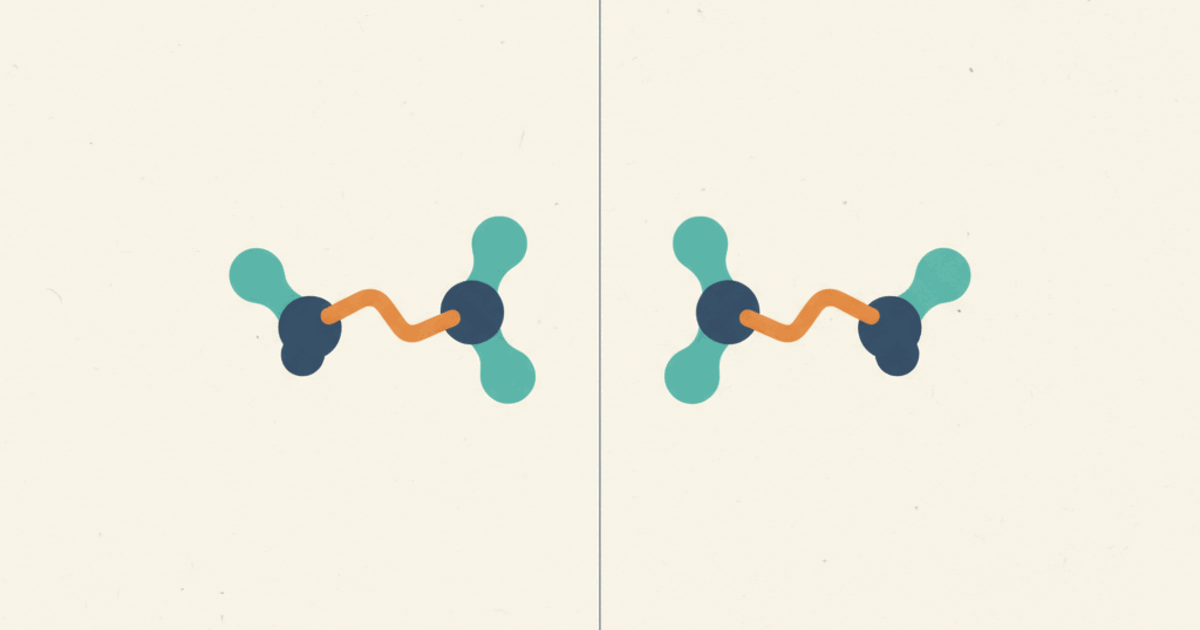
Thymogen is a synthetic dipeptide, made of just two amino acids: glutamic acid and tryptophan. Russia has approved it, and the injectable form there is prescription-only; no Western regulator has approved it in any form. Under the names oglufanide and IM-862 the same molecule reached a randomised phase 3 trial in the West and failed it, and six further Western studies ended the same way. Its mirror image, built from the D-forms of the same two amino acids, is a separate Russian medicine that suppresses the immune system instead of stimulating it.
Key findings at a glance
- The largest trial was randomised, double-blind and negative. In 202 patients, 104 on the substance and 98 on placebo, 23 per cent responded against 21 per cent, p = 0.46. The authors wrote that it "was not superior to placebo" [1].
- In that same trial, patients on the substance did worse on one measure. The middle value for time to disease progression was 16 weeks against 35 weeks on placebo, p = 0.012. The authors noted it "may accelerate time to progression" [1].
- Two further studies, one prospective and one randomised, found nothing. A study in 25 patients produced no objective responses at all, and one in 71 patients showed no advantage over placebo, p = 0.39 [2], [3].
- One country has approved it. Russia registered the nasal spray in March 2022 and the injection in February 2023, both to one St Petersburg manufacturer [4], [5]. The American, European and Canadian drug registers were queried on 20 September 2026 and returned nothing, each alongside a control substance that was found [6], [7], [8].
- Three quarters of the literature is in Russian. Of 103 PubMed records, 77 are Russian and 23 English; about 60 per cent appeared in the 1990s, and four carry the tag randomised controlled trial [9].
- The mirror-image molecule is a different medicine with the opposite effect. D-Glu-(D-Trp) is Thymodepressin, registered in Russia in 2008, which suppresses the immune system [10].
- The American regulator named it as ineligible for compounding in a warning letter of December 2025, alongside tesofensine, elamipretide and cagrilintide [11].
What it is
Thymogen is a dipeptide: two amino acids, glutamic acid and tryptophan, joined by an ordinary peptide bond. That is the whole molecule. It is the smallest substance in this register, and it is made synthetically, so it contains no animal tissue [12], [13].
Its history explains the name. In the 1980s a Moscow group separated short peptides out of thymus tissue and picked the most active one. The developers describe it plainly: "The most active peptide Glu-Trp has been studied and developed into the immunostimulating drug Thymogen" [10], [14].
The molecule then had a second life in the West. An American company, Cytran, developed the same substance for use in the nose rather than by injection, under the code IM-862, and the World Health Organization gave it the name oglufanide. The Russian medicine and the Western investigational agent are one compound [15], [16].
Quick facts
| Field | Value | Ref |
|---|---|---|
| Name | Oglufanide (international non-proprietary name); brand Thymogen in Russia | [12], [4] |
| Other names | IM-862, glufanide disodium (salt form), L-Glu-L-Trp, alpha-Glu-Trp, EW, NSC-334073 | [15], [16] |
| Class | Synthetic dipeptide, filed in Russia as an immunostimulant | [5] |
| Sequence | Glu-Trp, two amino acids, alpha peptide bond | [12] |
| Formula and mass | C16H19N3O5, 333.34 g/mol; the disodium salt is C16H17N3Na2O5, 377.30 g/mol | [12], [13] |
| Half-life | Never published, for any route | [5] |
| Routes in the Russian registration | Intramuscular injection, nasal spray, cream | [5] |
| Status | Approved in Russia only; investigational and discontinued in the West | [4], [17] |
| Developed by | Vladislav Deigin and colleagues, Russian Academy of Sciences, Moscow; manufacturer Citomed, St Petersburg | [14], [4] |
| CAS registry number | 38101-59-6 | [12] |
| PubChem CID | 100094; the salt form is 158780 | [13] |
| UNII | 4RHY598T5U; the sodium form is Q60AU1LLNU | [18] |
| InChIKey | LLEUXCDZPQOJMY-AAEUAGOBSA-N | [13] |
| WHO code | None assigned; the Russian entries give only the group code L03AX | [5], [19] |

How it works
No one has identified the receptor. What exists are binding experiments, a description in the Russian label, and one mechanistic animal study. The honest summary is that the mechanism was never settled.
- The Russian label describes regulation, not a target. It states that the preparation acts on cellular and humoral immune responses, normalises the numbers and ratios of T-cell subsets, and stimulates the scavenging activity of immune cells. No molecular target is named [5].
- A binding site exists, but it has never been identified. One group worked with a closely related isomer and found tight, saturable binding on mouse scavenger cells and thymus cells. The dissociation constants were 2.1 ± 0.1 and 3.1 ± 0.2 nanomolar. Unlabelled Thymogen displaced it, at 0.9 and 1.1 nanomolar [20].
- The binding partner is a protein on the cell surface. After the cells were treated with a protein-splitting enzyme, they no longer bound anything. That is as far as the identification goes: no gene, no cloned receptor [20].
- In mice the effect ran entirely through natural killer cells. It disappeared in animals lacking perforin, the protein those cells use to punch holes in targets, and was weakened without interleukin-12. Against human cells in a dish the dipeptide did nothing directly [21].
- In a dish it is one of several, not a standout. Compared side by side with four other Russian bioregulator peptides in a human immune-cell line, it damped the same inflammatory signals as the others. The study did not separate them by strength [22].
None of this carried into people. The animal and laboratory work above is what motivated the Western trials, and those trials, described next, did not confirm it [1], [2], [3].
What the studies found
Seven clinical studies of the substance ran in the West between 1999 and 2007. Four of them are entered in the American trial register, the other three were published without being registered, and not one produced a positive controlled result. Most Russian bioregulator peptides have no Western trials at all, so there is nothing to fail; this one was tested and failed [17].
The randomised phase 3 trial
Phase 3 RCT The trial randomised 202 patients, 104 to the substance and 98 to placebo, and ran double-blind for 24 weeks. The response rate was 23 per cent, with a range of confidence from 15 to 32 per cent, against 21 per cent on placebo, range 14 to 31 per cent. The difference was well within chance, p = 0.46 [1].
Randomised, double-blind, placebo-controlled trial in 202 patients, 104 on IM-862 and 98 on placebo, over 24 weeks. The difference was not statistically meaningful, p = 0.46, and the authors concluded that the substance was not superior to placebo. Source [1].
Phase 3 RCT The second finding points the wrong way. The middle value for time until the disease moved on was 16 weeks on the substance, with a range of confidence from 13 to 27 weeks, and 35 weeks on placebo, range 26 to 114 weeks, p = 0.012. The authors wrote that it "may accelerate time to progression". The two groups also differed slightly at the start in background treatment, 88 against 96 per cent, p = 0.042 [1].
Middle value for time until the disease progressed, from the same randomised trial in 202 patients. Longer is better, so the substance performed worse than placebo here, p = 0.012. The signal was never explained, because development stopped. Source [1].
The earlier result that was overturned
Phase 1/2 A study in 44 patients had reported a major response in 36 per cent, five of them complete and eleven partial. Patients were randomised between two treatment arms, but there was no placebo group, so nothing in the trial showed what would have happened without the substance. The middle time to a response was six weeks, with a range of three to 26. Twenty-one further patients were stable [23].
Phase 3 RCT The later trial explained that number away. Standard antiviral therapy, newly available at the time, "alone was associated with a substantial rate of sustained tumor response and may have contributed to prior estimates of IM-862 response". Anyone quoting the 36 per cent today is quoting a superseded finding [1], [23].
The remaining studies
Phase 2 A prospective study in 25 patients produced no objective responses whatsoever. Eight patients were stable and 17 worsened. Survival had a middle value of 7.9 months, range 2.7 to 20, and time to progression 1.9 months, range 1.2 to 12.6. Blood levels of a vessel-growth signal did fall measurably, which changed nothing clinically [2].
Phase 2 The authors were blunt. The substance "does not lead to any significant objective responses" in this group, and "should not be further evaluated as a single agent … for this population of patients" [2].
Randomised, double-blind A study in 71 evaluable men compared the substance against placebo over six months. Progression occurred in 14 of 34, or 41 per cent, against 18 of 37, or 49 per cent, p = 0.39. Neither group reached the middle value for time to progression. The published conclusion is that it "failed to demonstrate superiority over placebo" [3].
Phase 1 One more registered study, run by a Californian university in 43 patients between 1999 and 2001, is listed as completed. No publication of its results could be found, which leaves the largest gap in the record [17].
Terminated A further registered study, combining the substance with two chemotherapy agents, closed early after 18 patients. A last one was registered in 2001 and its status has stood at unknown ever since [17].
The Russian literature
Observational The Russian evidence is large in volume and thin in method. Of 103 PubMed records, 77 are Russian, 23 English and three Ukrainian; about 60 per cent were published in the 1990s. Nine carry the tag clinical trial and four the tag randomised controlled trial — and three of those four are the negative Western studies [9].
All 103 PubMed records for the term, retrieved and classified by language on 20 September 2026. The English quarter is dominated by the four Western studies and by chemistry papers. Source [9].
Observational The individual Russian reports are small series without control groups, usually with the substance given alongside several other treatments, and published in journals with little international reach. One Russian paper calls itself double-blind, randomised and placebo-controlled, in elderly patients before major abdominal surgery. Its abstract gives no participant count, no effect size and no p-value [24].
What is still unknown
- What the body does with it. No half-life, no bioavailability, no blood levels, for any of the three routes. The Russian label offers only a description in words [5].
- What the binding site is. One protein on one cell type in one species, never identified further [20].
- Whether the immune effects matter. The laboratory findings have never been connected to a measured clinical outcome in a controlled setting [22].
- Why progression was faster in the phase 3 trial. The signal was never investigated, because the programme ended [1].
- Anything about long-term use. The longest controlled exposure on record is 24 weeks [1].
- Anything about pregnancy or breastfeeding. The checked sources contain no data at all [5].
Side effects and safety
The reported side effects are few, mild and poorly quantified. That is not the same as a good safety record: in the studies where tolerability looked excellent, the substance also did nothing [1], [2].
- The Russian label lists two words. Under side effects it names allergic reactions and hypersensitivity reactions, with no frequency category attached to either [4].
- The nasal form adds one entry. Allergic inflammation of the nasal lining, again without a frequency [5].
- In the Western studies the effects were mild. Headache, tiredness, tingling and nausea, all transient. No blood-count effects were attributed to treatment [23].
- Two studies reported essentially no toxicity. One found nothing of grade 2 or 3 in 24 evaluable patients; the other stated that no significant toxicities emerged [2], [3].
- The one hard signal is the progression finding. Shorter time to progression on the substance than on placebo, p = 0.012, in the only large randomised trial. It was never explained [1].
- The label warns against combining it with high-dose steroids, on the grounds that their immune-suppressing action would cancel the intended stimulation [5].
- The label has a short overdose entry. Swallowing the nasal form is treated there as a case for medical attention, and too much of it in the nose produces more nasal secretion, which settles once it is stopped [4], [5].
- Contraindications are short. Hypersensitivity to the substance, and infants — under six months for the injection according to one source, under one year for the non-prescription forms according to the other [4], [5].
The most specific risk attaches to material bought outside a pharmacy, and it is a chemical one. A molecule of two amino acids is cheap and simple to make, and nothing about the powder itself shows which version of it was made, so the wording on the container is the only thing a buyer has to go on [25].
Turn both amino acids into their mirror-image forms and the product is Thymodepressin. That is a separate Russian medicine, registered in 2008, which suppresses immune function and holds back the release of blood-forming cells. The developers describe the pair as "a rare phenomenon when enantiomeric molecules demonstrate reciprocal (i.e., opposite) biological activities". The literature writes that molecule in two ways, as the plain mirror-image pair and as a variant joined through the other end of the glutamic acid, and both are described as immune-suppressing [10], [26].
A vial labelled only Glu-Trp or EW therefore carries no information about which of the two is inside. Distinguishing them needs an analysis of handedness that no informal trade performs [10].
One regulatory fact belongs here as well. In December 2025 the FDA named Thymogen in a warning letter to a bulk-ingredient distributor, among substances that are not eligible for pharmacy compounding, beside tesofensine, elamipretide and cagrilintide [11].
Why this page lists no doses
This page gives no amounts for Thymogen in any unit: no milligrams, no micrograms, no strengths, no number of sprays, no injection frequency and no length of treatment. That holds for the Russian product information and for the study plans alike.
The reason is the legal status of the substance. One approved form of it, the injection sold in Russia, is prescription-only under registration ЛП-№(001808)-(РГ-RU), and the drug information states that the preparation is dispensed on prescription. A reference page for the general public carries no dosing information for a prescription medicine [4].
Nothing is lost by this. Every Western study that tested a defined amount reported that the amount did not work, and the amounts used there have no connection to anything sold under the name today. The numbers that matter — participants, response rates, p-values, weeks — are all on this page [1], [2], [3].
Development and approval status
Thymogen is approved in Russia and nowhere else. In the West it was an investigational agent that ran out of evidence and was abandoned around 2007 [17].
From a thymus extract to a closed programme
- 1980sIsolated and synthesisedGlu-Trp is separated from thymus material as the most active fraction and then made synthetically, refs [10], [14]
- 1990sThe Russian literature peaksAbout 60 per cent of all PubMed records on the substance appear in this decade, almost all in Russian, ref [9]
- 1999-2001Western trials openCytran and the University of Southern California register four studies under the code IM-862, ref [17]
- 2000A promise without a control groupA study in 44 patients reports a 36 per cent response rate, with no placebo group to compare it against, ref [23]
- 2004First clear failureA prospective study in 25 patients returns no objective responses at all, ref [2]
- 2005The phase 3 result202 patients, no difference against placebo (p = 0.46) and shorter time to progression (p = 0.012), ref [1]
- 2007The last study reportsA randomised study in 71 men finds no advantage over placebo; Western development ends, ref [3]
- 2022-2023Russian registrations renewedNasal spray registered on 24 March 2022, injection on 13 February 2023, both open-ended, refs [4], [5]
- 2025Named by the FDAA warning letter of 8 December lists the substance as ineligible for pharmacy compounding, ref [11]
- 1980s the dipeptide is separated from thymus material, identified as the most active fraction and then produced synthetically [10], [14].
- 1999 to 2001 four Western studies are registered under the code IM-862, sponsored by Cytran and by a Californian university [17].
- 2000 to 2007 the published Western studies report negative results or close early, ending with the randomised study of 2007 [1], [2], [3], [17].
- 2009 the earliest registration certificate that could be verified, for the nasal spray, is issued on 10 June; no earlier Russian approval date could be confirmed from a primary source [10].
- March 2022 and February 2023 the Russian nasal spray and injection registrations are issued, both without an expiry date [4], [5].
- December 2025 the FDA names the substance in a warning letter about bulk ingredients supplied to compounders [11].
| Market | Status | Since or note |
|---|---|---|
| Russia | Approved | Prescription-only injection |
| United States | Unapproved | Investigational only |
| European Union | Unapproved | No assessment report |
| Germany | Unapproved | Not authorised |
| United Kingdom | Unapproved | Not verified, register unreadable |
| Australia | Unregistered | Not scheduled |
| Canada | Unapproved | No product number |
| Switzerland | Unapproved | None found |
Five of these entries rest on register queries run with a control substance in the same database on the same day. A blank result therefore means absence, not a broken query [6], [7], [8], [27], [28].
Two entries are weaker and are marked as such. The British register loads its results only through scripts and could not be read. The Australian product register was unreachable, so that entry rests on the full text of the poisons standard alone [29], [30].
One Russian detail is disputed. The Vidal drug information calls the injection prescription-only, while the RLS register lists all three forms as available without a prescription, and the state register itself sits behind a captcha. This page follows the stricter reading [4], [5], [31].
The German position follows from the absence of any authorisation. An unapproved medicine may not be placed on the market, and the substance appears nowhere in the annex to the prescription ordinance [27].
The wider legal picture is under are peptides legal and FDA-approved peptides.
Anti-doping
Thymogen is not named on the 2026 prohibited list. A full-text search of the list on 20 September 2026 returned only two near matches, both reading "Thymosin-ß4 and its derivatives e.g. TB-500", which is a different substance in a different class [32].
The same result came from the annex to the German anti-doping statute and from the Australian poisons standard, each searched in full with control terms that were found [29], [33].
Absence from a list is not a clearance. The substance has no performance-related indication, so the agency had no reason to list it. Strict liability still applies to the athlete, and an unapproved preparation from informal trade carries a contamination risk with substances that are listed [32].
The full picture is at peptides banned in sport.
Compared with related peptides
| Substance | What it is | Size | Status | Ref |
|---|---|---|---|---|
| Thymogen | Synthetic dipeptide, L-Glu-L-Trp | 2 amino acids | Approved in Russia; failed in the West | [1], [4] |
| Thymalin | Calf-thymus extract, no defined structure | Mixture | Approved in Russia only; see its own page | — |
| Thymulin | Zinc-dependent thymus peptide | 9 amino acids | Not approved anywhere; see its own page | — |
| Thymosin Alpha-1 | Synthetic peptide, code L03AX25 | 28 amino acids | Approved in several countries; see its own page | — |
| Thymodepressin | Mirror image of Thymogen, immune suppressant | 2 amino acids | Registered in Russia in 2008 | [10] |
| Bestim | Third isomer, gamma bond and one D-form | 2 amino acids | Separate Russian preparation | [20] |
The shared history is real, but a result from one of these substances does not carry over to another. Thymogen was separated out of Thymalin, so the two are connected in the record, yet one is a single defined molecule and the other a mixture of many. A study of the extract therefore says nothing about the dipeptide [10].
The size differences are the quickest guide. Two amino acids against nine, 28, or an uncountable mixture; these are different substances with different regulatory histories, and only Thymosin Alpha-1 holds a substance-specific WHO code [19], [34].
The last two rows of the table are the ones that are easiest to confuse with Thymogen and the most consequential to confuse. They are built from the same two amino acids and differ only in the handedness of those amino acids or in which chemical bond joins them, and that difference is enough to turn the biological effect around [10], [20].
Common misconceptions
- "Thymogen and Thymalin are the same thing." No. Thymalin is an extract of calf thymus with no sequence and no formula; Thymogen is a defined synthetic dipeptide. The link is historical: the dipeptide was isolated out of the extract and then rebuilt in a laboratory [10], [35].
- "Thymogen is Thymulin." No. Thymulin is a nine-unit peptide with the formula C33H54N12O15 and a mass near 858.9. Thymogen has two amino acids and a mass of 333.34 [34], [12].
- "Thymogen is Thymosin Alpha-1." No. That substance has 28 amino acids, a mass near 3108, the international name thymalfasin and the WHO code L03AX25. Thymogen has no substance-specific WHO code [19], [5].
- "It is related to TB-500, so it must be banned in sport." No. Thymosin beta-4 is a 43-unit protein fragment and is listed; Thymogen appears on none of the three lists checked. Similar names are not a shared classification [32], [33].
- "The clinical trials showed that it works." The opposite. The uncontrolled early result of 36 per cent was overturned by a randomised trial of 202 patients showing 23 against 21 per cent, p = 0.46. The other studies found no responses, no advantage over placebo, or closed early [1], [2], [3], [23].
- "The influenza results in mice prove it works against viruses." Those experiments tested a combination with glycyrrhizic acid. The same papers state that "the agents used alone had a lower efficacy than rimantadine", the comparison substance. The single compound underperformed [36].
- "Russian studies on glutamyl-tryptophan are Thymogen studies." Not necessarily. Several examine Bestim or Thymodepressin, which are different isomers, and at least one ends by endorsing Bestim rather than Thymogen [20], [37].
- "The nasal spray is sold without a prescription in Russia, so it is harmless." Two separate points are being merged. The prescription requirement in Russia attaches to the injectable form. In Germany, the United States and the rest of the markets checked, the substance has no authorisation at all [4], [11].
- "Thymogen is an anti-ageing peptide." No human study has examined ageing or lifespan with it. The claim travels with the group of Russian bioregulator peptides it is marketed alongside, not with data about this molecule [9].
Frequently asked questions
What is Thymogen?
It is a synthetic dipeptide: glutamic acid joined to tryptophan, formula C16H19N3O5, mass 333.34 g/mol, registry number 38101-59-6. That makes it the smallest peptide in this register. It was first isolated from the calf-thymus extract Thymalin in the 1980s and has been made synthetically ever since, so it carries no animal-tissue material.
Is Thymogen the same substance as oglufanide and IM-862?
Yes. Oglufanide is the international non-proprietary name for the molecule, and IM-862 was the development code used by the American company Cytran. PubChem, ChEMBL, ChEBI and the American substance registry all file Thymogen and oglufanide under one structure. This matters for searching: the trial registry returns nothing for Thymogen and four studies for IM-862.
What did the Western trials of Thymogen find?
They were negative. The largest was randomised and double-blind with 202 patients: 23 per cent responded on the substance against 21 per cent on placebo, p = 0.46, and time to disease progression was shorter on the substance, 16 weeks against 35, p = 0.012. A prospective study in 25 patients produced no objective responses at all, a randomised study in 71 men showed no advantage over placebo, and one of the registered studies closed early after 18 patients.
Is Thymogen approved anywhere?
In Russia only. Three forms are registered there to one St Petersburg manufacturer: an injection, a nasal spray and a cream. The injection is prescription-only according to the Vidal drug information; the other two are sold without a prescription. Register checks on 20 September 2026 found no authorisation in the United States, the European Union, Germany, Canada or Switzerland.
Why is the mirror image of Thymogen dangerous to confuse with it?
Because it does the opposite. Built from the D-forms of the same two amino acids, the molecule becomes Thymodepressin, a Russian medicine registered in 2008 that suppresses the immune system and holds back blood-forming cells. The developers call the pair a rare case of mirror-image molecules with reciprocal activities. Material labelled only Glu-Trp or EW says nothing about which one is in the vial.
Is Thymogen the same as Thymalin, Thymulin or Thymosin Alpha-1?
No, and the four are routinely mixed up. Thymalin is an undefined calf-thymus extract with no formula. Thymulin is a nine-unit peptide of about 858.9 mass. Thymosin Alpha-1 has 28 units, a mass near 3108 and its own WHO code L03AX25. Thymogen has two units and no substance-specific WHO code at all.
What is known about how Thymogen behaves in the body?
Very little in numbers. No half-life, no bioavailability and no blood-level data have been published for any of the three routes. Chemically it is strongly water-loving and crosses membranes poorly, so it is not available by mouth, and peptide-splitting enzymes break it back into its two amino acids, which then enter ordinary amino-acid metabolism. That is the whole published account.
Is Thymogen banned in sport?
It is not named on the 2026 prohibited list, in the annex to the German anti-doping statute, or in the Australian poisons standard; all three were searched in full on 20 September 2026. The only near matches concern thymosin beta-4, a different substance. Absence from a list is not a clearance, and an unapproved preparation from informal trade carries a contamination risk under strict liability.
What does the American regulator say about Thymogen?
In December 2025 the FDA named it in a warning letter to a bulk-ingredient distributor, listing it among substances that are not eligible for pharmacy compounding under section 503A. It stands there beside tesofensine, elamipretide and cagrilintide. There is no approved American product, no listing in the national drug code directory and no label.
How strong is the Russian evidence for Thymogen?
Weak by current standards. Of 103 PubMed records for the name, 77 are in Russian, about 60 per cent date from the 1990s, and only four carry the tag randomised controlled trial — three of which are the negative Western oncology studies. The Russian reports are mostly small, uncontrolled series from the manufacturer's own circle, with no registration and no effect sizes.
Sources
- Noy A, Scadden DT, Lee J, Dezube BJ, Aboulafia D, Tulpule A, Walmsley S, Gill P (2005). Angiogenesis inhibitor IM862 is ineffective against AIDS-Kaposi's sarcoma in a phase III trial. Journal of Clinical Oncology 23(5):990-998. PMID 15598977. DOI 10.1200/JCO.2005.11.043. Randomised, double-blind, placebo-controlled, 202 participants (104 against 98), response 23 per cent (95 per cent CI 15-32) against 21 per cent (14-31), p = 0.46; time to progression 16 against 35 weeks, p = 0.012.
- Deplanque G, Madhusudan S, Jones PH, Wellmann S, Christodoulos K, Talbot DC, Ganesan TS, Blann A, Harris AL (2004). Phase II trial of the antiangiogenic agent IM862 in metastatic renal cell carcinoma. British Journal of Cancer 91(9):1645-1650. PMID 15354209. DOI 10.1038/sj.bjc.6602126. 25 participants, no objective responses, 8 stable and 17 progressing, survival 7.9 months, no grade 2 or 3 toxicity.
- Mao S, Daliani DD, Wang X, Thall PF, Do KA, Perez CA, Brown MA, Bouchillon K, Carter CM, Logothetis CJ, Kim J (2007). Employing the treatment-free interval of intermittent androgen ablation to screen candidate prostate cancer therapies. The Prostate 67(15):1677-1685. PMID 17879948. DOI 10.1002/pros.20649. Double-blind randomised, 71 evaluable, progression 14 of 34 against 18 of 37, p = 0.39.
- Vidal Russia, product information Тимоген number 3711 (solution for intramuscular injection) and number 3712 (metered nasal spray), retrieved 20 September 2026. Registration ЛП-№(001808)-(РГ-RU) of 13 February 2023 and ЛП-№(000640)-(РГ-RU) of 24 March 2022, both open-ended; holder Citomed, St Petersburg; group code L03AX; storage 2 to 8 degrees Celsius. The injection entry states that the preparation is dispensed on prescription. https://www.vidal.ru/drugs/thymogen__3711
- Russian Register of Medicinal Products (RLS), Тимоген, overview of all dosage forms and single entry, retrieved 20 September 2026. Contains the description of action, the qualitative pharmacokinetic statement, contraindications, side effects, overdose, interactions and storage, and lists all three forms as dispensed without a prescription. https://www.rlsnet.ru/drugs/timogen-5033
- openFDA, queried 20 September 2026: the approvals, national drug code, label and enforcement endpoints each returned no match for oglufanide or Thymogen, while the control query for tesamorelin returned one approval record. https://api.fda.gov/drug/drugsfda.json
- European Medicines Agency, complete medicines report and orphan designations report, downloaded and searched in full on 20 September 2026: no match for oglufanide, Thymogen, Timogen or IM-862, against one match each for the control substances tesamorelin and tirzepatide. https://www.ema.europa.eu/en/documents/report/medicines-output-medicines-report_en.xlsx
- Health Canada Drug Product Database, active ingredient endpoint, queried 20 September 2026: empty result for oglufanide, Thymogen and glutamyl, against two records for the control substance tesamorelin. https://health-products.canada.ca/api/drug/activeingredient/
- NCBI PubMed E-utilities, searches of 20 September 2026: 103 records for "thymogen" (77 Russian, 23 English, 3 Ukrainian; 1 from the 1980s, 61 from the 1990s, 26 from the 2000s, 9 from the 2010s, 6 from the 2020s; 9 tagged clinical trial, 4 randomised controlled trial, 5 controlled clinical trial, 6 review, 2 case reports) and 17 records for "oglufanide". https://eutils.ncbi.nlm.nih.gov/entrez/eutils/esearch.fcgi
- Deigin V, Linkova N, Vinogradova J, Vinogradov D, Polyakova V, Medvedev D, Krasichkov A, Volpina O (2024). The first reciprocal activities of chiral peptide pharmaceuticals: Thymogen and Thymodepressin, as examples. International Journal of Molecular Sciences 25(9):5042. PMID 38732260. DOI 10.3390/ijms25095042. Names the Thymogen registration certificate of 10 June 2009 and the Thymodepressin certificate of 17 March 2008, and describes the mirror-image pair.
- US Food and Drug Administration, warning letter to Darmerica, LLC, MARCS-CMS 716152, issued 8 December 2025, Center for Drug Evaluation and Research. Names thymogen among ingredients "that are ineligible for use in human drug compounding under sections 503A", alongside tesofensine, elamipretide (SS-31) acetate and cagrilintide acetate. https://www.fda.gov/inspections-compliance-enforcement-and-criminal-investigations/warning-letters/darmerica-llc-716152-12082025
- EMBL-EBI, ChEBI entry CHEBI:73512 "Glu-Trp", retrieved 20 September 2026: a dipeptide of L-glutamic acid and L-tryptophan, international name oglufanide, formula C16H19N3O5, mass 333.344, monoisotopic 333.13247, CAS 38101-59-6. https://www.ebi.ac.uk/chebi/
- NCBI E-utilities, compound summaries for CID 100094 (oglufanide, InChIKey LLEUXCDZPQOJMY-AAEUAGOBSA-N, synonym list including "Thymogen" and "38101-59-6") and CID 158780 (oglufanide disodium, C16H17N3Na2O5, 377.300), retrieved 20 September 2026. The PubChem web interface and its REST endpoint were unavailable that day.
- Deigin V, Ksenofontova O, Yatskin O, Goryacheva A, Ignatova A, Feofanov A, Ivanov V (2020). Novel platform for the preparation of synthetic orally active peptidomimetics. International Immunopharmacology 81:106185. PMID 32058926. DOI 10.1016/j.intimp.2020.106185. Contains the developers' own account: "In the 1980s, we have separated and characterized a number of dipeptides from the thymus homogenate."
- EMBL-EBI, ChEMBL records CHEMBL2111029 (oglufanide, maximum phase 3) and CHEMBL2107123 (oglufanide disodium, synonyms IM-862 and IM862, adopted American name glufanide disodium), retrieved 20 September 2026. https://www.ebi.ac.uk/chembl/
- EMBL-EBI UniChem, connectivity query for InChIKey LLEUXCDZPQOJMY-AAEUAGOBSA-N, 20 September 2026: cross-references to DrugBank DB05779, ChEBI:73512, ChEMBL, the American substance registry and HMDB0028830.
- ClinicalTrials.gov, application programming interface version 2, queried 20 September 2026. "oglufanide" returns three studies and "IM-862" four; "thymogen" returns none, which is a search-term artefact rather than an absence. The four are NCT00002445 (phase 3, 200 participants, sponsor Cytran, completed), NCT00003773 (phase 1, 43 participants), NCT00006037 (phase 2, 18 participants, terminated) and NCT00017303 (phase 2, status unknown since 2001). https://clinicaltrials.gov/api/v2/studies
- US Food and Drug Administration and NCATS, Global Substance Registration System: OGLUFANIDE, unique ingredient identifier 4RHY598T5U, C16H19N3O5, 333.3398; OGLUFANIDE SODIUM, identifier Q60AU1LLNU. Retrieved 20 September 2026. https://gsrs.ncats.nih.gov/
- World Health Organization, ATC/DDD index, group L03AX "other immunostimulants", consulted 20 September 2026. Neither oglufanide nor Thymogen appears there as a substance with its own code; thymalfasin carries L03AX25. The Russian entries give only the group code without a final digit.
- Kolobov AA, Kolodkin NI, Zolotarev IuA, Tathill C, Navolotskaia EV (2008). Interaction of the synthetic immunomodulatory dipeptide bestim with murine macrophages and thymocytes. Bioorganicheskaia Khimiia 34(1):43-49. PMID 18365736. DOI 10.1134/s1068162008010044. Binding constants 2.1 ± 0.1 and 3.1 ± 0.2 nanomolar, displacement by unlabelled L-Glu-L-Trp at 0.9 and 1.1 nanomolar, binding abolished by trypsin treatment.
- Smith DL, Cai J, Zhu S, Wei W, Fukumoto J, Sharma S, Masood R, Gill PS (2003). Natural killer cell cytolytic activity is necessary for in vivo antitumor activity of the dipeptide L-glutamyl-L-tryptophan. International Journal of Cancer 106(4):528-533. PMID 12845648. DOI 10.1002/ijc.11253. The effect in mice was lost without perforin, retained without interferon gamma and weakened without interleukin 12; the dipeptide showed no direct cytotoxicity against human cell lines.
- Avolio F, Martinotti S, Khavinson VK, Esposito JE, Giambuzzi G, Marino A, Mironova E, et al. (2022). Peptides regulating proliferative activity and inflammatory pathways in the monocyte/macrophage THP-1 cell line. International Journal of Molecular Sciences 23(7):3607. PMID 35408963. DOI 10.3390/ijms23073607. Compares Epitalon, Vilon, Thymogen, Thymalin and Chonluten without separating them quantitatively.
- Tulpule A, Scadden DT, Espina BM, Cabriales S, Howard W, Shea K, Gill PS (2000). Results of a randomized study of IM862 nasal solution in the treatment of AIDS-related Kaposi's sarcoma. Journal of Clinical Oncology 18(4):716-723. PMID 10673512. DOI 10.1200/JCO.2000.18.4.716. 44 participants, major response 36 per cent (5 complete, 11 partial), no placebo group; side effects limited to mild and transient headache, fatigue, tingling and nausea.
- Smirnov VS, Petlenko SV, El'tsin SS (2011). Application of thymogen for preoperative preparation of elderly patients with tumour processes in the abdominal cavity. Advances in Gerontology 24(2):278-284. PMID 21957588. Described by its authors as double-blind, randomised and placebo-controlled; the abstract gives no participant count, no effect size and no p-value, and its stated amount differs from the registered product by three orders of magnitude. Not usable as evidence.
- Bergeon JA, Toth I (2007). Enhancement of oral drug absorption: effect of lipid conjugation on the enzymatic stability and intestinal permeability of L-Glu-L-Trp-NH2. Bioorganic & Medicinal Chemistry 15(22):7048-7057. PMID 17845857. DOI 10.1016/j.bmc.2007.07.040. States that the compound "demonstrates low permeability across biological membranes … which makes it not orally available".
- Semina OV, Semenets TN, Zamulaeva IA, et al. (2008). Dipeptide gamma-D-Glu-D-Trp (thymodepressin) inhibits migration of CD34+ cells from the bone marrow into peripheral blood during tumor growth. Bulletin of Experimental Biology and Medicine 146(1):96-99. PMID 19145362. DOI 10.1007/s10517-008-0234-z.
- German Federal Ministry of Justice, annex 1 to the ordinance on prescription-only medicines, full text searched 20 September 2026: no entry for Oglufanid, Oglufanide, Thymogen, Timogen or glutamyl-tryptophan; the control term somatropin was found. The absence changes nothing, because the ordinance governs only authorised substances. https://www.gesetze-im-internet.de/amvv/anlage_1.html
- Swissmedic, extended list of authorised human medicines with international names, downloaded and searched in full on 20 September 2026: no match for Oglufanid, Thymogen, Timogen or glutamyl, against 18 matches for somatropinum and 19 for tirzepatidum.
- Federal Register of Legislation, Australia, Therapeutic Goods (Poisons Standard, June 2026) Instrument 2026, F2026L00633, full text searched 20 September 2026: no match for OGLUFANIDE, THYMOGEN or GLUTAMYL, against three matches for SOMATROPIN and six for THYMOSIN. https://www.legislation.gov.au/F2026L00633
- Medicines and Healthcare products Regulatory Agency, product search for oglufanide, 20 September 2026: the page returns a result but renders its list only through scripts, and the underlying search endpoint refused access. The British status could not be verified either way. https://products.mhra.gov.uk/
- Russian Ministry of Health, state register of medicinal products, query for registration number ЛП-№(001808) on 20 September 2026: the page loads but shows only the search form with a captcha, so the primary entry could not be read. The registration details on this page therefore come from the two drug information portals. https://grls.rosminzdrav.ru/
- World Anti-Doping Agency, the 2026 Prohibited List, in force 1 January 2026. Full text searched 20 September 2026 for "thym", "oglufan" and "glutamyl": two matches for "thym", both reading "Thymosin-ß4 and its derivatives e.g. TB-500" in class S2.3 and in the index; nothing for the other two terms. https://www.wada-ama.org/en/prohibited-list
- Annex to section 2(3) of the German anti-doping act, official citation BGBl. 2023 I no. 67, full text searched 20 September 2026: no entry for Oglufanid, Thymogen or Glutamyl. The only match under "Thym" is "Thymosin-beta-4 und seine Derivate, Zum Beispiel: TB-500" in section II number 3. https://www.gesetze-im-internet.de/antidopg/anlage.html
- PubChem compound 3085284, titled Nonathymulin, consulted 20 September 2026 for the comparison with thymulin: a nine-unit peptide, formula C33H54N12O15, mass about 858.9, registry number 63958-90-7.
- Detailed comparison with the extract is on the Thymalin page of this register, which documents the absence of a sequence, formula or registry number for that preparation.
- Smirnov VS, Zarubaev VV, Anfimov PM, Shtro AA (2012). Effect of a combination of glutamyl-tryptophan and glycyrrhizic acid on the course of acute infection caused by influenza (H3N2) virus in mice. Voprosy Virusologii 57(3):23-27. PMID 22905423. The tested preparation is a combination; the paper states that "the agents used alone had a lower efficacy than rimantadine".
- Rudenko MY (2015). Immune system data in patients with persistent recurrent herpes virus infections in dynamics of complex therapy. Likarska Sprava (5-6):14-20. PMID 27089710. Examines glutamyl-tryptophan and concludes by endorsing Bestim, a different isomer, which is why this paper is not a Thymogen result.
Cite this page
The facts on this page were checked on 20 September 2026, and every register behind the status table was queried that day. Two points remain open: the Russian sources disagree on whether the injection is prescription-only, and the British register could not be read.
myPeptides Research & Editing. (2026). Thymogen: what the studies show, status and safety. Version 1.0, 20 September 2026. myPeptides Peptide Register. Retrieved from https://mypep.app/peptides/thymogen
How pages in this register are compiled and graded is described under methodology; the full register is at peptides.
| Version | Date | Change |
|---|---|---|
| 1.0 | 2026-09-20 | Initial publication |
Last verified: 20 September 2026. Next review: on any clarification of the Russian dispensing status, on any new registered trial, or on any change to the anti-doping classification.