
Thymulin: what the trials show, status and safety
Summary
Thymulin is a hormone made by the thymus gland, built from nine amino acids and active only while a zinc ion is bound to it. French researchers described it in the 1970s and tested it in people between 1982 and 1989. One trial in rheumatoid arthritis was positive, was never repeated, and never published its participant count. The one trial in multiple sclerosis, in 40 people, failed on all three measures. No country has approved it, and its half-life in people has never been measured.
Key findings at a glance
- One positive controlled trial, from 1987. Two double-blind, placebo-controlled trials compared three dose levels in rheumatoid arthritis. At 5 milligrams a day, 56 percent of patients were rated improved against 17 percent on placebo (p < 0.02). The number of participants was never stated [1].
- The one trial in multiple sclerosis failed. Forty people received it under the skin for six months, with six further months of observation. The disability score, the walking index and the functional scale all showed nothing [2].
- It is not thymalin. The Russian approval that marketing texts point to belongs to thymalin, an undefined calf-thymus extract. A search of the Russian medicines database for thymulin returns no exact match and suggests thymalin instead [3].
- The FDA filed it as "nominated without adequate support". Thymulin acetate sits in category 3 of the 503A compounding list, updated 14 May 2026. That category means the submitted information was too thin to evaluate [4].
- Not named on the anti-doping list. A full-text search of the 2026 Prohibited List finds only thymosin-beta-4. Thymulin is caught by the catch-all section S0 instead, which is a deduction rather than an entry [5].
- The effect on immune cells runs both ways. In the only human study of the question, natural killer cell activity rose at a very low concentration and fell at higher ones. It also fell in the people whose starting level was already normal [6].
- No pharmacokinetics and no toxicology. No half-life, no bioavailability, no clearance, and no published study of acute, repeat-dose, genetic or reproductive toxicity [7].
What it is
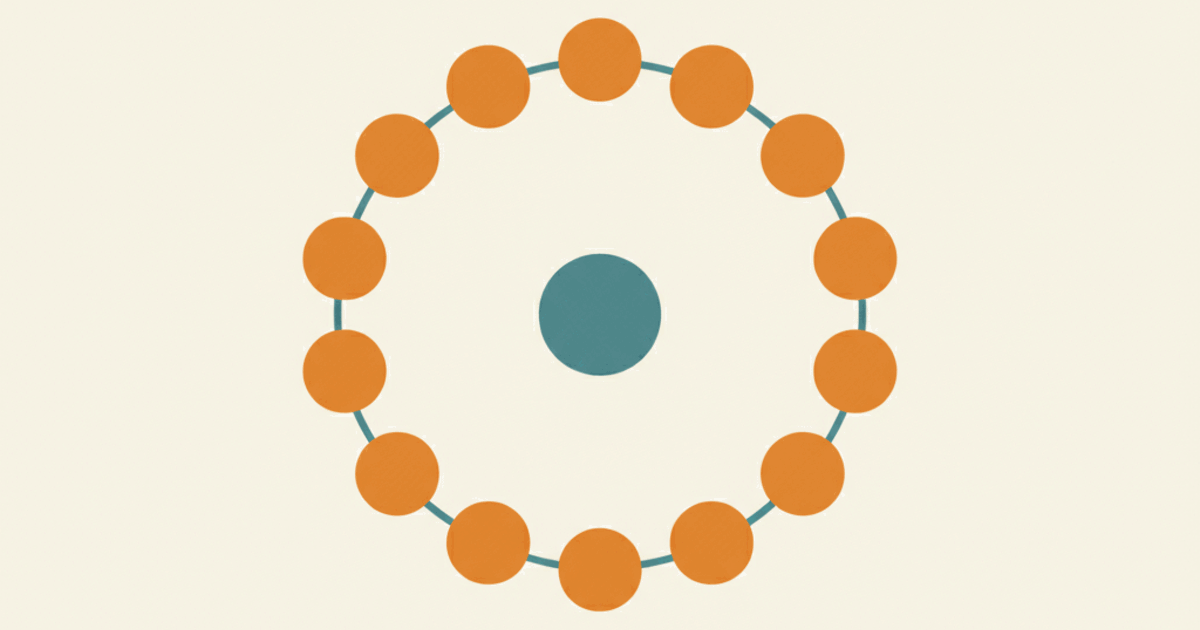
Thymulin is a hormone of nine amino acids that, on current understanding, only the epithelial cells of the thymus gland produce [8]. A zinc ion binds to the chain in equal measure and carries the biological activity. Without the zinc the molecule is inactive, and the bare peptide then goes by its older name, FTS.
Jean-François Bach and Mireille Dardenne described it at the INSERM unit of the Hôpital Necker in Paris in the early 1970s, calling it facteur thymique sérique [8], [9]. The name thymulin took over in the mid-1980s. The synthetic peptide carries the international non-proprietary name nonathymulin, which is the name under which every clinical trial ran [10].
Quick facts
| Other names | FTS, facteur thymique sérique, serum thymic factor, nonathymulin, thymuline, thymulin acetate [10] |
| Class | Zinc-dependent nine-amino-acid thymus hormone; a metallopeptide, not a plain peptide [9] |
| Sequence | pGlu-Ala-Lys-Ser-Gln-Gly-Gly-Ser-Asn, with one bound zinc ion [8], [10] |
| Formula and mass | C33H54N12O15, 858.9 g/mol, for the peptide part alone [10] |
| Half-life in people | Never measured [7] |
| Status | No approval found in any of the nine markets checked [4], [11], [12] |
| Developer | Bach and Dardenne, INSERM unit 25, Hôpital Necker, Paris [8], [9] |
| CAS | 63958-90-7; a second number, 78922-62-0, circulates for the other database entry [10] |
| PubChem CID | 3085284 and 71300623, same formula, different stereochemistry [10] |
| UNII | 9H198D04WL [10] |
| ATC code | None. The immunostimulant group L03AX lists thymopentin and thymalfasin, not thymulin [13] |
How it works
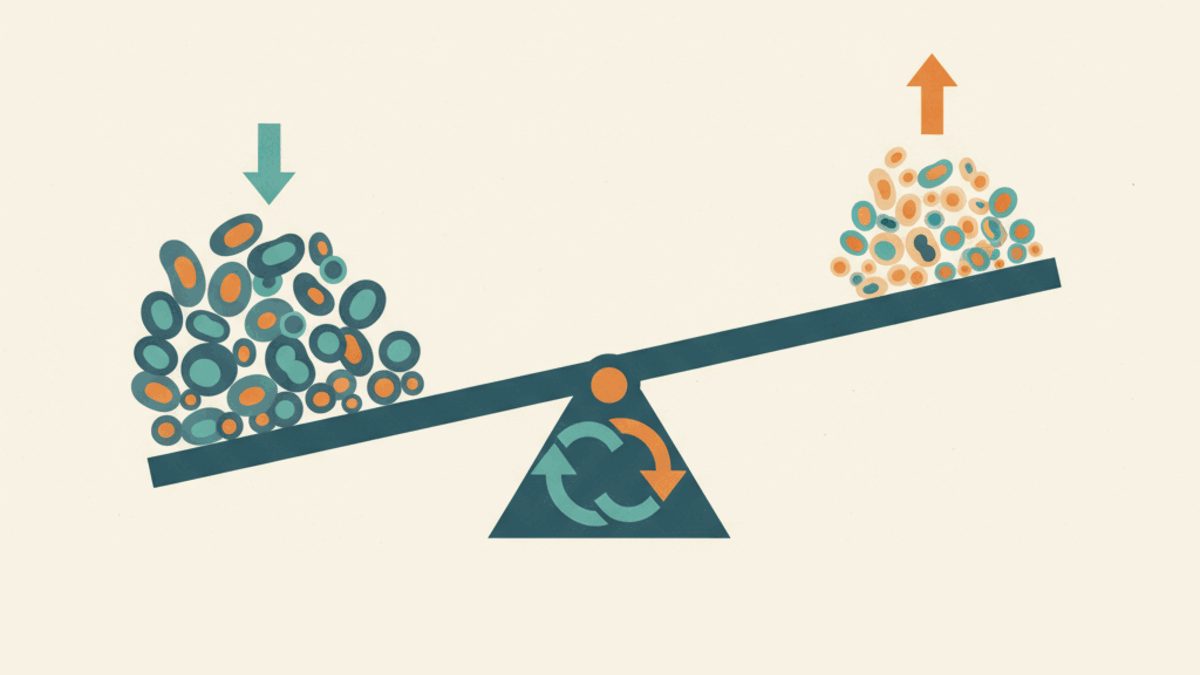
Thymulin pushes young T cells towards maturity and changes how the various T cell subsets behave. The modern work has shifted to its dampening effect on inflammation, and almost all of it is in animals.
- It only works with zinc attached. Bach and Dardenne put it plainly: the activity and the antigenicity both depend on the metal being present in the molecule [9]. In people, three models of mild zinc deficiency, covering 14 adults in all, confirmed that blood thymulin activity tracks zinc supply and recovers once zinc is replaced [14].
- It may calm inflammatory signalling. The proposed route is inhibition of the NF-kappaB pathway and of p38 MAPK phosphorylation, which lowers the inflammatory messengers TNF-alpha, IL-1 and IL-6 [15]. This has been shown in rats and mice, not in people.
- It may work in both directions on immune cells. Low concentrations raised natural killer cell activity and higher ones lowered it, in the same experiment [6]. Review authors describe a selective modulating effect rather than a general strengthening [15].
- A link to the pituitary gland has been proposed. Its own production may be under hormonal control, and it may act back on the pituitary in turn. The authors who put this forward call it a hypothesis supported by animal work [8], [16].
This sets thymulin apart from the peptides it is usually shelved beside. Thymopentin is a five-amino-acid fragment of a different thymus protein, thymosin alpha-1 is a 28-amino-acid peptide with its own approvals, and thymosin beta-4 belongs to another family altogether [13].
What the trials found
Four publications exist in which people were actually given this peptide, all between 1982 and 1989, and all from the same Paris circle [1], [2], [6], [17]. Nothing has been published since. There is no registered interventional trial of thymulin on record anywhere [18].
Rheumatoid arthritis
Randomised, double-blind, placebo-controlled Two trials compared 1, 5 and 10 milligrams a day against placebo. Five milligrams was the best of the three. On the doctors' overall judgement, 56 percent of patients were rated improved, against 17 percent on placebo (p < 0.02), with four objective measures pointing the same way [1].
Two caveats sit inside that result. The report describes no clear change in the immunological measurements, so the clinical effect has little underneath it; the authors do note one exception, a significant correlation between the clinical response and an imbalance of T cell subsets. And the paper never states how many people took part.
Two double-blind, placebo-controlled trials; 5 mg a day was the best of three dose levels; p < 0.02. The participant count was never published. Source [1].
Multiple sclerosis
Randomised, double-blind, placebo-controlled Forty matched people with active multiple sclerosis and moderate disability received it under the skin for six months, then were followed for six more [2].
All three pre-set measures came back flat: the Kurtzke disability score, the Ambulation Index and the Functional Scale. The authors wrote that the treatment is not effective in this group. No significant side effects were recorded either.
Immune deficiency in children
Case series Three children with a shortage of IgA and IgE and with defective T cells received the peptide into a vein [17]. Infections became less frequent and milder, cell-based immune tests improved, the two children who had no IgA at all developed it within four weeks, and the third child's level rose. Antibodies against vaccines appeared for the first time or climbed higher than ever before.
The one methodically interesting part is what happened when treatment stopped. In two children the improvement faded during the break and returned once dosing resumed. With three participants, no control group and no blinding, that is a signal and not a result.
Natural killer cells
Pharmacodynamic study In the test tube, 0.01 nanograms per millilitre raised natural killer cell activity (p < 0.001). Concentrations of 10 and 100 nanograms per millilitre lowered it instead (p < 0.01) [6]. Bone marrow lymphocytes did not respond at all.
Four people then received 10 micrograms per kilogram into a vein every three days. Activity rose in the two who started low and fell in the two who started normal or high. The authors state that the mechanism behind this is unknown.
Every published study in which the peptide was given to people, 1982 to 1989. The 1987 arthritis trials never reported a participant count. Sources [1], [2], [6], [17].
Animal results, and where they stopped
Animal data In rats with collagen-induced arthritis, the peptide reduced paw swelling, delayed onset, lowered antibody levels and limited joint damage under the microscope. The arthritic animals had started out with lower thymulin in their blood than untreated ones. The authors of that work, at Santen Pharmaceutical in Osaka, wrote only that it may be useful in prevention [19].
Animal data In mice with an experimental form of multiple sclerosis, it improved the blood-brain barrier, eased symptoms and lowered IL-6, IL-17, interferon gamma and NF-kappaB activation [20]. This is the pairing worth remembering: the mouse version of the disease responded and the human version did not [2].
Animal data In rats with inflammatory pain it reduced heat sensitivity and swelling over 21 days, along with microglial activity and spinal inflammatory messengers [15]. In mice with chemically induced type 1 diabetes it was one of three approaches that restored immune balance [21].
Animal data The asthma work is often misread. Mice received thymulin-expressing plasmids in mucus-penetrating nanoparticles, placed once into the windpipe after the disease was established [22]. What acted was days of local production in the lung, not an injected peptide.
Animal data In aged mice, zinc-thymulin at 100 nanograms a day for five days produced only what the authors called a mild augmentation of spleen cell responses. The average rise was 40 percent, with none at all in thymus cells. Zinc by mouth, 72 micrograms a day over the same five days, did more: it raised the thymus cell responses too, by an average of 100 percent [23]. The authors called their own experiments preliminary.
What is still unknown
- How the body handles it. No half-life, no bioavailability, no clearance and no volume of distribution have ever been published for a thymulin dose in a person [7].
- Whether it is safe over time. The longest documented human exposure is the six months of the multiple sclerosis trial, which produced no benefit [2].
- Whether it provokes antibodies. Immunogenicity, the central question for any injected peptide, has never been examined [7].
- What repeated dosing does to immune cells. The two-way effect on natural killer cells was seen once, in four people, over a short period [6].
- Whether traded material carries its zinc. The activity depends on it, product descriptions do not state it, and no independent analysis of grey-market material exists [7].
- Anything about healthy adults. No study has ever given the peptide to healthy people, at any dose, for any endpoint. The wider human literature measures thymulin rather than administering it [7], [24].
Side effects and safety
The safety picture is not reassuring so much as empty. Everything on record comes from four small studies published between 1982 and 1989, and none of them reports a single adverse event by name or frequency.
- "Minimal adverse effects" is the entire safety statement from the arthritis trials, across three dose levels. No individual events, no rates and no withdrawal figures are given [1].
- "No significant side effects were recorded" is the entire statement from the multiple sclerosis trial, covering 40 people over six months of dosing under the skin [2].
- Nothing at all is reported in the 1982 case series or the 1983 study of immune cells, in either direction [6], [17].
- No contraindications and no interaction warnings exist, because no authority has ever reviewed a product label for it [11].
Two claims circulate widely and need their origins stated. Bach and Dardenne wrote in 1989 that the substance is not toxic and that clinical use could be foreseen in the near future [9]. A 2010 review states that it has no toxicity even at high doses [15].
Both come from groups that wanted to develop the substance further, and neither is backed by a published toxicity study. The clinical use predicted in 1989 has not arrived in the 37 years since.
The one genuine pharmacological caution is the two-way effect on immune cells: in the only human study, activity fell in the people whose starting level was normal or high [6]. Something that can damp immune function as well as raise it is not a simple strengthener.
There is also no pharmacopoeial monograph for it in any register checked, so nothing defines what traded material has to contain [7].
Doses used in studies
The doses below are simply what the cited studies gave, listed so that the results can be understood. They are not advice on how to use anything.
Several lines are incomplete on purpose. Where the published paper never stated the dose, the route or the duration, this table says so rather than filling the gap.
| Study | Model or population | Dose | Route | Duration | Ref |
|---|---|---|---|---|---|
| Amor 1987, two placebo-controlled trials | Adults with rheumatoid arthritis, count not published | 1, 5 or 10 mg daily | Not stated in the paper | Not stated in the paper | [1] |
| Roullet 1989, target missed | 40 adults with multiple sclerosis | Not stated in the paper | Under the skin | 6 months, plus 6 months of follow-up | [2] |
| Dokhelar 1983, in people | 4 adults | 10 µg/kg every three days | Into a vein | Not stated in the paper | [6] |
| Dokhelar 1983, in the test tube | Human blood lymphocytes | 0.01 ng/ml raised activity; 10 and 100 ng/ml lowered it | Added to the culture | Duration of the assay | [6] |
| Bordigoni 1982 | 3 children with immune deficiency | Not stated in the paper | Into a vein | At least 4 weeks, with a break | [17] |
| Saha 1995 | Aged mice | Zinc-thymulin 100 ng daily | Into the belly | 5 days | [23] |
| Aono 1997 | Rats with collagen-induced arthritis | Not stated in the paper | Into the belly | Single dose at immunisation | [19] |
| Nasseri 2019 | Rats with inflammatory pain | Not stated in the paper | Into the belly | 21 days | [15] |
Two things follow from the table rather than from any individual row. Every human dose on record is from 1982 to 1989, given in a clinic, mostly into a vein, in groups of 40 people or fewer.
And the only human study that varied the amount found the effect reversing as the amount rose [6], so a larger amount is not a stronger one here. Animal doses cannot be converted to people.
Development and approval status
No approval for thymulin was found in any of the nine markets checked on 20 September 2026, and it has no ATC code [13]. Clinical development stopped after 1989 and never restarted.
From a Paris laboratory to a bulk ingredient
- early 1970sDescribed in Paris as facteur thymique sériqueBach and Dardenne, INSERM unit 25, Hôpital Necker, refs [8], [9]
- early 1980sThe dependence on zinc is worked outActivity requires the bound metal, ref [9]
- 1982First use in people: three children with immune deficiencyOpen case series, ref [17]
- 1987Positive result in rheumatoid arthritis56 percent against 17 percent on placebo, ref [1]
- 1989The multiple sclerosis trial fails and clinical work ends40 participants, three scales unchanged, ref [2]
- 1997Industrial preclinical work in JapanSanten Pharmaceutical, rat arthritis model, ref [19]
- 2014 and 2019Two homeopathic registrations in FranceBoiron and Lehning, dilutions from 4CH, ref [12]
- 2026Filed by the FDA as nominated without adequate supportCategory 3 of the 503A list, ref [4]
- Early 1970s — described in Paris as facteur thymique sérique [8].
- Early 1980s — the dependence on bound zinc is established [9].
- 1982 to 1989 — four small studies give the peptide to people; the last one fails [1], [2], [6], [17].
- 1997 — Santen Pharmaceutical in Osaka publishes preclinical arthritis work [19].
- 2014 and 2019 — two homeopathic registrations of the name are granted in France [12].
- 2020 to 2023 — animal work continues on inflammation, pain and gene therapy [20], [22].
- 2026 — the FDA list of compounding substances carries thymulin acetate in category 3 [4].
| Market | Status | Note | Ref |
|---|---|---|---|
| United States | Not approved | Bulk ingredient listed; compounding category 3 | [4], [11] |
| European Union | Not approved | No entry in either EMA dataset | [25] |
| Germany | Not approved | Not marketable; not on the prescription list | [26] |
| France | Not approved | Two homeopathic registrations of the name | [12] |
| United Kingdom | Not established | Register search could not be read out | [27] |
| Australia | Not approved | Absent from the Poisons Standard | [28] |
| Canada | Not approved | Empty result in the drug database | [29] |
| Switzerland | Not approved | Absent from the Swissmedic list | [30] |
| Russia | Not approved | Search returns thymalin, a different substance | [3] |
Every query behind this table was run on 20 September 2026, each one alongside a control search that returned results.
The French entries are the ones most often misquoted. Two homeopathic registrations under the name Thymuline are active, from Boiron since 17 June 2014 at dilutions of 4CH to 30CH, and from Lehning since 12 July 2019 at 5CH to 30CH [12].
Registrations of this kind are granted through the simplified homeopathic procedure, which requires that no therapeutic indication be claimed. At 4CH the dilution is one part in a hundred million, and at 9CH one part in a million million million, so almost no molecules of the starting material remain. This is not a marketing authorisation for the peptide.
The American entries need the same care. Thymulin acetate appears in category 3 of the FDA list of substances nominated for compounding under section 503A [4]. The agency defines that category as nominations with insufficient supporting information to evaluate [31]. It is absent from the parallel 503B list [32].
Two bulk-ingredient registrations also exist in the national drug code directory, from Qingdao Biopeptek and Darmerica [11]. Registering a raw material is a reporting duty for the company that sells it. It says nothing about purity, zinc content or fitness for any purpose.
Anti-doping
Thymulin is not named on the 2026 Prohibited List. A full-text search of the list returns two hits for "thym", and both belong to thymosin-beta-4: the entry itself in section S2.3 and the matching line in the index [5].
What catches it instead is section S0, which prohibits at all times "any pharmacological substance which is not addressed by any of the subsequent sections of the List and with no current approval by any governmental regulatory health authority for human therapeutic use" [5]. Since no such approval exists anywhere, thymulin falls inside that wording.
This is a deduction from the text, not a named ban, and it is worth saying so precisely. German anti-doping law works differently again: its annex has no catch-all clause, and the only thymus peptide it names is thymosin-beta-4 [26]. The Australian Poisons Standard does not list thymulin either [28].
No published detection method for thymulin exists in the anti-doping literature. The wider picture for this family is at peptides banned in sport.
Compared with related peptides
| Peptide | What it is | Approval | Anti-doping | Strongest evidence in its own right |
|---|---|---|---|---|
| Thymulin | Nine amino acids plus a zinc ion, from thymus epithelium [8] | None anywhere [4], [25] | Not named; caught by S0 [5] | 56 percent against 17 percent on placebo in rheumatoid arthritis, 1987, never repeated [1] |
| Thymalin | Undefined polypeptide extract of calf thymus | Prescription medicine in Russia [3] | Not named | A separate substance with a separate literature; nothing transfers either way [3] |
| Thymosin alpha-1 | 28 amino acids, acetylated at one end | Prescription medicine in Italy and China; ATC L03AX25 [13] | Not named | 62 registered interventional trials under its own name, several of them randomised and double-blind [13] |
| Thymopentin | Five amino acids, a fragment of thymopoietin; ATC L03AX09 [13] | Has an ATC code; no approval found in the markets checked | Not named | A different precursor protein entirely [13] |
| Thymosin beta-4 | A different peptide family altogether | None in the markets checked | Named outright, section S2.3 [5] | The clearest contrast: named on all three lists where thymulin is named on none [5], [26], [28] |
Three points come out of that table. The approvals people cite for thymulin belong to its neighbours, and the Russian one in particular belongs to thymalin [3].
The legal position runs in opposite directions across the group. Thymosin beta-4 is named on the anti-doping list, in German law and in the Australian schedule. Thymulin appears on none of them and is reached only by a catch-all clause [5], [26], [28].
And the evidence gap is just as wide. Thymosin alpha-1 has registered controlled trials behind it, while thymulin has four papers from the 1980s and no registered trial at all [13], [18].
Common misconceptions
- "Thymulin is approved in Russia." That approval belongs to thymalin, an undefined calf-thymus extract from a different research tradition. A search of the Russian medicines database for thymulin returns no exact match and offers thymalin instead [3].
- "Thymalin and thymulin are interchangeable names." They are not, and a database quirk keeps the confusion alive. PubChem lists "thymalin" among the deposited synonyms of the thymulin entry, while thymalin has no entry of its own. Anyone reading a formula or registry number for thymalin there is reading thymulin data [10].
- "Thymuline is sold in French pharmacies, so it is approved in Europe." Those are two homeopathic registrations at dilutions from 4CH upwards. They are granted on condition that no therapeutic indication is claimed [12].
- "It boosts the immune system." The only human study of the question found activity rising at a very low concentration and falling at higher ones. It also fell in the people who started normal or high. Reviews call the action selective modulation [6], [15].
- "The animal results show what it does in people." For this substance there is a direct counter-example in the same disease. Mice with an experimental form of multiple sclerosis improved in 2023; 40 people with multiple sclerosis showed no change on any of three scales in 1989 [2], [20].
- "The asthma paper shows what an injection does." That study delivered thymulin-expressing plasmids in nanoparticles, once, into the windpipe of a mouse. Nothing about it transfers to an injected peptide [22].
- "It is not toxic; that is in the literature." The two sentences quoted for this both come from groups developing the substance, and neither cites a toxicity study. No acute, repeat-dose, genetic or reproductive toxicity data have been published at all [7], [9], [15].
- "Hundreds of papers mean a solid evidence base." A search on 20 September 2026 returned 547 records, 225 of them about people, and almost all of those use thymulin as a measurement of zinc supply and thymus function. The settings are zinc deficiency, Crohn's disease, undernutrition and heavy-metal exposure [14], [24], [33]. A count of publications is not a measure of evidence.
- "FTS and thymulin are the same preparation." Almost. FTS is the bare nine-amino-acid chain; thymulin is that chain with its zinc attached, and only the second one is active [8], [9].
Frequently asked questions
Is thymulin approved as a medicine anywhere?
No. Register searches in the United States, the European Union, Germany, Australia, Canada, Switzerland and Russia were run on 20 September 2026 and came back empty, and the British register could not be read out at all. There is no ATC code for it either. The only entries that exist anywhere are two homeopathic registrations in France, a bulk-ingredient listing in the United States and a compounding nomination filed as inadequately supported, and none of the three is an approval of the peptide.
Is thymulin the same thing as thymalin?
No, and this is the mix-up that matters most. Thymulin is a defined nine-amino-acid peptide described in Paris. Thymalin is an undefined extract of calf thymus developed in the Soviet Union and Russia. Thymalin is an approved prescription medicine in Russia; thymulin is approved nowhere. Claims that thymulin is licensed in Russia are describing the other substance.
What did the trials of thymulin actually find?
Two double-blind, placebo-controlled trials in rheumatoid arthritis, published in 1987, found 5 milligrams a day to be the best of three dose levels. On that dose 56 percent of patients were rated improved, against 17 percent on placebo. A double-blind trial in 40 people with multiple sclerosis found nothing at all on any of its three scales.
Is thymulin banned in sport?
It is not named on the 2026 Prohibited List. A full-text search of the list finds only thymosin-beta-4, a different peptide. Thymulin is caught instead by section S0, which covers any substance with no current approval for human therapeutic use anywhere. That is a deduction from the wording, not a named entry.
Does thymulin boost the immune system?
The only human study of that question found the opposite of a simple boost. Natural killer cell activity rose at a very low concentration and fell at higher ones. Given to four people, it rose in the two who started low and fell in the two who started normal or high. Review authors describe the action as selective modulation.
How long does thymulin stay in the body?
Nobody has measured it. There is no published human pharmacokinetic study of a thymulin dose, so there is no half-life, no bioavailability figure and no clearance value. Any number quoted online for these has no source behind it.
Why does zinc matter for thymulin?
Because the peptide is inactive without it. A zinc ion binds to the nine-amino-acid chain in equal measure and carries the biological activity. The bare peptide has its own name, FTS. Whether material sold as thymulin carries its zinc is not stated by sellers and has never been checked independently.
What is the FDA position on thymulin?
Thymulin acetate sits in category 3 of the FDA list of bulk substances nominated for compounding under section 503A. That category means the submitted information was not enough for the agency to evaluate it. It is absent from the 503B list entirely. Neither status is an approval, and neither is a safety finding.
Is the French product Thymuline the same as thymulin?
No. Two homeopathic registrations under that name are active in France, from Boiron at dilutions of 4CH to 30CH and from Lehning at 5CH to 30CH. Registrations of this kind are granted precisely on the condition that no therapeutic indication is claimed. At those dilutions almost no molecules of the starting material remain.
Why is there so much published research on thymulin if so little was tested?
Because almost all of it uses thymulin as a measurement, not as a treatment. Its blood level tracks zinc supply and thymus function, so it appears in work on zinc deficiency, Crohn's disease, undernutrition and heavy-metal exposure. The number of papers in which people were given the peptide is in single figures.
Sources
- Amor B, Dougados M, Mery C, Dardenne M, Bach JF (1987). Nonathymulin in rheumatoid arthritis: two double blind, placebo controlled trials. Annals of the Rheumatic Diseases 46(7):549-554. PMID 3310925. DOI 10.1136/ard.46.7.549. PMC1002191. The abstract states no participant count, route or duration; it also reports a significant correlation between clinical response and T cell subset imbalance.
- Roullet E, Cesaro P, Simon-Lavoine N, Degos JD, Marteau R (1989). Nonathymulin treatment of multiple sclerosis: double-blind pilot study. Acta Neurologica Scandinavica 80(6):575-578. PMID 2618585. DOI 10.1111/j.1600-0404.1989.tb03929.x. n = 40, six months under the skin, six months of follow-up, negative on all three scales.
- Vidal.ru, search for "тимулин", retrieved 20 September 2026. Result: "Точных совпадений не найдено"; the only suggestion is "Тималин", the prescription calf-thymus preparation from Samson-Med, which is a different substance. https://www.vidal.ru/search?t=all&q=тимулин
- U.S. Food and Drug Administration. Bulk Drug Substances Nominated for Use in Compounding Under Section 503A of the Federal Food, Drug, and Cosmetic Act, PDF headed "Updated May 14, 2026". Checked in full text on 20 September 2026: "Thymulin acetate" appears under "503A Category 3: Bulk Drug Substances Nominated Without Adequate Support". https://www.fda.gov/media/94155/download
- World Anti-Doping Agency. World Anti-Doping Code International Standard Prohibited List 2026, in force from 1 January 2026; sections S0 and S2.3. Full-text search on 20 September 2026 returns two hits for "thym", both thymosin-beta-4.
- Dokhelar MC, Tursz T, Dardenne M, Bach JF (1983). Effect of a synthetic thymic factor (facteur thymique sérique) on natural killer cell activity in humans. International Journal of Immunopharmacology 5(4):277-282. PMID 6195118. DOI 10.1016/0192-0561(83)90029-2.
- PubMed E-utilities searches, run 20 September 2026. "thymulin AND (pharmacokinetic OR half-life OR bioavailability)" returns 31 records, none of them a pharmacokinetic study of a thymulin dose. The wider sweep for thymulin, FTS and serum thymic factor returns 547 records, 225 of them with a human reference, and none of these is an administration study in healthy people. No toxicity study of any kind and no pharmacopoeial monograph was found in the registers checked.
- Goya RG, Brown OA, Pléau JM, Dardenne M (2004). Thymulin and the neuroendocrine system. Peptides 25(1):139-142. PMID 15003367. DOI 10.1016/j.peptides.2003.11.002. States that the hormone is produced exclusively by thymic epithelial cells and that zinc confers its activity.
- Bach JF, Dardenne M (1989). Thymulin, a zinc-dependent hormone. PMID 2657247. DOI 10.1007/BF02985220. Source of the name history, of the zinc dependence and of the quoted statement that the substance is not toxic.
- PubChem, compound records CID 3085284 (nonathymulin, InChIKey LIFNDDBLJFPEAN-BPSSIEEOSA-N, CAS 63958-90-7, UNII 9H198D04WL, synonym "Nonathymulin INN") and CID 71300623 (thymulin, InChIKey LIFNDDBLJFPEAN-YTAPOSPOSA-N, CAS 78922-62-0). Retrieved 20 September 2026. The synonym list of the first record also carries "Thymalin". https://pubchem.ncbi.nlm.nih.gov/compound/3085284
- openFDA, four queries run 20 September 2026. drugsfda.json, label.json and enforcement.json return NOT_FOUND for thymulin; a control query for tesamorelin returns BLA022505. ndc.json returns exactly two bulk-ingredient entries, product codes 73212-041 (Qingdao Biopeptek) and 71052-826 (Darmerica), active ingredient "NONATHYMULIN 1 g/g". https://api.fda.gov/drug/ndc.json
- ANSM, Base de données publique des médicaments, export files CIS_bdpm.txt and CIS_COMPO_bdpm.txt, downloaded and checked in full text on 20 September 2026. CIS 69521895 "THYMULINE BOIRON", 4CH to 30CH, authorisation active, national homeopathic registration, 17 June 2014; CIS 61121689 "THYMULINE LEHNING", 5CH to 30CH, 12 July 2019. Both carry the stock code 67400. https://base-donnees-publique.medicaments.gouv.fr/download/file/CIS_bdpm.txt
- WHO Collaborating Centre for Drug Statistics Methodology, ATC/DDD Index, group L03AX "Other immunostimulants", page last updated 20 January 2026, retrieved 20 September 2026. Thymulin and nonathymulin are absent; L03AX09 thymopentin and L03AX25 thymalfasin are present. https://atcddd.fhi.no/atc_ddd_index/?code=L03AX — For the comparison of evidence: ClinicalTrials.gov API v2, query.intr=thymalfasin restricted to interventional studies, run 20 September 2026, returns 62 records, among them randomised double-blind trials such as NCT00040027 with 500 participants.
- Prasad AS, Meftah S, Abdallah J, Kaplan J, Brewer GJ, Bach JF, Dardenne M (1988). Serum thymulin in human zinc deficiency. Journal of Clinical Investigation 82(4):1202-1210. PMID 3262625. DOI 10.1172/JCI113717. Three models of mild zinc deficiency: two volunteers on a controlled diet, six adults with sickle cell anaemia and six without.
- Santos M, Henriques-Coelho T, Leite-Moreira A (2010). Immunomodulatory role of thymulin in lung diseases. Expert Opinion on Therapeutic Targets 14(2):131-141. PMID 20055713. DOI 10.1517/14728220903512991. Source of the phrase "selective immunomodulatory effect" and of the quoted claim of no toxicity at high doses. Rat pain data from Nasseri B, Zaringhalam J, Daniali S, Manaheji H, Abbasnejad Z, Nazemian V (2019), International Immunopharmacology 70:225-234, PMID 30851702.
- Reggiani PC, Schwerdt JI, Console GM, Roggero EA, Dardenne M, Goya RG (2014). Physiology and therapeutic potential of the thymic peptide thymulin. Current Pharmaceutical Design 20(29):4690-4696. PMID 24588820. DOI 10.2174/1381612820666140130211157.
- Bordigoni P, Faure G, Bene MC, Dardenne M, Bach JF, Duheille J, Olive D (1982). Improvement of cellular immunity and IgA production in immunodeficient children after treatment with synthetic serum thymic factor (FTS). The Lancet 2(8293):293-297. PMID 6124716. DOI 10.1016/s0140-6736(82)90271-9.
- ClinicalTrials.gov API v2, query.term=thymulin, run 20 September 2026: total count 1. The single hit is NCT01229579, a zinc supplementation study in infants in Pakistan sponsored by Aga Khan University, with no thymulin intervention. https://clinicaltrials.gov/api/v2/studies?query.term=thymulin
- Aono H, Morishita M, Sasano M, Okamoto M, Okahara A, Nakata K, Mita S (1997). Amelioration of type II collagen induced arthritis in rats by treatment with thymulin. The Journal of Rheumatology 24(8):1564-1569. PMID 9263152. Author affiliation: Research and Development Division, Santen Pharmaceutical Co., Ltd., Osaka.
- Lunin SM, Novoselova EG, Glushkova OV, Parfenyuk SB, Kuzekova AA, Novoselova TV, Sharapov MG, Mubarakshina EK, Goncharov RG, Khrenov MO (2023). Protective effect of exogenous peroxiredoxin 6 and thymic peptide thymulin on BBB conditions in an experimental model of multiple sclerosis. Archives of Biochemistry and Biophysics 746:109729. PMID 37633587. DOI 10.1016/j.abb.2023.109729.
- Novoselova EG, Glushkova OV, Lunin SM, Khrenov MO, Novoselova TV, Parfenyuk SB, Fesenko EE (2016). Signaling, stress response and apoptosis in pre-diabetes and diabetes: restoring immune balance in mice with alloxan-induced type 1 diabetes mellitus. International Immunopharmacology 31:24-31. PMID 26690976. DOI 10.1016/j.intimp.2015.11.007.
- da Silva AL, de Oliveira GP, Kim N, Cruz FF, Kitoko JZ, Blanco NG, Martini SV, Hanes J, Rocco PRM, Suk JS, Morales MM (2020). Nanoparticle-based thymulin gene therapy therapeutically reverses key pathology of experimental allergic asthma. Science Advances 6(24):eaay7973. PMID 32577505. DOI 10.1126/sciadv.aay7973.
- Saha AR, Hadden EM, Hadden JW (1995). Zinc induces thymulin secretion from human thymic epithelial cells in vitro and augments splenocyte and thymocyte responses in vivo. International Journal of Immunopharmacology 17(9):729-733. PMID 8582784. DOI 10.1016/0192-0561(95)00061-6. Zinc-thymulin 100 ng a day for five days, average increase 40 per cent in splenocyte but not thymocyte responses; oral zinc 72 µg a day for five days, average increase 100 per cent including thymocytes. The authors describe their own experiments as preliminary.
- Palmer AC, Schulze KJ, Khatry SK, West KP (2020). Prenatal and childhood exposures are associated with thymulin concentrations in young adolescent children in rural Nepal. Journal of Developmental Origins of Health and Disease 11(2):127-135. PMID 31475652. DOI 10.1017/S2040174419000485.
- European Medicines Agency, datasets "medicines-output-medicines-report_en.xlsx" and "medicines-output-orphan_designations-report_en.xlsx", downloaded and checked in full text on 20 September 2026: zero hits for thymulin and nonathymulin, against control hits for tesamorelin and tirzepatide. https://www.ema.europa.eu/en/documents/report/medicines-output-medicines-report_en.xlsx
- Arzneimittelverschreibungsverordnung, Anlage 1, and the annex to section 2 subsection 3 of the German Anti-Doping Act (BGBl. 2023 I No. 67), both checked in full text on 20 September 2026. Neither contains thymulin; the only thymus entry in the anti-doping annex is "Thymosin-beta-4 und seine Derivate, Zum Beispiel: TB-500". Control hits for somatropin and tirzepatide were returned in the same searches. https://www.gesetze-im-internet.de/amvv/anlage_1.html
- MHRA Products, search for thymulin, attempted 20 September 2026. The page returned HTTP 200 but renders its result list only in the browser, and the underlying search interface refused access, so no reading could be taken either way. https://products.mhra.gov.uk/search/?search=thymulin
- Therapeutic Goods (Poisons Standard—June 2026) Instrument 2026, F2026L00633, full text checked 20 September 2026: zero hits for thymulin and nonathymulin, against control hits for somatropin and thymosin beta 4. https://www.legislation.gov.au/F2026L00633/asmade
- Health Canada, Drug Product Database API, query ?ingredientname=thymulin, run 20 September 2026: empty list. Control query for tesamorelin returns two entries. https://health-products.canada.ca/api/drug/activeingredient/?ingredientname=thymulin
- Swissmedic, "Erweiterte Arzneimittelliste HAM", downloaded and checked in full text on 20 September 2026: zero hits for thymulin and nonathymulin, against 15 control hits for somatropin and 19 for tirzepatid. https://www.swissmedic.ch
- U.S. Food and Drug Administration. Bulk Drug Substances Used in Compounding Under Section 503A of the FD&C Act, page content dated 14 May 2026, retrieved 20 September 2026. Defines category 3 as nominations with insufficient supporting information for the agency to evaluate them. https://www.fda.gov/drugs/human-drug-compounding/bulk-drug-substances-used-compounding-under-section-503a-fdc-act
- U.S. Food and Drug Administration. Bulk drug substances nominated for use in compounding under section 503B, PDF headed "Updated March 21, 2025", checked in full text on 20 September 2026: no thymulin entry. https://www.fda.gov/media/94164/download
- Brignola C, Belloli C, De Simone G, Evangelisti A, Parente R, Mancini R, Iannone P, Mocheggiani E, Fabris N, Morini MC, et al. (1993). Zinc supplementation restores plasma concentrations of zinc and thymulin in patients with Crohn's disease. Alimentary Pharmacology and Therapeutics 7(3):275-280. PMID 8364132. DOI 10.1111/j.1365-2036.1993.tb00098.x. n = 27; thymulin rose only on 200 mg of zinc sulphate a day; the intervention was zinc, not thymulin.
Cite this page
Every fact on this page was checked on 20 September 2026, and each register search was run on that date alongside a control query. Nobody is developing thymulin, so the entries most likely to change are the French homeopathic registrations and the American compounding lists.
myPeptides Research & Editing. (2026). Thymulin: what the trials show, status and safety. Version 1.0, 20 September 2026. myPeptides Peptide Register. Retrieved from https://mypep.app/peptides/thymulin
How pages in this register are compiled and graded is described under methodology; the full register is at peptides.
| Version | Date | Change |
|---|---|---|
| 1.0 | 2026-09-20 | Initial publication |
Last verified: 20 September 2026. Next review: on any new human study, on any change in the FDA compounding lists, or on any change in the French register entries.