
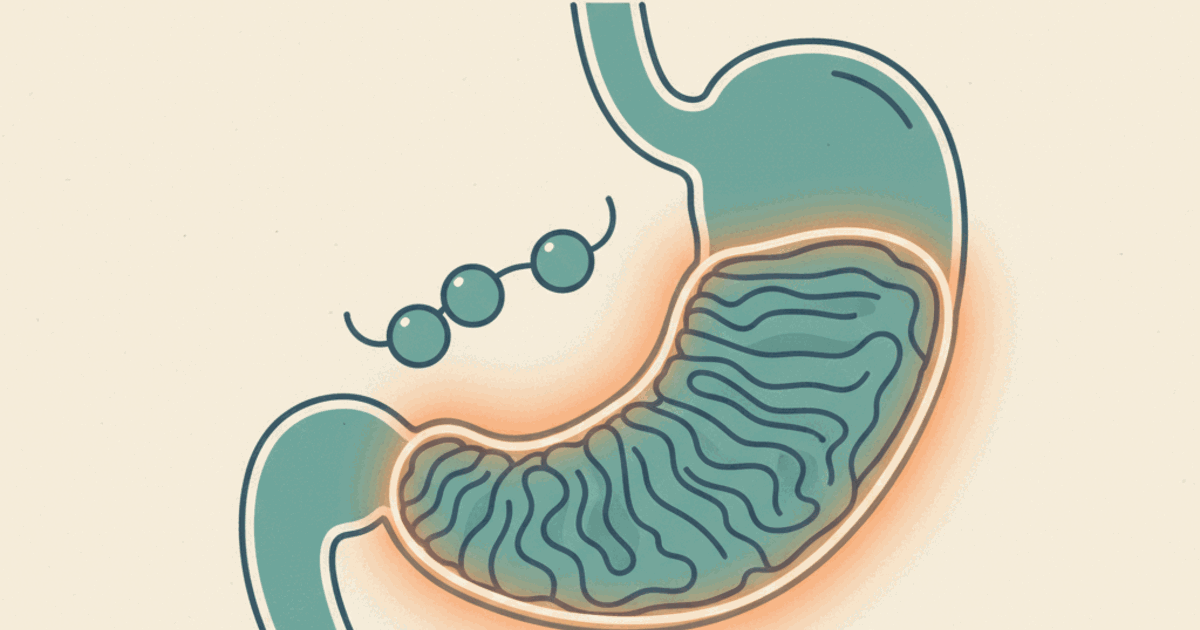
Chonluten: what the studies show, status and safety
Summary
Chonluten is a synthetic chain of three amino acids from a St Petersburg institute, traded as a lung peptide. Its inventors' own overview table lists it as a stomach and stress peptide and gives the lung role to a different molecule. No experiment on lung or bronchial tissue has ever been done with it, and no trial in people has been registered. The one test in people sits in a patent application rather than in a journal.
Key findings at a glance
- Its own inventors do not call it a lung peptide. In their overview table, Chonluten (EDG) appears as a gastroprotector and a stress protector. The bronchoprotector of that same table is a different molecule, the four-part peptide Bronchogen [1].
- No experiment on lung or bronchial tissue has ever used this substance. The airway gene work and the rat model of obstructive lung disease were all done with Bronchogen, which has four amino acids rather than three [2], [3].
- No trial in people has ever been registered. A registry query on 15 September 2026 returned nothing for the trade name and nothing for the sequence, while a control query returned 752 studies [4].
- One laboratory paper names the substance, and it cuts both ways. In a human monocyte cell line the peptide damped two inflammatory signals after a bacterial trigger. It was also the only one of five peptides tested that doubled the death rate of the treated cells [5].
- The claim of use in chronic lung disease leads back to a note about stomach ulcers. A 2020 review states that the peptide improved standard treatment in patients with chronic bronchitis. Its single supporting reference is a three-sentence paper on gene expression in gastric ulcer [6], [7].
- The only test in people sits in a patent. 80 healthy men aged 20 to 22 were taken to a simulated altitude of 5,000 metres for 60 minutes. Good tolerance was reported for 80 to 90 per cent of treated men against 60 per cent on saline, with no defined endpoint and no statistics [8].
- The same tripeptide was first described as a suspected toxin. Japanese researchers isolated it in 1978 and 1980 from the dialysis fluid of patients with kidney failure, the second time from dialysate described as neurotoxic. The American medical library still indexes it with the note "found in neurotoxic dialysate" [9], [10], [11].
- It is banned in sport at all times under the catch-all class for substances that no health authority has approved [12].
What it is
Chonluten is a synthetic tripeptide: glutamic acid, aspartic acid and glycine, linked in that order. Three amino acids and 319.27 g/mol make it a very small molecule, chemically hard to tell apart from an ordinary fragment of digested protein. Semaglutide, for comparison, is built from 31 amino acids and weighs 4,114 g/mol, about thirteen times as much [13].
It comes from the St Petersburg Institute of Bioregulation and Gerontology, where Vladimir Khavinson and colleagues patented it from 2006 onwards. The group derived it from a peptide preparation of lung tissue and calls such molecules bioregulators or cytogens. Both words are house terms of that institute [8], [1].
There is a second, older and entirely separate origin. A Japanese nephrology group isolated the very same tripeptide twice, first in 1978 from the dialysis fluid of a patient with kidney failure, then in 1980 from dialysate described as neurotoxic [9], [10]. The 1980 paper reports that the tripeptide inhibited the enzyme lactate dehydrogenase [10].
That was the first biological effect ever published for this molecule, and its setting was toxicological rather than therapeutic. Nothing in the bioregulator literature mentions it. A Chinese group later used the tripeptide as a building block for immune-suppressing steroid conjugates, and that work is where the molecule is explicitly counted among the urotoxins, meaning the small molecules that accumulate when kidneys fail [14].
Quick facts
| Field | Value | Ref |
|---|---|---|
| Name | Chonluten; also traded in Russia as Хонлутен; no international non-proprietary name | [15], [16] |
| Other names | Glu-Asp-Gly, EDG, H-Glu-Asp-Gly-OH, T-34, glutamyl-aspartyl-glycine | [13], [11] |
| Class | Synthetic tripeptide; "bioregulator" and "cytogen" are the manufacturer's own terms | [1] |
| Structure | Glu-Asp-Gly, three amino acids, no modification, net charge 0 | [13] |
| Formula and mass | C11H17N3O8, 319.27 g/mol for the free acid | [13] |
| Water and fat behaviour | Calculated XLogP −5.3 and polar surface area 196 Ų, so extremely water-loving and a poor fit for crossing membranes | [13] |
| Half-life | Never published, for any route or species | [17] |
| Routes used in studies | Added to culture fluid; into the abdomen, the nose and the muscle in animals and in the patent example | [5], [8] |
| Status | Not approved as a medicine anywhere; sold in Russia as a food supplement, in the West as a laboratory chemical | [15], [18] |
| Developed by | Vladimir Khavinson and colleagues, St Petersburg Institute of Bioregulation and Gerontology | [8], [19] |
| CAS registry number | 75007-24-8 | [13], [11] |
| PubChem CID | 194641 | [13] |
| InChIKey | DSPQRJXOIXHOHK-WDSKDSINSA-N | [13] |
| Other identifiers | No UNII, no ChEMBL record, no DrugBank entry found on 15 September 2026 | [16], [20] |

How it works
Nobody knows. No receptor has been identified, and every proposed mechanism below is a hypothesis rather than a measurement.
- It may enter cells through amino acid carriers. In calculations, the peptide docked well onto the transporter LAT1, coming second of 26 short peptides tested. This is a computer result; no transport has ever been measured [17].
- It may change how certain genes are read. The group proposes that these peptides bind regions of DNA and alter the production of antioxidant and anti-inflammatory proteins. For this peptide the supporting paper is three sentences long and names no gene [7].
- It interfered with two inflammatory signals in a dish. After a bacterial trigger, the peptide reduced the output of the messengers TNF and interleukin 6 in human cells. It also increased the switching-on of two internal relays, ERK1/2 and STAT1 [5].
- The authors of that work saw no receptor at all. They read their own result as a receptor-independent effect and as a state of tolerance, in which the cells stop responding to a further inflammatory push [5].
- A protective effect against stress is claimed from animal work in patents. Rats given the peptide into the abdomen showed more noradrenaline, dopamine and serotonin in the cortex, and altered activity of the gene c-fos in the hypothalamus [8], [21].
- The DNA hypothesis was never checked for this peptide. The group's most rigorous paper on how short peptides bind double-stranded DNA does not mention Glu-Asp-Gly anywhere [22].
One boundary is worth drawing. The peptides sold alongside it act, if at all, on the tissue they are named after; here the name points at the lung while the published work points at stomach, stress and immune cells [1].
What the studies found
There is one experimental paper on the substance, one negative result in a related series, one three-sentence note, two calculation papers and two patents. That is the whole record.
Literature searches and a registry query run on 15 September 2026. The four records are those indexed under the chemical name glutamyl-aspartyl-glycine, and one of them turned out to be about an unrelated compound. Sources [23], [24], [11], [4].
Inflammatory signals in human cells
Cell culture The one experimental study added 100 ng/ml of the peptide overnight to THP-1 cells, a human monocyte line, alone or together with a bacterial wall fragment. All five peptides tested damped the production of TNF and interleukin 6 in the mature cells [5].
Cell culture No effect sizes and no p-values are given for any of this. The results appear only as bar charts, averaged over three independent experiments, and the inventor of the substance is a co-author. There has been no replication by anyone else [5].
Cell death, the finding nobody followed up
Cell culture In the same work the authors report, in one sentence, that Chonluten was the only one of the five peptides that raised the death rate of the treated cells, doubling the value compared with the others. No absolute percentage and no p-value appear in the main text [5].
This matters twice over. It is the only safety signal that exists for the substance. It also contradicts a claim made in the same literature, that this peptide reduces cell death in airway tissue [6], [5].
Skin cells, where it was the only failure
Animal tissue Five closely related tripeptides were compared in cultured skin from young rats of three weeks and old rats of 18 months. In young tissue every peptide except T-34 stimulated cell growth. T-34 is Chonluten [25].
Animal tissue In old tissue only T-38, a different tripeptide, produced a marked effect. The comparison is informative precisely because four chemically almost identical peptides did work in the same experiment [25].
The gene-expression note
Animal or cell data, not stated One paper from 2012 reports that peptide T-34 regulates messenger RNA for various genes and normalises the production of antioxidant and anti-inflammatory proteins in gastric ulcer. Its abstract names no species, no model, no group size, no concentration and no gene [7].
That paper matters far beyond its own content, because two later claims rest on it. One is the classification of this peptide as a stomach peptide. The other is the assertion that it helps patients with chronic lung disease [1], [6].
Tumour growth in mice, reported in a patent
Patent document A 2009 Russian patent reports that 2 µg per mouse slowed the growth of a transplanted Ehrlich carcinoma by 71 per cent, against 60 per cent for the chemotherapy drug cisplatin at 5 mg/kg. The difference was unlikely to be chance (p < 0.05), which is all the patent says about the statistics [19].
No journal publication of that experiment exists in PubMed or Europe PMC. Group sizes and measurement methods are not given, so the figure cannot be checked. A patent is a property right, not a reviewed study [19], [24].
Low oxygen in 80 men, also in a patent
Patent document 80 healthy men aged 20 to 22 were divided into a control group of 20 and two main groups of 30. One main group received the peptide through the nose, the other into the muscle, each split across three dose levels. The amounts are listed in the dose table further down [8].
Patent document They were then taken to a simulated altitude of 5,000 metres for 60 minutes without extra oxygen. Good tolerance of the thin air was reported for 80 to 90 per cent of treated men and for 60 per cent of the saline group. Anxiety scores were 10 to 13 per cent lower [8].
The weaknesses are structural rather than minor. There is no randomisation, no blinding, no ethics approval, no registration, no confidence interval and no definition of good tolerance. Three dose levels within 30 men leaves subgroups of roughly ten [8].
The two patents of the family also disagree with each other. The three amounts named in the American text and the three named in the English translation of the Russian parent differ by a factor of two at every level, and neither document explains the gap. Both sets stand side by side in the dose table [8], [21].
Transport, calculated rather than measured
Calculation only Two papers from the same group docked the peptide onto four carrier proteins. In the 2023 paper EDG scores −43.40 at LAT1, second of 26 peptides behind EDR at −45.32, then −26.82 at LAT2, −18.04 at PEPT1 and −5.20 at PEPT2 [17].
Calculated docking scores, not measurements: a more negative number means a better computed fit. The two papers give different values for the same peptide and the same carrier, and no transport experiment has ever been run. Sources [1], [17].
Calculation only The 2022 paper of the same group gives −30.30 for that identical pairing. The two numbers have never been reconciled. The 2023 paper then speculates that an antitumour effect "could be associated" with blocking these carriers [1], [17].
The lung claim, traced to its source
A 2020 review asserts that the EDG tripeptide taken by mouth is effective in chronic obstructive pulmonary disease and in chronic bronchitis with an asthmatic component, and that it improved standard treatment in such patients. The assertion does not survive a look at its own source [6].
The reason is that the whole passage carries one reference, number 108 of the paper. Reference 108 is the three-sentence note on gene expression in gastric ulcer. It contains no patients, no lungs, no bronchitis and no measurement [6], [7].
The same review also says that EDG can reduce cell death and activate growth in bronchial lining cells. That sentence rests on the gastric ulcer note again plus two papers on bronchial tissue, and those two used Bronchogen, the four-part peptide, with EDG absent from both [6], [7], [2].
What is still unknown
- Everything about the body's handling of it. No half-life, no bioavailability, no distribution, no metabolism and no excretion data exist, for any route [17].
- Whether it enters cells at all. With a calculated XLogP of −5.3 the molecule should not cross membranes freely, and uptake has only ever been modelled [13], [17].
- Anything about the organ it is named after. No study has exposed lung or bronchial tissue to this substance [23].
- Whether the cell-death signal means anything. The 2022 finding has not been taken up by any later paper, neither confirmed nor refuted [5].
- What is in the material sold online. There is no pharmacopoeia monograph and no official reference substance, so no standard exists against which a traded vial could be measured [16], [18].
Side effects and safety
There is no human safety record at all. No study with safety endpoints has ever been run, so nothing has been collected that could be reported [4].
- No adverse event reports exist. The American pharmacovigilance database returned no record for either name on 15 September 2026, and no case report was found in the literature [26].
- The one laboratory signal is a doubling of cell death. Among five peptides added to a human monocyte line, only this one raised the death rate of the treated cells, doubling it relative to the others [5].
- The molecule's first recorded context was toxicological. It was isolated from neurotoxic dialysate as a candidate for the nerve damage seen in kidney failure, and it inhibited lactate dehydrogenase [10], [11].
- The toxicology claims come from the patents themselves. They state that no toxic reactions occurred in rats, mice and guinea pigs up to 5,000 times the therapeutic amount, and name neither a test guideline nor group sizes [19], [8].
- Trade pages claim there are no side effects. That describes an absence of records rather than an absence of harm, because side effects were never systematically collected [15].
- The injected form is the least controlled of all. It is sold as a freeze-dried powder in 20 mg vials outside any pharmaceutical quality system, with sterility, endotoxin content and peptide content unknown [18].
Data gaps run right through the file. There is no reviewed toxicology, no dose-finding, no pharmacokinetics and no immunogenicity testing, which is notable given that the only experiment shows an effect on immune cells [17], [5].
Nothing is known about pregnancy, breastfeeding, children or impaired liver and kidney function. The kidney gap is the uncomfortable one: this tripeptide was found enriched in the dialysate of people whose kidneys had failed [10].
Doses used in studies
The doses below are simply what the cited sources gave, listed so that the results can be understood. They are not advice on how to use anything, and the human figures come from a patent example, not from a reviewed study.
Every line below is a concentration in culture fluid, an amount given to an animal, or a figure from a patent application. Not one comes from a reviewed study in people, and the routes and models cannot be compared with one another.
| Study | Model | Amount | Route | Duration | Ref |
|---|---|---|---|---|---|
| Avolio 2022, inflammatory signals | Human THP-1 monocyte line | 100 ng/ml | Added to the culture fluid | Overnight, and 2 to 12 hours | [5] |
| Patent family, stress models | Rat | 2.5 µg/kg | Into the abdomen | Not consistently stated | [8] |
| Patent family, pineal gland under osmotic stress | Rat | 0.5 µg in total | Into the nose | Not stated | [8] |
| Patent, tumour growth | Mouse with transplanted Ehrlich carcinoma | 2 µg per animal | Not further specified | Not stated | [19] |
| Patent example in people, not a reviewed study | 80 healthy men, simulated altitude 5,000 m | 5.0 mg, 100.0 µg and 1.0 µg as three separate levels | Into the nose or into the muscle | Three times daily for 2 days | [8] |
| Same example in the Russian parent patent, figures that do not match | 80 healthy men, simulated altitude 5,000 m | 10 mg, 200 µg and 2 µg as course amounts | Into the nose or into the muscle | Not stated the same way | [21] |
| Patent, general range claimed | Not tied to a single experiment | 0.01 to 100 µg/kg | Not restricted to one route | — | [8] |
A concentration in a dish cannot be converted into an amount for a body. Between the smallest and the largest figure in the table lies a factor of several thousand, and no dose-finding study explains any of it [8], [5].
One comparison is worth making, because it shows how far the trade has drifted from the documents. Western vials hold 20 mg of powder, while the largest single amount ever given to a person in the patent example was 5 mg. Russia sells no injectable form at all [18], [8], [15].
Development and approval status
There is no development programme. No sponsor has filed anything, no phase of testing has begun, and the substance appears in no regulator's substance file [4], [16].
From a dialysis toxin to a lung supplement
- 1978First isolated from a patientA tripeptide is identified and synthesised from the fluid of a patient with kidney failure, ref [9]
- 1980Named, and found to inhibit an enzymeThe acidic tripeptide from neurotoxic dialysate is identified as H-Glu-Asp-Gly-OH and found to inhibit lactate dehydrogenase, ref [10]
- 2006Claimed as a stress-protective peptideThe patent family begins, with rat experiments and one example in 80 men, ref [8]
- 2009A second patent claims an antitumour effectEhrlich carcinoma in mice, 71 per cent growth inhibition, never published in a journal, ref [19]
- 2012Two short papers, one of them negativeThe gene-expression note on gastric ulcer, and the skin culture in which this was the only peptide without an effect, refs [7], [25]
- 2020A review makes claims about patientsChronic bronchitis and obstructive lung disease are asserted, supported only by the gastric ulcer note, refs [6], [7]
- 2022The first and only experiment on the substanceHuman monocyte line: inflammatory signals damped, cell death doubled, ref [5]
- 15 September 2026Registers checkedNo approval in any market, no registered trial, no regulator substance code, refs [4], [16]
- 1978 and 1980 the tripeptide is isolated from the dialysate of patients with kidney failure and described as a candidate toxin [9], [10].
- 2006 and 2007 the St Petersburg group files the patent family claiming a stress-protective peptide substance [8], [21].
- 2009 a second Russian patent claims an antitumour effect in mice [19].
- 2012 the gene-expression note and the negative skin culture appear, both in the same journal [7], [25].
- 2020 a review asserts effects in patients with chronic lung disease [6].
- 2022 the only experimental paper on the substance is published [5].
- 2022 and 2023 two docking papers place the peptide among the better computed binders of amino acid carriers [1], [17].
| Market | Status | Note | Ref |
|---|---|---|---|
| United States | Not approved | No substance code, no label, no adverse event file; never put forward for pharmacy compounding | [16], [26], [27] |
| European Union | Not approved | No assessment report and no trial; the agency's own search could not be read on the day of checking | [28], [4] |
| Germany | Not approved | Neither a licensed medicine nor a lawful food; an imported supplement falls under novel food rules | [29], [15] |
| United Kingdom | Not approved | The register returned only a page shell, so the finding rests on every other register | [28] |
| Australia | Not approved | Absent from the Poisons Standard, which is not permission | [30] |
| Canada | Not approved | The medicines database returns nothing, while a control query works | [31] |
| Switzerland | Not approved | No authorisation identified, and no register query was possible | [28] |
| Russia | Not approved | Capsules and sublingual drops are sold as a food supplement, which is not a medicine licence | [15] |
Three rows need care. The Australian entry means the substance was never scheduled, not that it may be supplied. The European, British and Swiss entries rest on absence everywhere else, because those registers could not be queried [28].
The Russian row is the one most often misread, and in two ways. A food supplement passes no test of whether it works. Beyond that, the capsules declare three free amino acids as their contents and the drops declare an animal lung extract, so neither is the synthetic tripeptide [15].
All registers were checked on 15 September 2026. The wider legal picture is under are peptides legal and FDA-approved peptides.
Anti-doping
Chonluten is prohibited at all times, in and out of competition. It is not named on the 2026 list. It falls inside class S0, which covers any pharmacological substance with no current approval by a government health authority for human therapeutic use [12].
The classification needs no interpretation here, because there is no approval anywhere to argue about. Substances in S0 are specified substances, which affects how a sanction is measured but not the ban itself [12].
This is not an academic point. The Russian trade page names intensive athletic training as a reason to take the product and describes use by athletes during the competition period [15].
The German anti-doping statute's annex does not list the substance, and the word for tripeptide does not appear in it at all. That is a gap in a closed list, not a permission [29]. No validated detection method has been published [23]. The full picture is at peptides banned in sport.
Compared with related peptides
| Peptide | Relation to Chonluten | What the checks behind this page found |
|---|---|---|
| Chonluten | — | Glu-Asp-Gly, 319.27 g/mol; one experimental paper, no registered trial, approved nowhere [13], [4] |
| Bronchogen | The four-part peptide that actually carries the lung findings | Ala-Glu-Asp-Leu; airway gene work and the rat model of obstructive lung disease used this molecule, not Chonluten [2], [3] |
| Epitalon | The same sequence with one extra amino acid at the front | Ala-Glu-Asp-Gly; most of the 114 search hits for Glu-Asp-Gly are about this peptide instead [23] |
| Pinealon | A sibling tripeptide of the same series, coded T-33 | Glu-Asp-Arg; scored best of 26 peptides at the same carrier where Chonluten came second [17], [25] |
| Cartalax | Another tripeptide of the same laboratory, assigned to cartilage | Ala-Glu-Asp, the same three amino acids in a different order; it was not among the five peptides of the skin experiment, one of which was the differently ordered Glu-Asp-Ala [25] |
The comparison is not about strength, because no head-to-head measure of effect exists. It shows where this peptide sits among its neighbours: same laboratory, same naming pattern, and a thinner record than any of them.
Two of the rows do real work. Bronchogen is the molecule behind every lung result in this literature, which is the single most useful fact for anyone reading product pages. Epitalon explains why searches appear to return a substantial body of research [2], [23].
Pinealon is the closest structural relative, differing by one amino acid, and in the shared skin experiment it belonged to the group that worked while this one did not [25].
Common misconceptions
- "Chonluten is the lung peptide of this series." That is the marketing label. In the inventors' own table it is a gastroprotector and a stress protector, and the bronchoprotector is Bronchogen [1].
- "Chonluten and Bronchogen are interchangeable." One has three amino acids, the other four. Every airway finding, from bronchial gene expression to the rat model of obstructive lung disease, belongs to Bronchogen [2], [3].
- "Glu-Asp-Gly is the same as Ala-Glu-Asp-Gly." The second is Epitalon, one amino acid longer. Reading Epitalon papers as evidence for this peptide inflates the apparent record enormously [23].
- "There are human studies in chronic bronchitis or COPD." There are sentences in a review, whose single reference is a three-sentence note about gene expression in gastric ulcer. No primary publication exists [6], [7].
- "The study in 80 men was a clinical trial." It is an example inside a patent. No randomisation, no blinding, no ethics approval, no registration and no statistics; the two patents even give different amounts [8], [21].
- "An antitumour effect is proven, it is in a journal." What is in the journal is the sentence that such an effect "could be associated" with carrier blocking. The effect itself appears only in a patent [17], [19].
- "It occurs in the body, so taking it must be harmless." The first documented appearance of this tripeptide was in the neurotoxic dialysate of patients with kidney failure, where it inhibited an enzyme [10], [11].
- "Russian registration confirms it works." A food supplement is cleared as a food, with no efficacy assessment, and the trade page itself states that the preparation is not a medicine [15].
Frequently asked questions
What is Chonluten?
It is a synthetic chain of three amino acids, glutamic acid, aspartic acid and glycine, also written Glu-Asp-Gly or EDG and coded T-34. It weighs 319.27 g/mol, which makes it a very small molecule. It came out of a St Petersburg institute that calls such peptides bioregulators, a house term with no standing in any classification.
Is Chonluten a lung peptide?
Not according to the people who patented it. In their own overview table the peptide appears as a gastroprotector and a stress protector, while the bronchoprotector of the same table is a different, four-part molecule called Bronchogen. No study has ever tested Chonluten on lung or bronchial tissue.
Has Chonluten been tested in people?
Not in any registered or peer-reviewed study. One human experiment exists, described in a patent application: 80 healthy men taken to a simulated altitude of 5,000 metres for 60 minutes. A patent is a property right, not a study report, and this one gives no randomisation, no blinding and no statistics.
Is Chonluten approved anywhere?
No. Register checks on 15 September 2026 found no medicine approval in the United States, the European Union, Germany, the United Kingdom, Australia, Canada, Switzerland or Russia. Russian capsules and drops are sold as a food supplement, which involves no test of whether the product works.
What did the only laboratory study of Chonluten find?
It found two things that point in opposite directions. In a human monocyte cell line the peptide damped two inflammatory signals after a bacterial trigger. In the same experiments it was the only one of five peptides tested that doubled the rate at which the treated cells died. The inventor is a co-author.
Is Chonluten the same as Bronchogen or Epitalon?
No, and both mix-ups matter. Bronchogen is a four-part peptide, Ala-Glu-Asp-Leu, and it carries all of the lung and airway findings in this literature. Epitalon is Ala-Glu-Asp-Gly, the same sequence as Chonluten with one extra amino acid in front, and most search hits for Glu-Asp-Gly are actually about Epitalon.
Why is Chonluten advertised for lung conditions?
Because of how it was named and marketed, not because of evidence. Sellers list a long series of airway conditions and even a lower cancer risk. None of it rests on a study of this substance, and the review article usually invoked supports its lung sentences with a three-sentence note about gene expression in stomach ulcer.
Is Chonluten banned in sport?
Yes, at all times, in and out of competition. It is not named on the 2026 prohibited list, but the catch-all class S0 covers any pharmacological substance that no government health authority has approved for human use. That fits exactly. The Russian trade page advertises use by athletes during competition, which is precisely what the rule forbids.
Is Chonluten safe?
Nobody knows, and nothing has been done that would allow anyone to know. There is no toxicology outside the inventors' own patents, no pharmacokinetics, no immunogenicity data and no long-term data. The claim of no side effects found on trade pages describes an absence of records, not an absence of harm.
Sources
- Khavinson V, Linkova N, Kozhevnikova E, Dyatlova A, Petukhov M (2022). Transport of Biologically Active Ultrashort Peptides Using POT and LAT Carriers. International Journal of Molecular Sciences 23(14):7733. PMID 35887081. PMCID PMC9323678. DOI 10.3390/ijms23147733. Full text and Table 2 read: the row "Chonluten (EDG) −30.30 Gastroprotector Stress protector" against "Bronchogen (AEDL) −17.26 Bronchoprotector", and the sentence counting one gastroprotector and one bronchoprotector among 20 peptides.
- Khavinson VKh, Tendler SM, Vanyushin BF, Kasyanenko NA, Kvetnoy IM, Linkova NS, et al. (2014). Peptide regulation of gene expression and protein synthesis in bronchial epithelium. Lung 192(5):781-791. PMID 25015171. DOI 10.1007/s00408-014-9620-7. Abstract read. The peptide studied is the tetrapeptide Ala-Glu-Asp-Leu, not Glu-Asp-Gly.
- Kuzubova NA, Lebedeva ES, Dvorakovskaya IV, Surkova EA, Platonova IS, Titova ON (2015). Modulating Effect of Peptide Therapy on the Morphofunctional State of Bronchial Epithelium in Rats with Obstructive Lung Pathology. Bulletin of Experimental Biology and Medicine 159(5):685-688. PMID 26468022. DOI 10.1007/s10517-015-3047-x. Abstract read; the rat model of obstructive lung disease used the tetrapeptide Bronchogen.
- ClinicalTrials.gov API v2, queried 15 September 2026: query.term=chonluten returned 0 studies and query.term="Glu-Asp-Gly" returned 0 studies, while the control query query.intr=semaglutide returned 752. https://clinicaltrials.gov/api/v2/studies
- Avolio F, Martinotti S, Khavinson VK, Esposito JE, Giambuzzi G, Marino A, et al. (2022). Peptides Regulating Proliferative Activity and Inflammatory Pathways in the Monocyte/Macrophage THP-1 Cell Line. International Journal of Molecular Sciences 23(7):3607. PMID 35408963. PMCID PMC8999041. DOI 10.3390/ijms23073607. Full text read: 100 ng/mL overnight, section 4.1 naming "P5 as Chonluten (tripeptide Glu-Asp-Gly, from respiratory lung)", inhibition of TNF and interleukin 6 after a bacterial trigger, ERK1/2 and STAT1 phosphorylation, and the sentence "only the bronchogenic peptide Chonluten (P5) appears to increase the treated cells apoptosis level, doubling the value in relation to other peptides". The inventor of the substance is a co-author.
- Khavinson V, Linkova N, Dyatlova A, Kuznik B, Umnov R (2020). Peptides: Prospects for Use in the Treatment of COVID-19. Molecules 25(19):4389. PMID 32987757. PMCID PMC7583759. DOI 10.3390/molecules25194389. Full text and reference list read: the passage asserting that oral EDG treats chronic obstructive pulmonary disease and chronic bronchitis with an asthmatic component, and its single supporting reference 108, which is the gastric ulcer note listed below.
- Khavinson VKh, Lin'kova NS, Dudkov AV, Polyakova VO, Kvetnoi IM (2012). Peptidergic regulation of expression of genes encoding antioxidant and anti-inflammatory proteins. Bulletin of Experimental Biology and Medicine 152(5):615-618. PMID 22803148. DOI 10.1007/s10517-012-1590-2. Abstract read; it consists of three sentences about peptide T-34 in gastric ulcer and names no species, model, group size, concentration, gene or measurement. Only the abstract was accessible.
- Khavinson VKh, Grigoriev EI, Malinin VV, Ryzhak GA. Peptide substance revealing a stress protective effect, pharmaceutical composition on its base, and the method of its application. US 8,071,556 B2; priority 23 May 2006, filed 5 March 2007, granted 6 December 2011. Full text read: animal experiments, the dose range of 0.01 to 100 µg/kg, and example 7 with "80 healthy men aged 20-22 years", a 60-minute exposure at a simulated altitude of 5,000 metres, and the result "Good tolerability to hypoxia was shown by 80-90% of study participants, who received peptide H-Glu-Asp-Gly-OH and only by 60% of placebo group members". https://patents.google.com/patent/US8071556B2/en
- Abiko T, Kumikawa M, Ishizaki M, Takahashi H, Sekino H (1978). Identification and synthesis of a tripeptide in ECUM fluid of an uremic patient. Biochemical and Biophysical Research Communications 83(2):357-364. PMID 697827. DOI 10.1016/0006-291x(78)90998-1. PubMed record read; no abstract is available and the full text was not accessible.
- Abiko T, Onodera I, Sekino H (1980). Characterization of an acidic tripeptide in neurotoxic dialysate. Chemical and Pharmaceutical Bulletin 28(5):1629-1633. PMID 7408052. DOI 10.1248/cpb.28.1629. Abstract read via J-Stage: "An acidic tripeptide was isolated from neurotoxic dialysate by ultrafiltration … identified as H-Glu-Asp-Gly-OH … This tripeptide inhibited LDH activity."
- United States National Library of Medicine. MeSH Supplementary Concept UID 67026740, "glutamyl-aspartyl-glycine": heading mapped to Oligopeptides, notation "found in neurotoxic dialysate", registry number 75007-24-8, entry terms Glu-Asp-Gly, H-Glu-Asp-Gly-OH and T-34 tripeptide. The concept is attached to four PubMed records. Retrieved via E-utilities on 15 September 2026.
- World Anti-Doping Agency. The 2026 Prohibited List, in force 1 January 2026, class S0 Non-Approved Substances: "Any pharmacological substance which is not addressed by any of the subsequent sections of the List and with no current approval by any governmental regulatory health authority for human therapeutic use … is prohibited at all times." Full text checked on 15 September 2026; no match for the trade name or the sequence, with BPC-157 found in the same document as a control. https://www.wada-ama.org/en/prohibited-list
- PubChem compound CID 194641, "Glutamyl-aspartyl-glycine", queried on 15 September 2026 for formula C11H17N3O8, mass 319.27 g/mol, InChIKey DSPQRJXOIXHOHK-WDSKDSINSA-N, calculated XLogP −5.3, polar surface area 196 Ų, complexity 464, net charge 0, and the synonym list including CAS 75007-24-8 and "T-34 tripeptide". The size comparison was taken from the same database on the same day: semaglutide, CID 56843331, formula C187H291N45O59, mass 4,114 g/mol, a chain of 31 amino acids. https://pubchem.ncbi.nlm.nih.gov/compound/194641
- Wang C, Zhao M, Qiu X, Peng S (2004). The synthesis and immunosuppressive activities of steroid-urotoxin linkers. Bioorganic and Medicinal Chemistry 12(16):4403-4421. PMID 15265492. DOI 10.1016/j.bmc.2004.06.012. Abstract read: "The urotoxins (Glu-Asp-Gly-OH, His-Gly-Glu-OH, His-Gly-Lys-OH, and His-Gly-Lys-NHNH2) were introduced into the convenient sites of hydrocortisone and prednisolone." Here the tripeptide is a building block and is classed as a uraemic toxin.
- Russian trade listing for the preparation under its Russian name, retrieved 15 September 2026, used only as evidence of how the product is sold and described, never as a scientific reference. Its own wording includes "the preparation is not a medicinal product", capsule contents declared as the free amino acids glycine, glutamic acid and aspartic acid, sublingual contents declared as an extract of lung peptides, a list of airway indications, a claim of reduced risk of bronchopulmonary cancer, a claim of no side effects, and intensive athletic training and use by athletes during the competition period among the reasons given for taking it.
- United States Food and Drug Administration and NCATS. Global Substance Registration System, queried 15 September 2026: exact name searches for the trade name and for "glutamyl-aspartyl-glycine" each returned 0 records, while the control search for semaglutide returned 5. The substance therefore has no regulatory substance identifier. https://gsrs.ncats.nih.gov
- Khavinson VK, Linkova NS, Rudskoy AI, Petukhov MG (2023). Feasibility of Transport of 26 Biologically Active Ultrashort Peptides via LAT and PEPT Family Transporters. Biomolecules 13(3):552. PMID 36979488. PMCID PMC10046148. DOI 10.3390/biom13030552. Full text and Tables 1, 3, 5 and 7 read: EDG scores −43.40 at LAT1 (second of 26, behind EDR at −45.32), −26.82 at LAT2, −18.04 at PEPT1 and −5.20 at PEPT2, all by docking calculation with no transport measurement. The paper states that an antitumour effect "could be associated" with inhibition of these carriers. No pharmacokinetic data for the peptide appear here or anywhere else searched.
- Western research-chemical listing for the substance in 20 mg vials, retrieved 15 September 2026, used only as evidence of how the material is traded and labelled, never as a scientific reference. It names the sequence Glu-Asp-Gly and the code T-34, states a purity above 99 per cent, and carries the wording "available for research and laboratory purposes only" and "not for human consumption" while describing effects on the respiratory system in the same text. Several further sellers offer the identical 20 mg configuration.
- Khavinson VKh, Ryzhak GA, Kozlov LV. Pharmaceutical composition on basis of peptide possessing antitumoral action. RU 2362579 C1, filed 26 November 2007, published 27 July 2009. Full text read: transplanted Ehrlich carcinoma in SHR mice, 2 µg per animal, 71 per cent growth inhibition with p below 0.05 against 60 per cent for cisplatin at 5 mg/kg, and a claim of no toxic reactions up to 5,000 times the therapeutic amount. No corresponding journal publication was found. https://patents.google.com/patent/RU2362579C1/en
- EMBL-EBI. ChEMBL API molecule search for "Glutamyl-aspartyl-glycine", queried 15 September 2026: 1,539 fuzzy matches, none carrying InChIKey DSPQRJXOIXHOHK-WDSKDSINSA-N. No ChEMBL record exists for the substance. https://www.ebi.ac.uk/chembl
- Khavinson VKh, Grigoriev EI, Malinin VV, Ryzhak GA. Peptide possessing stress-protecting effect, pharmaceutical composition based thereof and method for its use. RU 2304444 C1, published 20 August 2007. Full text read; the parent filing of the family, whose English translation gives course amounts of 10 mg, 200 µg and 2 µg, differing from the American text. https://patents.google.com/patent/RU2304444C1/en
- Kolchina N, Khavinson V, Linkova N, Yakimov A, Baitin D, Afanasyeva A, Petukhov M (2019). Systematic search for structural motifs of peptide binding to double-stranded DNA. Nucleic Acids Research 47:10553-10563. PMCID PMC6847403. DOI 10.1093/nar/gkz850. Full text read and searched: EDG, Glu-Asp-Gly and the trade name appear nowhere in it.
- PubMed, queried through E-utilities on 15 September 2026: the trade name returned 1 record, the single experimental paper listed above; "Glu-Asp-Gly" returned 114 records, mostly concerning the tetrapeptide Ala-Glu-Asp-Gly; "T-34 peptide" or "T-34 tripeptide" returned 136 records, almost all unrelated; a search restricting the inventor's name to lung, bronchial, bronchitis and pulmonary topics returned 16 records, none about this peptide. No publication describing a detection method for doping control was found.
- Europe PMC REST search, queried 15 September 2026: the trade name returned 3 records, two of which mention the substance only in a list; "H-Glu-Asp-Gly-OH" returned 7 records, four of them patent documents. No journal report of the tumour experiment exists.
- Voicekhovskaya MA, Chalisova NI, Kontsevaya EA, Ryzhak GA (2012). Effect of bioregulatory tripeptides on the culture of skin cells from young and old rats. Bulletin of Experimental Biology and Medicine 152(3):357-359. PMID 22803085. DOI 10.1007/s10517-012-1527-9. Abstract read: T-32 (Glu-Asp-Ala), T-33 (Glu-Asp-Arg), T-34 (Glu-Asp-Gly), T-36 (Glu-Asp-Pro) and T-38 (Lys-Glu-Asp) were compared in skin explants from rats aged 3 weeks and 18 months. "In skin explants from young rats, all peptides except T-34 produced a stimulating effect on cell proliferation. In skin explants from old rats, tripeptide T-38 produced a marked stimulatory effect on proliferation."
- United States Food and Drug Administration. openFDA drug label and adverse event endpoints and the DailyMed API version 2, all queried 15 September 2026: no record for the trade name or for "glutamyl-aspartyl-glycine", against control results for Ozempic and semaglutide in the same databases on the same day.
- United States Food and Drug Administration (14 May 2026). Bulk Drug Substances Nominated for Use in Compounding Under Section 503A of the Federal Food, Drug, and Cosmetic Act. Downloaded and searched in full on 15 September 2026: no entry for the trade name, for Glu-Asp-Gly or for EDG in any of the three categories, while GHK-Cu appears with a full nomination history as a control. https://www.fda.gov/media/94155/download
- Registers that could not be read on 15 September 2026, documented here rather than treated as negative findings: the European Medicines Agency search returned HTTP 401 and 403, including for the control query; the British medicines register returned byte-identical page shells of 122,696 bytes for both the search and the control search; the Swiss register pages returned HTTP 404; the Russian state medicines register returned pages without result rows for both the search and the control; and the Russian consumer-protection register of supplement certificates was unreachable. The Australian ARTG database also timed out, so the Australian finding rests on the Poisons Standard alone.
- Germany, annex to section 2(3) of the Anti-Doping Act, official citation BGBl. 2023 I no. 67, read in full on 15 September 2026: no entry for the trade name, for Glu-Asp-Gly, for EDG or for T-34, and the German word for tripeptide does not appear anywhere in the annex. Ipamorelin and tesamorelin were found in the same text as controls. The annex is a closed list and has no catch-all position.
- Commonwealth of Australia. Therapeutic Goods (Poisons Standard—June 2026) Instrument 2026, full text searched on 15 September 2026: no entry for the trade name, for glutamyl, for aspartyl or for tripeptide, while alanylglutamine was found as a control. The peptide entries in that instrument are named individually and there is no general position covering peptides.
- Health Canada Drug Product Database API, queried 15 September 2026: the trade name returned an empty result, while the control query for Ozempic returned 6 records including DIN 02471469. https://health-products.canada.ca/api/drug/drugproduct
Cite this page
The facts on this page were checked on 15 September 2026, and every register behind the status table was queried that day. Three things could still move: a Russian-language report outside the international databases could surface, the cell-death signal could be followed up, and three register entries rest on inference because those registers could not be read.
myPeptides Research & Editing. (2026). Chonluten: what the studies show, status and safety. Version 1.0, 15 September 2026. myPeptides Peptide Register. Retrieved from https://mypep.app/peptides/chonluten
How pages in this register are compiled and graded is described under methodology; the full register is at peptides.
| Version | Date | Change |
|---|---|---|
| 1.0 | 2026-09-15 | Initial publication |
Last verified: 15 September 2026. Next review: on any registered trial, on any follow-up of the cell-death finding, or on any change to the anti-doping classification.