
Melatonin: what the trials show, status and safety
Summary
Melatonin is not a peptide but a small hormone the pineal gland makes at night. Its legal status splits sharply by market: a prescription medicine in the European Union, the United Kingdom, Switzerland and Canada, and a freely sold supplement in the United States, where no melatonin drug has ever been approved. The trial evidence is thinner than the reputation suggests. In primary sleep problems it brought sleep on about seven minutes sooner than placebo, in secondary ones it did nothing measurable, and an American sleep-medicine guideline advises clinicians against using it for chronic insomnia.
Key findings at a glance
- It is a prescription medicine across Europe. Two products hold central European approvals: Circadin since 29 June 2007 and Slenyto since 20 September 2018. Both can only be obtained with a prescription [1], [2].
- It has never been approved as a medicine in the United States. A query of the American drug approval database for the active substance returned no match at all, while a control query for another substance in the same endpoint returned a record [3].
- The effect on falling asleep is measured in minutes. A meta-analysis of 19 trials with 1,683 participants found sleep came on 7.06 minutes sooner than with placebo (95 per cent confidence interval 4.37 to 9.75; p < 0.001). The authors called their own result modest [4].
- A whole indication came back empty. In secondary sleep disorders, a meta-analysis of 6 trials with 97 participants found no effect on falling asleep, at −13.2 minutes with an interval from −27.3 to 0.9 that includes zero [5].
- A specialist society advises against it for chronic insomnia. The American Academy of Sleep Medicine suggests that clinicians not use melatonin for sleep onset or sleep maintenance insomnia in adults, as a weak recommendation [6].
- American poison centres logged 260,435 paediatric ingestions in ten years. The annual figure rose 530 per cent, from 8,337 in 2012 to 52,563 in 2021. Two children under two years old died [7].
- Label content is unreliable. In 30 commercial supplements the measured content ran from 83 per cent below to 478 per cent above the declaration, and 26 per cent contained undeclared serotonin [8].
- It is not banned in sport. A full-text search of the 2026 prohibited list for the word stem returned no match, with a working control query in the same document [9].
What it is
Melatonin is an indoleamine: a single small molecule built around an indole ring, with the formula C13H16N2O2 and a mass of 232.28 g/mol. It contains no amino acids and no peptide bond, so it is not a peptide [10].
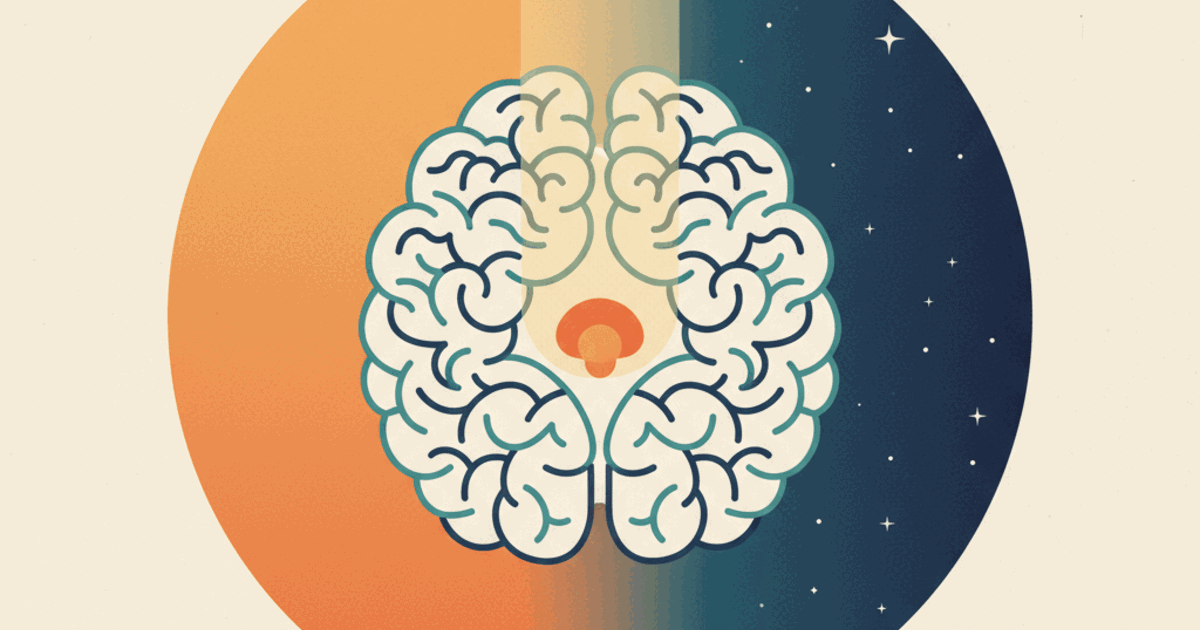
The body makes it enzymatically from serotonin, mainly at night and mainly in the pineal gland, a pea-sized structure deep in the brain. Light falling on the retina suppresses that production, which is why the substance behaves as a darkness signal rather than as a sedative [11].
Synthetic melatonin is the same molecule. Where it is licensed as a medicine, it carries the ATC code N05CH01 and is classed among the melatonin receptor agonists, alongside the sedatives and hypnotics [12].
Its half-life is very short, around three quarters of an hour. That single fact explains the shape of every approved product: all of them are prolonged-release formulations, built to stretch a signal the body clears within the hour [13].
The approved brands in Europe are Circadin and Slenyto, both held by Neurim-linked companies [1], [2]. A British product search returned 40 melatonin entries in September 2026, among them Adaflex, Ceyesto and Syncrodin [14].
Quick facts
| Field | Value | Ref |
|---|---|---|
| Name | Melatonin (international non-proprietary name) | [10] |
| Other names | N-acetyl-5-methoxytryptamine; 5-methoxy-N-acetyltryptamine | [10] |
| Is it a peptide? | No. One small molecule, no amino acids, no sequence | [10] |
| Class | Indoleamine hormone of the pineal gland; melatonin receptor agonist | [10], [11] |
| Structure | Indole ring with a methoxy group and an N-acetyl ethylamine side chain; no stereocentre | [10] |
| Formula and mass | C13H16N2O2, 232.28 g/mol; exact mass 232.121177757 Da | [10] |
| Half-life | 42.3 minutes (SD 5.6) and 46.2 minutes (SD 6.2) at two intravenous amounts in 12 healthy men | [13] |
| ATC code | N05CH01 | [12] |
| Status | Prescription medicine in the EU, UK, Switzerland and Canada; supplement in the United States | [1], [2], [3] |
| Brand names | Circadin and Slenyto (EU and UK); Adaflex, Ceyesto, Syncrodin (UK) | [1], [2], [14] |
| Injectable form | Approved nowhere | [1], [3] |
| CAS registry number | 73-31-4 | [10] |
| PubChem CID | 896 | [10] |
| UNII | JL5DK93RCL | [10] |
| InChIKey | DRLFMBDRBRZALE-UHFFFAOYSA-N | [10] |
How it works
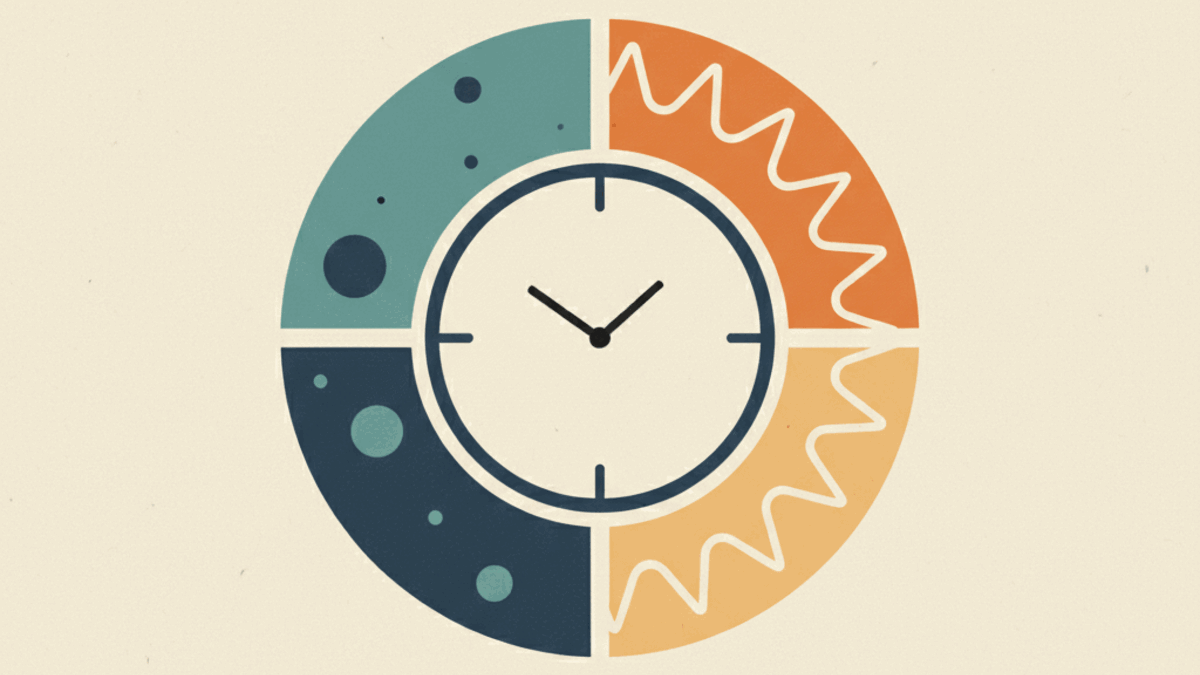
Melatonin carries a time signal rather than a sleep command. It tells the body that it is dark, and the body decides what to do with that information.
- It binds two receptors, MT1 and MT2. Both are G-protein-coupled receptors found in the suprachiasmatic nucleus of the hypothalamus, the small cluster of cells that runs the body clock, as well as in the retina and outside the brain [11].
- MT1 appears to damp down the clock's firing rate. Activating it reduces the electrical activity of those clock cells, which is the classic description of the night signal [11].
- MT2 has been linked to shifting the clock's timing. Through this receptor the whole daily rhythm may be moved earlier or later, which is a different action from making someone drowsy [11].
- It does not behave like a sedative. In 12 healthy men, even a very large intravenous amount produced no measurable sedation in a simple reaction-time test [13].
- Timing beats quantity. Two Cochrane reviews found no dependable relationship between the amount taken and the result, and one of them found that taking it at the wrong time of day delayed adaptation instead of helping it [15], [16].
This is where melatonin parts company with the substances it is usually listed beside. It is not a peptide and not a growth factor, but a small hormone acting on two named receptors of the body clock [10], [11].
What the trials found
The volume of research is large and the quality is uneven. A registry query in September 2026 returned 712 studies naming melatonin as an intervention, spread across sleep, jet lag, delirium, cancer supportive care and dentistry, and mostly small [17].
Falling asleep in primary sleep disorders
Meta-analysis Pooling 19 randomised placebo-controlled trials with 1,683 participants, the time taken to fall asleep fell by 7.06 minutes against placebo (95 per cent confidence interval 4.37 to 9.75; Z = 5.15; p < 0.001). Total sleep time rose 8.25 minutes (interval 1.74 to 14.75; Z = 2.48; p = 0.013) [4].
Meta-analysis Overall sleep quality improved with a standardised mean difference of 0.22 (interval 0.12 to 0.32; Z = 4.52; p < 0.001). The authors describe the effects as modest and note that the absolute benefit is smaller than that of other medicines used for insomnia [4].
Pooled results from two evidence syntheses. Primary sleep disorders: 19 randomised trials, 1,683 participants, source [4]. Shift work: day sleep from 7 trials with 263 participants and night sleep from 3 trials with 234 participants, both graded low-quality by the review authors; the sleep-onset figure comes from 5 trials with 74 participants and its confidence interval runs from -1.55 to 2.29, so it is not distinguishable from zero. Source [16].
The approval trials in older adults
Phase 3 RCT The trial behind the European approval randomised 354 patients aged 55 to 80 with primary insomnia. The proportion who responded was 26 per cent against 15 per cent on placebo (p = 0.014), and the time taken to fall asleep fell 24.3 minutes against 12.9 minutes (p = 0.028) [18].
Phase 3 RCT A three-week multicentre trial in 170 outpatients aged 55 and over measured questionnaire scales. Sleep quality improved by −22.5 against −16.5 mm (p = 0.047), reported sleep quality by 0.89 against 0.46 units (p = 0.003) and morning alertness by −15.7 against −6.8 mm (p = 0.002) [19].
Phase 3 RCT That second trial also looked at what happened after stopping. It found no rebound insomnia and no withdrawal effects. Both trials rest on subjective questionnaires, and the primary quality measure cleared significance narrowly [19].
Children with autism spectrum disorder
Phase 3 RCT The trial behind the paediatric approval randomised 125 children and adolescents aged 2 to 17.5 years, and ran 13 weeks. Of them, 96.8 per cent had autism spectrum disorder and 3.2 per cent Smith-Magenis syndrome, and none had improved on behavioural measures alone [20].
Phase 3 RCT The primary measurement was met. Total sleep time rose 57.5 minutes against 9.14 minutes on placebo (adjusted treatment difference −32.43 minutes; p = 0.034), and the time taken to fall asleep fell 39.6 minutes against 12.5 minutes (adjusted −25.30 minutes; p = 0.011), without earlier waking [20].
Phase 3 RCT Clinically meaningful response reached 68.9 per cent against 39.3 per cent (p = 0.001), a number needed to treat of 3.38. The composite sleep disturbance score showed only a trend. Somnolence was reported more often than on placebo, and the sponsor ran the trial [20].
Secondary analysis A follow-up analysis of the same 125 children found externalising behaviour improved (p = 0.021), with clinically relevant improvement in 53.7 per cent against 27.6 per cent (p = 0.008). Caregivers' quality of life improved too (p = 0.010), correlated with the behaviour change (p = 0.0005) [21].
Jet lag
Cochrane review This is the strongest area, and also the oldest. Across 10 trials in travellers crossing at least five time zones, nine of ten reported less jet lag in the arms that received melatonin close to local bedtime at the destination. Nine of the ten trials were judged adequate in quality, and the number needed to treat was 2 [15].
Cochrane review The same review compared amounts differing tenfold and found them similarly effective, with one partial exception: participants fell asleep faster and slept better on the larger of the two, while still larger amounts added nothing. Timing decided the outcome, since melatonin given early in the day caused drowsiness and delayed adaptation. The review dates from 2001 and 2002 and has not been updated since [15].
Cochrane review One negative detail concerns the very formulation that every approved product uses. The reviewers described the prolonged-release preparation as relatively ineffective against jet lag and took that as a sign that a brief, higher peak works better for this purpose than a stretched signal [15].
Delayed sleep phase
Meta-analysis Across 9 studies with 317 participants, 91 adults and 226 children, the body's own melatonin onset moved 1.18 hours earlier (interval 0.89 to 1.48) and sleep onset 0.67 hours earlier (interval 0.45 to 0.89). The time taken to fall asleep fell 23.27 minutes (interval 4.83 to 41.72) [22].
Endpoints that were missed
Meta-analysis Secondary sleep disorders showed nothing. In 6 trials with 97 participants the difference in falling asleep was −13.2 minutes, with an interval from −27.3 to 0.9 that includes zero. The authors conclude that there is no evidence of effectiveness [5].
Meta-analysis The same held under sleep restriction. Across 9 trials with 427 participants the difference was −1.0 minutes, with an interval from −2.3 to 0.3 [5].
Cochrane review In shift work, falling asleep did not change: 0.37 minutes, with an interval from −1.55 to 2.29, across 5 trials with 74 participants. The two positive sleep-length findings were graded low-quality evidence by the review authors, and no dose-response effect appeared [16].
Meta-analysis In delayed sleep phase, waking time and total sleep duration showed no significant change, even though the clock itself moved [22].
Secondary analysis In the autism trial, internalising behaviour did not improve, unlike externalising behaviour in the same questionnaire [21].
What guidelines conclude
Guideline The American Academy of Sleep Medicine puts it plainly: it suggests that clinicians not use melatonin as a treatment for sleep onset or sleep maintenance insomnia in adults, against no treatment, as a weak recommendation. That is a position against use, not a neutral one [6].
Guideline The American College of Physicians places cognitive behavioural therapy for insomnia first, as a strong recommendation on moderate-quality evidence. Medicines follow only within shared decision-making, as a weak recommendation on low-quality evidence. Melatonin carries no separate entry there [23].
What is still unknown
- Long-term safety. Beyond about three months the adult data thin out, and in children they are close to absent [24].
- Effects on puberty. Reproductive effects have been described in rodents, sheep and primates, and the consequences of long-term use in growing children are unresolved in humans [25].
- Pregnancy and breastfeeding. There are no adequate human safety data either way [26].
- Any dependable dose-response relationship. Neither the jet lag review nor the shift work review could demonstrate one across the ranges they covered [15], [16].
- Whether the jet lag finding still holds. The number needed to treat of 2 rests on a review that has not been updated since 2002 [15].
- Injectable use. Outside small pharmacokinetic studies there are no efficacy or long-term safety data, and no approval anywhere [13].
Side effects and safety
Short-term tolerability in adults looks good, and that statement is limited mainly by how short the trials are. The harder problems sit elsewhere: in the quality of freely sold products and in use by children.
- Daytime sleepiness, in 1.66 per cent of participants. This comes from a systematic review of 37 randomised trials covering a wide range of amounts [24].
- Headache, in 0.74 per cent; other sleep-related events, in 0.74 per cent; dizziness, in 0.74 per cent; low body temperature, in 0.62 per cent. Same review, same 37 trials [24].
- Nausea, without a frequency figure. A safety review lists only mild effects overall: dizziness, headache, nausea and sleepiness [26].
- A major interaction with fluvoxamine. In five healthy men, co-administration raised melatonin exposure 17-fold (p < 0.05) and peak concentration 12-fold (p < 0.01), because the enzyme CYP1A2 that clears melatonin is blocked. The half-life itself did not change [27].
- Warnings for epilepsy and anticoagulation. The Cochrane jet lag review states that people with epilepsy, and patients taking warfarin, may come to harm from melatonin [15].
- Narrow approved populations. The European approvals cover short-term insomnia from age 55, and children and adolescents with autism spectrum disorder, neurogenetic conditions or attention deficit hyperactivity disorder, only after sleep hygiene measures proved insufficient [1], [2].
- Pregnancy and breastfeeding are advised against, for lack of human data rather than for a known harm [26].
Children: the largest documented harm signal
American poison centres registered 260,435 paediatric melatonin ingestions between 2012 and 2021. The annual figure rose 530 per cent over that decade, with the sharpest single jump of 37.9 per cent between 2019 and 2020 [7].
National Poison Data System, 260,435 ingestions in total between 2012 and 2021, an increase of 530 per cent. 83.8 per cent involved children aged five or under and 94.3 per cent were unintentional. Of those who sought care, 4,097 were admitted to hospital and 287 to intensive care; two children under two years old died. Source [7].
Most cases ended without harm: 84.4 per cent stayed symptom-free and 94.3 per cent were unintentional. The tail is what matters. Of those who sought medical help, 4,097 children were admitted to hospital, 287 to intensive care and 5 needed ventilation [7].
Two children died at home, both under two years old. A separate review of paediatric use notes that melatonin never went through the formal long-term safety testing expected of a new medicine for children [7], [25].
Product quality
An analysis of 30 commercial supplements found content between 83 per cent below and 478 per cent above the declared amount. Batch-to-batch variation inside a single product reached 465 per cent, and more than 71 per cent of products missed a 10 per cent tolerance [8].
Eight of the 30 products, or 26 per cent, contained serotonin at 1 to 75 micrograms. Serotonin is pharmacologically active and was not declared on any label [8].
A later analysis of gummy products sold in the United States reached the same conclusion [28]. The American National Center for Complementary and Integrative Health reports from it that 22 of 25 gummy products were inaccurately labelled [29].
Why this page lists no doses
This page gives no amounts for melatonin in any unit. In the European Union, the United Kingdom, Switzerland and Canada it is an approved prescription medicine. For such a substance, a quantity named on a reference page reads as an instruction rather than as a citation [1], [2], [30]. The freer American rules change nothing here, because this page is read in every one of those markets and the strictest applicable rule is the one that counts [3].
Three findings on this page make that decision straightforward rather than cautious. There is no demonstrable dose-response relationship in either Cochrane review. Declared content is unreliable, so a figure in milligrams would describe the label and not the product. And the specialist society advises against use in the one setting most readers have in mind [8], [15], [6].
The amounts used in the trials cited here stay where they belong: in the published papers, tied to their own population, formulation and result. They are not a schedule, and this page does not turn them into one.
Development and approval status
Melatonin is the clearest case of a substance whose legal status depends on the country rather than on the molecule. The same molecule is a prescription medicine in most of the markets checked and a freely sold supplement in one of them [1], [2], [30].
Thirty years of a status that never settled
- 1996Germany: a medicine, whatever the amountThe federal institutes call melatonin a pharmacologically active substance rather than a food, expressly regardless of the amount, ref [31]
- 2007First central European approvalCircadin is approved on 29 June for short-term primary insomnia from age 55, prescription-only, ref [1]
- 2012EU food law opens a second trackTwo health claims for melatonin are entered in the register of permitted claims for foods, ref [32]
- 2018A paediatric approvalSlenyto is approved on 20 September for children and adolescents with autism spectrum disorder or neurogenetic conditions, prescription-only, ref [2]
- 2021Australia loosens one cornerFrom June, prolonged-release melatonin becomes a pharmacist-only medicine for people over 55 with insomnia; everything else stays prescription-only, ref [33]
- 2023Switzerland warns against importsSwissmedic states on 27 November that melatonin cannot be marketed as a food or supplement in Switzerland, ref [34]
- 2026Canada gains a prescription productSlenyto is marketed from 16 July with prescription status, alongside the existing supplement route, ref [35]
- 1996 the German federal institutes conclude that melatonin-containing products are medicines requiring approval, expressly regardless of the amount involved [31].
- June 2007 Circadin receives a central European approval for short-term primary insomnia in patients aged 55 or over, obtainable only with a prescription [1].
- 2012 European food law enters two permitted health claims for melatonin, each tied to a minimum content per portion [32].
- September 2018 Slenyto receives a central European approval for children and adolescents, later extended to attention deficit hyperactivity disorder in 6 to 17-year-olds [2].
- June 2021 Australia moves prolonged-release melatonin for over-55s to pharmacist-only status, leaving everything else prescription-only [33].
- November 2023 Swissmedic warns against private imports and restates that melatonin cannot be sold as a food in Switzerland [34].
- July 2026 a prescription melatonin medicine reaches the Canadian market for the first time [35].
| Market | Status | Since or note |
|---|---|---|
| United States | Supplement | No drug approval |
| European Union | Prescription | Since 2007 |
| Germany | Prescription | EU approvals apply; supplement status disputed |
| United Kingdom | Prescription | Prescription-only medicine |
| Australia | Prescription | Schedule 4, narrow exception |
| Canada | Both | Prescription since July 2026 |
| Switzerland | Prescription | Dispensing category B |
The British entry is documented down to the number. The summary of product characteristics for Circadin in Great Britain carries the marketing authorisation PLGB 52348/0002 and the legal category prescription only medicine [30].
The Canadian picture is genuinely double-tracked. The drug product database holds two human prescription entries marketed since 16 July 2026, alongside a veterinary implant from 1988, while melatonin also remains licensable as a natural health product [35].
Germany is the least settled case. Melatonin supplements are sold there in practice, yet the 1996 assessment has never been superseded. A test case at an administrative court ended in 2018 without a ruling on the merits, and the federal office itself calls the classification a highly disputed question [31], [36].
The American position is the opposite of the European one. The drug approval database holds nothing for the substance, and the 51 melatonin entries in the labelling database are unapproved homeopathic over-the-counter products; a registered label is not an approval [3], [37].
That freedom of sale is a legal category, not a verdict on the substance. Supplements reach the American market without any check of effectiveness, purity or strength beforehand, which is why the same country that sells melatonin in supermarkets also produced the poison centre figures and the labelling failures described above. Nothing in the American status makes the substance approved, tested or exempt from the prescription rules of the other markets on this page [3], [7], [8].
Even the United States draws a line somewhere. Melatonin is not permitted in conventional foods, a point the regulator made in 2011 over melatonin-containing brownies, stating that no food additive regulation authorises its use [38].
Use has risen steadily. Among American adults, reported supplement use went from 0.4 per cent in 1999 and 2000 to 2.1 per cent in 2017 and 2018 (p for trend = 0.004). Use of the larger amounts rose from 0.08 per cent in 2005 and 2006 to 0.28 per cent in 2017 and 2018 (p = 0.005) [39].
One finding cuts across every market: no injectable melatonin preparation is approved for humans anywhere. Every approved product is taken by mouth, and the only non-oral approval found is the Canadian veterinary implant [1], [2], [3], [35].
The wider legal picture is under are peptides legal and FDA-approved peptides.
Anti-doping
Melatonin is not prohibited in sport, in or out of competition, and it is not on the monitoring programme. A full-text search of the 2026 prohibited list for the word stem returned no match, while a control search in the same document returned five [9].
The same applies in German law. The annex to the anti-doping statute returns no match for the word stem, with a working control query, so melatonin is not a doping agent under that statute either [40].
The absence is plausible rather than an artefact. Melatonin is not a performance-enhancing substance in the agency's terms but a body-clock agent, used openly in elite sport for time-zone adjustment. The residual risk is contamination of freely sold products, not the substance [8], [9]. The full picture is at peptides banned in sport.
Compared with related peptides
| Substance | How it acts | Status | Strongest own finding |
|---|---|---|---|
| Melatonin | Binds MT1 and MT2 receptors of the body clock | Prescription in EU, UK, CH, CA; supplement in US | Falling asleep 7.06 minutes sooner than placebo, 19 trials, 1,683 participants [4] |
| DSIP | Proposed sleep-related peptide | See its own page | See its own page |
| Epitalon | Pineal gland peptide, proposed clock effects | See its own page | See its own page |
| Pinealon | Short pineal-derived peptide | See its own page | See its own page |
| Ramelteon | Synthetic MT1 and MT2 agonist | See its own page | See its own page |
The comparison is a contrast, not a ranking. Three of the four neighbours are peptides made of amino acids; melatonin is a single small molecule and does not belong to that family at all [10].
The closest relative in pharmacology is the one that is not a peptide either. Ramelteon acts at the same two receptors, which is why it sits in the same ATC group and why the two are often confused [11], [12].
The contrast that matters most is evidential. Melatonin has hundreds of trials and two approvals behind it, and its measured effects are still counted in single-digit minutes. Volume of research and size of effect are separate things [4], [17].
Common misconceptions
- "Melatonin is a harmless supplement everywhere." The status is a property of the market, not of the molecule. In the European Union, the United Kingdom and Switzerland it is a prescription medicine, and Switzerland states expressly that it may not be sold as a food [1], [30], [34].
- "Melatonin is FDA-approved." It is not. The approval database returns no match for the active substance, and supplements go through no approval procedure. The entries in the labelling database are unapproved homeopathic products [3], [37].
- "The EU recognised it as a sleep aid, so it is allowed as a supplement." Two separate bodies of law are being mixed. A permitted health claim for foods says nothing about whether a given product may lawfully be sold as a food, which each member state decides for itself [32], [36].
- "More melatonin works better." No evidence supports that. Amounts differing tenfold performed similarly against jet lag, apart from one partial difference in how fast people fell asleep, and still larger amounts added nothing; no dose-response effect appeared for shift work at all. Timing decided the result in both reviews [15], [16].
- "The meta-analyses prove it works for sleep problems." Only in part, and the specialist society disagrees. The effect in primary disorders is 7.06 minutes, the effect in secondary disorders was absent, and the sleep-medicine guideline advises against use in chronic insomnia [4], [5], [6].
- "The label says what is in the bottle." Frequently not. Measured content ran from 83 per cent below to 478 per cent above the declaration across 30 products, and a quarter of them contained undeclared serotonin [8], [28].
- "It is banned in sport because it is a hormone." It is not on the 2026 prohibited list and not in the German anti-doping annex. Being a hormone is not the criterion [9], [40].
- "Injectable melatonin must be approved somewhere." It is not, in any of the seven markets checked. Every approved human product is oral; the only non-oral approval is a veterinary implant [3], [35].
- "Melatonin is a peptide." No. It is an indoleamine of 232.28 g/mol, with no amino acids and no peptide bond. It appears here for its link to sleep research [10].
Frequently asked questions
Is melatonin a peptide?
No. Melatonin is an indoleamine, a single small molecule with the formula C13H16N2O2 and a mass of 232.28 g/mol. It contains no amino acids and no peptide bond, and it has no sequence. It appears in this register because of its link to sleep and body-clock research, not because it belongs to the peptide family.
Is melatonin a prescription medicine or a supplement?
Both, depending on the country. It is a prescription-only medicine in the European Union, the United Kingdom, Switzerland and, since July 2026, also in Canada alongside a supplement route. Australia treats it as Schedule 4 with one narrow pharmacist-only exception. The United States is the outlier, where it is sold as a dietary supplement.
Has melatonin been approved by the FDA?
No. A query of the American drug approval database returned no match for melatonin, while a control query for another substance in the same endpoint returned a record. Supplements go through no approval procedure at all under American law. The melatonin entries in the labelling database are unapproved homeopathic over-the-counter products.
What did the trials of melatonin actually show?
In primary sleep disorders, a meta-analysis of 19 trials with 1,683 participants found sleep came on 7.06 minutes sooner than with placebo and total sleep time rose 8.25 minutes. The authors called the effects modest. In secondary sleep disorders, a separate meta-analysis found no effect at all.
What did the trials of melatonin find for jet lag, and why is chronic insomnia judged differently?
The two questions ask different things. A Cochrane review of travel across at least five time zones found nine of ten trials positive, with a number needed to treat of two, although that review has not been updated since 2002. For chronic insomnia in adults, the American Academy of Sleep Medicine issued a weak recommendation against use, because the measured effects are small.
Is more melatonin better?
The reviews give no support for that. Across a tenfold range of amounts the Cochrane jet lag review found similar results, with one partial exception in how quickly people fell asleep, and still larger amounts added nothing at all. The shift work review found no dose-response effect across the range it covered. Both reviews point to the time of day as the decisive factor instead.
How risky is melatonin for children?
The American poison centre figures are the clearest signal. Between 2012 and 2021 they logged 260,435 paediatric ingestions, a rise of 530 per cent, with 83.8 per cent in children aged five or under. Of those who sought care, 4,097 were admitted to hospital, 287 to intensive care, and two children under two died at home.
Does a melatonin product contain what the label says?
Often not. An analysis of 30 commercial supplements found actual content ranging from 83 per cent below to 478 per cent above the declared amount, with batch-to-batch variation inside one product reaching 465 per cent. More than 71 per cent missed the 10 per cent tolerance, and 26 per cent contained undeclared serotonin.
Is injectable melatonin approved anywhere?
No. Every approved melatonin medicine in the markets checked is taken by mouth, as a prolonged-release tablet, a mini-tablet or an oral solution. The only non-oral approval found anywhere is a veterinary implant in Canada. Intravenous melatonin exists only as an investigational preparation inside clinical studies.
Is melatonin banned in sport?
No. A full-text search of the 2026 World Anti-Doping Agency prohibited list for the word stem returned no match, with a working control query in the same document. It is also absent from the annex to the German anti-doping statute. The residual risk lies in product contamination, not in the substance.
Sources
- European Medicines Agency. Circadin — European public assessment report, medicine overview. EMEA/H/C/000695. Approved 29 June 2007; marketing authorisation holder RAD Neurim Pharmaceuticals EEC SARL, Paris; prolonged-release tablet; indication "Short-term treatment of primary insomnia characterised by poor quality of sleep in patients who are aged 55 or over"; supply status "The medicine can only be obtained with a prescription". Retrieved 20 September 2026. https://www.ema.europa.eu/en/medicines/human/EPAR/circadin
- European Medicines Agency. Slenyto — European public assessment report, medicine overview. EMEA/H/C/004425. Approved 20 September 2018, prescription-only; prolonged-release tablets; children and adolescents aged 2 to 18 with autism spectrum disorder and/or neurogenetic conditions, and 6 to 17-year-olds with attention deficit hyperactivity disorder, after sleep hygiene measures proved insufficient. Retrieved 20 September 2026. https://www.ema.europa.eu/en/medicines/human/EPAR/slenyto
- openFDA / U.S. Food and Drug Administration. Drugs@FDA query,
openfda.generic_name:"melatonin", 20 September 2026. Response verbatim:{"error":{"code":"NOT_FOUND","message":"No matches found!"}}. Control query for semaglutide in the same endpoint returned one record, so the null finding is genuine. https://api.fda.gov/drug/drugsfda.json - Ferracioli-Oda E, Qawasmi A, Bloch MH (2013). Meta-analysis: melatonin for the treatment of primary sleep disorders. PLoS One 8(5):e63773. PMID 23691095. DOI 10.1371/journal.pone.0063773. 19 trials, 1,683 participants; sleep onset latency −7.06 min (95 % CI 4.37–9.75; p < 0.001); total sleep time +8.25 min (95 % CI 1.74–14.75; p = 0.013); sleep quality SMD 0.22 (95 % CI 0.12–0.32; p < 0.001).
- Buscemi N, Vandermeer B, Hooton N, et al. (2006). Efficacy and safety of exogenous melatonin for secondary sleep disorders and sleep disorders accompanying sleep restriction: meta-analysis. BMJ 332(7538):385–393. PMID 16473858. DOI 10.1136/bmj.38731.532766.F6. Secondary sleep disorders −13.2 min (95 % CI −27.3 to 0.9), not significant; sleep restriction −1.0 min (95 % CI −2.3 to 0.3); "There is no evidence that melatonin is effective in treating secondary sleep disorders".
- Sateia MJ, Buysse DJ, Krystal AD, Neubauer DN, Heald JL (2017). Clinical practice guideline for the pharmacologic treatment of chronic insomnia in adults. Journal of Clinical Sleep Medicine 13(2):307–349. PMID 27998379. Verbatim: "We suggest that clinicians not use melatonin as a treatment for sleep onset or sleep maintenance insomnia (versus no treatment) in adults. (WEAK)".
- Centers for Disease Control and Prevention (2022). Pediatric melatonin ingestions — United States, 2012–2021. MMWR Morbidity and Mortality Weekly Report 71(22). 260,435 ingestions; annual figure +530 per cent (8,337 to 52,563); 83.8 per cent aged 5 or under; 94.3 per cent unintentional; 84.4 per cent asymptomatic; 4,097 hospital admissions; 287 intensive care admissions; 5 ventilated; 2 deaths, both under 2 years. https://www.cdc.gov/mmwr/volumes/71/wr/mm7122a1.htm
- Erland LAE, Saxena PK (2017). Melatonin natural health products and supplements: presence of serotonin and significant variability of melatonin content. Journal of Clinical Sleep Medicine 13(2):275–281. PMID 27855744. DOI 10.5664/jcsm.6462. 30 products; content −83 per cent to +478 per cent of declaration; batch variability up to 465 per cent; more than 71 per cent outside a 10 per cent tolerance; serotonin in 8 products (26 per cent) at 1–75 µg.
- World Anti-Doping Agency (2026). World Anti-Doping Code International Standard — Prohibited List 2026, in force 1 January 2026. Local full text checked 20 September 2026: word-stem search "melaton" returned 0 matches, while the control term "insulin" returned 5 and the section headings S1, S2, S4, M1–M3 and S6 were all found, so the document was searchable and the null finding is genuine.
- PubChem (NCBI), compound CID 896, queried 20 September 2026 for properties and synonyms: C13H16N2O2; 232.28 g/mol; exact mass 232.121177757; InChIKey DRLFMBDRBRZALE-UHFFFAOYSA-N; IUPAC name N-2-(5-methoxy-1H-indol-3-yl)ethylacetamide; CAS 73-31-4; UNII JL5DK93RCL; ChEBI:16796. https://pubchem.ncbi.nlm.nih.gov/compound/896
- Liu J, Clough SJ, Hutchinson AJ, Adamah-Biassi EB, Popovska-Gorevski M, Dubocovich ML (2016). MT1 and MT2 melatonin receptors: a therapeutic perspective. Annual Review of Pharmacology and Toxicology 56:361–383. PMID 26514204. DOI 10.1146/annurev-pharmtox-010814-124742. Receptor pharmacology, expression in the suprachiasmatic nucleus and retina, and the distinction between damping clock-cell firing and shifting the rhythm.
- compendium.ch (Switzerland). CIRCADIN prolonged-release tablets — product information, retrieved 20 September 2026. Marketing authorisation holder Neurim Pharmaceuticals AG; dispensing category B; ATC code N05CH01; indication "primary insomnia as monotherapy from age 55". https://compendium.ch
- Andersen LPH, Werner MU, Rosenkilde MM, et al. (2016). Pharmacokinetics of high-dose intravenous melatonin in humans. Journal of Clinical Pharmacology 56(3):324–329. PMID 26184078. DOI 10.1002/jcph.592. Crossover in 12 healthy men; half-life 42.3 min (SD 5.6) and 46.2 min (SD 6.2); volume of distribution 1.6 and 2.0 l/kg; clearance 0.0253 and 0.0300 l/min/kg; no sedation in a simple reaction-time test; no adverse effects reported.
- electronic medicines compendium / Datapharm (United Kingdom). Product search "melatonin", retrieved 20 September 2026: 40 entries, among them Adaflex (AGB-Pharma), Slenyto (Flynn Pharma), Circadin, Ceyesto (Alturix), Syncrodin (Pharma Nord UK) and Civasta (Neuraxpharm, discontinued), plus products from Colonis, Medice, Orifarm, Orion, Sandoz, Teva, Wockhardt and Zentiva. https://www.medicines.org.uk/emc/search?q=melatonin
- Herxheimer A, Petrie KJ (2001/2002). Melatonin for the prevention and treatment of jet lag. Cochrane Database of Systematic Reviews CD001520. PMID 11279722 / PMID 12076414. DOI 10.1002/14651858.CD001520. 10 trials, 9 of adequate quality; 9 of 10 positive when taken close to destination bedtime after crossing at least 5 time zones; number needed to treat 2; amounts differing tenfold similarly effective, except that participants fell asleep faster and slept better on the larger one, with still larger amounts no more effective; the prolonged-release preparation described as relatively ineffective for jet lag, taken as a sign that a short-lived higher peak works better; administration early in the day delayed adaptation; verbatim warning that "people with epilepsy, and patients taking warfarin may come to harm from melatonin". Not updated since.
- Liira J, Verbeek JH, Costa G, et al. (2014). Pharmacological interventions for sleepiness and sleep disturbances caused by shift work. Cochrane Database of Systematic Reviews (8):CD009776. PMID 25113164. DOI 10.1002/14651858.CD009776.pub2. 15 trials, 718 participants; melatonin day sleep +24 min (95 % CI 9.8–38.9; 7 trials, 263 participants, low-quality evidence); night sleep +17 min (95 % CI 3.71–30.22; 3 trials, 234 participants, low quality); sleep onset 0.37 min (95 % CI −1.55 to 2.29; 5 trials, 74 participants); no dose-response effect.
- ClinicalTrials.gov API v2 (U.S. National Library of Medicine), queried 20 September 2026:
query.intr=melatonin&countTotal=truereturned totalCount 712. A control query for the sponsor "Hudson Biotech" in the same search returned totalCount 0, so no test records had to be excluded. The first 100 records split into 43 with no phase stated, 19 phase 2, 11 phase 3, 9 phase 4, 8 phase 1 and 1 early phase 1. - Wade AG, Ford I, Crawford G, et al. (2007). Efficacy of prolonged release melatonin in insomnia patients aged 55–80 years. Current Medical Research and Opinion 23(10):2597–2605. PMID 17875243. DOI 10.1185/030079907X233098. Randomised, double-blind, placebo-controlled; n = 354; responder rate 26 per cent versus 15 per cent (p = 0.014); sleep onset latency −24.3 versus −12.9 min (p = 0.028).
- Lemoine P, Nir T, Laudon M, Zisapel N (2007). Prolonged-release melatonin improves sleep quality and morning alertness in insomnia patients aged 55 years and older and has no withdrawal effects. Journal of Sleep Research 16(4):372–380. PMID 18036082. DOI 10.1111/j.1365-2869.2007.00613.x. Multicentre, randomised, placebo-controlled, 3 weeks; n = 170; sleep quality −22.5 versus −16.5 mm (p = 0.047); reported quality 0.89 versus 0.46 units (p = 0.003); morning alertness −15.7 versus −6.8 mm (p = 0.002); no rebound insomnia.
- Gringras P, Nir T, Breddy J, Frydman-Marom A, Findling RL (2017). Efficacy and safety of paediatric prolonged-release melatonin for insomnia in children with autism spectrum disorder. Journal of the American Academy of Child and Adolescent Psychiatry 56(11):948–957.e4. PMID 29096777. DOI 10.1016/j.jaac.2017.09.414. NCT01906866. Randomised 1:1, double-blind, 13 weeks; n = 125 aged 2–17.5 years (96.8 per cent autism spectrum disorder, 3.2 per cent Smith-Magenis syndrome); total sleep time +57.5 versus +9.14 min (adjusted difference −32.43 min; p = 0.034); sleep onset −39.6 versus −12.5 min (adjusted −25.30 min; p = 0.011); responders 68.9 versus 39.3 per cent (p = 0.001), number needed to treat 3.38; sponsor-run.
- Schroder CM, Malow BA, Maras A, et al. (2019). Paediatric prolonged-release melatonin for sleep in children with autism spectrum disorder: impact on child behaviour and caregiver's quality of life. Journal of Autism and Developmental Disorders 49(8):3218–3230. PMID 31079275. DOI 10.1007/s10803-019-04046-5. Secondary analysis of the same 125 participants; externalising behaviour p = 0.021, clinically relevant improvement 53.7 versus 27.6 per cent (p = 0.008); internalising behaviour not significant; caregiver quality of life p = 0.010, correlated with the behaviour change (p = 0.0005).
- van Geijlswijk IM, Korzilius HPLM, Smits MG (2010). The use of exogenous melatonin in delayed sleep phase disorder: a meta-analysis. Sleep 33(12):1605–1614. PMID 21120122. DOI 10.1093/sleep/33.12.1605. 9 studies, 317 participants (91 adults, 226 children); endogenous melatonin onset advanced 1.18 h (95 % CI 0.89–1.48); sleep onset advanced 0.67 h (95 % CI 0.45–0.89); sleep onset latency −23.27 min (95 % CI 4.83–41.72); wake time and total sleep duration unchanged.
- Qaseem A, Kansagara D, Forciea MA, Cooke M, Denberg TD (2016). Management of chronic insomnia disorder in adults: a clinical practice guideline from the American College of Physicians. Annals of Internal Medicine 165(2):125–133. PMID 27136449. DOI 10.7326/M15-2175. Cognitive behavioural therapy for insomnia as first-line care (strong recommendation, moderate-quality evidence); pharmacotherapy only within shared decision-making (weak recommendation, low-quality evidence); no separate entry for melatonin.
- Besag FMC, Vasey MJ, Lao KSJ, Wong ICK (2019). Adverse events associated with melatonin for the treatment of primary or secondary sleep disorders: a systematic review. CNS Drugs 33(12):1167–1186. PMID 31722088. DOI 10.1007/s40263-019-00680-w. 37 randomised controlled trials; daytime sleepiness 1.66 per cent, headache 0.74 per cent, other sleep-related events 0.74 per cent, dizziness 0.74 per cent, hypothermia 0.62 per cent; "generally regarded as safe and well tolerated", with limited long-term data.
- Kennaway DJ (2015). Potential safety issues in the use of the hormone melatonin in paediatrics. Journal of Paediatrics and Child Health 51(6):584–589. PMID 25643981. DOI 10.1111/jpc.12840. Absence of the formal long-term safety testing expected of a new paediatric medicine; "profound effects on the reproductive systems of rodents, sheep and primates"; cardiovascular, immune and metabolic effects; interaction potential. Its first point, that no paediatric registration existed, has since been overtaken by the 2018 and 2026 approvals.
- Andersen LPH, Gögenur I, Rosenberg J, Reiter RJ (2016). The safety of melatonin in humans. Clinical Drug Investigation 36(3):169–175. PMID 26692007. DOI 10.1007/s40261-015-0368-5. Verbatim: "Only mild adverse effects, such as dizziness, headache, nausea and sleepiness have been reported"; advises against use in pregnancy and breastfeeding for want of human data.
- Härtter S, Grözinger M, Weigmann H, Röschke J, Hiemke C (2000). Increased bioavailability of oral melatonin after fluvoxamine coadministration. Clinical Pharmacology and Therapeutics 67(1):1–6. PMID 10668847. DOI 10.1067/mcp.2000.104071. Five healthy volunteers; co-administration raised the area under the curve 17-fold (p < 0.05) and peak concentration 12-fold (p < 0.01); terminal half-life unchanged; the effect was more pronounced in a CYP2D6 poor metaboliser.
- Cohen PA, Avula B, Wang YH, Katragunta K, Khan I (2023). Quantity of melatonin and CBD in melatonin gummies sold in the US. JAMA 329(16):1401–1402. PMID 37097362. DOI 10.1001/jama.2023.2296. Citation and research question verified on 20 September 2026; the individual figures were not retrievable from the primary source, so only the finding that the pattern was confirmed is used here.
- National Center for Complementary and Integrative Health (NIH), Melatonin: what you need to know, status May 2024, retrieved 20 September 2026. American status as a dietary supplement; the 2016 and 2017 guideline assessments; jet lag, shift work and paediatric use; 22 of 25 gummy products inaccurately labelled; possible interactions with blood thinners and anti-epileptic medicines. https://www.nccih.nih.gov/health/melatonin-what-you-need-to-know
- electronic medicines compendium / Datapharm (United Kingdom). Circadin prolonged-release tablets — summary of product characteristics, retrieved 20 September 2026. Marketing authorisation PLGB 52348/0002; legal category verbatim "Prescription only medicine (POM)"; monotherapy for short-term treatment of primary insomnia in patients aged 55 or over. https://www.medicines.org.uk/emc/product/2809/smpc
- Bundesinstitut für Risikobewertung, joint assessment by BfArM and BgVV, notice 13/1996 of 16 June 1996, retrieved 20 September 2026. Melatonin is "a substance with pharmacological action and not a food or food supplement"; the assessment applies "regardless of the amount", expressly including very small contents; reasoning that even small amounts raise plasma levels to the height of the body's own nocturnal peak and may impair fitness to drive.
- European Commission. Regulation (EU) No 432/2012 establishing a list of permitted health claims made on foods, CELEX 32012R0432, annex entries for melatonin, retrieved via EUR-Lex on 20 September 2026: "Melatonin contributes to the alleviation of subjective feelings of jet lag" and "Melatonin contributes to the reduction of time taken to fall asleep", each tied to a minimum content per quantified portion. A permitted claim does not settle whether a given product may lawfully be sold as a food.
- Yeung KWCM, Lee SKM, Bin YS, Cheung JMY (2023). Pharmacists' perspectives and attitudes towards the 2021 down-scheduling of melatonin in Australia using the theoretical domains framework: a mixed-methods study. International Journal of Clinical Pharmacy 45(5):1153–1166. PMID 37354280. DOI 10.1007/s11096-023-01605-w. Verbatim: "In Australia, prescription melatonin became a 'Pharmacist Only Medicine' for people over 55 with insomnia from June 2021." Used as a substitute source because the Australian regulator's own site was unreachable on 20 September 2026; the verbatim schedule text is therefore not evidenced here.
- Swissmedic (27 November 2023). Warning about imports of melatonin and DHEA by private individuals, retrieved 20 September 2026. Melatonin is a prescription medicine in Switzerland because of its pharmacological action and may not be marketed as a food or food supplement; private import is limited to a month's personal requirement.
- Health Canada. Drug Product Database API, queried 20 September 2026 for the active ingredient melatonin: drug_code 106382, DIN 02560798, SLENYTO, human, Neurim Pharmaceuticals Ltd., tablet (extended-release), oral, schedule "PRESCRIPTION", marketed since 16 July 2026; drug_code 106383, DIN 02560801, the same; drug_code 9301, DIN 00793167, PRIME-X MELATONIN IMPLANTS, veterinary, marketed since 31 December 1988. A control query for semaglutide in the same endpoint returned records. Melatonin also remains licensable as a natural health product.
- Bundesamt für Verbraucherschutz und Lebensmittelsicherheit. FAQ: court proceedings on melatonin-containing products — delimitation between food and medicine, retrieved 20 September 2026. A test case before the Braunschweig administrative court (5 A 113/13) on a product the office had classified as a functional medicine ended on 25 April 2018 when the action was withdrawn, without a ruling on the merits. The office calls the classification "a highly disputed question at present".
- openFDA / U.S. Food and Drug Administration. Drug label query,
openfda.substance_name:"MELATONIN", 20 September 2026: 51 records, all unapproved homeopathic over-the-counter products (for example GUNA-GERIATRICS and GUNA-AWARENESS from Guna spa, Pollutox from Deseret Biologicals), product_type "HUMAN OTC DRUG". A registered label is not an approval. https://api.fda.gov/drug/label.json - U.S. Senate, Office of Senator Richard J. Durbin, press release of 2 August 2011, reporting the FDA position on melatonin-containing baked goods: there is "no food additive regulation that authorizes the use of melatonin" and no basis to treat it as generally recognised as safe in conventional foods. The original FDA letter is no longer retrievable, so the wording is documented only at second hand.
- Li J, Somers VK, Xu H, Lopez-Jimenez F, Covassin N (2022). Trends in use of melatonin supplements among US adults, 1999–2018. JAMA 327(5):483–485. PMID 35103775. DOI 10.1001/jama.2021.23652. Prevalence 0.4 per cent (95 % CI 0.2–1.0) in 1999–2000 rising to 2.1 per cent (95 % CI 1.5–2.9) in 2017–2018, p for trend = 0.004; higher-amount use 0.08 per cent (95 % CI 0.02–0.38) in 2005–2006 rising to 0.28 per cent (95 % CI 0.13–0.60) in 2017–2018, p = 0.005.
- Germany, annex to section 2(3) of the anti-doping act, official citation BGBl. 2023 I no. 67. Local full text checked 20 September 2026: word-stem search "melaton" returned 0 matches, while the control term "wachstum" returned 11 and the sections "I. Anabole Stoffe" and "II. Peptidhormone" were found, so the document was searchable and the null finding is genuine.
Cite this page
The facts on this page were checked on 20 September 2026, and every register behind the status table was queried on that day. Two entries are weaker than the rest: the Australian schedule text rests on a peer-reviewed description rather than on the regulator's own document, and the German classification has never been settled by a court.
myPeptides Research & Editing. (2026). Melatonin: what the trials show, status and safety. Version 1.0, 20 September 2026. myPeptides Peptide Register. Retrieved from https://mypep.app/peptides/melatonin
How pages in this register are compiled and graded is described under methodology; the full register is at peptides.
| Version | Date | Change |
|---|---|---|
| 1.0 | 2026-09-20 | Initial publication |
Last verified: 20 September 2026. Next review: on any change to the German or Australian classification, on any update to the Cochrane jet lag review, or on any new approval in a market listed above.