
Humanin: what the studies show, status and safety
Summary
Humanin is a short peptide of 24 building blocks that the body makes itself, from a gene that sits inside the mitochondria rather than in the cell nucleus. It has been researched since 2001, but in those 25 years no person has ever been given a dose in a study. Every human finding is a measurement of the peptide in blood or tissue, never a treatment. No country has approved it, and the one serious report on record concerns a contaminated injection rather than the substance itself.
Key findings at a glance
- Seven registry entries, not one of them a treatment. A search of ClinicalTrials.gov on 20 September 2026 found seven studies that mention humanin. All seven were read in full, and in every one the peptide is measured rather than given [1].
- 25 years of research without a first dose in a person. The first description was published on 22 May 2001 by a group at Keio University in Tokyo [2]. No early-stage safety study has followed since.
- The body makes it in its own mitochondria. The instructions sit inside a mitochondrial gene. Almost every other peptide of this kind is written in the cell nucleus [3].
- More is not better. In 94 and then 83 dialysis patients, the risk of death and heart problems rose at both ends of the scale. Above roughly 760 pg/ml it reached 5.84 times the risk seen around the middle of the range [4], [5].
- The best animal result falls apart under harder conditions. In pigs, the analogue S14G-humanin at 2 mg/kg shrank the damaged heart muscle after a 60-minute blockage. When the blockage lasted longer, it did nothing [6].
- Everything known about uptake comes from rodents. In rats, the peptide was highest in blood, present in the liver, and not detectable in brain or heart. There is no human measurement at all [7].
- One serious report, and it is about the product. The American adverse event database holds a single entry. A man of 56 injected 5 mg under the skin, mixed with distilled water, and developed a picture of botulism [8].
- Banned in sport around the clock. Class S0 of the 2026 Prohibited List catches humanin through its wording rather than by naming it [9].
What it is
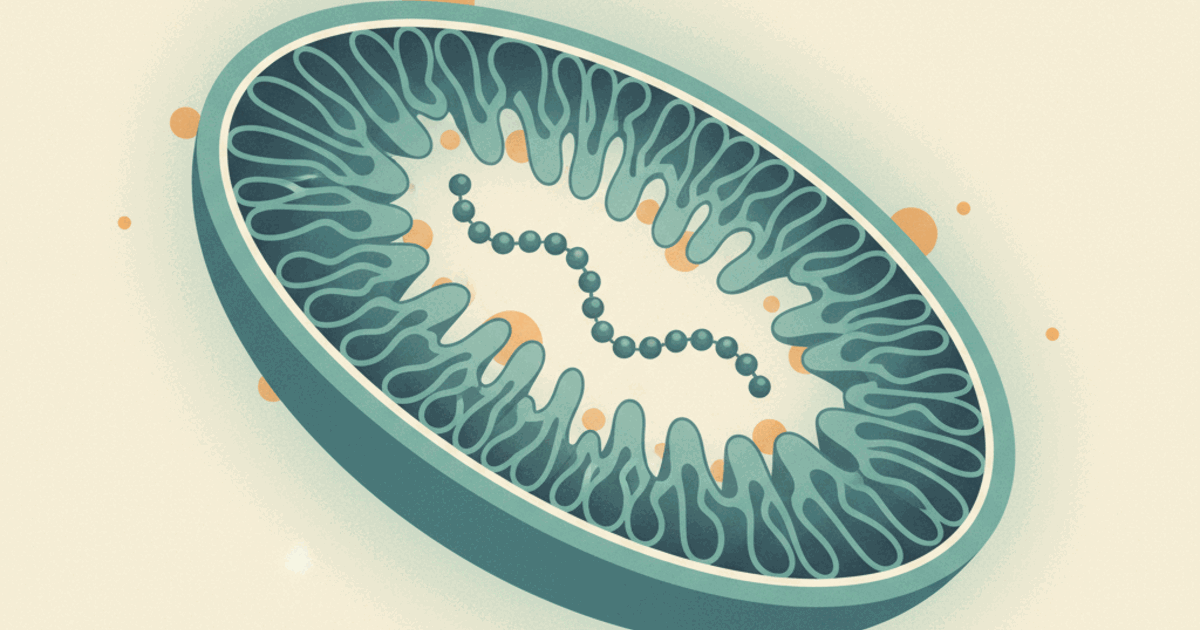
Humanin is a peptide of 24 building blocks that every human body produces. Unusually, the recipe is kept inside the mitochondria, the small power plants of the cell. It sits in a gene called MT-RNR2 that otherwise serves a quite different purpose [3], [10]. Peptides of this kind are called mitochondria-derived peptides, and humanin was the first one found.
Because the peptide occurs naturally, it can be measured in the blood of healthy people. Measuring it is harder than it sounds. The cell nucleus carries 13 look-alike genes, MTRNR2L1 to MTRNR2L13, whose products resemble humanin closely enough to blur laboratory results [11].
The discovery came out of a systematic search. A group around Ikuo Nishimoto at Keio University in Tokyo screened a gene library from a brain region that had stayed intact in a person with Alzheimer's disease. The find was published in May 2001 [2]. No company ever developed it into a product, and no brand name exists.
One distinction runs through the whole literature. Most experiments do not use humanin but HNG, also called S14G-humanin, in which building block 14 is swapped from serine to glycine. That position is one of only two shown to be essential, alongside the cysteine at position 8. HNG is therefore a different molecule with its own data [12].
Quick facts
| Short forms | HN; HNG and HNGF6A are separate analogues [12] |
| Class | Mitochondria-derived peptide, made by the body [10] |
| Structure | 24 building blocks, sequence MAPRGFSCLLLLTSEIDLPVKRRA [13] |
| Formula and mass | C119H204N34O32S2, 2,687.2 g/mol [13] |
| Half-life | No human value published; rodent data only [7] |
| Approval status | Not approved in any country checked [8] |
| First described | Keio University, Tokyo, May 2001 [2] |
| CAS number | 330936-69-1 [13] |
| PubChem CID | 16131438 [13] |
| UNII | H975EUX36G, a registry entry rather than an approval [14] |
| Development record | No development stage recorded in the ChEMBL database [15] |
How it works
Humanin appears to act on two levels at once, inside the cell and from the outside as a signal. All of the following comes from cells and animals, so each mechanism should be read as a proposal rather than a settled fact.
- It blocks a protein that starts cell death. Humanin keeps the protein BAX from moving out of the cell fluid onto the mitochondria. That move is the step that normally makes a cell dismantle itself [3].
- It sticks to a carrier protein of the growth hormone system. Humanin binds IGFBP-3, a transport protein for the growth factor IGF-1. The effect differs by cell type, which is unusual and not yet explained [16].
- It docks onto a receptor of the immune system. In cells carrying the human receptor FPRL1, humanin acted at 3.5 nM and a chemically modified form at 0.012 nM, roughly 290 times lower [17]. Through the same receptor it draws immune cells towards it [18].
- It may signal through a three-part cytokine receptor. In mouse testes the protective effect disappeared in animals lacking parts of that receptor. Blocking one of the three parts changed nothing, so the picture is incomplete [19].
- Its effect on blood sugar in rodents runs through the brain. Infusing humanin into the fluid spaces of the rat brain improved the response to insulin. Blocking a signalling protein in the hypothalamus cancelled that out [20].
- It raises the energy currency of the cell. In human lymphocytes kept outside the body, humanin increased ATP levels even in cells that were not dying. That suggests an effect separate from the cell-death route [21].
The sister peptide MOTS-c comes from the same family but from a different mitochondrial gene, and it works as an activator of a cellular energy sensor [10]. Humanin does not, which is why the two are treated separately in anti-doping rules.
What the studies found
The short answer is that nothing has been found about giving humanin to people, because it has never been given. What follows separates human measurements from animal experiments, and the two must not be read as one story.
Registered studies in people
Observational Seven entries in the ClinicalTrials.gov registry mention humanin, and all were read in full on 20 September 2026. Two are formally listed as interventional. What is given in them is an anaesthetic technique or an exercise session, with humanin appearing as a measured result.
The other five are observational, covering kidney injury, heart surgery, fertility treatment and muscle biopsies. The control query for semaglutide returned 755 studies, so the search itself works [1].
Term query for humanin and intervention queries for the analogues, run on 20 September 2026. None of the seven humanin entries gives humanin to anyone. Source [1].
Blood levels and the heart
Observational In 40 patients having their coronary arteries examined, those whose vessels responded poorly had lower humanin levels: 1.3 ± 1.1 against 2.2 ± 1.5 ng/ml (p = 0.03). Levels tracked the improvement in blood flow (p = 0.0091) but not a second measure of vessel reserve (p = 0.76) [22].
Cross-sectional measurement in 40 patients during coronary angiography, 20 per group; difference p = 0.03. Source [22].
Why high levels are not automatically good
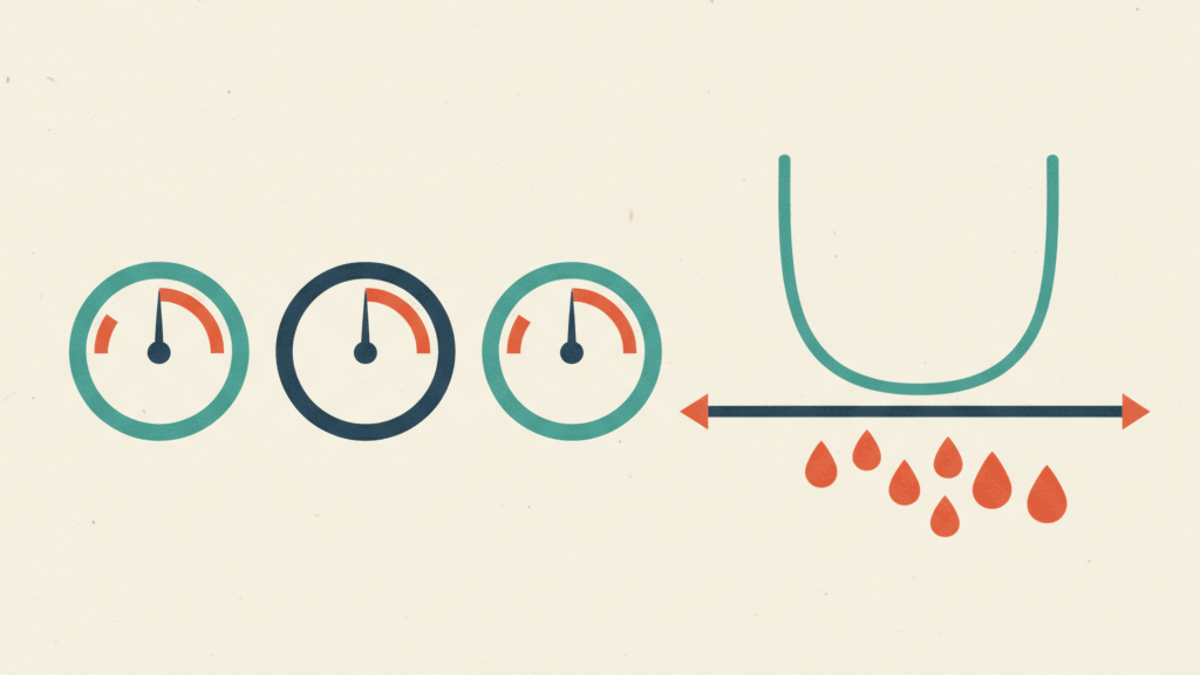
Observational This is the finding that matters most for anyone thinking about taking the peptide. In 94 dialysis patients, and again in 83 followed over 24 months, the link between humanin level and risk was U-shaped.
In the first group, levels below 450.7 pg/ml carried a raised risk, with the risk between 4.25 and 2.49 times that of values around the middle of the range. Levels above 759.5 pg/ml carried a raised risk as well, between 5.84 and 4.50 times. Patients who later had an event started from the same levels as those who did not (p = 0.69 and p = 0.76) [4]. The second group reproduced the same curve with its own cut-offs, below 462 and above 778 pg/ml [5].
94 prevalent haemodialysis patients; highest hazard ratio at each end, measured against values around the middle of the range. Source [4].
Adding humanin to five established risk calculations improved how well they separated patients, by 0.083 to 0.109 in the usual accuracy measure, and how well they sorted them into risk groups (8 to 27.9 per cent by one measure, 4.4 to 7.3 per cent by another). Over the 24 months, 33 of 83 patients (39.7 per cent) had a heart-related event or died [5].
Exercise, age and everyday variation
Observational In a randomised three-arm study of 30 volunteers, 45 minutes of cycling raised circulating humanin, while leg-press training did not. At rest, levels tracked age and MOTS-c levels, but not fitness measures such as maximal oxygen uptake or leg strength [23].
Human and animal data Giving growth hormone or IGF-1 lowered humanin levels in mice and in human volunteers alike [24]. This is the only recorded case of a treatment in people moving humanin measurably, and that treatment was a different substance.
In mice and in American groups of volunteers, levels fall with age, and children of people who reached 100 had clearly higher levels [25]. An Italian group found the opposite in healthy adults, where levels rose with age [26]. The direction of the age link is therefore unsettled.
Memory and the ageing brain
Observational A variant in the humanin-coding stretch of the mitochondrial genome, rs2854128, went with lower blood levels and, in a separate large cohort, with faster cognitive ageing [27]. A Spanish case-control study is less encouraging: the gene readouts differed between groups, but the protein concentrations in blood did not separate Alzheimer's disease from mild cognitive impairment [28].
Animal data In mice bred to develop the brain deposits seen in Alzheimer's disease, three months of HNG improved maze learning and reduced those deposits [29]. In mice, humanin given through the nose reached the brain, mostly along the trigeminal nerve [30]. None of this has been tried in a person.
Heart and blood vessels in animals
Animal data The pig study is the closest thing to a test of transfer, and its result is double-edged. S14G-humanin at 2 mg/kg reduced the damaged area of heart muscle after a 60-minute blockage.
When the blockage lasted longer, the same dose did nothing. The authors wrote plainly that the substance needs optimising for longer, more patient-relevant periods [6].
Animal data In mice lacking the ApoE gene and fed a high-cholesterol diet, 16 weeks of daily HNGF6A preserved vessel function and reduced plaque size. Cholesterol did not change, and there was no direct effect on vessel tone [31].
In human vessel cells grown under high sugar, humanin acted through a protein called KLF2. Switching that protein off removed every effect [32].
Blood sugar in animals
Animal data Infused into the fluid spaces of the rat brain, humanin improved the response to insulin. Blocking a signalling protein in the hypothalamus removed the effect, even when a potent analogue was given into a vein [20].
Animal data The analogue HNGF6A raised glucose-driven insulin release in living rats, in isolated islets from healthy and diabetic mice, and in a beta-cell line. The size of the effect followed the amount given [33].
Human tissue outside the body
Human tissue, in vitro In muscle samples from patients with the mitochondrial condition MELAS, humanin was strongly present in the abnormal fibres [34]. Added to lymphocytes from the same patients, it raised ATP levels and protected the cells against being starved of serum [21].
The same experiment showed humanin suppressing the copying of mitochondrial DNA [21]. This is human material, but still not a treatment given to a patient.
Findings that point the other way
Cell culture In aged cells that have stopped dividing, humanin and MOTS-c increased the release of inflammatory messengers including IL-6, IL-1β, IL-8, IL-10 and TNF-α [35]. The authors of that review suggest the protective activity may be what allows the inflammatory output in the first place. That sits badly with the way the peptide is marketed.
No data Blocking programmed cell death is not automatically desirable. Cells that the body has marked for removal survive too, and what that means over months or years in a person has never been examined.
What is still unknown
- Whether humanin does anything at all when given to a person, for any purpose [1].
- How long it lasts in the human body, and where it goes. In rats it was not detectable in brain or heart [7].
- Whether it triggers an immune response. The free cysteine at position 8 makes the molecule prone to pairing up, and no data on that exist [13].
- What the blood tests actually measure, given the 13 look-alike genes in the cell nucleus [11].
- Whether any of the animal findings survive at doses and durations a person would face.
Side effects and safety
There is no safety profile, because there is no controlled use. What exists is one adverse event report, a set of risks reasoned out from animal data, and a long list of gaps.
- One serious report, and it points at the product. The American adverse event database holds exactly one entry for humanin. A doctor filed it on 12 September 2024 and it is rated serious. A man of 56 had injected 5 mg under the skin, mixed with distilled water. Reported reactions were dizziness, weakness, blurred vision, facial palsy, paralysis, respiratory failure and botulism [8].
- That report proves nothing about the substance. Entries in this database are suspicions, not findings. Nobody checked whether the injected material contained humanin at all, and a peptide with no nerve-toxic mechanism does not produce botulism. Contamination is the more likely reading, which is the point.
- Levels that are too high carry risk of their own. The dialysis data show a raised risk above roughly 760 pg/ml as well as below 450 pg/ml [4], [5]. Anything that pushes levels up moves along a curve whose upper end is also unfavourable.
- It touches the growth hormone system. After HNG injection in mice, IGF-1 and its carrier protein fell over time [7]. In the other direction, growth hormone and IGF-1 lower humanin in people [24]. What repeated dosing would do to that loop in a person is untested.
- It may add to inflammation in aged cells rather than calm it [35].
- No quality standard exists. No pharmacopoeia monograph could be found, so there are no agreed limits for impurities, clumped peptide or bacterial residues. For an injected material sold through research-chemical channels, this is the gap with the most practical consequences.
Contraindications cannot be stated. They are established during an approval process, and no such process has ever taken place. Nothing has been published on single-dose toxicity, repeat-dose toxicity, genetic damage, fertility, development or long-term use, in any species.
Doses used in studies
These are the doses used in the cited studies, listed for reference. They are not a recommendation.
Not one line in this table describes a person, because no person has been given the substance in a study. Most lines describe the analogues HNG, HNGF6A or colivelin rather than humanin itself. Routes such as injection into the abdomen or into the fluid spaces of the brain have no everyday equivalent.
| Study | Model | Dose | Route | Frequency | Duration | Ref |
|---|---|---|---|---|---|---|
| Sharp 2020, blocked coronary artery | Pig | S14G-humanin 2 mg/kg | Not stated in the abstract | During reperfusion | Single event, two blockage lengths | [6] |
| Mehta 2019, metabolic profiling | Mouse, 6 per group | HNG 2.5 mg/kg | Into the belly | Twice daily | 3 days | [36] |
| Urban 2022, blood poisoning | Mouse | Colivelin 100–200 µg/kg | Into the belly | Once, 1 hour after the procedure | Readings at 6 and 18 hours | [37] |
| Chiba 2005, nerve cells in a dish | Cell culture; mice | Colivelin 100 fM; comparison peptide 10 pM | In a dish; into the brain and into the belly | Once or repeated | Not given in the abstract | [38] |
| Harada 2004, receptor activity | Cells with the human FPRL1 receptor | Humanin 3.5 nM; modified form 0.012 nM | In a dish | Once | Once | [17] |
| Oh 2011, vessel plaques | Mouse lacking ApoE | HNGF6A, amount not given in the abstract | Into the belly | Daily | 16 weeks | [31] |
| Zhang 2012, maze learning | Mouse, 9 months old | HNG, amount not given in the abstract | Into the belly | Repeated | 3 months | [29] |
| Yen 2020, ageing markers | Mouse, middle-aged | HNG, amount not given in the abstract | Not stated in the abstract | Twice weekly | Not given in the abstract | [25] |
| Chin 2013, uptake and distribution | Mouse and rat | HNG and HNGF6A, amounts not given in the abstract | Into the belly | Once | Until levels fell below detection | [7] |
Animal amounts in milligrams per kilogram cannot be converted into a human amount. For this peptide the point is sharper than usual. The only uptake study found a clear difference between mice and rats, and no trace of the peptide in the rat brain or heart [7].
Three widely read websites publish schemes for people anyway, and they contradict each other. One is a clinic page working in micrograms, one simply copies a mouse dose in milligrams per kilogram, and one reproduces what buyers report to each other in milligrams [39], [40], [41]. The single amounts they name lie roughly a factor of 20 apart, which is the only thing worth knowing about them.
All three pages concede elsewhere that no human trial exists. One puts it in these words: "There is no published human randomized trial that has used humanin or HNG as a therapy as of June 2026" [40].
Development and approval status
From a gene library in 2001 to no first dose in 2026
- 2001First description of humaninKeio University, Tokyo, published 22 May 2001, ref [2]
- 2001The analogue HNG is describedTwo essential building blocks identified, ref [12]
- 2003Mitochondrial origin and the cell-death mechanismRef [3]
- 2009Blood sugar work in rats and miceEffect runs through the brain, ref [20]
- 2013The only uptake study, in mice and ratsNot detectable in rat brain or heart, ref [7]
- 2020Pig heart study: effect at 60 minutes, none when longerRef [6]
- 2024One serious report after a self-injectionFiled 12 September 2024, ref [8]
- 2026Still no registered study giving it to a personSeven registry entries, all measurements, ref [1]
- 2001 — the peptide is described for the first time, out of a screen of a gene library from an Alzheimer's brain [2].
- 2001 — the same group identifies the two essential building blocks and the analogue HNG that most later work uses [12].
- 2003 — the gene is located in the mitochondria, and the cell-death mechanism is published in Nature [3].
- 2009 to 2013 — the metabolic work in rodents appears, together with the only study of uptake and distribution [7], [20].
- 2020 — the first and so far only large-animal study reports an effect that vanishes under harder conditions [6].
- 2026 — no approval anywhere, no registered study, no published early-stage safety work [1].
| Market | Status | Note | Ref |
|---|---|---|---|
| United States | Not approved | Not even nominated for compounding | [8], [42] |
| European Union | Not approved | No central approval | [15], [43] |
| Germany | Not approved | Unapproved medicine under national law | [43] |
| United Kingdom | Not approved | Register search not machine-readable | [44] |
| Australia | Not classified | Not named in the Poisons Standard | [45] |
| Canada | Not approved | Two database queries returned nothing | [46] |
| Switzerland | Not approved | Register query unavailable | [47] |
| Japan | Not approved | Discovered there, never developed; no national register queried | [2] |
The American finding is the firmest of the set. The drug label database, the approvals database and DailyMed all return nothing for humanin while the control queries work. The peptide does not even appear on the FDA list of raw substances nominated for pharmacy compounding [8], [42], [48].
Where the table says a register could not be read or was not queried, that entry rests on the worldwide absence of any development programme rather than on a national search. The same applies to Russia and China, where no national register was queried either. The entry in the American substance registry marked "approved" refers to the data record, not to a medicine [14]. Status as of 20 September 2026.
Anti-doping
Humanin is banned in sport at all times, in and out of competition. It is not printed on the 2026 Prohibited List by name. It falls under class S0, which covers "any pharmacological substance which is not addressed by any of the subsequent sections of the List and with no current approval by any governmental regulatory health authority for human therapeutic use" [9]. The wording even names substances under preclinical development, which describes humanin exactly.
Its sister peptide MOTS-c is treated differently. It is listed by name in section S4.4.1 as an activator of a cellular energy sensor [9]. The consequence for an athlete is the same, but the route there is not.
German anti-doping law diverges further. The annex to that law lists neither humanin nor its analogues, and the relevant section is a closed list without a catch-all clause [49]. More detail sits under peptides banned in sport.
Compared with related peptides
| Peptide | Origin | Main target | Given to people? | Status |
|---|---|---|---|---|
| Humanin | Mitochondrial gene MT-RNR2 [3] | Cell-death protein BAX, FPRL1, cytokine receptor [3], [17], [19] | Never, in 25 years [1] | Approved nowhere [8] |
| MOTS-c | Mitochondrial gene MT-RNR1 [10] | Cellular energy sensor [10] | Analogues have been, in early testing [50] | Approved nowhere, listed by name in sport [9] |
| SS-31 | Synthetic, not made by the body | The inner mitochondrial membrane | Yes, in company trials | Prescription-only in the United States since September 2025 for one rare inherited condition; not approved elsewhere [51] |
| BPC-157 | Synthetic fragment | No established target | No published controlled trial | Approved nowhere, class S0 [9] |
Humanin and MOTS-c are often spoken of in one breath, and the differences matter. They come from different mitochondrial genes, they act on different targets, and only MOTS-c has had a relative tested in people [10], [50]. Anti-doping rules catch both, one by name and one by the catch-all clause [9].
The company CohBar causes most of the confusion here. It was founded on humanin research, and several humanin papers carry a conflict-of-interest note about it. What it actually took into early human testing was CB4211, an analogue of MOTS-c.
That study ran with 65 healthy adults in the first stage. The second stage had 20 adults with fatty liver, of whom 11 received the substance and 9 a dummy, over four weeks [50].
Compared with SS-31 and BPC-157, humanin sits in an odd place. It is the only one of the four that the body makes itself, and the only one with no record of ever entering a person under controlled conditions. SS-31 shows how far apart the two ends of this table are: the same research label can end up as a prescription medicine in one country and nowhere else [51].
Common misconceptions
- "There are three clinical trials of humanin." There are seven registry entries and none of them gives humanin to anyone. Two are formally interventional, but the things being given are anaesthetics and exercise sessions, with humanin as a measured result [1].
- "CohBar tested humanin in people." It tested CB4211, an analogue of the sister peptide MOTS-c. The humanin-related programme that is sometimes cited, CB5064, turned out to target a different receptor and never left the laboratory [50].
- "The registry entry marked approved means the FDA recognises it." That word describes the state of a data record in a substance registry, nothing more. Registry numbers are issued for environmental chemicals and food components too [14].
- "Low levels go with illness, so adding some must help." The human data are measurements, not treatments, and the relationship is not a straight line. In dialysis patients both low and high levels carried raised risk, in two groups independently [4], [5].
- "Humanin and HNG are the same thing." HNG differs at building block 14, one of only two positions shown to be essential. Most animal results describe HNG or HNGF6A, not humanin [7], [12].
- "It is made by the body, so injecting it is harmless." Insulin and growth hormone are made by the body as well. Being natural says nothing about the effects of an unnatural amount given by an unnatural route [11].
- "The pig study proves it protects the heart." It showed an effect after a 60-minute blockage and no effect when the blockage lasted longer, which is the situation closer to a real emergency [6].
Frequently asked questions
Has humanin ever been given to a person in a study?
No. A search of the ClinicalTrials.gov registry on 20 September 2026 returned seven entries that mention humanin, and all seven were read in full. In every one of them humanin is something that gets measured, not something that gets given. The searches for its analogues HNG, HNGF6A and colivelin returned no entry at all.
Is humanin approved as a medicine anywhere?
No. There is no approval in the United States, the European Union, Germany, the United Kingdom, Australia, Canada or Switzerland, and none could be found for Russia, China or Japan. There is no brand name, no official drug classification code and no entry found in any pharmacopoeia, the reference books that set quality standards for medicines.
Does the body produce humanin by itself?
Yes. The instructions for humanin sit inside a mitochondrial gene called MT-RNR2, and the peptide can be measured in the blood of every healthy person. Being made by the body says nothing about what an injection of it would do, which is the part nobody has tested.
Do low humanin levels mean that taking humanin helps?
That conclusion does not follow, and one set of data contradicts it directly. In two groups of dialysis patients, the risk of death and heart problems was raised at both ends. Below roughly 450 pg/ml it went up, and above roughly 760 pg/ml it reached 5.84 times the risk seen around the middle of the range.
What did the pig study of humanin show?
In pigs with a blocked coronary artery, the analogue S14G-humanin at 2 mg/kg made the damaged area smaller when the blockage lasted 60 minutes. When the blockage lasted longer, the same dose did nothing. The authors wrote that more work is needed for the longer, more patient-relevant periods.
Is humanin the same thing as HNG?
No. HNG is S14G-humanin, in which building block 14 is swapped from serine to glycine. That single change matters, because serine 14 is one of only two building blocks found to be essential. Most animal work uses HNG or HNGF6A rather than humanin itself.
Did CohBar test humanin in clinical trials?
No, and this is the most common mix-up. CohBar grew out of humanin research, but the substance it took into early human testing was CB4211, an analogue of MOTS-c. MOTS-c is a different mitochondrial peptide encoded by a different gene.
What are the side effects of humanin?
Nobody knows, because no controlled study has ever given it to a person. The only serious case on file with the American authorities describes a man of 56 after a 5 mg injection mixed with distilled water, with a picture of botulism. That points at the product, not at the peptide.
Is humanin banned in sport?
Yes, at all times, in and out of competition. It is not printed on the 2026 Prohibited List by name. It falls under class S0, which covers any drug-like substance that no health authority has approved for use in people. Its sister peptide MOTS-c is listed by name instead.
Why does this page list no human dose of humanin?
Because none exists. Every figure in the dose table comes from cells, mice, rats or pigs, and most of them describe the analogues HNG, HNGF6A or colivelin rather than humanin. The schemes circulating on clinic websites differ from one another by roughly a factor of 20 and rest on nothing.
Sources
- ClinicalTrials.gov API v2. Intervention queries for "Humanin" (3), "HNG" (0), "HNGF6A" (0), "Colivelin" (0) and "S14G-humanin" (0); term query "humanin" (7); control query "semaglutide" (755). All seven entries retrieved individually (NCT07678073, NCT07438002, NCT03431844, NCT06105229, NCT06125249, NCT04104958, NCT05506228), two interventional and five observational, with the sponsor checked in each case. The intervention query for the sister peptide MOTS-c returns NCT07505745, a registry entry from a sponsor whose other entries describe themselves as mock or example studies; it is not counted as a study here. Retrieved 20 September 2026. https://clinicaltrials.gov/
- Hashimoto Y, Niikura T, Tajima H, et al. (2001). A rescue factor abolishing neuronal cell death by a wide spectrum of familial Alzheimer's disease genes and Abeta. Proceedings of the National Academy of Sciences 98(11):6336-6341. PMID 11371646. DOI 10.1073/pnas.101133498
- Guo B, Zhai D, Cabezas E, et al. (2003). Humanin peptide suppresses apoptosis by interfering with Bax activation. Nature 423(6938):456-461. PMID 12732850. DOI 10.1038/nature01627
- Bolignano D, Greco M, Presta P, et al. (2024). Unbalanced circulating Humanin levels and cardiovascular risk in chronic hemodialysis patients: a pilot, prospective study. Journal of Nephrology 37(7):1863-1870. PMID 39102184. DOI 10.1007/s40620-024-02032-4
- Bolignano D, Greco M, Pugliese S, et al. (2026). Circulating Humanin improves the prognostic accuracy of cardiovascular risk models in chronic hemodialysis patients. Cardiorenal Medicine 16(1):179-189. PMID 41849628. DOI 10.1159/000551517
- Sharp TE 3rd, Gong Z, Scarborough A, et al. (2020). Efficacy of a novel mitochondrial-derived peptide in a porcine model of myocardial ischemia/reperfusion injury. JACC: Basic to Translational Science 5(7):699-714. PMID 32760857. DOI 10.1016/j.jacbts.2020.04.015
- Chin YP, Keni J, Wan J, et al. (2013). Pharmacokinetics and tissue distribution of humanin and its analogues in male rodents. Endocrinology 154(10):3739-3744. PMID 23836030. DOI 10.1210/en.2012-2004
- openFDA. Queries of drug/label and drug/drugsfda for humanin, both NOT_FOUND with working control queries; drug/event for the medicinal product "humanin", one report received 12 September 2024, physician-reported, rated serious. Retrieved 20 September 2026. https://api.fda.gov/drug/
- World Anti-Doping Agency. The 2026 Prohibited List. Class S0 wording and section S4.4.1 read in the full text; searches for "humanin", "HNG", "colivelin" and "S14G" returned no match, control search "BPC-157" did. Checked 20 September 2026.
- Kal S, Mahata S, Jati S, Mahata SK (2024). Mitochondrial-derived peptides: antidiabetic functions and evolutionary perspectives. Peptides 172:171147. PMID 38160808. DOI 10.1016/j.peptides.2023.171147
- Zhu S, Hu X, Bennett S, Xu J, Mai Y (2022). The molecular structure and role of humanin in neural and skeletal diseases, and in tissue regeneration. Frontiers in Cell and Developmental Biology 10:823354. PMID 35372353. DOI 10.3389/fcell.2022.823354
- Hashimoto Y, Niikura T, Ito Y, et al. (2001). Detailed characterization of neuroprotection by a rescue factor humanin against various Alzheimer's disease-relevant insults. Journal of Neuroscience 21(23):9235-9245. PMID 11717357. DOI 10.1523/JNEUROSCI.21-23-09235.2001
- PubChem. Compound CID 16131438, "Humanin": formula, mass, InChIKey, CAS number 330936-69-1, UNII and sequence. Retrieved 20 September 2026. https://pubchem.ncbi.nlm.nih.gov/compound/16131438
- FDA/NCATS Global Substance Registration System. Search for "humanin": one record, approval ID H975EUX36G, record status "approved". Retrieved 20 September 2026. https://gsrs.ncats.nih.gov/
- ChEMBL. Molecule CHEMBL4447799: no maximum phase, no first approval, molecule type "Unknown". Retrieved 20 September 2026. https://www.ebi.ac.uk/chembl/
- Ikonen M, Liu B, Hashimoto Y, et al. (2003). Interaction between the Alzheimer's survival peptide humanin and insulin-like growth factor-binding protein 3 regulates cell survival and apoptosis. Proceedings of the National Academy of Sciences 100(22):13042-13047. PMID 14561895. DOI 10.1073/pnas.2135111100
- Harada M, Habata Y, Hosoya M, et al. (2004). N-formylated humanin activates both formyl peptide receptor-like 1 and 2. Biochemical and Biophysical Research Communications 324(1):255-261. PMID 15465011. DOI 10.1016/j.bbrc.2004.09.046
- Ying G, Iribarren P, Zhou Y, et al. (2004). Humanin, a newly identified neuroprotective factor, uses the G protein-coupled formylpeptide receptor-like-1 as a functional receptor. Journal of Immunology 172(11):7078-7085. PMID 15153530. DOI 10.4049/jimmunol.172.11.7078
- Jia Y, Swerdloff RS, Lue Y, et al. (2021). The IL-27 component EBI-3 and its receptor subunit IL-27Rα are essential for the cytoprotective action of humanin on male germ cells. Biology of Reproduction 104(3):717-730. PMID 33330922. DOI 10.1093/biolre/ioaa225
- Muzumdar RH, Huffman DM, Atzmon G, et al. (2009). Humanin: a novel central regulator of peripheral insulin action. PLoS One 4(7):e6334. PMID 19623253. DOI 10.1371/journal.pone.0006334
- Kariya S, Hirano M, Furiya Y, Ueno S (2005). Effect of humanin on decreased ATP levels of human lymphocytes harboring A3243G mutant mitochondrial DNA. Neuropeptides 39(2):97-101. PMID 15752543. DOI 10.1016/j.npep.2004.11.004
- Widmer RJ, Flammer AJ, Herrmann J, et al. (2013). Circulating humanin levels are associated with preserved coronary endothelial function. American Journal of Physiology. Heart and Circulatory Physiology 304(3):H393-H397. PMID 23220334. DOI 10.1152/ajpheart.00765.2012
- von Walden F, Fernandez-Gonzalo R, Norrbom J, et al. (2021). Acute endurance exercise stimulates circulating levels of mitochondrial-derived peptides in humans. Journal of Applied Physiology 131(3):1035-1042. PMID 34351816. DOI 10.1152/japplphysiol.00706.2019
- Lee C, Wan J, Miyazaki B, et al. (2014). IGF-I regulates the age-dependent signaling peptide humanin. Aging Cell 13(5):958-961. PMID 25040290. DOI 10.1111/acel.12243
- Yen K, Mehta HH, Kim SJ, et al. (2020). The mitochondrial derived peptide humanin is a regulator of lifespan and healthspan. Aging (Albany NY) 12(12):11185-11199. PMID 32575074. DOI 10.18632/aging.103534
- Conte M, Sabbatinelli J, Chiariello A, et al. (2021). Disease-specific plasma levels of mitokines FGF21, GDF15, and humanin in type II diabetes and Alzheimer's disease in comparison with healthy aging. GeroScience 43(2):985-1001. PMID 33131010. DOI 10.1007/s11357-020-00287-w
- Yen K, Wan J, Mehta HH, et al. (2018). Humanin prevents age-related cognitive decline in mice and is associated with improved cognitive age in humans. Scientific Reports 8(1):14212. PMID 30242290. DOI 10.1038/s41598-018-32616-7
- Rodríguez-Esparragón F, Cazorla-Rivero SE, Torrealba E, et al. (2025). Insights into the biomarker potential of humanin and MOTS-c expression and telomere length in Alzheimer's disease. International Journal of Molecular Sciences 26(22):10866. PMID 41303353. DOI 10.3390/ijms262210866
- Zhang W, Zhang W, Li Z, et al. (2012). S14G-humanin improves cognitive deficits and reduces amyloid pathology in the middle-aged APPswe/PS1dE9 mice. Pharmacology, Biochemistry and Behavior 100(3):361-369. PMID 21993310. DOI 10.1016/j.pbb.2011.09.012
- Kim KH (2023). Intranasal delivery of mitochondrial protein humanin rescues cell death and promotes mitochondrial function in Parkinson's disease. Theranostics 13(10):3330-3345. PMID 37351170. DOI 10.7150/thno.84165
- Oh YK, Bachar AR, Zacharias DG, et al. (2011). Humanin preserves endothelial function and prevents atherosclerotic plaque progression in hypercholesterolemic ApoE deficient mice. Atherosclerosis 219(1):65-73. PMID 21763658. DOI 10.1016/j.atherosclerosis.2011.06.038
- Wang X, Wu Z, He Y, et al. (2018). Humanin prevents high glucose-induced monocyte adhesion to endothelial cells by targeting KLF2. Molecular Immunology 101:245-250. PMID 30029058. DOI 10.1016/j.molimm.2018.07.008
- Kuliawat R, Klein L, Gong Z, et al. (2013). Potent humanin analog increases glucose-stimulated insulin secretion through enhanced metabolism in the β cell. FASEB Journal 27(12):4890-4898. PMID 23995290. DOI 10.1096/fj.13-231092
- Kariya S, Hirano M, Furiya Y, Sugie K, Ueno S (2005). Humanin detected in skeletal muscles of MELAS patients: a possible new therapeutic agent. Acta Neuropathologica 109(4):367-372. PMID 15759134. DOI 10.1007/s00401-004-0965-5
- Mendelsohn AR, Larrick JW (2018). Mitochondrial-derived peptides exacerbate senescence. Rejuvenation Research 21(4):369-373. PMID 30058454. DOI 10.1089/rej.2018.2114
- Mehta HH, Xiao J, Ramirez R, et al. (2019). Metabolomic profile of diet-induced obesity mice in response to humanin and small humanin-like peptide 2 treatment. Metabolomics 15(6):88. PMID 31172328. DOI 10.1007/s11306-019-1549-7
- Urban C, Hayes HV, Piraino G, et al. (2022). Colivelin, a synthetic derivative of humanin, ameliorates endothelial injury and glycocalyx shedding after sepsis in mice. Frontiers in Immunology 13:984298. PMID 36119052. DOI 10.3389/fimmu.2022.984298
- Chiba T, Yamada M, Hashimoto Y, et al. (2005). Development of a femtomolar-acting humanin derivative named colivelin by attaching activity-dependent neurotrophic factor to its N terminus. Journal of Neuroscience 25(44):10252-10261. PMID 16267233. DOI 10.1523/JNEUROSCI.3348-05.2005
- trimrx.com, page on humanin dosing. Retrieved 20 September 2026. Cited only as evidence of the market situation, not as a source of effect or quality; contains the statement that no published dose-finding study in humans exists.
- peptidedosingprotocols.com, page on humanin. Retrieved 20 September 2026. Cited only as evidence of the market situation; reproduces a mouse dose and states: "There is no published human randomized trial that has used humanin or HNG as a therapy as of June 2026."
- peptibase.dev, page on humanin. Retrieved 20 September 2026. Cited only as evidence of the market situation; a combined information and shop page that also states that human therapeutic trials are essentially absent.
- US Food and Drug Administration. Bulk Drug Substances Nominated for Use in Compounding Under Section 503A, document media/94155, checked as full text (816 lines) on 20 September 2026: no match for humanin, control search "GHK" matched. https://www.fda.gov/media/94155/download
- European Medicines Agency. Full-text searches for humanin on 20 September 2026 returned HTTP 401 or a page without a readable result list; no European public assessment report exists. The absence rests on the worldwide lack of any clinical development. https://www.ema.europa.eu/
- Medicines and Healthcare products Regulatory Agency. Product search for humanin, 20 September 2026; the page returned no machine-readable result list. https://products.mhra.gov.uk/
- Therapeutic Goods (Poisons Standard—June 2026) Instrument 2026, Commonwealth of Australia. Full text searched on 20 September 2026: no match for "humanin" or "MOTS"; control search "IPAMORELIN" matched.
- Health Canada Drug Product Database API. Queries by active ingredient and by brand name for humanin both returned empty; control query for a marketed product returned a record. Retrieved 20 September 2026. https://health-products.canada.ca/api/drug/
- Swissmedic. Register query on 20 September 2026 returned HTTP 404; no Swiss authorisation exists. https://www.swissmedic.ch/
- DailyMed API v2. Query drug_name=humanin returned no entry, database state 18 September 2026; control query for semaglutide returned two entries. Retrieved 20 September 2026. https://dailymed.nlm.nih.gov/
- Annex to section 2(3) of the German Anti-Doping Act (AntiDopG), Federal Law Gazette 2023 I No. 67. Full text checked on 20 September 2026: no match for humanin, HNG, colivelin or rattin; section II.3 is a closed list without a catch-all clause.
- CohBar, Inc. (2021). Topline results from the phase 1a/1b study of CB4211. Press release via GlobeNewswire, 10 August 2021: 65 healthy adults in phase 1a; 20 adults with fatty liver in phase 1b, 11 on the substance and 9 on placebo, 25 mg daily under the skin for four weeks. Company statement, not a peer-reviewed publication. https://www.globenewswire.com/
- US Food and Drug Administration. Approval letter for application 215244, 19 September 2025: accelerated approval of elamipretide, the substance researched under the label SS-31; prescription-only, one rare inherited condition, confirmatory trial required. https://www.accessdata.fda.gov/drugsatfda_docs/appletter/2025/215244Orig1s000ltr.pdf
Cite this page
myPeptides Research & Editing. Humanin: what the studies show, status and safety. mypep.app, September 2026. Retrieved from https://mypep.app/peptides/humanin
Facts checked against the primary sources listed above on 20 September 2026.
| Version | Date | Note |
|---|---|---|
| 1.0 | 2026-09-20 | Initial publication |