
Mazdutide: what the trials show, status and safety
Summary
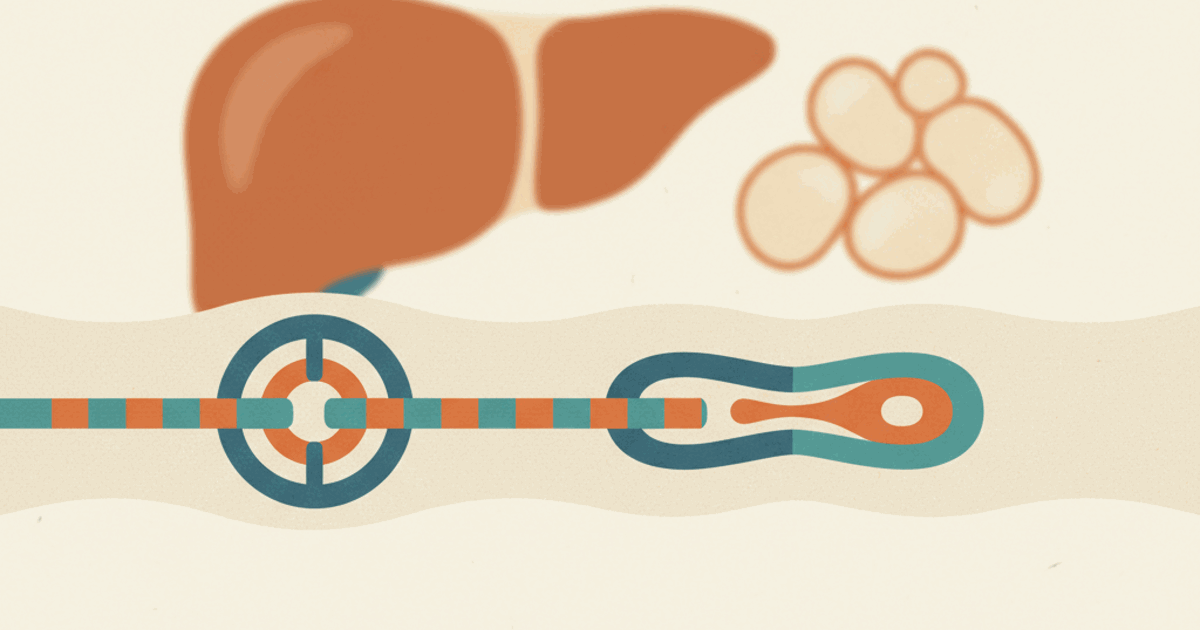
Mazdutide is a weekly injected peptide that switches on the docking points for two hormones, GLP-1 and glucagon. In a 60-week trial in 461 Chinese adults, participants lost 16.65% of their body weight against 1.50% on placebo. China licensed it in 2025 for weight management and for type 2 diabetes; everywhere else it remains an experimental drug. Vomiting affected 53.1% of the treated group in that trial.
Key findings at a glance
- 11.00% and 14.01% of body weight lost after 48 weeks. Those were the two treated groups in GLORY-1, a late-stage trial in 610 Chinese adults, while the placebo group gained 0.30% [1].
- 16.65% lost after 60 weeks in the longest trial. GLORY-2 enrolled 461 Chinese adults with obesity; the placebo group lost 1.50%, leaving a gap of 15.15 percentage points [2].
- 18.1% lost at 32 weeks in the only American trial, but a fifth of that group dropped out. In a mid-stage trial in 179 adults, the highest dose group lost 18.1% against 0.9% on placebo, and 20% of it stopped because of side effects [3].
- Long-term blood sugar down by up to 2.15 percentage points. In DREAMS-1, in 320 adults with type 2 diabetes, the higher dose beat placebo by 2.02 points over 24 weeks [4]. In DREAMS-2, in 731 adults, both doses beat the established drug dulaglutide [5].
- Licensed in one country only. China's medicines agency approved it in June 2025 for weight management and in September 2025 for type 2 diabetes [6].
- More than half of the treated group vomited in GLORY-2. Vomiting affected 53.1% against 1.3% on placebo, and the pulse rose by as much as 17.4 beats per minute on average in an early high-dose study [2], [7].
- Not named on the 2026 prohibited list in sport. A full-text search found no mention of mazdutide or of any GLP-1 or glucagon drug [8].
What it is
Mazdutide is a peptide made in the laboratory, a chain of 34 amino acid building blocks. Its backbone copies oxyntomodulin, a hormone the gut releases after a meal. A single molecule switches on the docking points, or receptors, for two hormones at once: GLP-1 and glucagon [9].
Three chemical changes distinguish it from the natural hormone. An unusual building block sits at position 2, and a fatty acid chain of twenty carbons hangs off the lysine at position 20. The tail end carries a glycinamide cap [9].
That fatty chain makes the peptide cling to albumin, a carrier protein in the blood. The body therefore clears it slowly, which is why trials inject it once a week [7].
Quick facts
| Field | Value | Ref |
|---|---|---|
| Development codes | LY3305677 from Eli Lilly, IBI362 from Innovent Biologics | [9] |
| Class | Dual GLP-1 and glucagon receptor agonist, an oxyntomodulin analogue | [9] |
| Structure | 34 amino acids, C20 fatty diacid on lysine 20, glycinamide cap | [9] |
| Sequence | HGQGTFTSDYSKYLDEKKAKEFVEWLLEGGPSSG | [9] |
| Formula and mass, PubChem | C207H317N45O65, 4,476 g/mol | [10] |
| Formula, FDA substance register | C210H328O69N46 | [9] |
| Peptide backbone mass, calculated | 3,790.0 Da | [9] |
| Half-life | 174.8 to 1,075.7 hours, that is 7.3 to 44.8 days | [7] |
| Time to peak level | Median about 72 hours; individual values 12.1 to 170.2 hours | [7] |
| Route in trials | Subcutaneous, once weekly | [7] |
| Status | Prescription medicine in China, investigational elsewhere | [6] |
| Developers | Eli Lilly and Company; Innovent Biologics for China | [9] |
| CAS registry number | 2259884-03-0 | [10] |
| UNII | MB76Z4IBZ5 | [9] |
| PubChem CID | 167312357 | [10] |
| IUPHAR/BPS ligand | 13924 | [11] |
| ChEMBL | CHEMBL5095358 | [12] |
| WHO ATC code | None assigned | [13] |
The two published formulas disagree, and the reason is documented. PubChem models the albumin-binding side chain with one linker unit, the American substance register with two [9], [10]. Both records describe the same substance under the same registry number.
Eli Lilly designed the molecule and licensed it to Innovent Biologics for China. That is why one substance carries two development codes [14].
How it works
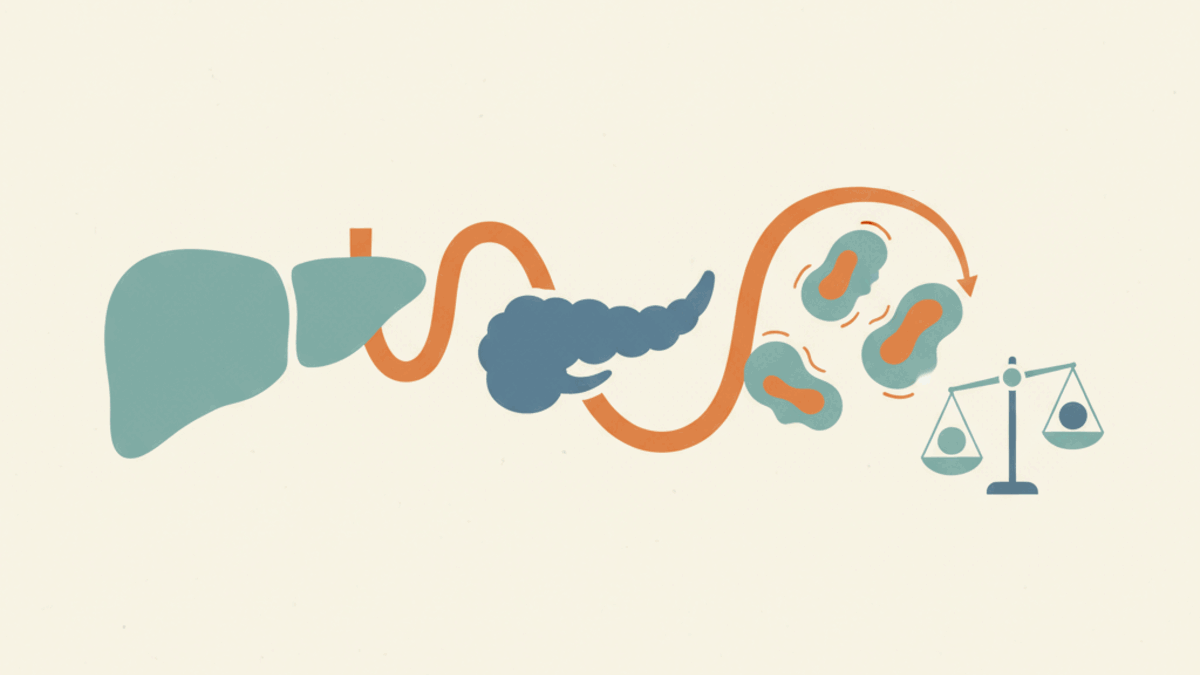
Mazdutide attaches to the docking points of two hormones that between them govern appetite, the release of insulin and how much energy the body burns [15], [16].
- The GLP-1 docking point. Switching it on prompts insulin release when blood sugar is high, slows the stomach down and dampens appetite. These are the effects already familiar from single-hormone drugs of this class [16].
- The glucagon docking point. The idea is that this raises the amount of energy the body burns and makes the liver oxidise more fat [15]. That part has never been measured directly in people.
In laboratory animals the substance still reduced weight when either docking point was disabled, which suggests both routes contribute [15], [16]. How much each one adds in humans remains an assumption, because no trial was designed to tell them apart.
The second docking point is what sets mazdutide apart from its relatives. Semaglutide acts on GLP-1 alone, tirzepatide on GIP and GLP-1, and retatrutide on all three.
What the trials found
Weight
Phase 3 RCT GLORY-1 randomised 610 Chinese adults to one of two dose levels or to a dummy injection for 48 weeks. Average starting weight was 87.2 kg and average body mass index 31.1. At week 32 the lower dose group had lost 10.09% of body weight (95% confidence interval −11.15 to −9.04) and the higher dose group 12.55% (−13.64 to −11.45). The placebo group gained 0.45% (−0.61 to 1.52) [1].
By week 48 the losses had reached 11.00% (−12.27 to −9.73) and 14.01% (−15.36 to −12.66). The placebo group had gained 0.30% (−0.98 to 1.58) [1].
At least a twentieth of body weight was lost by 73.9%, 82.0% and 10.5% of each group at week 32. At least 15% was lost by 35.7%, 49.5% and 2.0% at week 48. Every comparison came out at p < 0.001 [1].
Late-stage randomised trial in 610 Chinese adults, over 48 weeks. Source [1].
Phase 3 RCT GLORY-2 ran longer and used a single, higher dose level. It randomised 461 Chinese adults with obesity two to one against placebo, across 27 clinics, from December 2023 to November 2025 [2].
The group was young. Average age was 33.9 years (standard deviation 8.4), average weight 94.0 kg (13.8) and average body mass index 34.3 (3.2). Women made up 64.0%, and 16.1% also had type 2 diabetes [2].
At week 60 the treated group had lost 16.65% of body weight (95% confidence interval −18.19 to −15.12), against 1.50% on placebo (−3.43 to 0.43). The gap was 15.15 percentage points (−17.22 to −13.09; p < 0.001) [2].
At least a twentieth of body weight was lost by 84.3% against 33.1%. That is a difference of 51.6 percentage points (43.0 to 60.1; p < 0.001) [2].
Late-stage randomised trial in 461 Chinese adults with obesity, over 60 weeks. Source [2].
Phase 2 RCT The only published trial outside China enrolled 179 American adults across 24 centres. All had obesity, or overweight plus a related condition. Average age was 47.7 years (standard deviation 12.3) and 66% were women [3].
At week 32 the three treated groups had lost 7.3% (standard error 0.9), 15.6% (0.7) and 18.1% (1.0) of body weight. The placebo group had lost 0.9% (0.8). The estimated gaps ranged from 6.5 to 17.2 percentage points, all at p < 0.0001 [3].
Weight kept falling to week 48. The trade-off showed at the top: 20% of the highest dose group stopped taking part because of side effects, mostly stomach and bowel problems [3].
Phase 2 RCT An earlier Chinese mid-stage trial tested three lower dose levels in 248 adults over 24 weeks. Losses were 6.7% (standard error 0.7), 10.4% (0.7) and 11.3% (0.7), against a gain of 1.0% (0.7) on placebo. The gaps ran from 7.7 to 12.3 percentage points, all at p < 0.0001 [17].
A second part of the same trial tested a higher level in 80 adults. They lost 12.78% while the placebo group gained 1.80%, a gap of 14.58 percentage points (95% confidence interval −18.00 to −11.16; p < 0.0001) [18].
Phase 1 RCT A very small American study pushed the dose higher still. Over 20 weeks its two cohorts of twelve people each lost 20.0% (standard error 1.9) and 21.0% (1.2) of body weight, against 0.1% (1.5) on placebo (p < 0.001) [19].
Waist circumference fell by 12.0% (1.7) and 17.0% (1.7), against 0.8% (2.1) on placebo [19]. With eight people on placebo, these figures describe a pilot rather than a result.
Blood sugar
Phase 3 RCT DREAMS-1 enrolled 320 Chinese adults whose type 2 diabetes was not controlled by diet and exercise alone. Their average long-term blood sugar reading, which reflects the past two to three months, started at 8.24%. Over 24 weeks it fell by 1.57 percentage points on the lower dose and 2.15 points on the higher one, against 0.14 points on placebo. The gaps were 1.43 and 2.02 points, both at p < 0.0001 [4].
Weight fell alongside it, by 5.61% and 7.81% against 1.26% on placebo, again at p < 0.0001. More participants reached both targets at once, meaning a reading below 7.0% and at least a twentieth of body weight lost. That held at p = 0.0006 for the lower dose and p < 0.0001 for the higher [4].
Phase 3 RCT DREAMS-2 compared mazdutide against dulaglutide, an established weekly injection. It enrolled 731 adults already taking tablets for diabetes. Over 28 weeks both mazdutide doses were not merely as good but better, by 0.24 percentage points (p = 0.0032) and 0.30 points (p = 0.0003) [5].
On weight the margins were wider, at 3.78% and 5.76% (both p < 0.0001). Stomach and bowel problems were more common on mazdutide than on dulaglutide [5].
Phase 2 RCT An earlier trial in 250 Chinese adults pointed the same way over 20 weeks. It had both a placebo arm and a dulaglutide arm. Blood sugar readings fell by 1.41 to 1.67 percentage points on mazdutide and 1.35 points on dulaglutide, and rose by 0.03 points on placebo [20].
Every mazdutide arm beat placebo at p < 0.0001. Weight fell by up to 7.1% on mazdutide, against 2.7% on dulaglutide and 1.4% on placebo [20].
Direct comparison with semaglutide
No results yet DREAMS-3 puts mazdutide head to head against semaglutide in 349 Chinese adults who have both type 2 diabetes and obesity. It asks how many reach a blood sugar reading below 7.0% and lose at least a tenth of their body weight by week 32. Its main measurement date passed on 17 September 2025 and the registry lists the trial as complete, but by 10 September 2026 only the design and baseline paper had appeared [21].
Pooled evidence
Meta-analysis A review published in 2026 pooled nine randomised trials with 2,292 participants and graded the certainty of each finding. In people with obesity but no diabetes, three dose levels beat placebo on weight by 6.56, 9.92 and 11.1 percentage points. The authors rated that evidence very low in certainty, because the trials differed widely and were few. In type 2 diabetes the evidence was graded moderate [22].
Waist circumference, blood fats, liver enzymes and uric acid all improved. Serious side effects and dropout rates matched the comparison groups. The authors call for longer trials in more than one ethnic group, covering durability and heart safety [22].
Liver fat and brain findings, animals only
Animal data Forty-two male mice were fed a high-fat diet for 13 weeks, then treated for four weeks and scanned. Liver fat, measured as the fat fraction on a scan, fell further on the dual-acting drug than on a single-hormone comparator. The middle value of the fall was 5.59% against 3.30% (interquartile ranges −6.80 to −3.84 and −3.80 to −2.82; p = 0.02). After one week the two did not differ (p = 0.19), and iron in the liver never differed (p = 0.50 after one week and p = 0.41 after four) [23]. No human liver-fat results have been published.
Animal data In diabetic mice, mazdutide improved performance on behavioural tests and nerve cell structure compared with dulaglutide, and molecular analyses pointed to nerve protection and energy metabolism. The authors stress that only male mice were studied [24]. A human trial in cognitive impairment is running.
What is still unknown
- Whether it prevents anything. No heart or kidney outcome trial has been published or, on the evidence of the registry, started [22], [25].
- How long the effect lasts. No published trial has run beyond 60 weeks, and none reports what happens to weight after the injections stop [2].
- Whether the findings travel. Almost every participant so far has been Chinese. The single American trial enrolled 179 people [3].
- How it compares with semaglutide. The head-to-head trial reached its main measurement date on 17 September 2025 and has not reported [21].
- Special situations. Trials in impaired kidney and liver function, and one on interactions with other medicines, are complete or running, and none had reported by 10 September 2026 [25].
- Pregnancy, breastfeeding and fertility. Nothing has been published.
Side effects and safety
Stomach and bowel problems dominate, they become more common as the dose rises, and they are the reason people leave the trials. These frequencies come from GLORY-2, the longest trial [2]:
| Event | Mazdutide | Placebo |
|---|---|---|
| Vomiting | 53.1% | 1.3% |
| Nausea | 46.9% | 3.2% |
| Diarrhoea | 39.4% | 6.5% |
Further findings across the programme:
- Dropout climbs steeply with dose. Side effects ended participation for 1.5% and 0.5% of the two GLORY-1 groups, against 1.0% on placebo. The figure was 2.9% in GLORY-2 against none, and 20% of the highest American dose group [1], [2], [3].
- The heart beats faster. In the Chinese mid-stage trial the pulse rose on average by 5.82, 5.38 and 8.75 beats per minute across the three dose levels, against 4.81 on placebo. It settled again after treatment stopped. In an early high-dose study the average rise reached 17.4 and 11.6 beats per minute [7], [17].
- Rhythm changes were recorded but not one-sided. Heart-related events occurred in 3.2%, 14.3% and 6.6% of the mid-stage dose groups against 14.5% on placebo, sinus tachycardia in 1.6%, 7.9% and 1.6% against 3.2%. Three participants in an early trial had mild, symptomless changes on the heart tracing [15], [17].
- Low blood sugar was uncommon. Readings at or below 3.9 mmol/l occurred in 1.6% to 3.3% of treated participants, against 1.6% on placebo, in the obesity trial. In the diabetes trial the rates were 10% against 8%, with no severe episode in either [17], [20].
- One liver signal, in one person. A participant in the high-dose study had a liver enzyme rise above three times the upper normal limit, which resolved on its own after a week's pause [19]. Across trials, the pooled analysis found liver enzymes improved overall [22].
- The body can learn to fight the drug. One participant in an early study developed antibodies that blunted the drug's signal at the glucagon docking point in laboratory cells. No systematic figures from the late-stage trials have been published [7].
- Mood measures showed nothing. A standard depression questionnaire found no link with the drug in the mid-stage obesity trial, and no suicidal thoughts were reported [17].
The mid-stage obesity trial published fuller figures. Each row below gives the three dose levels and then placebo [17].
| Event | Lowest | Middle | Higher | Placebo |
|---|---|---|---|---|
| Nausea | 21.0% | 23.8% | 41.0% | 4.8% |
| Diarrhoea | 19.4% | 30.2% | 31.1% | 14.5% |
| Vomiting | 12.9% | 20.6% | 27.9% | 3.2% |
| Reduced appetite | 9.7% | 15.9% | 29.5% | 8.1% |
| Upper respiratory infection | 19.4% | 17.5% | 31.1% | 17.7% |
| Urinary tract infection | 9.7% | 20.6% | 11.5% | 6.5% |
| Bloating | 9.7% | 11.1% | 11.5% | 3.2% |
| Injection-site reaction | 4.8% | 1.6% | 3.3% | 6.5% |
Three gaps matter as much as the figures. No heart outcome trial has reported, so the meaning of the faster pulse over years is unknown [22]. No contraindication list can be quoted, because the only approved product information is Chinese and was not publicly retrievable on 10 September 2026. And nothing published follows anyone beyond 60 weeks [2].
Why this page lists no doses
Mazdutide is a prescription medicine in the one country that has licensed it, and an unapproved experimental drug everywhere else. In the first case the dose belongs to the approved product information and the prescribing doctor. In the second it belongs to a supervised trial with medical monitoring and stopping rules.
This page therefore names dose levels only as the lower, higher or highest tested level, and reports what was measured at each. That applies to the tables as well as to the text.
Development and approval status
Development and approval timeline
- 2016First given to people, in the United KingdomSingle-dose study in 66 healthy adults, ref [25]
- 2020-2021First early trial results publishedPhase 1b trials in overweight and in type 2 diabetes, refs [15], [16]
- 2022-2025GLORY-1 runs and reports610 adults, 48 weeks, published May 2025, refs [1], [25]
- June 2025China licenses it for weight managementLong-term weight management in adults, ref [6]
- September 2025China licenses it for type 2 diabetesBlood sugar control in adults, ref [6]
- 2026GLORY-2 and both DREAMS trials publish60-week weight data and two diabetes trials, refs [2], [4], [5]
- 2026-2027Trials continue in fatty liver, sleep apnoea and adolescentsAll in China, results due from late 2026, ref [25]
- 2016 — the substance is given to people for the first time, in a single-dose study in 66 healthy adults in the United Kingdom [25].
- 2020 to 2021 — the first early-phase trials in China report, in people with overweight and in people with type 2 diabetes [15], [16].
- 2022 — GLORY-1 begins; it reports in May 2025 [1], [25].
- June 2025 — China's medicines agency licenses the drug for long-term weight management [6].
- September 2025 — the same agency adds blood sugar control in type 2 diabetes [6].
- 2026 — GLORY-2 appears in February, and both DREAMS trials in the same year [2], [4], [5].
| Market | Status | Note | Ref |
|---|---|---|---|
| China | Approved | Weight June 2025, diabetes September 2025 | [6] |
| United States | Investigational | No entry | [26] |
| European Union | Investigational | No entry | [27] |
| Germany | Investigational | Follows EU route | [27] |
| United Kingdom | Investigational | No entry | [28] |
| Canada | Investigational | No entry | [29] |
| Australia | Investigational | Register not machine-readable | [30] |
| Switzerland | Investigational | Register not machine-readable | [31] |
Every register behind this table was queried on 10 September 2026, each time alongside a control search for semaglutide that returned results. The Australian and Swiss registers answered neither query, so those two rows rest on the absence of any other evidence rather than on a direct answer [30], [31].
Two details commonly reported elsewhere could not be confirmed. The Chinese approval number and the exact approval dates are not documented in any source used here, only the months. No application for approval outside China has been made public [6].
Anti-doping
Mazdutide is not named on the 2026 prohibited list. A full-text search of the official list found no occurrence of "mazdutide", "glucagon", "GLP-1" or "incretin". Section S2, which covers peptide hormones, lists only testosterone-stimulating peptides, corticotrophins, growth hormone and its relatives. Section S4.4, on substances that alter the metabolism, lists three groups under S4.4.1: AMPK activators, PPAR-delta agonists and Rev-erb-alpha agonists. Then follow insulins and insulin mimetics under S4.4.2, meldonium under S4.4.3 and trimetazidine under S4.4.4. No drug of the mazdutide class appears among them [8].
The annex to the German anti-doping act likewise names neither the substance nor its class [32]. None of this amounts to clearance. The list is rewritten every year, and the drug remains prescription-only in China and unapproved elsewhere. The wider picture is at peptides banned in sport.
Compared with related peptides
| Peptide | Docking points | Status | Strongest weight result in its own trial | Half-life |
|---|---|---|---|---|
| Mazdutide | GLP-1, glucagon | Approved in China, investigational elsewhere | 16.65% lost at 60 weeks, GLORY-2, n = 461 [2] | 7.3 to 44.8 days [7] |
| Retatrutide | GIP, GLP-1, glucagon | Approved nowhere | 24.2% lost at 48 weeks, phase 2, n = 338 [33] | Not stated here |
| Tirzepatide | GIP, GLP-1 | Approved in many markets | 20.9% lost at 72 weeks, SURMOUNT-1, n = 2,539 [34] | Not stated here |
| Semaglutide | GLP-1 | Approved in many markets | 14.9% lost at 68 weeks, STEP 1 [35] | Not stated here |
| Liraglutide | GLP-1 | Approved in many markets | 8.4 kg lost at 56 weeks, SCALE, from 106.2 kg [36] | Not stated here |
| Survodutide | GLP-1, glucagon | Approved nowhere | 14.9% lost at 46 weeks, phase 2, n = 387 [37] | Not stated here |
Those figures come from six different trials [2], [33], [34], [35], [36], [37]. The people enrolled, the length of treatment, the starting weights and the way each result was calculated all differ, so the column ranks trials rather than drugs. Mazdutide's own trials were run almost entirely in China, whereas the others recruited across many countries.
Only one direct comparison exists anywhere in the programme, against semaglutide, and it has not reported [21]. Until it does, any claim that one drug beats another rests on arithmetic between separate trials.
Survodutide is the closest relative by mechanism, acting on the same two docking points. It comes from a different company and no country has approved it, which makes mazdutide the only licensed drug of this dual type [37], [38].
Common misconceptions
- "Approved in China means you can get it legally elsewhere." An approval applies only in the country whose agency granted it. Elsewhere mazdutide is an unapproved experimental drug, and the American regulator names it among substances sold illegally under research labelling [39]. The wider framework is at are peptides legal.
- "Mazdutide and retatrutide are the same kind of drug." Both are weekly lipid-tagged peptides, but mazdutide acts on two docking points and copies oxyntomodulin, while retatrutide acts on three and is a different molecule of 39 building blocks. Their legal positions differ too [33].
- "Mazdutide is a version of semaglutide." Semaglutide acts on GLP-1 alone and copies that hormone. Mazdutide copies a different hormone and adds the glucagon docking point. The two are being compared directly in China, and no results are out [21], [35].
- "IBI362 and LY3305677 are two different substances." They are one substance under two development codes, from the originating company and its Chinese licensee. Both codes point to the same entry in the American substance register [9], [14].
- "Survodutide is just another name for mazdutide." They are separate substances from separate companies. Analytical laboratories test for them side by side as distinct compounds [38].
- "Weight figures from different trials can be lined up." They cannot. GLORY-1 ran 48 weeks and GLORY-2 sixty, the mid-stage trials ran 24, and the American and Chinese trials calculated their results by different rules [1], [2], [3].
Frequently asked questions
Is mazdutide approved anywhere?
Only in China. The national medicines agency there licensed it in June 2025 for long-term weight management and in September 2025 for blood sugar control in type 2 diabetes. The registers of the United States, the European Union, Germany, the United Kingdom, Canada, Australia and Switzerland held no entry for it when they were checked on 10 September 2026.
What is mazdutide?
It is a peptide made in the laboratory, a chain of 34 amino acid building blocks copied from a gut hormone called oxyntomodulin. A fatty acid chain attached to it keeps it in the blood for weeks, so trials inject it once a week. Eli Lilly designed the molecule under the code LY3305677 and licensed it to Innovent Biologics for China, where it is called IBI362.
How much weight did people lose in the mazdutide trials?
In GLORY-2, which ran 60 weeks in 461 Chinese adults with obesity, the average loss was 16.65% of body weight against 1.50% on a dummy injection. In GLORY-1, which ran 48 weeks in 610 adults, the two treated groups lost 11.00% and 14.01% while the placebo group gained 0.30%. A smaller American trial reported 18.1% at 32 weeks in its highest dose group.
Is mazdutide the same as retatrutide or survodutide?
No. Retatrutide acts on three docking points, for GIP, GLP-1 and glucagon, and no country has approved it. Survodutide acts on the same two as mazdutide but comes from a different company and is also unapproved. Mazdutide is the only one of the three that any medicines agency has licensed.
What are the most common mazdutide side effects?
Stomach and bowel problems, and they get more common at higher doses. In GLORY-2, vomiting affected 53.1% of the treated group against 1.3% on placebo, nausea 46.9% against 3.2% and diarrhoea 39.4% against 6.5%. Most were described as mild or moderate. The pulse also rises, by up to 17.4 beats per minute on average in one early high-dose study.
Why does this page list no mazdutide doses?
Because mazdutide is a prescription medicine in the only country that has licensed it, and an experimental drug everywhere else. In both situations the dose belongs to the approved product information or to the plan of a supervised trial, not to a reference page. This page names dose levels only as the lower, higher or highest tested level.
Is mazdutide banned in sport?
Not by name. A full-text search of the 2026 prohibited list found no mention of mazdutide, glucagon, GLP-1 or incretin drugs, and the German anti-doping annex does not list them either. That is not a clearance: the list is rewritten every year, and the drug remains prescription-only or unapproved depending on the country.
Does mazdutide work outside China?
The only published evidence outside China is one American mid-stage trial in 179 adults. Its highest dose group lost 18.1% of body weight at 32 weeks against 0.9% on placebo, but 20% of that group stopped the trial because of side effects. Everything else, including both late-stage weight trials, was run entirely in China.
How long does mazdutide stay in the body?
A long time, and with wide variation between people. In an early study of 24 participants, the time taken to clear half a dose ranged from 174.8 to 1,075.7 hours, which is 7.3 to 44.8 days. Peak blood levels came a median of about 72 hours after the first injection, with individual values from 12.1 to 170.2 hours.
What is still unknown about mazdutide?
Whether it prevents heart attacks, strokes or kidney damage, because no trial has been built to answer that. Nothing has run beyond 60 weeks, no results have been published on pregnancy, kidney or liver impairment, and no one has reported what happens to weight after the injections stop.
Sources
- Ji L et al.; GLORY-1 Investigators (2025). Once-weekly mazdutide in Chinese adults with obesity or overweight. New England Journal of Medicine 392(22):2215-2225. PMID 40421736. DOI 10.1056/NEJMoa2411528
- Gao L et al.; GLORY-2 Trial Investigators (2026). Treatment with mazdutide for weight reduction in Chinese adults with obesity: the GLORY-2 randomized clinical trial. JAMA 336(5):377-388. PMID 42251595. DOI 10.1001/jama.2026.8142
- Hsia SH et al. (2026). Efficacy and safety of mazdutide in adults with obesity or overweight: a US-based, multicentre, phase 2, randomised, placebo-controlled clinical trial. The Lancet Diabetes & Endocrinology, online 21 August 2026. PMID 42628555. DOI 10.1016/S2213-8587(26)00160-9
- Zhu D et al. (2026). Mazdutide versus placebo in Chinese adults with type 2 diabetes. Nature 652(8108):174-180. PMID 41407859. DOI 10.1038/s41586-025-10026-w
- Guo L et al.; DREAMS-2 investigators (2026). Mazdutide versus dulaglutide in Chinese adults with type 2 diabetes. Nature 652(8108):181-188. PMID 41407860. DOI 10.1038/s41586-025-10031-z
- Shirley M (2025). Mazdutide: first approval. Drugs 85(12):1621-1627. PMID 41028652. DOI 10.1007/s40265-025-02249-y
- Ji L et al. (2022). Safety and efficacy of a GLP-1 and glucagon receptor dual agonist mazdutide (IBI362) in Chinese adults with overweight or obesity: a randomised, placebo-controlled, multiple-ascending-dose phase 1b trial. EClinicalMedicine 54:101691. PMID 36247927. PMCID PMC9561728. DOI 10.1016/j.eclinm.2022.101691
- World Anti-Doping Agency. The 2026 Prohibited List, in force from 1 January 2026; official text published as annex to BGBl. III No. 219 of 30 December 2025. Sections S2 and S4.4 reviewed in full; full-text search for "mazdutide", "glucagon", "GLP-1" and "incretin" returned no hits. Retrieved 10 September 2026.
- FDA Global Substance Registration System. Substance record "Mazdutide", UNII MB76Z4IBZ5, UUID f7c54d54-5dd2-4052-90a6-61e7c9842bab. Retrieved 10 September 2026. https://gsrs.ncats.nih.gov/api/v1/substances(f7c54d54-5dd2-4052-90a6-61e7c9842bab)?view=full
- PubChem. Compound CID 167312357, "Mazdutide". Retrieved 10 September 2026. https://pubchem.ncbi.nlm.nih.gov/compound/167312357
- IUPHAR/BPS Guide to PHARMACOLOGY. Ligand 13924, mazdutide; approved true, approval source empty. Retrieved 10 September 2026. https://www.guidetopharmacology.org/services/ligands/13924
- ChEMBL. Molecule CHEMBL5095358, MAZDUTIDE, max phase 3. Retrieved 10 September 2026.
- WHO Collaborating Centre for Drug Statistics Methodology. ATC/DDD Index, query "mazdutide": no entry. Control queries in the same run returned A10BJ06 for semaglutide and A10BX16 for tirzepatide. Retrieved 10 September 2026. https://atcddd.fhi.no/atc_ddd_index/?name=mazdutide
- Abdul Fasi M (2026). Patent landscape and therapeutic evolution of mazdutide: a dual GLP-1/glucagon receptor agonist for obesity and type 2 diabetes. Expert Opinion on Therapeutic Patents 36(5):459-469. PMID 41820018. DOI 10.1080/13543776.2026.2645812
- Ji L et al. (2021). IBI362 (LY3305677), a weekly-dose GLP-1 and glucagon receptor dual agonist, in Chinese adults with overweight or obesity: a randomised, placebo-controlled, multiple ascending dose phase 1b study. EClinicalMedicine 39:101088. PMID 34430840. PMCID PMC8374649. DOI 10.1016/j.eclinm.2021.101088
- Jiang H et al. (2022). A phase 1b randomised controlled trial of a glucagon-like peptide-1 and glucagon receptor dual agonist IBI362 (LY3305677) in Chinese patients with type 2 diabetes. Nature Communications 13:3613. PMID 35750681. PMCID PMC9232612. DOI 10.1038/s41467-022-31328-x
- Ji L et al. (2023). A phase 2 randomised controlled trial of mazdutide in Chinese overweight adults or adults with obesity. Nature Communications 14:8289. PMID 38092790. PMCID PMC10719339. DOI 10.1038/s41467-023-44067-4
- Ji L et al. (2026). Mazdutide in Chinese adults with a body mass index of 30 kg/m2 or above but without diabetes: a phase 2 randomized controlled trial. Med 7(5):101063. PMID 41875890. DOI 10.1016/j.medj.2026.101063
- Bhattachar SN et al. (2025). Mazdutide reduces body weight in adults with overweight or obesity: a high-dose phase 1 trial. Diabetes, Obesity and Metabolism 27(11):6460-6469. PMID 40832785. PMCID PMC12515780. DOI 10.1111/dom.70040
- Zhang B et al. (2024). Efficacy and safety of mazdutide in Chinese patients with type 2 diabetes: a randomized, double-blind, placebo-controlled phase 2 trial. Diabetes Care 47(1):160-168. PMID 37943529. PMCID PMC10733643. DOI 10.2337/dc23-1287
- Luo Y et al. (2026). Mazdutide versus semaglutide for the treatment of type 2 diabetes and obesity: rationale, design and baseline data of the DREAMS-3 phase 3 trial. Contemporary Clinical Trials 160:108150. PMID 41260459. DOI 10.1016/j.cct.2025.108150
- Kamrul-Hasan ABM et al. (2026). Efficacy and safety of the dual glucagon-like peptide-1 and glucagon receptor agonist mazdutide in predominantly Chinese adults with obesity and/or type 2 diabetes: a systematic review and meta-analysis. Diabetes, Obesity and Metabolism 28(10):8777-8794. PMID 42410325. PMCID PMC13538747. DOI 10.1111/dom.71058
- Xia H et al. (2025). Multiparametric MRI evaluation of liver fat and iron after glucagon-like peptide-1 receptor and glucagon receptor dual-agonist treatment in a high-fat diet-induced mouse model. Radiology 316(2):e243780. PMID 40828048. DOI 10.1148/radiol.243780
- Dong W et al. (2025). Mazdutide, a dual agonist targeting GLP-1R and GCGR, mitigates diabetes-associated cognitive dysfunction: mechanistic insights from multi-omics analysis. EBioMedicine 117:105791. PMID 40479843. PMCID PMC12205698. DOI 10.1016/j.ebiom.2025.105791
- ClinicalTrials.gov API v2. Queries for "mazdutide", "IBI362" and "LY3305677" returned 43 study records; individual entries retrieved for NCT02972645, NCT03325387, NCT03928379, NCT04440345, NCT04466904, NCT04904913, NCT04965506, NCT05606913, NCT05607680, NCT05623839, NCT05628311, NCT05793450, NCT05815680, NCT06124807, NCT06143956, NCT06164873, NCT06184568, NCT06817356, NCT06884293, NCT06931028, NCT06937749, NCT07083154 and NCT07255209. Retrieved 10 September 2026. https://clinicaltrials.gov/api/v2/studies?query.intr=mazdutide
- openFDA. Drugs@FDA, drug label and enforcement queries for "mazdutide"; each returned no match. Control query for semaglutide in the same run returned results. Retrieved 10 September 2026. https://api.fda.gov/drug/drugsfda.json?search=openfda.generic_name:mazdutide
- European Commission. Community Register of medicinal products for human use; no entry for "mazdutide", against five for semaglutide in the same document. Retrieved 10 September 2026. https://ec.europa.eu/health/documents/community-register/html/reg_hum_act.htm
- electronic medicines compendium. Search "mazdutide" returned "No search results"; control search for semaglutide returned 20 results. Retrieved 10 September 2026. https://www.medicines.org.uk/emc/search?q=mazdutide
- Health Canada. Drug Product Database API, active ingredient query "mazdutide"; empty result. Control query for semaglutide returned entries. Retrieved 10 September 2026. https://health-products.canada.ca/api/drug/activeingredient/?ingredientname=mazdutide
- Therapeutic Goods Administration. Australian Register of Therapeutic Goods; search not machine-readable on the day of checking, control query also returned nothing. Retrieved 10 September 2026. https://www.tga.gov.au/resources/artg
- Swissmedic. Swiss medicinal product information; the register was not machine-readable on the day of checking and no evidence of an authorisation was found. Retrieved 10 September 2026. https://www.swissmedicinfo.ch/
- Annex to the German Act against Doping in Sport (Anti-Doping-Gesetz). Reviewed 10 September 2026; neither mazdutide nor GLP-1 or glucagon receptor agonists are listed.
- Jastreboff AM et al. (2023). Triple-hormone-receptor agonist retatrutide for obesity — a phase 2 trial. New England Journal of Medicine 389(6):514-526. PMID 37366315. DOI 10.1056/NEJMoa2301972
- Jastreboff AM et al.; SURMOUNT-1 Investigators (2022). Tirzepatide once weekly for the treatment of obesity. New England Journal of Medicine 387(3):205-216. PMID 35658024. DOI 10.1056/NEJMoa2206038
- Wilding JPH et al.; STEP 1 Study Group (2021). Once-weekly semaglutide in adults with overweight or obesity. New England Journal of Medicine 384(11):989-1002. PMID 33567185. DOI 10.1056/NEJMoa2032183
- Pi-Sunyer X et al.; SCALE Obesity and Prediabetes Study Group (2015). A randomized, controlled trial of liraglutide in weight management. New England Journal of Medicine 373(1):11-22. PMID 26132939. DOI 10.1056/NEJMoa1411892
- le Roux CW et al. (2024). Glucagon and GLP-1 receptor dual agonist survodutide for obesity: a randomised, double-blind, placebo-controlled, dose-finding phase 2 trial. The Lancet Diabetes & Endocrinology 12(3):162-173. PMID 38330987. DOI 10.1016/S2213-8587(23)00356-X
- Tong LH, Leung KK, Hung CT (2026). Development and validation of a multiplexed LC-HRMS method for nine GLP-1 receptor agonists and its pharmaceutical application. Journal of Chromatography A 1786:467288. PMID 42603384. DOI 10.1016/j.chroma.2026.467288
- U.S. Food and Drug Administration. FDA's concerns with unapproved GLP-1 drugs used for weight loss. Page current as of 1 September 2026, retrieved 10 September 2026. https://www.fda.gov/drugs/drug-alerts-and-statements/fdas-concerns-unapproved-glp-1-drugs-used-weight-loss
Cite this page
Facts on this page were verified on 10 September 2026, and every register query behind the status table was run on that date. Pages about substances in active development age quickly, so the version and date matter as much as the content.
myPeptides Research & Editing. (2026). Mazdutide: what the trials show, status and safety. Version 1.0, 10 September 2026. myPeptides Peptide Register. Retrieved from https://mypep.app/peptides/mazdutide
How pages in this register are compiled and graded is described under methodology; the full register is at peptides.
| Version | Date | Change |
|---|---|---|
| 1.0 | 2026-09-10 | Initial publication |
Last verified: 10 September 2026. Next review: on publication of the DREAMS-3 head-to-head results, on any marketing application outside China, or on any change in the anti-doping classification.