
CJC-1295 DAC: what the studies show, status and safety
Summary
CJC-1295 DAC is a lab-made copy of part of the natural hormone that tells the pituitary gland to release growth hormone. A chemical hook latches it onto a blood protein, so one injection keeps working for days rather than minutes. Three small studies in healthy people measured two blood values and nothing else. The only trial that would have tested a real health outcome was stopped in 2006 after a participant died, and it was never analysed. No country has approved it, and the world anti-doping list names it.
Key findings at a glance
- One injection lasts days, not minutes. In healthy adults it stayed in the blood with a half-life of 5.8 to 8.1 days. It was still measurable 10 to 14 days later [1].
- The only trial with a real health outcome was stopped after a death. A participant in Argentina died of a heart attack on 13 July 2006, roughly two hours after his eleventh weekly dose. The company halted the study, and nothing was ever published [2], [3].
- All published human evidence rests on 66 people and at most 49 days. Two dose-finding studies covered those 66. A third study, of the natural hormone pulses, never reported how many men took part. All three measured growth hormone and the growth factor IGF-1, and no study ever measured weight, muscle, sleep or healing [1], [4].
- Side effects were the rule, not the exception. In the single-dose study 33 of 35 people on the drug reported at least one, which is 94 percent. On the dummy injection it was 2 of 7, or 29 percent [1].
- In mice, eight weeks of it made the pituitary gland 47 percent heavier. The same work found measurable damage to the genetic material inside those cells. Nobody has looked for either in people [5].
- Banned in sport at all times. Section S2.2.4 of the 2026 Prohibited List names CJC-1295 outright, in the stricter of the two categories [6].
- In Australia, holding it without a prescription is an offence. The Poisons Standard lists it in the appendix reserved for substances that may not be possessed without authority [7].
What it is
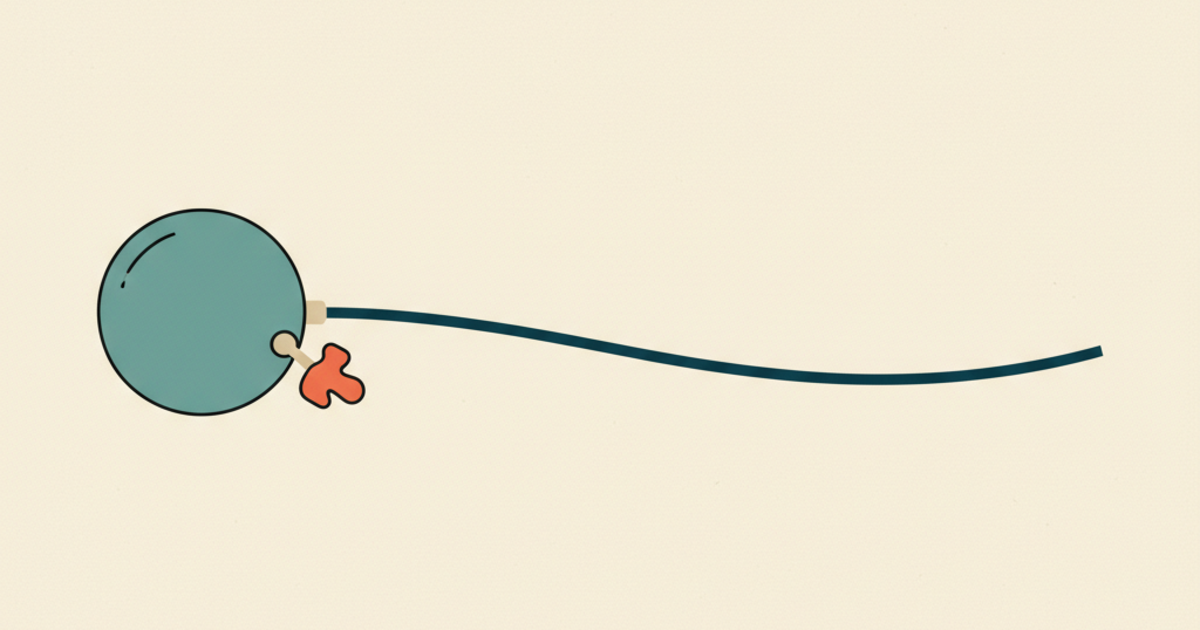
CJC-1295 DAC is a chain of 30 amino acids, built from the working end of the human growth hormone releasing hormone. Scientists at ConjuChem Inc. in Montréal described it in 2005 and picked it out of three candidates [8]. It has no brand name, because no product containing it has ever been licensed.
Four building blocks were swapped to slow down the enzymes that would otherwise chew it apart. The important addition sits at the far end: a small reactive group called a maleimide, the Drug Affinity Complex or DAC. In the bloodstream it clips itself permanently onto albumin, the most common blood protein [1], [8].
That single hook is what separates this substance from the version sold under the same name without it. Both are called CJC-1295 in shops, and the confusion runs deep enough to have reached official databases. The page on the version without DAC covers that form, for which no human study exists at all [9].
Quick facts
| Field | Value | Ref |
|---|---|---|
| Also called | CJC-1295 with DAC, DAC:GRF | [10] |
| Class | Copy of the growth hormone releasing hormone, plus an albumin hook | [8] |
| Structure | 30 amino acids, four of them swapped, with a maleimide group on the last one | [8], [10] |
| Formula and mass | C165H269N47O46, 3647.2 g/mol | [10] |
| How long it lasts in people | Half-life 5.8 to 8.1 days after one dose | [1] |
| How it was given in studies | Under the skin, and nothing else | [1], [4] |
| Status | No development since 2006, approved nowhere | [2], [3] |
| Developer | ConjuChem Inc., later ConjuChem Biotechnologies Inc., Montréal | [2], [8] |
| CAS registry number | 446262-90-4 | [10] |
| PubChem CID | 91971820 | [10] |
| UNII | 62RC32V9N7 | [10] |
How it works
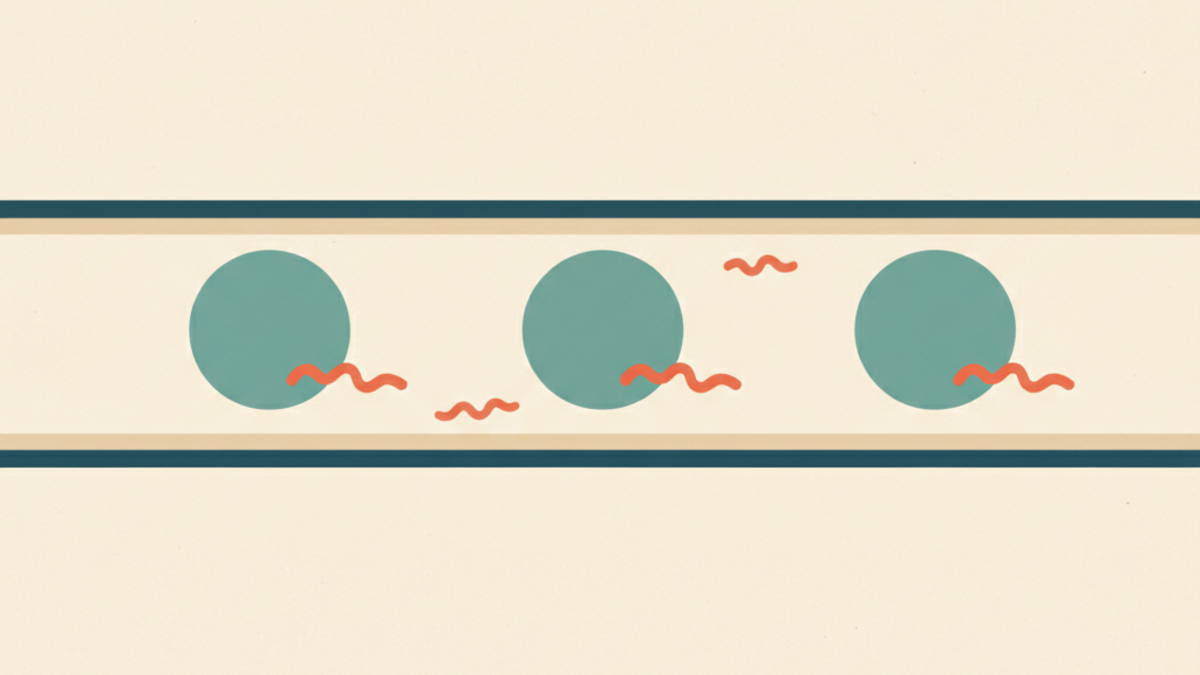
The substance docks onto the same receptor in the pituitary gland that the body's own releasing hormone uses, and everything else follows from that [8].
- The growth hormone cells. Once it docks, those cells release growth hormone, and the liver responds by making more of the growth factor IGF-1. This was shown in cultured rat cells, in live rats and then in people [1], [8].
- The albumin hook. The maleimide group reacts with the one free sulphur-bearing site on albumin, called cysteine 34. The company reported that at least 90 percent of an injected dose binds this way, with traces on two other blood proteins [1].
- Why that matters. The unmodified parent peptide, sermorelin, is cleared from the blood with a half-life of about 7 minutes, which made it impractical as a medicine. The hook stretches minutes into days [1].
- What it does not do. It cannot replace growth hormone. It only prompts a pituitary gland that still works to release what it has stored [1], [4].
- A possible cost, seen in mice. Constant stimulation of this receptor raised the messenger molecule cAMP inside pituitary cells and, alongside more growth hormone, more damage to their genetic material [5].
One distinction separates this substance from ipamorelin and similar peptides. Those switch on the receptor for the hunger hormone ghrelin, which is a different docking site with different consequences [6].
What the trials found
Growth hormone and IGF-1 after one dose
Phase 1 Forty-two healthy adults aged 21 to 61 took part, 35 of them on the drug and 7 on a dummy injection, across four dose levels. Growth hormone rose two- to tenfold for at least 6 days, and IGF-1 rose 1.5- to threefold for 9 to 11 days [1].
The rise depended on the dose. Average peak IGF-1 readings were 232, 319, 328 and 435 nanograms per millilitre for the four groups. Only the highest dose pushed IGF-1 above the normal range for the participants' age and sex [1].
Growth hormone followed the same pattern, with average peaks of 6.6, 9.6, 9.9 and 13.3 nanograms per millilitre. The total growth hormone over 7 days beat the dummy injection only in the three higher groups [1].
What repeated doses did
Phase 1 Twenty-four healthy adults received two or three injections a week or a fortnight apart, over a study lasting 49 days. Blood levels built up. The peak after the injection on day 7 already sat 11 to 32 percent above the peak on day 0, and the peak after the day 14 injection sat 29 to 70 percent above it. The half-life measured here ran from 5.4 to 9.2 days [1].
IGF-1 stayed above its starting value until day 28. The authors also describe a priming effect, with each further injection producing a higher and earlier IGF-1 peak. One participant left this study 6 days after a single injection because of several mild side effects [1].
The steady rise between the natural pulses
Observational Healthy men aged 20 to 40 had their growth hormone measured every 20 minutes across 12 night-time hours, once before a single injection and once a week later. The paper never reported how many men took part. The natural rhythm survived, because the frequency and height of the pulses did not change [4].
What changed was the floor between the pulses. The baseline level rose 7.5-fold (P < 0.0001), the overall average by 46 percent (P < 0.01) and IGF-1 by 45 percent (P < 0.001). The two dose levels tested made no measurable difference to any of this [4].
The authors put the IGF-1 rise down to that permanently raised floor, not to stronger pulses. The IGF-1 rise did not track any measure of the pulses themselves [4].
The trial that was stopped
Phase 2 (terminated) One trial was designed to answer a question people care about, namely whether the substance reduces deep abdominal fat in patients living with HIV. It ran at several centres, with a low dose, a high dose and a dummy injection given weekly for 12 weeks [3].
It never finished. On 13 July 2006 a participant at a centre in Argentina received his eleventh weekly dose. Around two hours later he reported chest trouble, an electrocardiogram confirmed a heart attack, and he died about an hour after that [2].
The company stopped the trial and reported the death on 14 July 2006. No results were entered in the registry and none were ever published. The registry lists 120 participants, while the company statement mentions 192 at the point recruitment closed [2], [3].
Animal findings
Animal data In mice bred without any releasing hormone of their own, daily injections brought body weight and body length back to normal over 5 weeks. Lean mass and the fat under the skin were normal in every treated group. Longer gaps between injections left the catch-up incomplete [11].
Animal data In healthy four-month-old mice, 24 injections over 8 weeks left the pituitary gland 47 percent heavier than in the 15 control animals (P ≤ 0.001). Body weight, body length, liver and heart were unchanged [5].
In pituitary cells in the dish, a marker of DNA damage rose from 16.1 ± 0.7 to 23.6 ± 0.6. Adding a second stimulating drug pushed it to 32.1 ± 0.7 (P ≤ 0.001). A drug that suppresses growth hormone release, octreotide, cancelled the effect [5].
A second damage marker tracked both IGF-1 levels (r = 0.67, P = 0.01) and gland size (r = 0.64, P = 0.02). The authors report no visible ill effects in the treated animals [5].
Cells in the dish, 16 hours, six per group. Higher means more damage to the genetic material. All differences P ≤ 0.001. Source [5].
This work was not a safety study. The team was investigating how pituitary tumours arise and used the substance as a tool. That is precisely why the finding is hard to dismiss [5].
What is still unknown
- Every outcome a person would notice. There is no human study on body composition, muscle, fat, recovery, sleep, wound healing or ageing [12], [13].
- Anything beyond seven weeks. The longest documented human exposure is the eleven weekly doses given to the participant who died [2].
- Growth hormone deficiency. No study has tested the substance in patients who actually lack the hormone [1].
- The pituitary findings in people. Gland size and DNA damage have never been looked for in a human study [5].
- The combination sold with ipamorelin. No clinical study in people exists [14].
Side effects and safety
Everything known about safety in people comes from two short studies in healthy volunteers and from one death in a trial that was never analysed. No authority has ever weighed benefit against risk, so there is no package insert and nobody watches the market.
How often events occurred in the early-stage studies [1]:
| Event | Frequency on the drug | On the dummy injection |
|---|---|---|
| Any adverse event, single-dose study | 94% (33 of 35) | 29% (2 of 7) |
| Reactions at the injection site | About 70% | Rare |
| Headache | 63% | 14% |
| Diarrhoea or loose stools | 43% | Not seen |
| Flushing, warmth, brief drop in blood pressure | 30% | Not seen |
| Hives at the injection site | Almost 30% | Not reported |
| Nausea and abdominal pain, repeat-dose study | 20% | Not reported |
Injection-site reactions were stronger and longer at higher doses, with hardening lasting up to 5 days. None exceeded 10 centimetres across and all faded on their own. Two people left the single-dose study because of them, 5 and 22 days after the injection [1].
Flushing appeared within 30 minutes and faded within 1 to 2 hours. In the repeat-dose study it followed the dose closely, affecting 40 percent after the low dose and 100 percent after the high one [1]. This is the event the FDA names in its own risk assessment [15].
Two people in the repeat-dose study became dizzy with a drop in blood pressure after their first injection, and it did not return after later ones. One had brief involuntary leg contractions and some loss of coordination after a second injection. Everything resolved by itself within a day [1].
The reassuring findings are real but narrow. Blood and urine values, blood sugar, liver function and the electrocardiogram showed no consistent changes, and no meaningful antibody response appeared. That covers at most three doses over 49 days in healthy people [1].
Then there is the death. A trial participant had a fatal heart attack two hours after his eleventh weekly dose. The company stated there was no sign of heart toxicity in any earlier study. The treating doctor thought silent coronary disease with a ruptured plaque the likeliest explanation [2].
That leaves the question open in both directions. A causal link is neither proven nor ruled out, and speculating either way goes beyond the record. What is documented is that the trial stopped and that no further study has been run since [3], [16].
One more risk has nothing to do with the molecule. An analysis covered 6,441 samples of fourteen research peptides sold directly to consumers, CJC-1295 among them. Failure rates ran from 41.6 to 71.1 percent depending on the standard applied, and 15 percent held measurable bacterial toxin [17].
Doses used in studies
The doses below are simply what the cited studies gave, listed so that the results can be understood. They are not advice on how to use anything.
| Study | Model or population | Dose | Route | Frequency | Duration | Ref |
|---|---|---|---|---|---|---|
| Teichman 2006, study 1 | 42 healthy adults aged 21 to 61 | 30, 60, 125, 250 µg/kg | Under the skin | Single dose | Followed for 28 days | [1] |
| Teichman 2006, study 2 | 24 healthy adults | 20, 30, 60 µg/kg | Under the skin | Two or three doses, a week or a fortnight apart | Study lasted 49 days | [1] |
| Ionescu 2006, pulse study | Healthy men aged 20 to 40, number not published | 60 or 90 µg/kg | Under the skin | Single dose | Measured a week later | [4] |
| NCT00267527, phase 2 | Adults with HIV and deep abdominal fat | Not published, registry says only low and high | Not stated in the registry | Weekly | 12 weeks, stopped early | [2], [3] |
| Alba 2006 | Mice bred without their own releasing hormone, one week old | 2 µg per animal | Injection, route not stated | Every 24, 48 or 72 hours | 5 weeks | [11] |
| Ben-Shlomo 2020, live animals | Male mice, four months old, 16 treated against 15 controls | 10 µg/kg | Under the skin | Three times a week | 8 weeks, 24 injections | [5] |
| Ben-Shlomo 2020, cells | Mouse pituitary cells in culture | 10 ng/ml | Added to the culture medium | Once | 16 hours | [5] |
Early-stage study in 42 healthy adults, injected under the skin. Only the highest group rose above the normal range for age and sex. Source [1].
Every published human dose above was given once or a few times, under medical supervision, in an early-stage study in healthy volunteers. The mid-stage trial never published its two dose levels. Animal doses in micrograms per kilogram cannot be scaled up to people. Beyond 49 days there is no human data of any kind [1].
Development and approval status
From discovery to a stopped trial
- 2005First described at ConjuChem in MontréalThree candidates made, CJC-1295 picked as the longest lasting, ref [8]
- 2006Two early-stage studies in 66 healthy adults publishedHalf-life 5.8 to 8.1 days, growth hormone and IGF-1 up, ref [1]
- 2006Phase 2 trial in HIV-related abdominal fat startsWeekly dosing for 12 weeks, registry number NCT00267527, ref [3]
- 2006Participant dies on 13 July, trial stoppedHeart attack two hours after the eleventh weekly dose, ref [2]
- 2006Pulse study shows the baseline rising 7.5-foldPulse rhythm unchanged, the floor between pulses raised, ref [4]
- 2020Mouse study finds heavier pituitaries and DNA damage47 percent heavier after 8 weeks, ref [5]
- 2026Named on the anti-doping list and in the Australian Poisons StandardBanned at all times, and possession is an offence, refs [6], [7]
- 2026Still no new trial in twenty yearsOne registry entry exists for the substance, and it is the terminated one, ref [3]
- 2005 — the first description appears, from ConjuChem Inc. in Montréal [8].
- 2006 — two early-stage studies in healthy adults are published in March [1].
- 2006 — the mid-stage trial in patients begins, and stops in July after a death [2], [3].
- 2020 — an unrelated mouse study reports heavier pituitary glands and DNA damage [5].
- 2026 — the substance stands named on the anti-doping list and in the Australian Poisons Standard [6], [7].
| Market | Status | Note | Ref |
|---|---|---|---|
| United States | Not approved | Filed among substances with serious safety risks | [15] |
| European Union | Not approved | No marketing authorisation | [13] |
| Germany | Not approved | Follows the European route | [13] |
| United Kingdom | Not approved | No authorisation, no safety notice | [18] |
| Australia | Prescription-only | Possessing it is an offence | [7] |
| Canada | Not approved | No entry in the database | [19] |
| Switzerland | Not approved | Handing it on is illegal | [20] |
Every register query behind this table was run on 7 September 2026.
The American entry deserves a sentence of its own. CJC-1295 does not appear in the FDA table for substances under category 2, but in a second table on the same page, for nominations that were withdrawn [15].
That second table holds substances that were once in category 2 and whose nominations the people who filed them later withdrew. The entry names risks of an immune reaction, difficulties with impurities, and serious adverse events including a raised heart rate and widespread widening of blood vessels [15].
The vessel-widening part traces straight back to the 30 percent of participants who flushed in the early-stage study [1]. For the raised heart rate the agency names no source, and that study reports no such finding. Where the claim comes from cannot be reconstructed from public documents.
Australia goes furthest. The Poisons Standard of June 2026 lists CJC-1295 as prescription-only. It appears again as item 7 of an appendix headed with the rule that possessing these substances without authority is illegal [7].
The same appendix catches every releasing hormone of this kind under item 18, without naming names. Ipamorelin sits in the same table as item 25 [7].
Anti-doping
CJC-1295 is banned in sport at all times, in and out of competition, and counts as a non-specified substance, the stricter of the two categories. It is printed on the list by name rather than merely caught by a general clause [6]. The 2025 list carried the same wording [21].
Section S2.2.4 of the 2026 Prohibited List names it among "growth hormone-releasing hormone (GHRH) and its analogues (e.g. CJC-1293, CJC-1295, sermorelin and tesamorelin)" [6]. Tesamorelin, an approved medicine, sits in the same bracket, so a listing says nothing about approval status.
Testing is possible but difficult. Laboratories found almost no positive cases for this family despite signs of use. Researchers identified 19 breakdown products to close that gap [22].
The albumin-bound form poses its own problem. Once attached to a large protein, it becomes effectively invisible to one common measuring technique [23]. The wider picture is at peptides banned in sport.
Compared with related peptides
| Peptide | Class | Approval | Human evidence | How long it lasts |
|---|---|---|---|---|
| CJC-1295 DAC | Releasing hormone copy with an albumin hook | None, anywhere | 66 healthy adults, plus one pulse study; no health outcome ever measured [1], [4] | Half-life 5.8 to 8.1 days [1] |
| CJC-1295 (no DAC) | The same copy without the hook | None, anywhere | No published human study at all [9] | Minutes, since it does not bind albumin [1] |
| Sermorelin | The unmodified parent, 29 amino acids | Named on the anti-doping list [6] | Not covered here | Half-life about 7 minutes [1] |
| Tesamorelin | A different releasing hormone copy | An approved medicine [22] | Developed successfully for the condition CJC-1295 failed to reach [22] | Not covered here |
| Ipamorelin | Switches on the ghrelin receptor instead | None, anywhere | Its one mid-stage trial missed its main question [14] | Not covered here |
The most telling comparison is with tesamorelin. Both were developed for the same problem, deep abdominal fat in people living with HIV. Tesamorelin finished its development and became a medicine; the CJC-1295 trial stopped in 2006 and was never analysed [3], [22].
The comparison with the version without the hook matters for a different reason. Everything known in humans belongs to the DAC form, and shops sell both under one name [1], [9].
Common misconceptions
- "With DAC and without DAC are the same thing." They are two substances. The DAC form has 30 amino acids and weighs 3647.2 g/mol; the other has 29 and weighs 3367.9 g/mol. One lasts days in the blood, the other minutes, and only the first has ever been given to people in a published study [1], [9], [10].
- "The CAS number 863288-34-0 identifies it." That number belongs to the form without the hook. The DAC form is 446262-90-4. The mix-up has reached official texts, because the Australian Poisons Standard lists CJC-1295 with the number of the DAC-free form [7], [9], [10].
- "Studies show it burns fat and builds muscle." No study has ever measured either in a person. The three published human studies measured growth hormone and IGF-1 in the blood, nothing more. The one trial designed to measure fat was stopped and never analysed [1], [3], [4].
- "The death proves the substance is dangerous." It proves neither. The treating doctor considered silent coronary disease the likeliest cause, and the company reported no sign of heart toxicity in earlier work. A link is neither shown nor excluded [2].
- "Combining it with ipamorelin is a studied approach." No clinical study in people exists. Reviewers found only a mouse experiment on muscle loss caused by steroids, and noted that the condition treated, the amounts and the duration all remain unknown [14].
- "It keeps growth hormone natural, because the pulses stay intact." The pulses do stay intact, but the level between them rose 7.5-fold a week after a single injection. That is a changed pattern, not a preserved one, and no study has asked whether it is desirable [4].
Frequently asked questions
Is CJC-1295 DAC approved anywhere?
No. No country has licensed it as a medicine for any condition. Register searches in the United States, the European Union, the United Kingdom, Canada, Australia and Switzerland were run on 7 September 2026 and came back empty.
What is CJC-1295 DAC?
It is a lab-made chain of 30 amino acids, copied from the working end of the human growth hormone releasing hormone, with four building blocks swapped. A small chemical hook on the last one clips it onto the blood protein albumin, which is what makes it last for days.
What is the difference between CJC-1295 DAC and CJC-1295 without DAC?
They are two different substances that shops sell under one name. The DAC form has 30 amino acids and a half-life of 5.8 to 8.1 days. The version without it has 29 amino acids, does not bind albumin, and lasts minutes. Every published human study used the DAC form.
What did the studies of CJC-1295 DAC actually show?
They showed two blood values rising. In the 42 adults of the single-dose study, growth hormone went up two- to tenfold for at least 6 days and IGF-1 1.5- to threefold for 9 to 11 days. Nothing a person would notice was ever measured.
Why was the CJC-1295 DAC trial stopped?
A participant at a centre in Argentina died of a heart attack on 13 July 2006, about two hours after his eleventh weekly dose. The company halted the trial. Whether the substance played any part is neither proven nor ruled out, and the treating doctor thought silent coronary disease the likeliest explanation.
What are the known side effects of CJC-1295 DAC?
In the single-dose study 94 percent of those on the drug reported at least one, against 29 percent on the dummy injection. Injection-site reactions affected about 70 percent, headache 63 percent, diarrhoea 43 percent and flushing with a brief drop in blood pressure 30 percent.
How long does CJC-1295 DAC stay in the body?
Its half-life in healthy adults was 5.8 to 8.1 days after a single dose, and it remained measurable in the blood for 10 to 14 days. With repeated doses it built up, with the peak on day 14 sitting 29 to 70 percent above the peak on day 0.
Is CJC-1295 DAC banned in sport?
Yes, at all times, in and out of competition. Section S2.2.4 of the 2026 Prohibited List names CJC-1295 among the releasing hormone copies, and it counts as a non-specified substance. The 2025 list used the same wording.
Why does this page list CJC-1295 DAC doses?
Because they are facts from the studies cited here, and the results make no sense without them. Every human dose was given under medical supervision in an early-stage study of healthy volunteers. They describe what was given and are nothing more than that.
What is still unknown about CJC-1295 DAC?
Almost everything outside those blood values. There is no human data beyond 49 days, none on body composition, sleep, healing or ageing, and none on the combination sold with ipamorelin. In mice, eight weeks of it left the pituitary gland 47 percent heavier, and nobody has looked for that in people.
Sources
- Teichman SL, Neale A, Lawrence B, Gagnon C, Castaigne JP, Frohman LA (2006). Prolonged stimulation of growth hormone (GH) and insulin-like growth factor I secretion by CJC-1295, a long-acting analog of GH-releasing hormone, in healthy adults. Journal of Clinical Endocrinology and Metabolism 91(3):799-805. PMID 16352683. DOI 10.1210/jc.2005-1536
- ConjuChem Biotechnologies Inc. (2006). ConjuChem provides findings of DAC(TM):GRF HIV Lipodystrophy trial investigation. Company statement, Montréal, 8 August 2006; original page offline, read in the Internet Archive copy of 30 June 2017 on natap.org. Retrieved 7 September 2026.
- ClinicalTrials.gov. NCT00267527, phase 2 study of CJC-1295 in HIV-infected patients with HIV-associated visceral obesity, study code GH100-013; sponsor ConjuChem; n = 120; December 2005 to September 2006; status terminated; hasResults false. Retrieved 7 September 2026. https://clinicaltrials.gov/study/NCT00267527
- Ionescu M, Frohman LA (2006). Pulsatile secretion of growth hormone (GH) persists during continuous stimulation by CJC-1295, a long-acting GH-releasing hormone analog. Journal of Clinical Endocrinology and Metabolism 91(12):4792-4797. PMID 17018654. DOI 10.1210/jc.2006-1702
- Ben-Shlomo A, Deng N, Ding E, Yamamoto M, Mamelak A, Chesnokova V, Labadzhyan A, Melmed S, et al. (2020). DNA damage and growth hormone hypersecretion in pituitary somatotroph adenomas. Journal of Clinical Investigation 130(11):5738-5755. PMID 32673291. DOI 10.1172/JCI138540
- World Anti-Doping Agency. The 2026 Prohibited List, in force from 1 January 2026; section S2.2.4; official text as annex to BGBl. III No. 219 of 30 December 2025. Retrieved 7 September 2026.
- Therapeutic Goods (Poisons Standard—June 2026) Instrument 2026, F2026L00633, registered 28 May 2026. Schedule 4 entry "CJC-1295 (CAS No. 863288-34-0)"; Appendix D, clause 5, items 7 and 18. https://www.legislation.gov.au/F2026L00633/asmade
- Jetté L, Léger R, Thibaudeau K, Benquet C, Robitaille M, Pellerin I, Paradis V, van Wyk P, Pham K, Bridon DP (2005). Human growth hormone-releasing factor (hGRF)1-29-albumin bioconjugates activate the GRF receptor on the anterior pituitary in rats: identification of CJC-1295 as a long-lasting GRF analog. Endocrinology 146(7):3052-3058. PMID 15817669. DOI 10.1210/en.2004-1286
- PubChem. Compound CID 56841945, the form without DAC; formula C152H252N44O42, 3367.9 g/mol, CAS 863288-34-0. The synonym list of the same record carries contradictory entries, including both "CJC 1295 with DAC" and "CJC-1295-no DAC acetate". Retrieved 7 September 2026. https://pubchem.ncbi.nlm.nih.gov/compound/56841945
- PubChem. Compound CID 91971820, CJC-1295 with DAC; formula C165H269N47O46, 3647.2 g/mol, CAS 446262-90-4, UNII 62RC32V9N7, InChIKey ZUQGTWKGESAQCD-ZGFIGYLBSA-N. Retrieved 7 September 2026. https://pubchem.ncbi.nlm.nih.gov/compound/91971820
- Alba M, Fintini D, Sagazio A, Lawrence B, Castaigne JP, Frohman LA, Salvatori R (2006). Once-daily administration of CJC-1295, a long-acting growth hormone-releasing hormone (GHRH) analog, normalizes growth in the GHRH knockout mouse. American Journal of Physiology. Endocrinology and Metabolism 291(6):E1290-E1294. PMID 16822960. DOI 10.1152/ajpendo.00201.2006
- Tewari K, Liu TP, Im C, Hamad C, Petrigliano F, Cheung EC, Kremen TJ (2026). Peptide supplements and their therapeutic applications in sports medicine. American Journal of Sports Medicine. PMID 42578445
- Mendias CL, Awan TM (2026). Safety and efficacy of approved and unapproved peptide therapies for musculoskeletal injuries and athletic performance. Sports Medicine 56:1921-1935. PMID 41966639. Classifies CJC-1295 as an unapproved peptide; no marketing authorisation is claimed anywhere in the reviews checked.
- Mayfield CK, Bolia IK, Feingold CL, Lin EH, Liu JN, Rick Hatch GF, Gamradt SC, Weber AE (2026). Injectable peptide therapy: a primer for orthopaedic and sports medicine physicians. American Journal of Sports Medicine 54(1):223-229. PMID 41476424
- FDA. Certain bulk drug substances for use in compounding that may present significant safety risks; page updated 22 April 2026; CJC-1295 listed in the table "Bulk drug substances nominated but withdrawn". Retrieved 7 September 2026. https://www.fda.gov/drugs/human-drug-compounding/certain-bulk-drug-substances-use-compounding-may-present-significant-safety-risks
- Hartvig RA, Holm NB, Dalsgaard PW, Reitzel LA, Müller IB, Linnet K (2014). Identification of peptide and protein doping related drug compounds confiscated in Denmark between 2007-2013. Scandinavian Journal of Forensic Science 20(2):42-49. DOI 10.2478/sjfs-2014-0003
- Mendias CL, Awan TM (2026). Evaluation of research grade peptides marketed directly to consumers reveals extensive variability in purity and measured abundance. Preprint. DOI 10.20944/preprints202604.1748.v1. 6,441 samples across fourteen substances including CJC-1295.
- GOV.UK. Full-text search for "CJC-1295"; no marketing authorisation and no MHRA safety notice found. Retrieved 7 September 2026.
- Health Canada. Drug Product Database, active ingredient API query "CJC"; empty result. Retrieved 7 September 2026. https://health-products.canada.ca/api/drug/activeingredient/
- Swiss Federal Office for Customs and Border Security, Swissmedic and Swiss Sport Integrity. Joint operation "Peptide 2026", statement of 22 June 2026; 46 consignments checked, 23 held back, 21 classed as doping material. https://www.bazg.admin.ch
- World Anti-Doping Agency. The 2025 Prohibited List, section S2.2.4; wording identical to the 2026 list including the named entry for CJC-1295. Checked 7 September 2026.
- Memdouh S, Gavrilović I, Ng K, Cowan D, Abbate V (2021). Advances in the detection of growth hormone releasing hormone synthetic analogs. Drug Testing and Analysis 13(11-12):1871-1887. PMID 34665524. DOI 10.1002/dta.3167
- Timms M, Ganio K, Forbes G, Bailey S, Steel R (2019). An immuno polymerase chain reaction screen for the detection of CJC-1295 and other growth-hormone-releasing hormone analogs in equine plasma. Drug Testing and Analysis 11(3):383-391. PMID 30489688. DOI 10.1002/dta.2528
Cite this page
The facts on this page were checked on 7 September 2026, and every register search behind the status table was run on that date. Nobody is developing CJC-1295 DAC any more, so the regulatory and anti-doping entries are the parts most likely to change.
myPeptides Research & Editing. (2026). CJC-1295 DAC: what the studies show, status and safety. Version 1.0, 7 September 2026. myPeptides Peptide Register. Retrieved from https://mypep.app/peptides/cjc-1295-dac
How pages in this register are compiled and graded is described under methodology; the full register is at peptides.
| Version | Date | Change |
|---|---|---|
| 1.0 | 2026-09-07 | Initial publication |
Last verified: 7 September 2026. Next review: on any new clinical study of CJC-1295, on any change in the FDA compounding lists, or on any change in the anti-doping or Poisons Standard classification.