
GHRP-6: what the studies show, status and safety
Summary
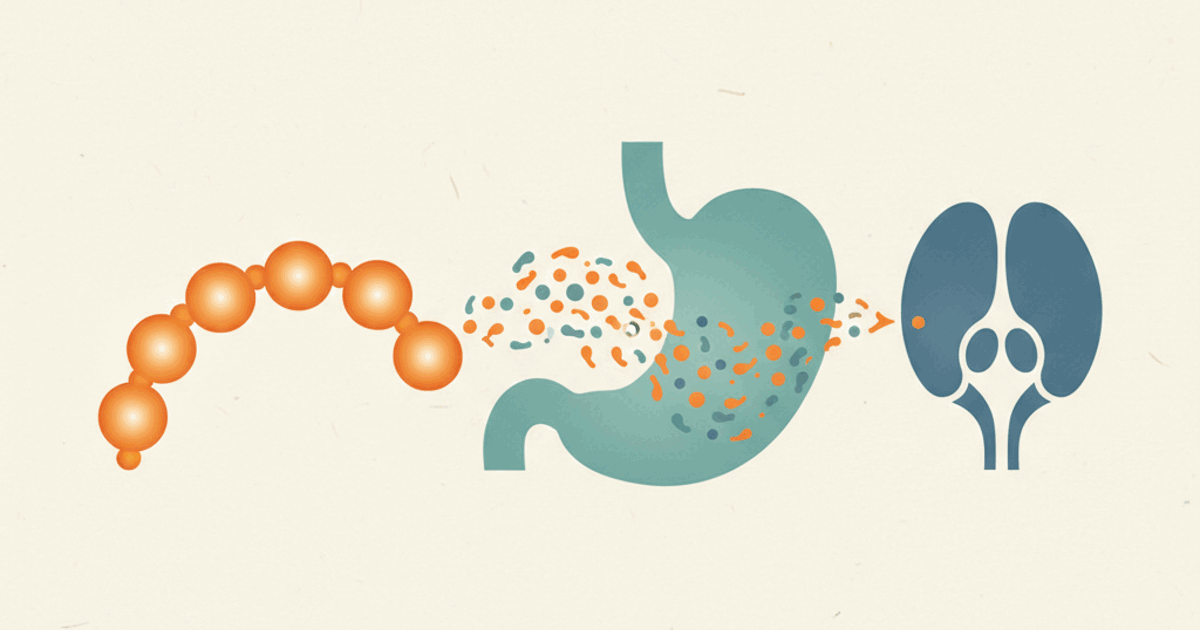
GHRP-6 is a lab-made peptide of six building blocks that makes the pituitary gland release a burst of growth hormone. Cyril Bowers and Frank Momany described it in 1984, and it is the oldest member of its family. Roughly two dozen small human studies followed, almost all of them single test doses measuring a hormone level. No country has approved it, and the world anti-doping list names it. The American medicines agency placed it in its risk category for compounding in 2023, after thirteen recalls of pharmacy-made injections.
Key findings at a glance
- It came first, in 1984. Bowers and Momany built it from a five-part precursor and published it as a hexapeptide that releases growth hormone in test tubes and in animals [1].
- It found the ghrelin system. The receptor it acts on was cloned in 1996, and its authors wrote that these peptides mimic a hormone nobody had discovered yet. That hormone, ghrelin, was isolated three years later [2], [3].
- The body clears it in two phases. In nine healthy men given 100, 200 or 400 µg/kg into a vein, the distribution half-life was 7.6 ± 1.9 minutes and the elimination half-life 2.5 ± 1.1 hours [4].
- Swallowing it barely works. 300 µg/kg by mouth released about as much growth hormone as 1 µg/kg into a vein, which works out at roughly 0.3 percent of the injected activity [5].
- The one large trial missed its target. COURAGE-2 gave 188 stroke patients a fixed combination of growth factor EGF and GHRP-6, and found no difference in disability or survival [6].
- Pharmacy-made injections were recalled thirteen times. Between 2013 and 2018 thirteen American compounded products containing GHRP-6 were withdrawn, two in the highest hazard class, one with a germ found in the vials [7].
- It is banned in sport and restricted in law. The 2026 Prohibited List prints "GHRP-6" in full under section S2.2.4, and Australian law forbids possessing it without authority [8], [9].
What it is
GHRP-6 is a synthetic peptide of six building blocks, written as His-D-Trp-Ala-Trp-D-Phe-Lys-NH2. It is not a hormone and not a fragment of anything the body makes. Cyril Bowers at Tulane University in New Orleans and the computational chemist Frank Momany designed it on paper, then tested it [1], [10].
The design followed a chain of work that began with derivatives of a natural opioid, met-enkephalin. Calculations of molecular shape produced a five-part peptide that released growth hormone in cultured cells [11]. Adding lysinamide to its tail gave GHRP-6, published in 1984 in two companion papers [1], [10].
The number in the name misleads. It does not mark a sixth generation, but a position in a numbered synthesis series. GHRP-6 was the first of the family to reach human studies, and GHRP-1 and GHRP-2 came later [3].
Two of its six building blocks are mirror images of the natural form, and the tail is capped. Enzymes that chop ordinary proteins handle such a chain far less readily [12]. The molecule also clumps together into tube-shaped structures, which is exactly the property the American medicines agency later cited as a safety concern [13], [14].
Quick facts
| Field | Value | Ref |
|---|---|---|
| Generic name | None. It never received an official international name | [12] |
| Development codes | SKF-110679 and U-75799E; the Cuban investigational product is CIGB-500 | [12], [15] |
| Class | Growth hormone releasing peptide, acting on the ghrelin receptor and on CD36 | [2], [16] |
| Sequence | His-D-Trp-Ala-Trp-D-Phe-Lys-NH2 | [1] |
| Structure | Six building blocks, capped at the tail, two of them mirror images | [12] |
| Formula and mass | C46H56N12O6, 873.0 g/mol; the Cuban group calculates with 872.44 Da | [12], [17] |
| How long it lasts in people | 7.6 ± 1.9 minutes then 2.5 ± 1.1 hours, after injection into a vein | [4] |
| Status | Approved nowhere; in the American risk category for compounding since 2023 | [14] |
| Discoverers | Cyril Y. Bowers and Frank A. Momany | [1], [10] |
| CAS registry number | 87616-84-0; PubChem also carries 145177-42-0 for the free base | [12] |
| PubChem CID | 9919153 | [12] |
| UNII | 4H7N4I6X6A, filed under the preferred name Hexapeptide-2 | [18] |
| Cosmetic name for the same sequence | Hexapeptide-2 | [18], [19] |

How it works
GHRP-6 docks onto the receptor for the hunger hormone ghrelin, and the pituitary gland answers with a burst of growth hormone [2].
- A receptor of its own, not the GHRH one. In five healthy men whose pituitary had been blunted by a six-hour infusion of the natural releasing hormone GHRH, the response to more GHRH was gone. The response to 1 µg/kg of GHRP-6 survived [20].
- Yet it still needs GHRH in the background. In nine healthy men, blocking the GHRH receptor cut the peak response to 1 µg/kg of GHRP-6 from 33.8 ± 4.8 to 6.2 ± 1.8 µg/l (p < 0.0001). Total exposure fell from 1701 ± 278 to 376 ± 113 µg·min/l (p < 0.001) [21].
- Together they do more than either alone. Small doses of 0.1 and 0.3 µg/kg combined with 1 µg/kg of GHRH released more growth hormone than the two separate responses added up [22].
- A second receptor, away from the pituitary. The tissue-protecting effects are attributed to binding at the scavenger receptor CD36, which switches on survival signals inside cells and damps reactive oxygen [16].
- Hunger runs on a separate track. Injected straight into the brain ventricles of well-fed rats, 0 to 1000 pmol triggered eating in step with the dose (p < 0.01). Plasma growth hormone did not follow the dose (p > 0.2 at 15 minutes, p > 0.1 at 30 and 60 minutes) [23].
Two cautions belong here. The CD36 work comes almost entirely from one research line in Havana and from animal models [16]. And calling GHRP-6 a ghrelin copy reverses the history: the peptide came first, its receptor was found second, and the natural hormone third [3].
What the studies found
Growth hormone after injection into a vein
Human, single dose Eighteen healthy men received 0.1, 0.3 or 1.0 µg/kg, plus a dummy. Peak growth hormone rose steeply with the dose: 1.2 ± 0.3 µg/l on the dummy, then 7.6 ± 2.5, 16.5 ± 4.1 and 68.7 ± 15.5 µg/l [22].
Only the highest dose moved anything else. Prolactin and cortisol roughly doubled at 1 µg/kg, while LH and TSH did not change in the first hour. Facial flushing appeared in 16 of the 18 men, but that came from the GHRH given alongside [22].
One test day per dose level, with a dummy for comparison. The response climbs steeply, and only the highest level also lifted prolactin and cortisol. Source [22].
Swallowed, sprayed and placed under the tongue
Human, single dose Five healthy men swallowed 100 or 300 µg/kg. Growth hormone was measurable after 30 minutes, peaked between 60 and 75 minutes, and was back to baseline by 150 to 180 minutes. Peaks reached 63 times baseline at the lower dose and 202 times at the higher [5].
Because 300 µg/kg swallowed matched 1 µg/kg into a vein, the authors calculated the oral route at roughly 0.3 percent of the injected activity. Nine short children with varying growth hormone deficiency were tested in the same paper: four responded normally, three weakly, two not at all [5].
Human, single dose A later study contradicts the oral result. Given at night in gut-resistant capsules at 300 µg/kg, GHRP-6 left growth hormone, ACTH and cortisol unchanged. The same study found a clear overnight rise after only 30 µg/kg through the nose, and a mere trend after 30 µg/kg under the tongue [24].
Human, single dose Six healthy men were given the peptide through the nose and into a vein. The peak after 1 µg/kg into a vein was 54.9 ± 4.2 µg/l. Through the nose, 30, 15 and 5 µg/kg gave 39.6 ± 15.3, 14.1 ± 5.0 and 7.5 ± 5.7 µg/l [25].
Repeated dosing, over days rather than weeks
Human, repeated dosing The same six men then took 15 µg/kg through the nose every eight hours, seven times in a row. All tolerated it, the response did not fade, and IGF-1 rose from 94.5 ± 5.8 to 125.8 ± 6.0 µg/l [25].
Human, repeated dosing A 34-hour infusion in nine healthy young men lifted total growth hormone from 1374 ± 160 to 2908 ± 450 µg·min/l. The largest pulse grew from 8.4 ± 1.7 to 15.2 ± 2.8 µg/l and the average pulse from 3.8 ± 1.5 to 7.0 ± 1.1 µg/l. IGF-1 rose from 252 ± 23 to 312 ± 23 µg/l [26].
Human, repeated dosing Seven healthy women aged 65 to 82 took 300 µg/kg by mouth twice daily for four days. The growth hormone response held up, with peaks of 10.7 ± 3.3 µg/l before and 16.8 ± 2.9 µg/l after. IGF-1 did not rise significantly, at 77.1 ± 8.4 against 84.1 ± 12.2 µg/l [27].
Those three results are the entire human record on repeated dosing, and they cover two days, thirty-four hours and four days.
Age, obesity and arginine
Human, single dose In nine young and nine older healthy people, the response to GHRH was smaller in the older group (F = 3.45, p = 0.03). The responses to GHRP-6 alone and to the combination did not differ by age at all (F = 0.71 and F = 0.68, neither significant) [28].
Human, single dose Eight young and eight older people took 300 µg/kg by mouth, with and without 8 g of arginine. Arginine lifted the older group from 9.9 ± 2.0 to 22.1 ± 3.3 µg/l (p < 0.01). In the younger group it did nothing, at 16.2 ± 5.4 µg/l without arginine against 13.5 ± 3.4 µg/l with it [29].
Human, single dose In severely obese men, the combined GHRH and GHRP-6 test collapsed. Peaks were 13.2 against 53.4 µg/l in controls (p = 0.001) and total exposure 707 against 3250 µg/l × 120 min (p = 0.001). In the older men the response was lower than in controls, at a peak of 35.0 µg/l and total exposure of 2274 µg/l × 120 min, but that difference was not significant. Seven of nine obese men fell below the 15.0 µg/l threshold meant to flag severe deficiency, without having it [30].
As a diagnostic test
Human, diagnostic validation This is the strongest human evidence for anything. In 49 adults with suspected pituitary disease plus 20 healthy controls, 1 µg/kg into a vein was compared against the insulin tolerance test [31].
Peaks averaged 3.0 µg/l (± 0.8, range 0.5 to 20.9) in the deficient group and 14.8 µg/l (± 4.7, range 1.8 to 95.3) in the rest. A cut-off of 3.5 µg/l gave 80 percent sensitivity at 95 percent specificity. Using an upper cut-off of 11.3 µg/l as well settled roughly two thirds of cases. No side effects occurred [31].
Compared with ghrelin itself
Human, single dose In six people, growth hormone peaked at 39.9 ± 2.8 µg/l after ghrelin on its own. Given two hours after GHRP-6, the ghrelin peak fell to 19.8 ± 2.9 µg/l, while GHRP-6 itself had reached 18.4 ± 5.9 µg/l. Prior GHRH, which by itself reached only 9.4 ± 2.8 µg/l, left ghrelin's response at 26.8 ± 4.7 µg/l [32].
Human, single dose In nine people with type 1 diabetes and nine controls, ghrelin released more growth hormone than either GHRP-6 or GHRH, in both groups. Fasting growth hormone was higher in diabetes, at 3.5 ± 1.2 against 0.6 ± 0.3 µg/l. Baseline cortisol tended higher too, at 11.7 ± 1.5 against 8.2 ± 0.8 µg/dl (p = 0.055) [33].
The stroke trial that missed
Phase 3 randomised COURAGE-2 randomised 188 people with acute ischaemic stroke, treated within 12 hours of symptoms starting. One group received 75 µg EGF and 5 mg GHRP-6 into a vein twice daily for seven days, the other standard care. It was open-label. Participants averaged 63.5 ± 11.3 years, 110 were men, and the average stroke severity score was 9.5 (95 percent confidence interval 8.9 to 10) [6].
The primary endpoint failed. Disability scores, the Barthel index and survival showed no difference at three or six months. Serious adverse events occurred in 48 of 188 patients, 30 of them among the 95 treated (odds ratio 1.92, 95 percent confidence interval 0.981 to 3.767). None was judged treatment-related [6].
A subgroup of 27 patients with the most severe strokes did better. Disability at six months was 2.6 (95 percent confidence interval 1.3 to 3.8) against 4.7 (2.6 to 6), p = 0.03. The risk of dying was lower too, given as a hazard ratio of 0.18 (0.03 to 0.96), p = 0.045. That subgroup was small, the study was open, and many comparisons were made. The trial also tested a combination, so GHRP-6's own share cannot be separated out [6].
Animal work
Animal data Beagles received 300, 1000 or 2000 µg/kg daily into a vein for 28 days. At the highest two levels, individual dogs showed drooling, sluggishness, slower heart rate, altered breathing, pale gums and facial redness. All were transient and judged not harmful, no organ damage was found, and the no-effect level was set at 2000 µg/kg per day. Heart rate fell at every dose level [15].
Animal data Gerbils had their brain blood flow blocked for 15 minutes. Then 600 µg/kg of GHRP-6 with 100 µg/kg of EGF into the abdomen improved survival, neurological outcome and infarct size. It still worked up to four hours after the insult [34].
Animal data In rats after permanent coronary artery ligation, seven days of GHRP-6 reduced tissue loss and scarring and improved left-ventricular function. The minimum effective dose for a measurable contractility gain in healthy rats had been set beforehand at 0.4 mg/kg [35].
Animal data Further rat and rabbit work covers three more settings. A gel at 400 µg/ml on the skin was tested for wound healing, and injections were tested against doxorubicin heart damage [36], [37]. In a model of multi-organ failure after liver ischaemia, cell migration in the dish tripled (p < 0.01) without extra cell division [38].
What is still unknown
- Anything beyond seven days. No controlled human study has given GHRP-6 repeatedly for longer than a week [25], [26], [27], [6].
- Muscle and body fat. The purpose the peptide is traded for on the grey market has never been measured in a person, in either direction [39].
- Whether IGF-1 stays up. Two short studies found a rise, one four-day study did not [25], [26], [27].
- Blood sugar and insulin sensitivity under repeated use, although this is one of two concerns the American agency names [14].
- Injection under the skin. The published human routes are vein, mouth, nose and tongue. The grey-market route has never been studied [39].
- Pregnancy, breastfeeding, children beyond single test doses, immune reactions and interactions, with one exception: a Cuban interaction study with the beta blocker metoprolol [16].
Side effects and safety
No authority has ever weighed benefit against risk for GHRP-6, because no application was ever filed. What follows comes from hormone measurements beside single test doses, one dog study, and one trial of a combination.
What was measured, in people:
- Prolactin and cortisol roughly doubled at 1 µg/kg into a vein, and did not move at 0.1 or 0.3 µg/kg. Through the nose the rise was small but real [22], [25].
- ACTH showed a trend upwards in the first half of the night after a nasal evening dose, and no group difference in the diabetes comparison [24], [33].
- Sleep shifted slightly. After the nasal evening dose, stage 2 sleep tended to increase and delta power to fall in the second half of the night, neither reaching significance [24].
- No adverse effects were reported in several studies. There were none in 18 men at any dose and none in 69 people during diagnostic testing. Six men tolerated seven nasal doses well [22], [31], [25].
That last line is easy to over-read. Eighty-seven people tolerating one dose each says nothing about repeated use, and the American medicines agency reads the same literature differently.
Its category 2 entry, added on 29 September 2023, states: "Compounded drugs containing GHRP-6 may pose risk for immunogenicity for certain routes of administration due to the potential for aggregation and peptide-related impurities. FDA has identified limited safety-related information, but the available data reveal safety concerns including potential effect on cortisol and increase in blood glucose due to decreases in insulin sensitivity." [14]
That wording is unusually specific. For most peptides on the same list the agency writes that it lacks the information to judge. Here it says the available data reveal concerns, and names two [14].
The most concrete harm on record is not about the molecule. Thirteen American compounded medicines containing GHRP-6 were recalled between 2013 and 2018, every one of them combined with sermorelin, seven of them with GHRP-2 as well. Twelve were recalled for lack of sterility assurance, one because a germ was found [7].
Two carried the highest hazard class. A Dallas pharmacy withdrew 122 vials in 2013 after an inspection questioned its quality controls. A New Jersey pharmacy withdrew 12 vials in 2016 after Bacillus circulans was identified in them; those vials had gone to Massachusetts, New York, New Jersey, Florida and Canada [7].
Thirteen recalls in total, all voluntary, all of products combining GHRP-6 with sermorelin. Twelve concerned lack of sterility assurance and one a germ found in the vials. Source [7].
Other recalls were larger in volume. One Florida pharmacy withdrew 2752 vials across four products, and another withdrew 1338 kits. A Dallas laboratory withdrew 287 vials that had gone to Australia, Brazil, the Bahamas, Switzerland, France, Colombia, Hong Kong and Indonesia [7].
Two further risks belong on the record. Grey-market material is not always what its label says. Two independent laboratories found Gly-GHRP-6, a version with an extra building block, in seized doping material. Nothing at all is known about that variant in humans [40], [41]. And growth hormone releasing substances raise IGF-1, which makes concerns about cell growth biologically plausible even though nothing has been demonstrated [39].
Cautions cannot be listed properly, because no product label exists. The exclusion criteria of COURAGE-2 do not transfer, since that trial tested a combination in stroke patients [6]. There is also no safety reporting to fall back on: the American adverse event database holds no record under this name [42].
Doses used in studies
The doses below are simply what the cited studies gave, listed so that the results can be understood. They are not advice on how to use anything. Most human entries are single test doses given in hospital under supervision, and animal doses cannot be scaled to people.
| Study | Model or population | Dose | Route | Frequency | Duration | Ref |
|---|---|---|---|---|---|---|
| Bowers 1990, dose and response | 18 healthy men | 0.1, 0.3, 1.0 µg/kg, plus dummy | Into a vein | Once per level | Once | [22] |
| Bowers 1990, combined | Healthy men | 0.1 or 0.3 µg/kg with 1 µg/kg GHRH | Into a vein | Once | Once | [22] |
| Hayashi 1991, through the nose | 6 healthy men | 5, 15, 30 µg/kg | Into the nose | Once per level, then 15 µg/kg every 8 hours | Once, then 7 doses over about 2 days | [25] |
| Bowers 1992, swallowed | 5 healthy men, 9 short children | 100 and 300 µg/kg; children 300 µg/kg | By mouth | Once | Once | [5] |
| Robinson 1992, mechanism | 5 healthy men | 1 µg/kg | Into a vein, during a GHRH infusion | Once | Within a 6-hour infusion | [20] |
| Jaffe 1993, long infusion | 9 healthy young men | 1 µg/kg, then 1 µg/kg per hour | Into a vein | Continuous | 34 hours | [26] |
| Ghigo 1994, with arginine | 8 young and 8 older people | 300 µg/kg, with and without 8 g arginine | By mouth | Once | Once | [29] |
| Ghigo 1994, pretreatment | 7 women aged 65 to 82 | 300 µg/kg | By mouth | Twice daily | 4 days | [27] |
| Micic 1995, age comparison | 9 young and 9 older people | 90 µg in total, alone or with 100 µg GHRH | Into a vein | Once per test day | 3 test days a week apart | [28] |
| Bellone 1995, short children | 13 children aged 6.2 to 10.5 | 300 µg/kg, with and without 4 g arginine | By mouth | Once | Once | [43] |
| Frieboes 1999, three routes | Healthy young men | 300 µg/kg; 30 µg/kg; 30 µg/kg | Mouth, nose, tongue | Once, in the evening | Once | [24] |
| Micic 2002, before ghrelin | 6 healthy people | 1 µg/kg | Into a vein | Once, 120 minutes before ghrelin | Once | [32] |
| Haijma 2005, obesity and age | 10 older, 9 obese men, 7 controls | 93 µg in total with 100 µg GHRH | Into a vein | Once | Once | [30] |
| Spiliotis 2008, children | 70 children | 1 µg/kg with 1 µg/kg GHRH | Into a vein | Once | Once | [44] |
| Alaioubi 2009, diagnostic test | 49 patients, 20 controls | 1 µg/kg | Into a vein | Once | Once | [31] |
| Cabrales 2013, Cuban phase 1 | 9 healthy men | 100, 200, 400 µg/kg | Into a vein | Once | Sampling over 12 hours | [4] |
| COURAGE-2 2026, stroke | 95 patients treated | 5 mg with 75 µg EGF | Into a vein | Twice daily | 7 days | [6] |
| Bowers 1984, first description | Rats, monkeys, lambs, calves, chicks | 1 to 10 ng/ml in the dish; low microgram range in animals | Vein, skin, abdomen | Once or twice daily | 9 and 25 days | [1] |
| Locke 1995, eating in rats | Well-fed adult male rats | 0 to 1000 pmol in 5 µl | Into the brain ventricles | Once | Watched for 1 hour | [23] |
| Subiros 2016, gerbils | Global brain ischaemia | 600 µg/kg with 100 µg/kg EGF | Into the abdomen | Once, at various delays | Watched 3 days | [34] |
| Berlanga-Acosta 2016, wounds | Rats and rabbits | 400 µg/ml in a gel | On the skin | Twice daily in rats, once in rabbits | 5 and 30 days | [36] |
| Castro 2025, dog toxicology | Beagles | 300, 1000, 2000 µg/kg per day | Into a vein | Daily | 28 days plus recovery | [15] |
| Wang 2026, rat heart attack | Permanent coronary ligation | 0.4 mg/kg as the minimum effective dose | Not specified beyond parenteral | Daily from surgery | 7 days | [35] |
One feature of that table needs saying plainly. Between the endocrine test dose of 1 µg/kg into a vein and the Cuban phase 1 dose of 400 µg/kg lies a factor of up to 400. Both are documented study doses, for entirely different questions, under entirely different supervision. There is no such thing as a usual dose of GHRP-6, because there is no approved use [22], [4].
Development and approval status
From a shape calculation to a named prohibition
- 1984Bowers and Momany publish GHRP-6Built from a five-part precursor; active in rats, monkeys, lambs and calves, ref [1]
- 1990First dose-response study in people18 healthy men; peaks from 7.6 to 68.7 µg/l, ref [22]
- 1996Its receptor is clonedThe authors write that these peptides mimic an undiscovered hormone, ref [2]
- 1999That hormone is isolated and named ghrelinGHRP-6 was the tool that found the system, ref [3]
- 2000sCuban work restarts it as a tissue-protecting agentInvestigational product CIGB-500, refs [16], [15]
- 2013 to 2018Thirteen recalls of pharmacy-made injectionsTwo in the highest hazard class, one with a germ found, ref [7]
- 2023Placed in the American risk category for compoundingCategory 2, added 29 September 2023, ref [14]
- 2026Phase 3 stroke trial misses its endpoint; still banned in sport188 patients, no difference in disability or survival, refs [6], [8]
Development ran in two separate strands. The original one, GHRP-6 as a growth hormone medicine, was abandoned in the 1990s and left behind a niche as an endocrine test reagent [3].
Why it stopped is not documented as a stated reason. What the papers show is a technical dead end: about 0.3 percent oral activity, a short action, and no reliable IGF-1 rise on repeated dosing. Meanwhile industry produced MK-677, a non-peptide substitute that works when swallowed [5], [27], [3].
The second strand runs in Cuba, where GHRP-6 is the active ingredient of the investigational product CIGB-500. It has a phase 1 pharmacokinetic study, a 28-day dog toxicology study to good laboratory practice, and the COURAGE-2 trial [4], [15], [6].
No study of GHRP-6 is registered on ClinicalTrials.gov. Queries for the name, for the spelled-out term and for CIGB-500 all returned zero, while control queries in the same run returned 776 studies for semaglutide and 24 for tesamorelin. The Cuban studies run through a national register that was unreachable on the day of checking [45], [46].
| Market | Status | Note | Ref |
|---|---|---|---|
| United States | Not approved | Risk category 2 for compounding since 29 September 2023 | [14] |
| European Union | Not approved | Register unreachable; no authorisation known | [47] |
| Germany | Not approved | Named in the annex to the anti-doping law | [48] |
| United Kingdom | Not approved | Register returned no usable result list | [49] |
| Australia | Prescription-only | Named separately; possession without authority is illegal | [9] |
| Canada | Not approved | No entry in the database | [50] |
| Cuba | Investigational | Active ingredient of CIGB-500; no marketing approval shown | [15], [46] |
Every query behind that table was run on 10 September 2026. Three rows carry a caveat: the European, British and Cuban registers could not be searched properly that day [47], [49], [46].
One line does not fit the pattern at all. The same sequence is sold legally in skin-care products under the cosmetic name Hexapeptide-2, and the American label database returns 20 such products. The molecule is identical; the route and the dose are not [18], [19].
Raw material supply is also unbroken. Three bulk ingredient registrations stand in the American drug directory under the name GHRP-6 Acetate. Two of the three were filed in 2026, three years after the risk classification [51].
Anti-doping
GHRP-6 is banned in sport at all times, in and out of competition, and it is named rather than caught by a general clause.
Section S2.2.4 of the 2026 Prohibited List reads: "GH-releasing peptides (GHRPs) e.g. alexamorelin, examorelin (hexarelin), GHRP-1, GHRP-2 (pralmorelin), GHRP-3, GHRP-4, GHRP-5 and GHRP-6" [8]. German law goes further and names both GHRP-6 and its grey-market variant GHRP-6-Gly in the annex to the anti-doping act [48].
Australia is stricter still. The Poisons Standard of June 2026 carries a separate prescription-only entry for GHRP-6. It also lists the peptide as item 20 in the appendix headed with the rule that possession without authority is illegal [9].
Detection makes GHRP-6 the odd one out of its family. After a nasal dose it was found in urine largely unchanged, for up to 23 hours, while its fragments lasted only 12 hours. GHRP-1 could not be found as the parent peptide at all, and GHRP-2 lasted 47 hours [52]. Routine screens cover eight of these peptides together, at detection limits of 0.2 to 1 ng/ml [53]. A laboratory in Salt Lake City has published on finding GHRP-2 and GHRP-6 in athletes' samples [54]. The wider picture is at peptides banned in sport.
Compared with related peptides
| Peptide | Class | Approval | Anti-doping | Distinguishing finding |
|---|---|---|---|---|
| GHRP-6 | Six building blocks, ghrelin receptor and CD36 | None, anywhere | Named, S2.2.4 [8] | Excreted largely unchanged, detectable for 23 hours [52]; half-lives of 7.6 minutes and 2.5 hours [4] |
| GHRP-1 | Seven building blocks | None, anywhere | Named, S2.2.4 [8] | Not detectable as the parent peptide in urine at all [52] |
| GHRP-2 | Six building blocks | Approved in Japan as a diagnostic | Named, S2.2.4 [8] | The only one of the family with an official generic name, pralmorelin [8]; detectable for 47 hours [52] |
| Hexarelin | Six building blocks | None, anywhere | Named, S2.2.4 [8] | GHRP-6 with one building block methylated; breaks down heavily instead of passing through [52] |
| Ipamorelin | Five building blocks | None, anywhere | Named, S2.2.4 [8] | Introduced in 1998 as the first selective one, leaving ACTH and cortisol alone [55] |
| Sermorelin | Copy of the natural releasing hormone GHRH | Approved in the past, withdrawn | Named, S2.2.4 [8] | A different receptor, which is why the two together do more than either alone [22] |
Two lines run through that table. The first separates copies of the natural releasing hormone GHRH, such as sermorelin, from the peptides that act on the ghrelin receptor. Everything else here sits on the ghrelin side.
The second is about selectivity rather than strength. Ipamorelin was introduced expressly as the first selective one, because it leaves the stress hormones alone [55]. GHRP-6 raises prolactin and cortisol from about 1 µg/kg upwards, and that is one of the two reasons the American agency gives for its risk classification [22], [14].
Hexarelin deserves a separate note. It differs from GHRP-6 by a single methyl group, which sounds trivial and is not. Hexarelin carries its own generic name and breaks down quite differently in the body. It also holds its own line in Australian law, as item 22 [52], [9].
Common misconceptions
- "GHRP-6 makes you hungry, GHRP-2 does not." The eating effect itself is documented, but only in rats injected straight into the brain [23]. No human study has ever compared the appetite effect of the two peptides.
- "It is a ghrelin copy." The order is reversed. GHRP-6 came in 1984, its receptor in 1996, and ghrelin in 1999. It was the tool that revealed the system, not a copy of it [1], [2], [3].
- "The 6 means it came sixth." The numbers mark positions in a synthesis series, not generations. GHRP-6 was the first of the family studied in people [3].
- "It is the oldest, so it is the best studied and therefore the safest." It does have the largest human literature of the unapproved ones, but those studies almost all ask how much growth hormone one dose releases. Nothing beyond seven days exists [22], [6].
- "Combining it with GHRH is pointless because it acts directly." The opposite is measured. Blocking the GHRH receptor removes roughly 80 percent of the response, and low doses of both together beat the sum of their parts [21], [22].
- "Taken by mouth it works, because there are studies." There are, and they disagree. One found a strong rise at 300 µg/kg, but calculated only 0.3 percent of the injected activity. Another found no hormone movement at all from the same dose in the evening [5], [24].
- "It reliably raises IGF-1 and therefore builds muscle." Two short studies found a rise, a four-day one did not, and no human study has ever measured muscle or body fat [25], [26], [27].
- "It is in cosmetics, so it cannot be dangerous." Same registry entry, different world. On the skin it is Hexapeptide-2 in 20 listed products; injected it is an unapproved substance in the risk category [18], [19], [14].
- "The Cuban phase 3 trial shows it works in stroke." It shows the opposite of what was hoped. The primary endpoint failed, and the positive numbers come from 27 patients in an open study with many comparisons [6].
- "What you buy as GHRP-6 is GHRP-6." Not necessarily. Two forensic laboratories found Gly-GHRP-6 instead, apparently to dodge the testing methods of the time [40], [41].
Frequently asked questions
Is GHRP-6 approved anywhere?
No. No country has licensed it as a medicine, for any condition or in any form. It never received an official generic name and has no brand name. In Cuba it is an investigational product called CIGB-500, which is not the same as an approval.
What is GHRP-6?
It is a lab-made peptide of six building blocks, written as His-D-Trp-Ala-Trp-D-Phe-Lys-NH2. It switches on the receptor for the hunger hormone ghrelin, and the pituitary gland responds with a burst of growth hormone. Cyril Bowers and Frank Momany published it in 1984.
How long does GHRP-6 stay in the body?
It leaves in two phases. In nine healthy men given 100 to 400 µg/kg into a vein, the distribution half-life was 7.6 ± 1.9 minutes and the elimination half-life 2.5 ± 1.1 hours. An older measurement using a different method gave a serum half-life of 20 minutes. The hormone rise itself is short: after a swallowed dose it peaked between 60 and 75 minutes and was back to baseline by 150 to 180 minutes.
What did the trials of GHRP-6 find?
Mostly that a single dose releases growth hormone, in step with the dose. In 18 healthy men, peaks rose from 1.2 ± 0.3 µg/l on a dummy to 68.7 ± 15.5 µg/l at 1 µg/kg. The one large trial, in 188 stroke patients, missed its primary endpoint.
What are the known side effects of GHRP-6?
The measured ones are hormonal. Prolactin and cortisol roughly doubled at 1 µg/kg into a vein, and did not move at lower doses. In dogs given it daily for 28 days, heart rate fell at every dose level. Nobody has collected side effects from repeated human use, because no such study exists.
Does GHRP-6 make you hungry?
The effect is documented in rats, where doses of 0 to 1000 pmol injected into the brain ventricles triggered eating in step with the dose (p < 0.01). That is not the same as an injection under the skin in a person. No human study has measured appetite after GHRP-6.
Is GHRP-6 banned in sport?
Yes, at all times, in and out of competition. Section S2.2.4 of the 2026 Prohibited List prints its name in full. Unusually for this family, it is excreted largely unchanged, so laboratories can find the peptide itself in urine for up to 23 hours.
Is GHRP-6 the same as the cosmetic ingredient Hexapeptide-2?
It is the same molecule, filed under the same registry code. The American medicines agency lists it under the preferred name Hexapeptide-2, and 20 cosmetic products carry it. Applied to the skin it is a cosmetic ingredient; injected it is an unapproved substance in the risk category for compounding.
Why was GHRP-6 recalled thirteen times in the United States?
Because of how it was made, not what it is. Thirteen pharmacy-made injections containing GHRP-6 and sermorelin were withdrawn between 2013 and 2018. Twelve lacked sterility assurance and one contained Bacillus circulans. Two were in the highest hazard class.
What is still unknown about GHRP-6?
The things people most want to know. There is no human data on muscle, body fat or body composition, and none on repeated use beyond seven days. Nothing has been published on injection under the skin, or on blood sugar under repeated dosing. The last of those is one of the two concerns the American agency names.
Sources
- Bowers CY, Momany FA, Reynolds GA, Hong A (1984). On the in vitro and in vivo activity of a new synthetic hexapeptide that acts on the pituitary to specifically release growth hormone. Endocrinology 114(5):1537-1545. PMID 6714155. DOI 10.1210/endo-114-5-1537
- Howard AD, Feighner SD, Cully DF, et al. (1996). A receptor in pituitary and hypothalamus that functions in growth hormone release. Science 273(5277):974-977. PMID 8688086. DOI 10.1126/science.273.5277.974
- Bowers CY (2012). History to the discovery of ghrelin. Methods in Enzymology 514:3-32. PMID 22975043. DOI 10.1016/B978-0-12-381272-8.00001-5
- Cabrales A, Gil J, Fernandez E, et al. (2013). Pharmacokinetic study of growth hormone-releasing peptide 6 (GHRP-6) in nine male healthy volunteers. European Journal of Pharmaceutical Sciences 48(1-2):40-46. PMID 23099431. DOI 10.1016/j.ejps.2012.10.006
- Bowers CY, Alster DK, Frentz JM (1992). The growth hormone-releasing activity of a synthetic hexapeptide in normal men and short statured children after oral administration. Journal of Clinical Endocrinology and Metabolism 74(2):292-298. PMID 1730807. DOI 10.1210/jcem.74.2.1730807
- Hernandez-Bernal F, Subiros-Martinez N, Gutierrez-Ronquillo JH, et al., COURAGE Research Group (2026). Phase III open-label, randomized clinical trial of epidermal growth factor and growth hormone releasing hexapeptide in acute ischemic stroke. Journal of Clinical Neuroscience 152:112195. PMID 42462342. DOI 10.1016/j.jocn.2026.112195
- openFDA drug enforcement API. Query for "GHRP-6" on 10 September 2026 returned 13 records, all read individually: D-1052-2014, D-0120 to D-0122-2016, D-0364-2016, D-0228-2017, D-0290 to D-0293-2017, D-0396 and D-0397-2017, D-0184-2019. https://api.fda.gov/drug/enforcement.json
- World Anti-Doping Agency. The 2026 Prohibited List, section S2.2.4, third bullet, naming GHRP-6 among the growth hormone releasing peptides. Full text read 10 September 2026.
- Therapeutic Goods (Poisons Standard - June 2026) Instrument 2026, F2026L00633, registered 28 May 2026. Schedule 4 entries "# GROWTH HORMONE RELEASING PEPTIDES (GHRPs)." and "# GROWTH HORMONE RELEASING PEPTIDE-6 (GHRP-6)."; Appendix D, clause 5, items 19, 20 and 22. Text extract read 10 September 2026. https://www.legislation.gov.au/F2026L00633/asmade
- Momany FA, Bowers CY, Reynolds GA, Hong A, Newlander K (1984). Conformational energy studies and in vitro and in vivo activity data on growth hormone-releasing peptides. Endocrinology 114(5):1531-1536. PMID 6425039. DOI 10.1210/endo-114-5-1531
- Bowers CY, Momany F, Reynolds GA, Chang D, Hong A, Chang K (1980). Structure-activity relationships of a synthetic pentapeptide that specifically releases growth hormone in vitro. Endocrinology 106(3):663-667. PMID 7353536. DOI 10.1210/endo-106-3-663
- PubChem. Compound CID 9919153; formula C46H56N12O6, 873.0 g/mol, CAS 87616-84-0 and 145177-42-0 for the free base, UNII 4H7N4I6X6A, ChEMBL105462, InChIKey WZHKXNSOCOQYQX-FUAFALNISA-N, synonyms SKF-110679, U-75799E and Hexapeptide-2. Property and synonym queries run 10 September 2026. https://pubchem.ncbi.nlm.nih.gov/compound/9919153
- Silva ER, et al. (2014). How does growth hormone releasing hexapeptide self-assemble in nanotubes? Soft Matter 10(48). PMID 25325399. DOI 10.1039/c4sm01693a - checked at title level only.
- U.S. Food and Drug Administration. Certain bulk drug substances for use in compounding that may present significant safety risks. Category 2 table, row "Growth hormone releasing peptide-6 (GHRP-6)", section 503B, added 29 September 2023; page last modified 22 April 2026. Full text read 10 September 2026. https://www.fda.gov/drugs/human-drug-compounding/certain-bulk-drug-substances-use-compounding-may-present-significant-safety-risks
- Castro J, Shaikh I, Silo S, et al. (2025). Subchronic safety assessment of CIGB-500 in beagle dog after repeated daily dose administration over 28 days. Regulatory Toxicology and Pharmacology 158:105798. PMID 40024561. DOI 10.1016/j.yrtph.2025.105798
- Berlanga-Acosta J, Abreu-Cruz A, Garcia Del Barco Herrera D, et al. (2017). Synthetic growth hormone-releasing peptides (GHRPs): a historical appraisal of the evidences supporting their cytoprotective effects. Clinical Medicine Insights: Cardiology 11:1179546817694558. PMID 28469491, PMCID PMC5392015. DOI 10.1177/1179546817694558
- Gil J, Cabrales A, Reyes O, et al. (2012). Development and validation of a bioanalytical LC-MS method for the quantification of GHRP-6 in human plasma. Journal of Pharmaceutical and Biomedical Analysis 60:19-25. PMID 22154075. DOI 10.1016/j.jpba.2011.11.007
- FDA Global Substance Registration System. Substance UNII 4H7N4I6X6A, preferred name Hexapeptide-2, substance class chemical, status approved. API query run 10 September 2026. https://gsrs.ncats.nih.gov/api/v1/substances
- openFDA drug label API. Query for "GHRP-6" on 10 September 2026 returned HTTP 404 with no matches; the control query for "hexapeptide-2" returned 20 records, all cosmetic or dermatological products. https://api.fda.gov/drug/label.json
- Robinson BM, Friberg RD, Bowers CY, Barkan AL (1992). Acute growth hormone (GH) response to GH-releasing hexapeptide in humans is independent of endogenous GH-releasing hormone. Journal of Clinical Endocrinology and Metabolism 75(4):1121-1124. PMID 1400881. DOI 10.1210/jcem.75.4.1400881
- Pandya N, DeMott-Friberg R, Bowers CY, Barkan AL, Jaffe CA (1998). Growth hormone (GH)-releasing peptide-6 requires endogenous hypothalamic GH-releasing hormone for maximal GH stimulation. Journal of Clinical Endocrinology and Metabolism 83(4):1186-1189. PMID 9543138. DOI 10.1210/jcem.83.4.4711
- Bowers CY, Reynolds GA, Durham D, Barrera CM, Pezzoli SS, Thorner MO (1990). Growth hormone (GH)-releasing peptide stimulates GH release in normal men and acts synergistically with GH-releasing hormone. Journal of Clinical Endocrinology and Metabolism 70(4):975-982. PMID 2108187. DOI 10.1210/jcem-70-4-975
- Locke W, Kirgis HD, Bowers CY, Abdoh AA (1995). Intracerebroventricular growth-hormone-releasing peptide-6 stimulates eating without affecting plasma growth hormone responses in rats. Life Sciences 56(16):1347-1352. PMID 8614257. DOI 10.1016/0024-3205(95)00087-9
- Frieboes RM, Murck H, Antonijevic IA, Steiger A (1999). Effects of growth hormone-releasing peptide-6 on the nocturnal secretion of GH, ACTH and cortisol and on the sleep EEG in man: role of routes of administration. Journal of Neuroendocrinology 11(6):473-478. PMID 10336729. DOI 10.1046/j.1365-2826.1999.00364.x
- Hayashi S, Okimura Y, Yagi H, et al. (1991). Intranasal administration of His-D-Trp-Ala-Trp-D-Phe-LysNH2 (growth hormone releasing peptide) increased plasma growth hormone and insulin-like growth factor-I levels in normal men. Endocrinologia Japonica 38(1):15-21. PMID 1915110. DOI 10.1507/endocrj1954.38.15
- Jaffe CA, Ho PJ, Demott-Friberg R, Bowers CY, Barkan AL (1993). Effects of a prolonged growth hormone (GH)-releasing peptide infusion on pulsatile GH secretion in normal men. Journal of Clinical Endocrinology and Metabolism 77(6):1641-1647. PMID 7903313. DOI 10.1210/jcem.77.6.7903313
- Ghigo E, Arvat E, Rizzi G, et al. (1994). Growth hormone-releasing activity of growth hormone-releasing peptide-6 is maintained after short-term oral pretreatment with the hexapeptide in normal aging. European Journal of Endocrinology 131(5):499-503. PMID 7952160. DOI 10.1530/eje.0.1310499
- Micic D, Popovic V, Kendereski A, Macut D, Casanueva FF, Dieguez C (1995). Growth hormone secretion after the administration of GHRP-6 or GHRH combined with GHRP-6 does not decline in late adulthood. Clinical Endocrinology 42(2):191-194. PMID 7734029. DOI 10.1111/j.1365-2265.1995.tb01861.x
- Ghigo E, Arvat E, Rizzi G, et al. (1994). Arginine enhances the growth hormone-releasing activity of a synthetic hexapeptide (GHRP-6) in elderly but not in young subjects after oral administration. Journal of Endocrinological Investigation 17(3):157-162. PMID 8051337. DOI 10.1007/BF03347707
- Haijma SV, van Dam PS, de Vries WR, et al. (2005). The GHRH/GHRP-6 test for the diagnosis of GH deficiency in elderly or severely obese men. European Journal of Endocrinology 152(4):575-580. PMID 15817913. DOI 10.1530/eje.1.01887
- Alaioubi B, Mann K, Petersenn S (2009). Diagnosis of growth hormone deficiency in adults: provocative testing with GHRP6 in comparison to the insulin tolerance test. Hormone and Metabolic Research 41(3):238-243. PMID 19006049. DOI 10.1055/s-0028-1093350
- Micic D, Macut D, Sumarac-Dumanovic M, et al. (2002). Ghrelin-induced GH secretion in normal subjects is partially resistant to homologous desensitization by GH-releasing peptide-6. European Journal of Endocrinology 147(6):761-766. PMID 12457451. DOI 10.1530/eje.0.1470761
- de Sa LB, Nascif SO, Correa-Silva SR, et al. (2010). Effects of ghrelin, growth hormone-releasing peptide-6, and growth hormone-releasing hormone on growth hormone, adrenocorticotropic hormone, and cortisol release in type 1 diabetes mellitus. Metabolism 59(10):1536-1542. PMID 20189610. DOI 10.1016/j.metabol.2010.01.021
- Subiros N, Perez-Saad HM, Berlanga JA, et al. (2016). Assessment of dose-effect and therapeutic time window in preclinical studies of rhEGF and GHRP-6 coadministration for stroke therapy. Neurological Research 38(3):187-195. PMID 26311576. DOI 10.1179/1743132815Y.0000000089
- Wang L, Rodriguez-Ulloa A, Berlanga-Acosta J, et al. (2026). Growth hormone-releasing peptide-6 (GHRP-6) ameliorates post-infarct ventricular remodeling and systolic dysfunction in a model of permanent coronary ligation. Pharmaceuticals 19(3):468. PMID 41901314, PMCID PMC13029777. DOI 10.3390/ph19030468
- Berlanga-Acosta J, Vazquez-Blomquist D, et al. (2016). Growth hormone-releasing peptide 6 enhances the healing process and improves the esthetic outcome of the wounds. Plastic Surgery International 2016:4361702. PMID 27200188. DOI 10.1155/2016/4361702
- Berlanga-Acosta J, Cibrian D, Valiente-Mustelier J, et al. (2024). Growth hormone releasing peptide-6 (GHRP-6) prevents doxorubicin-induced myocardial and extra-myocardial damages by activating prosurvival mechanisms. Frontiers in Pharmacology 15:1402138. PMID 38873418. DOI 10.3389/fphar.2024.1402138
- Granado M, Berlanga J, et al. (2006). Use of growth-hormone-releasing peptide-6 (GHRP-6) for the prevention of multiple organ failure. Clinical Science PMID 16417467. DOI 10.1042/CS20050374
- Dominikowski A, Rekos Z, Olejarz M, Szczepanek-Parulska E, Domin R, Ruchala M (2026). The emerging landscape of performance-enhancing peptides modulating the GH-IGF1 axis: bridging the gap between clinical evidence and patient self-administration. Frontiers in Endocrinology 17:1822475. PMID 42395176, PMCID PMC13322892. DOI 10.3389/fendo.2026.1822475
- Krug O, Thomas A, Malerod-Fjeld H, et al. (2018). Analysis of new growth promoting black market products. Growth Hormone and IGF Research 41:1-6. PMID 29864719. DOI 10.1016/j.ghir.2018.05.001
- Gajda PM, Holm NB, Hoej LJ, et al. (2019). Glycine-modified growth hormone secretagogues identified in seized doping material. Drug Testing and Analysis 11(2):350-354. PMID 30136411. DOI 10.1002/dta.2489
- openFDA drug event API. Query for the medicinal product "GHRP-6" on 10 September 2026 returned HTTP 404, with no adverse event report on file. https://api.fda.gov/drug/event.json
- Bellone J, Ghizzoni L, Aimaretti G, et al. (1995). Growth hormone-releasing effect of oral growth hormone-releasing peptide 6 (GHRP-6) administration in children with short stature. European Journal of Endocrinology 133(4):425-429. PMID 7581965. DOI 10.1530/eje.0.1330425
- Spiliotis BE, Papadimitriou DT, Alexandrides TK, et al. (2008). Combined growth hormone-releasing hormone and growth hormone-releasing peptide-6 test for the evaluation of growth hormone secretion in children with growth hormone deficiency and growth hormone neurosecretory dysfunction. Hormone Research 70(4):215-223. PMID 18772594. DOI 10.1159/000151593
- ClinicalTrials.gov API v2. Queries on 10 September 2026 for "GHRP-6", "GHRP6", "growth hormone releasing peptide-6" and "CIGB-500", by term and by intervention, all returned zero studies. Control queries in the same run returned 776 studies for semaglutide, 24 for tesamorelin, 3 for ipamorelin and 1 for GHRP-1. https://clinicaltrials.gov/api/v2/studies
- Registro Publico Cubano de Ensayos Clinicos (rpcec.sld.cu). Not reachable on 10 September 2026, with DNS resolution failing, so the registration numbers of the Cuban studies could not be verified and no Cuban marketing approval could be confirmed either way.
- European Medicines Agency. Full-text search and medicines API attempted on 10 September 2026; the site returned HTTP 401 and an anti-bot page, with no server-rendered result list. No European register finding of our own exists.
- Annex to section 2(3) of the German Anti-Doping Act (AntiDopG), published at BGBl. 2023 I, No. 67, 1-5, section II.2.4. The entry names GHRP-2 (pralmorelin), GHRP-2-Gly, GHRP-6, GHRP-6-Gly and hexarelin as examples. Full text read 10 September 2026.
- MHRA. products.mhra.gov.uk returned HTTP 200 on 10 September 2026 but only a client-side search shell without a result list. No British register finding of our own exists.
- Health Canada. Drug Product Database, active ingredient API, query for "growth hormone releasing" on 10 September 2026 returned an empty result list. https://health-products.canada.ca/api/drug/activeingredient/
- openFDA drug NDC API. Query for "GHRP-6" on 10 September 2026 returned three bulk ingredient registrations of GHRP-6 Acetate: 73212-038 (marketing start 6 February 2023), 83589-152 (25 February 2026) and 87551-140 (1 May 2026). https://api.fda.gov/drug/ndc.json
- Semenistaya E, Zvereva I, Thomas A, Thevis M, Krotov G, Rodchenkov G (2015). Determination of growth hormone releasing peptides metabolites in human urine after nasal administration of GHRP-1, GHRP-2, GHRP-6, hexarelin, and ipamorelin. Drug Testing and Analysis 7(10):919-925. PMID 25869809. DOI 10.1002/dta.1787
- Thomas A, Hoppner S, Geyer H, et al. (2011). Determination of growth hormone releasing peptides (GHRP) and their major metabolites in human urine for doping controls by means of liquid chromatography mass spectrometry. Analytical and Bioanalytical Chemistry 401(2):507-516. PMID 21298258. DOI 10.1007/s00216-011-4702-3
- Cox HD, Hughes CM, Eichner D (2015). Detection of GHRP-2 and GHRP-6 in urine samples from athletes. Drug Testing and Analysis 7(5):439-444. PMID 25809000. DOI 10.1002/dta.1791 - checked at title level only; PubMed carries no abstract.
- Raun K, Hansen BS, Johansen NL, et al. (1998). Ipamorelin, the first selective growth hormone secretagogue. European Journal of Endocrinology 139(5):552-561. PMID 9849822. DOI 10.1530/eje.0.1390552 - checked at title level only.
Cite this page
The facts on this page were checked on 10 September 2026, and every register query behind the status table was run on that date. The parts most likely to change are the anti-doping entries, the Australian schedule and the American compounding lists.
myPeptides Research & Editing. (2026). GHRP-6: what the studies show, status and safety. Version 1.0, 10 September 2026. myPeptides Peptide Register. Retrieved from https://mypep.app/peptides/ghrp-6
How pages in this register are compiled and graded is described under methodology; the full register is at peptides.
| Version | Date | Change |
|---|---|---|
| 1.0 | 2026-09-10 | Initial publication |
Last verified: 10 September 2026. Next review: on any change to the anti-doping list, to the Australian Poisons Standard or to the American compounding lists, or on any new human study.